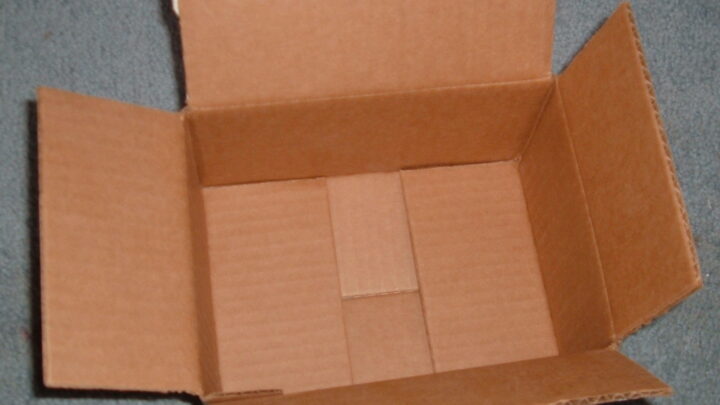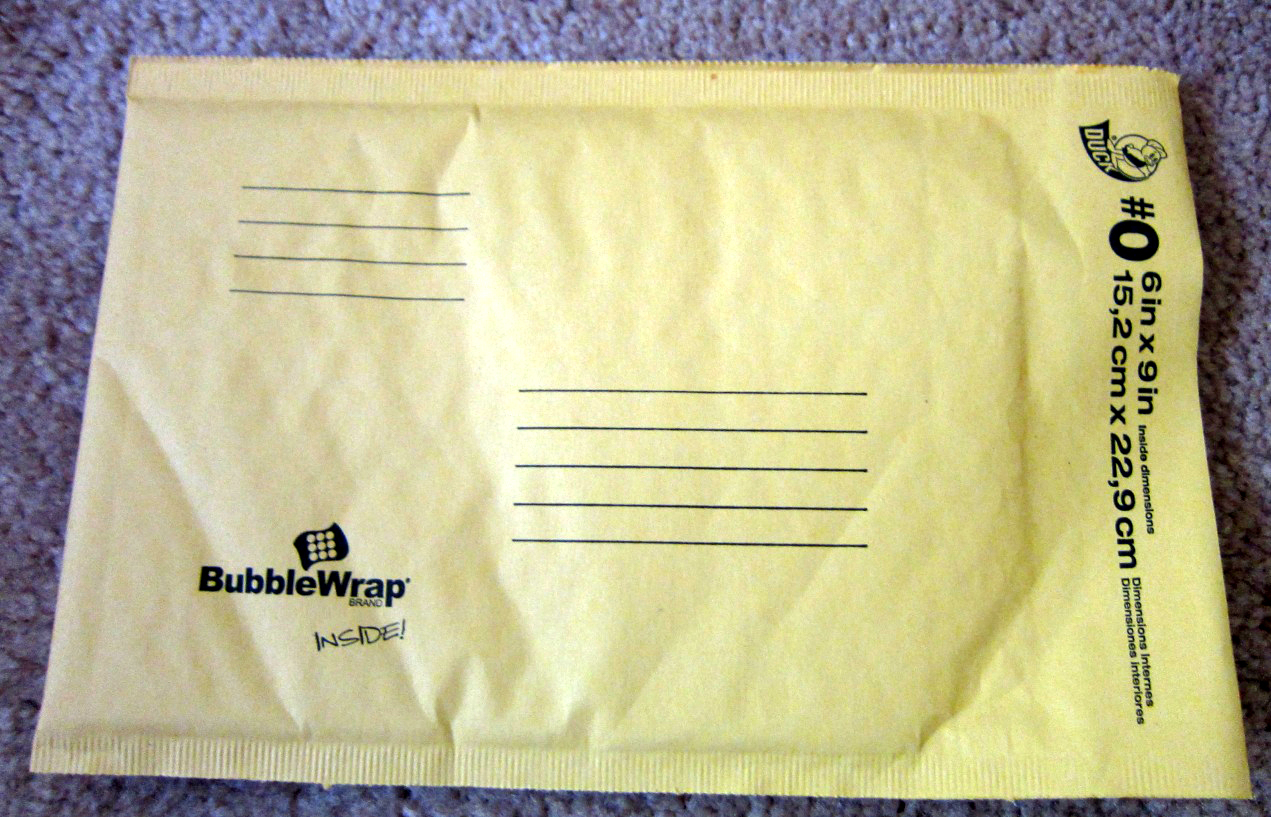
The poly mailer earned its place on small-business packing benches for practical reasons: it is light, it shrugs off rain, and it costs less per unit than a box. What has changed since 2024 is everything around it. The largest parcel shipper in the country rebuilt its packaging around paper, states started billing producers for the packaging they put on the market, and paper padded mailers moved from specialty suppliers onto ordinary shelves.
None of that makes a poly mailer illegal to buy or to use. It does change what a customer can put in a curbside bin and what a supplier pays to sell material into certain states. Here is what the company disclosures, the state rules and the federal price indexes actually show.
Trend Signal
70/100 Strong momentum
- Emerging
- Rising
- Mainstream
- Peaking
- Cooling
The largest shipper switched, and three states now charge producers for packaging
Amazon says the share of its North America shipments containing single-use plastic packaging fell from 65% in 2023 to 27% in 2025, and Oregon’s Department of Environmental Quality says producer fees to its producer responsibility organization could begin on July 1, 2025.
Our editorial reading of the cited data, not a forecast. How it is scored
By the numbers
- 27%Amazon North America shipments containing single-use plastic packaging, 2025Amazon
- 7.9%US producer price index, paper bag and coated and treated paper, year to August 2026BLS via FRED
- 6.2%US producer price index, plastics bag and pouch manufacturing, year to August 2026BLS via FRED
- July 1, 2025Date from which Oregon DEQ says producer responsibility fees could beginOregon DEQ
What changed inside the biggest shipper’s box
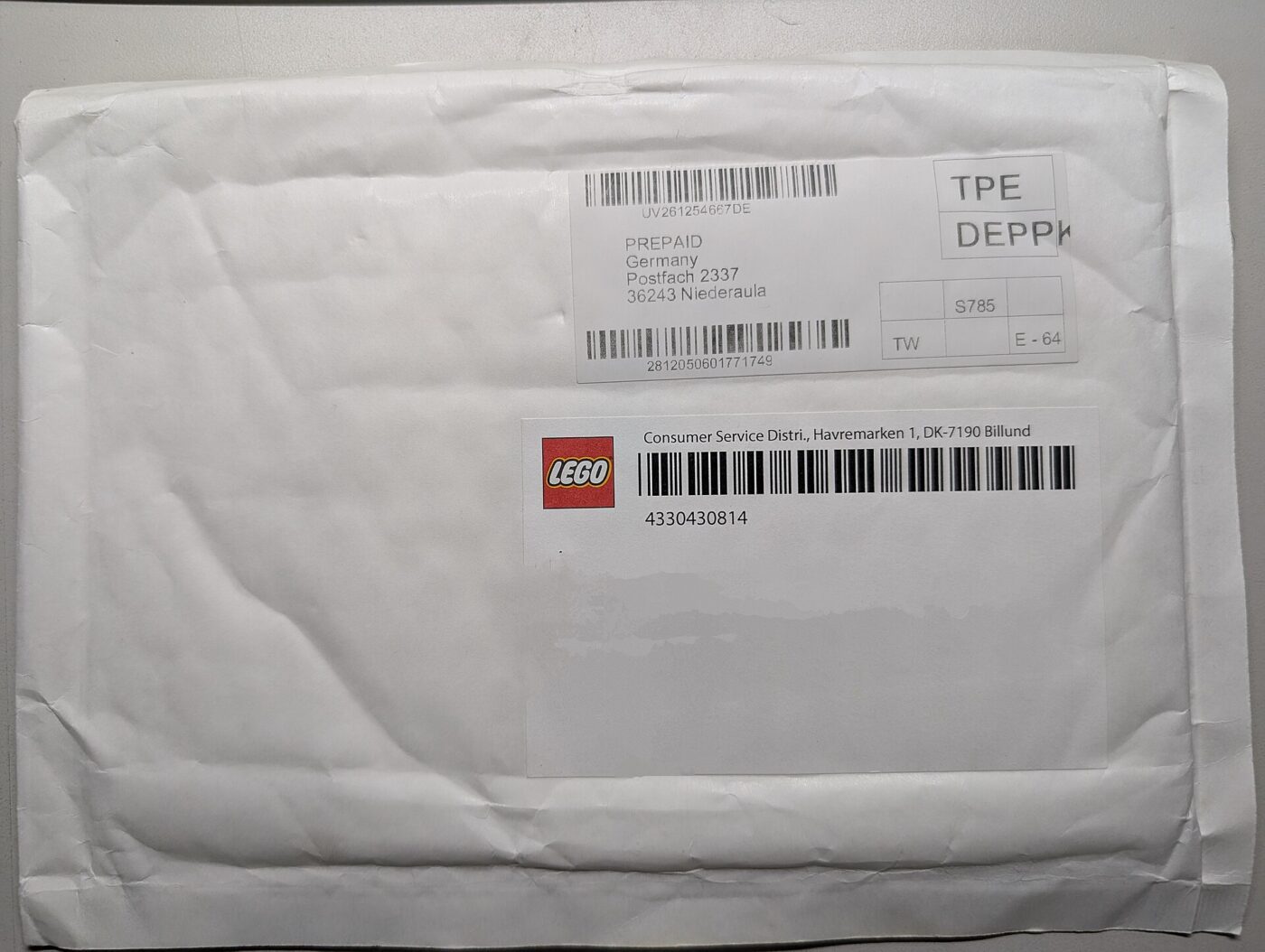
Amazon publishes its packaging numbers, and they moved fast. The company says that as of October 2024 it had removed all plastic air pillows from its delivery packaging globally and replaced them with paper filler made from 100% recycled content. The share of its North America shipments containing single-use plastic packaging fell from 65% in 2023 to 37% in 2024 and 27% in 2025.
The recycling side moved with it. Amazon says 63% of its North America shipments were recyclable through household waste streams in 2024 and 73% in 2025, and that 52% of its North America fulfillment centers shipped no plastic delivery packaging that year. It puts single-use plastic packaging avoided since 2020 at 224,000 metric tons.
The product that matters most to a small seller is the paper padded envelope. Amazon describes a paper-padded envelope with a 100% paper-based, shock-absorbent lining, introduced in Europe, that it says is recyclable in household recycling. That is the format now showing up widely from packaging suppliers: a kraft outer with a paper honeycomb or shredded-paper lining in place of bubble film.
The default parcel from the country’s biggest shipper is now mostly paper, which is what reset customer expectations.
State packaging rules put a price on the material
Oregon moved first on billing. Under the Recycling Modernization Act, producers of packaging, paper products and food serviceware must register with a producer responsibility organization, report the material they supply into the state and pay fees. Circular Action Alliance was approved as Oregon’s organization on February 21, 2025, the first supply-data report covering 2024 was due March 31, 2025, and the state’s Department of Environmental Quality says fees could begin on July 1, 2025. The same agency notes that failing to register is a Class 1 violation carrying fines of up to $25,000 per day.
Most side hustles are not the ones paying. Oregon’s statute treats a business as a small producer, and therefore outside the obligations, if it has gross revenue under $5 million in its most recent fiscal year or sold less than one metric ton of covered products into Oregon in the most recent calendar year. Colorado’s program plan was approved on December 10, 2025, with implementation required within six months. In California, the permanent SB 54 regulations were approved on May 1, 2026 and became effective on filing, affecting an estimated 5,741 producers, who pay $500 million a year beginning in 2027.
The pass-through is where a small seller feels it. You are unlikely to file anything, but the companies that manufacture and import your mailers are inside these programs, and the fees are set by material and recyclability.
Where paper still loses

Weight is the first problem. A paper padded mailer with a fiber lining weighs more than a poly bubble mailer of the same size, and US parcel pricing is built on weight and on the space a parcel occupies. On light items, the extra ounces can move a parcel into the next price increment.
Water is the second. A poly mailer is waterproof by construction; a kraft mailer is not, and paper-lined packaging needs either a coated face or an inner bag for anything that must stay dry.
Price is the third, and it is not going the way the marketing suggests. Between August 2025 and August 2026 the producer price index for paper bag and coated and treated paper manufacturing rose 7.9%, from 139.567 to 150.577, while the index for plastics bag and pouch manufacturing rose 6.2%, from 210.410 to 223.445. Plastics packaging film and sheet, a different basket, rose far more, 16.4%. Paper is not the cheap option by default in 2026.
| Producer price index | August 2025 | August 2026 | Change |
|---|---|---|---|
| Paper bag and coated and treated paper manufacturing | 139.567 | 150.577 | +7.9% |
| Plastics bag and pouch manufacturing | 210.410 | 223.445 | +6.2% |
| Plastics packaging film and sheet manufacturing | 180.951 | 210.609 | +16.4% |
Paper mailers cost more per ounce of protection and add ounces to the parcel. Both show up on the postage line.
How to read a mailer listing without guessing
Listings use the same words for different things, so read the construction rather than the claim. A curbside claim only holds if the whole mailer is paper, including the lining and the adhesive strip liner; a paper outer with a bubble-film lining is neither curbside paper nor store drop-off plastic, and that mixed build is the one most likely to be rejected.
The specification to compare is basis weight for paper mailers and mil thickness for poly. Neither number tells you about cushioning, which comes from the lining, so check whether the lining is honeycomb paper, shredded kraft or bubble film.
- Weigh one empty mailer of each candidate on a scale before committing to a case.
- Check whether the seal strip liner is paper or plastic, since a plastic liner is the usual gap in a curbside claim.
- For anything that must stay dry, plan on an inner bag rather than trusting a coated kraft face.
- Keep one poly size for rain-sensitive items rather than converting the bench at once.
Who should switch now and who should not
Switch if you ship soft goods that are not moisture-sensitive, or if your customers are the kind who photograph packaging. The supply is there, the formats have matured past the flimsy first generation, and the disposal instruction you print is simpler when the whole mailer goes in one bin.
Hold if your items are light enough that a few added ounces change the price increment, if they need film cushioning, or if rain exposure is part of your delivery reality. Nothing in the current rules forces a small seller to convert, and the federal price data gives no reason to believe paper will undercut plastic soon.
What to watch next
- Amazon’s next packaging disclosure, for whether the North America single-use plastic share keeps falling below 27%.
- California’s SB 54 fee schedule when the producer responsibility organization publishes it, since fees are set by material and recyclability.
- The BLS producer price indexes for paper bag and coated paper and for plastics bag and pouch, which have been converging rather than diverging.
Where to start
Paid links: we earn a commission if you buy through the buttons below, at no extra cost to you. As an Amazon Associate I earn from qualifying purchases.
Mailer types compared on the things that differ
| Product type | Good fit for | Where to look |
|---|---|---|
| Paper padded mailers | Fits curbside paper recycling | See listings on AmazonOpens Amazon search results, not one listing: check the model on the product page. |
| Honeycomb paper wrap roll | Fits fragile items without film | See listings on AmazonOpens Amazon search results, not one listing: check the model on the product page. |
| Recycled-content poly mailers | Fits wet-weather routes | See listings on AmazonOpens Amazon search results, not one listing: check the model on the product page. |
Product types that fit the trend described above, not tested models. Check the exact listing before you buy. How we pick them.
Paper padded mailers
Where to look: Amazon
The direct replacement for a bubble mailer. The detail that decides the recycling claim is the seal strip liner, still plastic on many otherwise-paper mailers.
- One-bin disposal when fully paper
- Takes handwriting and stamps well
- Heavier than poly
- Not waterproof
Honeycomb paper wrap roll
Where to look: Amazon
Expanding kraft honeycomb is the paper answer to bubble wrap. Budget extra time per order.
- Expands to grip odd shapes
- Stores flat on a roll
- Slower to wrap than film
- Bulks out a small box
Recycled-content poly mailers
Where to look: Amazon
If rain or weight rules out paper, recycled-content poly keeps the weight advantage. Tell customers it is store drop-off; film in a curbside bin causes sorting problems.
- Waterproof
- Lightest option per parcel
- Store drop-off only, not curbside
- Recycled content varies widely
More: Small Business and Side Hustles trends and how the Trend Signal is scored.
Sources
- How Amazon is reducing packaging — Amazon
- Producers of Covered Products — Oregon Department of Environmental Quality
- Recycling Modernization Act Producer Exemptions — Oregon Department of Environmental Quality
- Modernizing Oregon’s Recycling System — Oregon Department of Environmental Quality
- ORS 459A.863, definitions including small producer — Oregon Revised Statutes
- SB 54 Packaging Producer Responsibility Permanent Regulations — CalRecycle
- Final Plan Approved for Colorado’s Producer Responsibility Program — Circular Action Alliance
- Producer Price Index by Industry: Paper Bag and Coated and Treated Paper Manufacturing — BLS via FRED
- Producer Price Index by Industry: Plastics Bag and Pouch Manufacturing — BLS via FRED
- Producer Price Index by Industry: Plastics Packaging Film and Sheet Manufacturing — BLS via FRED
Questions readers ask
Are paper padded mailers actually recyclable at home?
Only if the whole mailer is paper. Amazon describes a paper-padded envelope with a 100% paper-based shock-absorbent lining that it says is recyclable in household recycling. A paper outer with a plastic bubble lining is not the same product.
Do I have to pay packaging fees as a small seller?
Usually not. Oregon’s statute treats a business as a small producer if it has gross revenue under $5 million in its most recent fiscal year or supplied less than one metric ton of covered products into Oregon in the most recent calendar year, and small producers need not register, report or pay fees. The obligations fall on manufacturers and importers.
Are poly mailers being banned?
None of the rules cited here bans poly mailers outright. What changed is that producers register with and pay fees to a producer responsibility organization under Oregon’s program, Colorado’s program plan was approved on December 10, 2025 for implementation within six months, and California’s permanent SB 54 regulations took effect on May 1, 2026, with producer payments of $500 million a year beginning in 2027. Fees are set by material and recyclability.
Which is cheaper, paper or poly?
Poly is still generally cheaper per unit and lighter, and the federal price data does not show that changing. Between August 2025 and August 2026 producer prices rose 7.9% for paper bag and coated and treated paper manufacturing and 6.2% for plastics bag and pouch manufacturing.