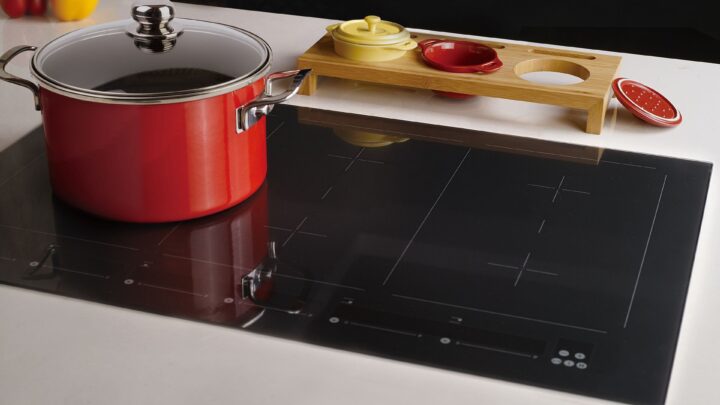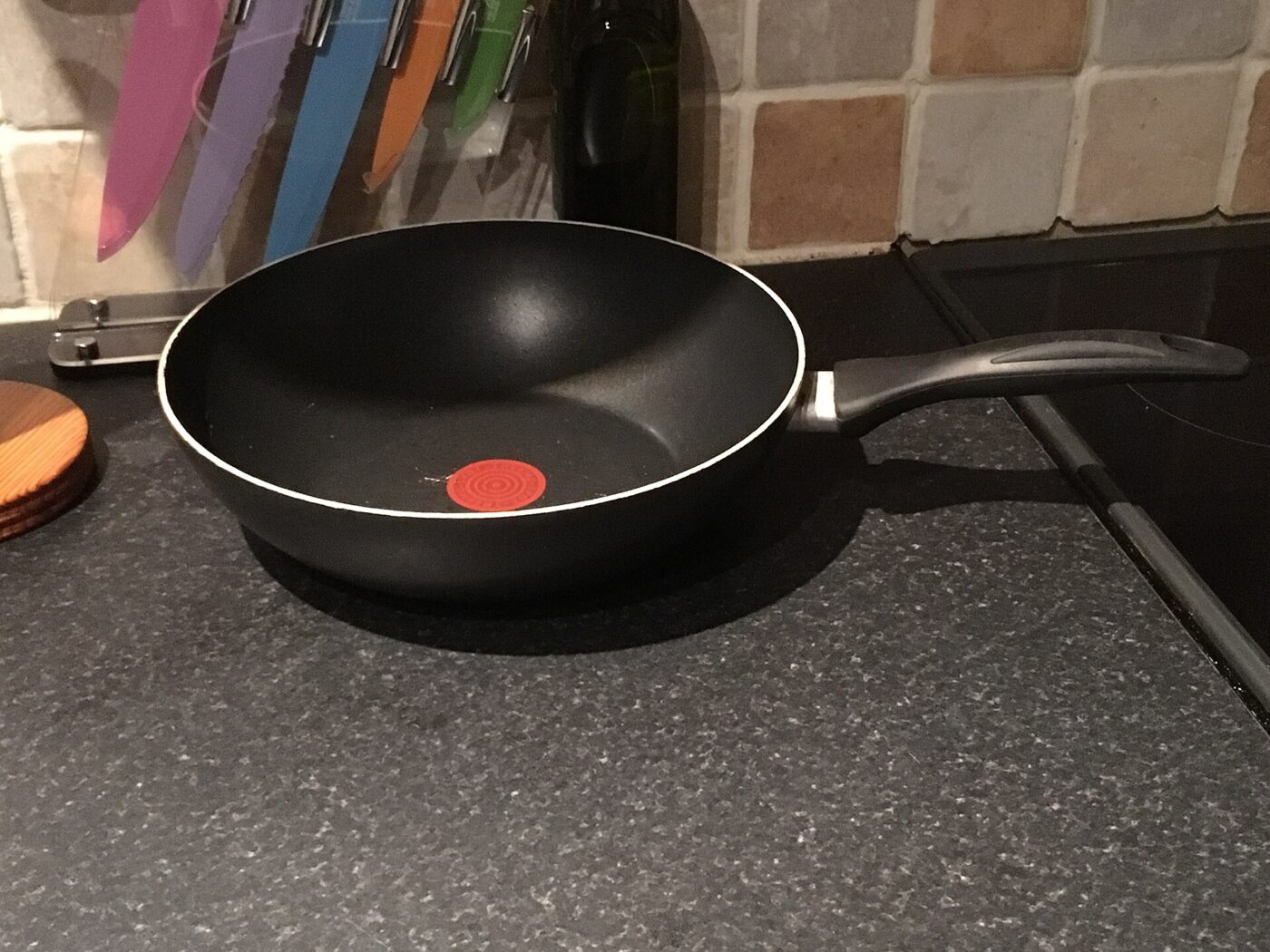
For decades the default nonstick pan in an American kitchen has been coated with PTFE, the slick material sold under the Teflon name. A growing group of states now bars that coating from store shelves. Minnesota’s Pollution Control Agency lists cookware among 11 product categories that may not contain intentionally added PFAS from January 1, 2025, and it spells out that Teflon, as a member of the PFAS family, “will be prohibited from use in cookware.” Colorado and Maine followed on January 1, 2026.
Six states out of fifty is a small slice of the country, but the bans arrive alongside new PTFE-free product launches and an advertising fight over PTFE’s reputation that has moved into a federal courtroom.
Trend Signal
66/100 Steady momentum
- Emerging
- Rising
- Mainstream
- Peaking
- Cooling
Bans spread state by state while the industry fights in court
Minnesota barred cookware with intentionally added PFAS from January 1, 2025, Colorado and Maine followed on January 1, 2026, and Fortune counted six states moving to ban it by May 2026. California’s October 2025 veto and later start dates elsewhere keep the score out of the top band.
Our editorial reading of the cited data, not a forecast. How it is scored
By the numbers
- 6 statesUS states that had moved to ban PFAS in cookware, as counted by Fortune in May 2026Fortune
- 11Minnesota product categories banned with added PFAS from Jan. 1, 2025, cookware includedMinnesota Pollution Control Agency
- Jul 1, 2026Start of Connecticut’s PFAS labeling rule for cookware, ahead of a sales banArnold & Porter
- Aug 11, 2025Date a federal court dismissed the cookware industry’s suit against Minnesota’s banNational Law Review
What the laws actually ban
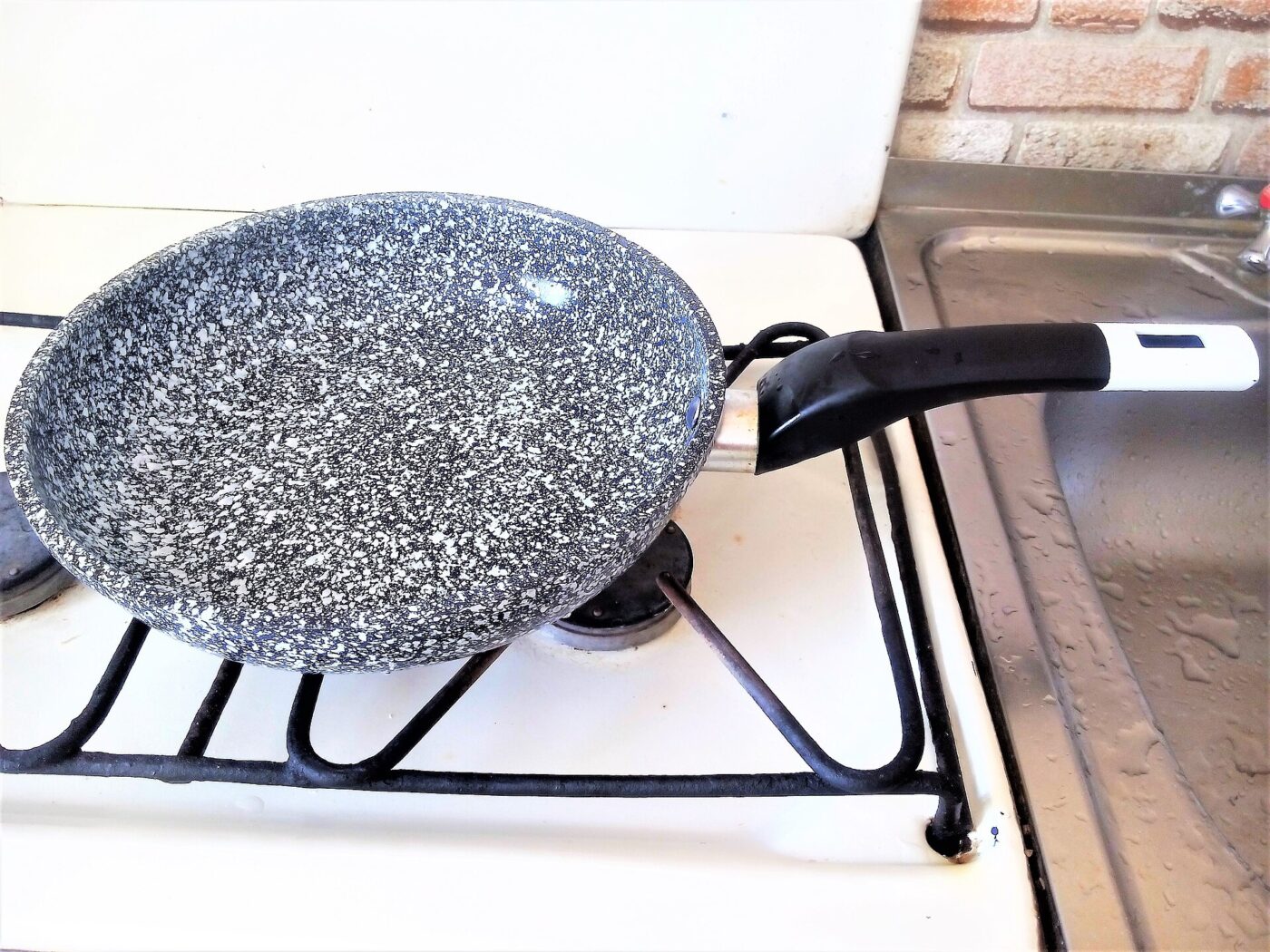
The state laws target PFAS that a manufacturer adds on purpose; New Mexico, for example, defines it as PFAS deliberately added or used during manufacture where its continued presence is desired or expected. Minnesota treats cookware as any product used to prepare, dispense or store food or beverages, and its regulator says outright that PTFE is covered, so a PTFE-coated skillet is caught even when its box says PFOA-free.
Maine’s Department of Environmental Protection gives the most concrete list. Its cookware category covers pots, pans, skillets, grills, baking sheets, baking molds, trays, bowls and cooking utensils, plus electric versions such as waffle makers, electric skillets and air fryers. The 2026 ban applies to surfaces that touch food; PFAS in internal parts that never touch food is left for a broader prohibition in 2032. Colorado covers durable housewares used in residences or kitchens, excludes commercial food equipment, and had already required PFAS disclosures on the label and product website of such cookware from January 1, 2024.
Other states run on later clocks, shown in the table below. New Mexico is the outlier: its statute lists cookware but carries 16 exemptions, including one for fluoropolymers, the class PTFE belongs to, and the summaries we read do not settle whether PTFE-coated pans fall inside the ban.
| State | Cookware rule | Start date |
|---|---|---|
| Minnesota | Sales ban on intentionally added PFAS | Jan. 1, 2025 |
| Colorado | Sales ban, after disclosure labels from 2024 | Jan. 1, 2026 |
| Maine | Sales ban on PFAS in food-contact surfaces | Jan. 1, 2026 |
| Connecticut | PFAS label, then sales ban | Label July 1, 2026; ban Jan. 1, 2028 |
| New Mexico | Sales ban, with a fluoropolymer exemption in the statute | Jan. 1, 2027 |
| Vermont | Sales ban | July 1, 2028 |
| California | SB 682 would have covered cookware from 2030 | Vetoed Oct. 13, 2025 |
Under Minnesota’s reading, a PTFE nonstick surface makes a pan a PFAS product, whatever else the label says.
Where the push stalled
The spread has not run in one direction. California’s SB 682 would have phased PFAS out of food packaging, cleaning products and other goods from 2028 and out of cookware from 2030. Governor Gavin Newsom vetoed it on October 13, 2025, writing that he was “deeply concerned about the impact this bill would have on the availability of affordable options in cooking products.” We read the veto as proof that affordability arguments can stop a ban lawmakers have passed.
The industry’s court challenge fared worse. The Cookware Sustainability Alliance, an industry group, sued Minnesota on January 6, 2025, arguing the ban violated the Constitution’s Commerce Clause. The court denied its request for a preliminary injunction on February 25, 2025, and on August 11, 2025 the U.S. District Court for the District of Minnesota dismissed the case, finding the ban applies equally to every cookware manufacturer regardless of geography.
The case also showed how far the local market had already moved: Nordic Ware, described as the only Minnesota company that had made cookware with intentionally added PFAS, had stopped that production.
Ceramic, stainless and the PTFE pushback

The commercial fight has shifted to marketing. In an August 14, 2025 decision on a challenge by the Cookware Sustainability Alliance, the National Advertising Division of BBB National Programs found that cookware brand Caraway supported its “free of PFAS” and “non-toxic” claims but should drop comparative claims that traditional nonstick is harmful, since most of its studies were not a good fit for them.
On February 13, 2026, Groupe SEB USA, which sells T-fal and All-Clad, and Meyer Corporation, which sells Farberware, Rachael Ray and Anolon, sued Caraway in the U.S. District Court for the Southern District of New York for false advertising and commercial disparagement, according to Fortune. The complaint argues that PTFE is chemically inert and that the FDA authorizes it in food-contact coatings. Caraway’s chief executive called it a meritless lawsuit.
Meanwhile, new products are tilting toward coatings without PTFE. On September 10, 2026, SharkNinja’s Ninja brand launched NeverQuit, a ceramic-coated nonstick line it says is made without lead, cadmium, PTFE, PFOA and PFAS, with a three-year coating guarantee. Its launch copy concedes the category’s weak spot: shoppers, it says, should not have to accept that ceramic’s performance “comes with an expiration date.”
What it means for your next pan
The bans work at the point of sale. Colorado banned the sale and distribution of cookware with intentionally added PFAS, and Maine prohibits selling, distributing or offering it. Nothing in these laws orders anyone to throw out a pan they already own, and shoppers outside the ban states are not covered by them.
For a nonstick habit without PTFE, a ceramic-coated pan is the direct substitute, and the advertising review found that at least one ceramic brand could support a “free of PFAS” claim. Expect to replace ceramic on a coating’s schedule rather than a lifetime’s; Ninja’s own launch pitch is built around durability. For pans that never lose a coating, tri-ply stainless steel, carbon steel and cast iron have no nonstick layer at all.
- On ceramic listings, look for “made without PTFE” next to “PFAS-free.”
- On air fryers, waffle makers and electric skillets, check what coats the parts that touch food.
- In Connecticut, a “Contains PFAS” or “Made with PFAS” label marks the pans the state plans to ban.
What to watch next
- A ruling in the suit against Caraway in New York, which will shape how brands can market non-toxic pans
- Whether Connecticut retailers pull PFAS-labeled pans before the state’s sales ban
- Whether California lawmakers bring back a cookware PFAS bill after the October 2025 veto
Where to start
Paid links: we earn a commission if you buy through the buttons below, at no extra cost to you. As an Amazon Associate I earn from qualifying purchases.
PFAS-free pan types compared on the things that differ
| Product type | Good fit for | Where to look |
|---|---|---|
| Ceramic-coated nonstick skillet | Fits nonstick habits without PTFE | See listings on AmazonOpens Amazon search results, not one listing: check the model on the product page. |
| Tri-ply stainless steel skillet | Fits high-heat searing | See listings on AmazonOpens Amazon search results, not one listing: check the model on the product page. |
| Carbon steel frying pan | Fits cooks willing to season | See listings on AmazonOpens Amazon search results, not one listing: check the model on the product page. |
Product types that fit the trend described above, not tested models. Check the exact listing before you buy. How we pick them.
Ceramic-coated nonstick skillet
Where to look: Amazon
The closest swap for anyone who fries eggs with little fat. Check for made without PTFE and the length of any coating guarantee.
- Food releases easily from day one
- No PTFE in the coating
- Coatings wear with use
- Utensil rules vary by line
Tri-ply stainless steel skillet
Where to look: Amazon
A pan that outlasts coated ones. Check that the layers run up the walls and the handle is riveted.
- No coating to wear out
- Handles searing and deglazing
- Eggs stick without preheat and fat
- Heavier than coated pans
Carbon steel frying pan
Where to look: Amazon
The restaurant answer to nonstick. It rewards frequent use and punishes soaking.
- Builds its own slick surface
- Lighter than cast iron
- Needs drying and oiling
- Reacts with acidic sauces
More: Home and Kitchen trends and how the Trend Signal is scored.
Sources
- 2025 PFAS prohibitions — Minnesota Pollution Control Agency
- PFAS in Products — Maine Department of Environmental Protection
- Colorado increases restrictions on PFAS in consumer products — Bryan Cave Leighton Paisner
- Year-End Developments in PFAS State Law — Arnold & Porter
- Vermont’s PFAS Product Prohibition Takes Effect — Downs Rachlin Martin
- State PFAS laws and regulations taking effect in 2026 — Manufacturing Dive
- Governor Newsom Vetoes SB 682 — Farella Braun + Martel
- Bans on PFAS in Cookware: Litigation and Legislative Challenges — ArentFox Schiff
- Federal Court Grants Minnesota’s Motion to Dismiss Challenge to Its PFAS Ban in Cookware — National Law Review
- A new lawsuit about PFAS and other forever chemicals is heating up the cookware industry — Fortune
- NAD Finds Certain Claims Supported; Recommends Others be Discontinued (Caraway) — BBB National Programs
- Ninja Launches New Nonstick Ceramic-Coated Cookware — SharkNinja
Questions readers ask
Is Teflon cookware banned in the US?
Not nationwide. Minnesota has barred the sale of cookware with intentionally added PFAS since January 1, 2025, and Colorado and Maine since January 1, 2026; Connecticut and Vermont have later dates. Minnesota’s regulator says PTFE, sold as Teflon, is a PFAS covered by its ban.
Does PFOA-free mean a pan has no PFAS?
No. PFOA is one PFAS. A pan can be PFOA-free and still use a PTFE coating, which Minnesota’s Pollution Control Agency classifies as a PFAS. Look for PTFE-free or made without PFAS if that is what you want.
Do I have to throw out my nonstick pans?
No. The state laws restrict selling and distributing cookware with intentionally added PFAS; they do not require owners to discard pans they already have.
Are air fryers covered by PFAS cookware bans?
In Maine, yes, when a surface that touches food contains intentionally added PFAS. The state’s environmental agency lists electric cookware such as air fryers, waffle makers and electric skillets.