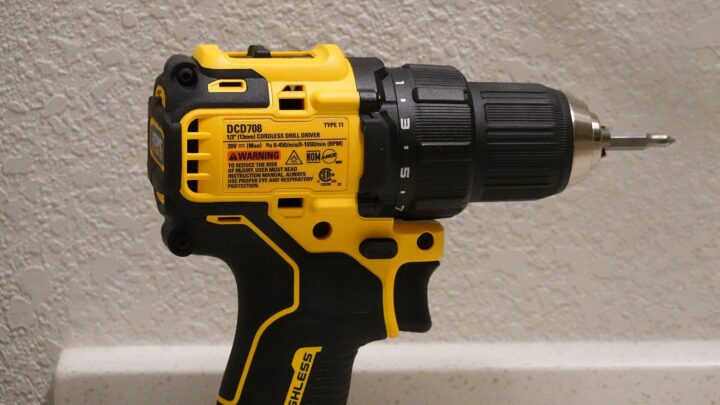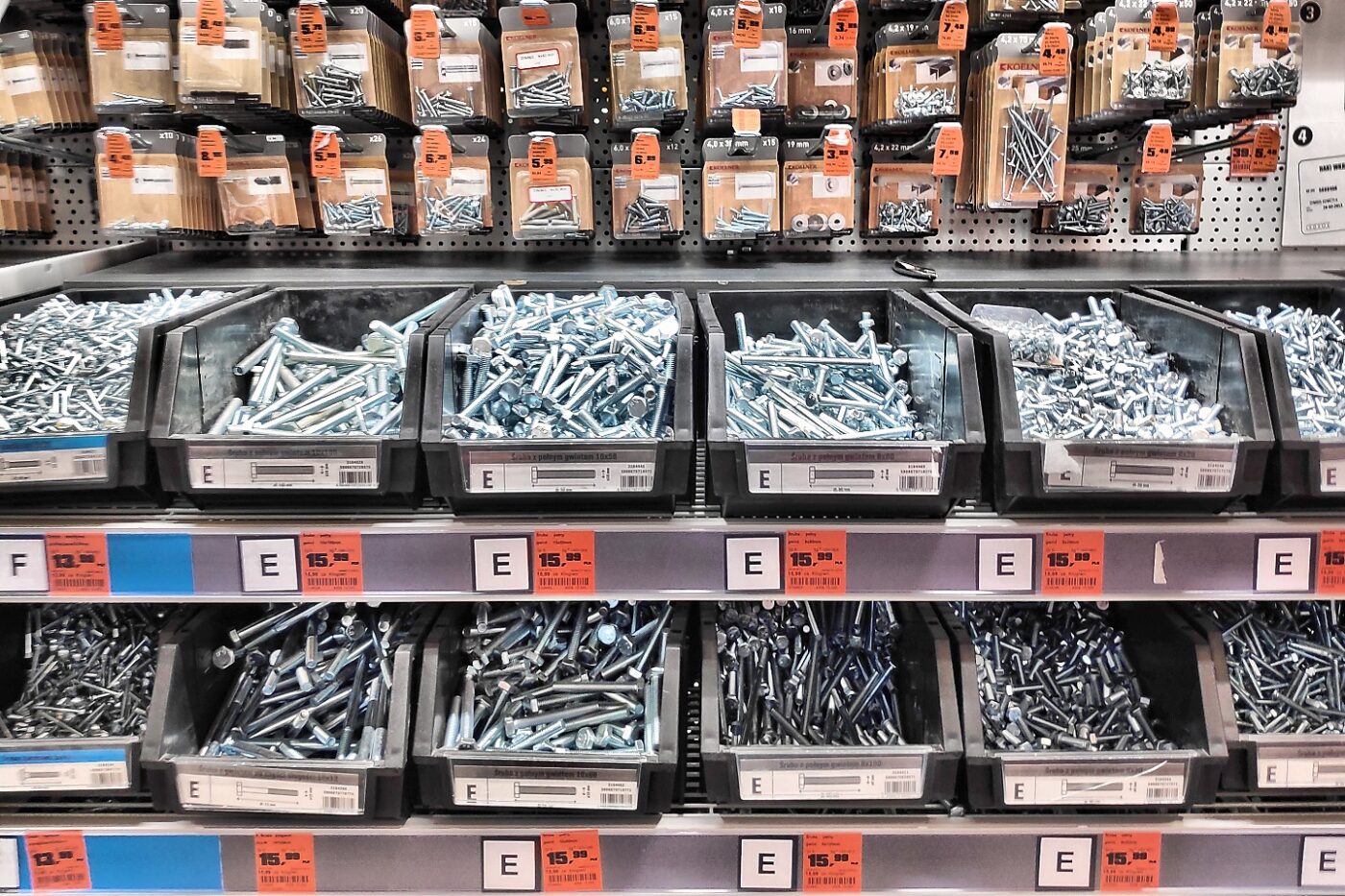
Home improvement has split in two. Contractors and trades are buying, and the companies that sell to them are growing. Homeowners doing it themselves are still spending, but on repairs and small upgrades rather than new kitchens and whole-house floors. The second-quarter 2026 results from Home Depot, Lowe’s and the big toolmakers show the same pattern.
That matters if you are planning a project in 2026, whether you hire it out or do it yourself. Here is what the numbers say about where the money is going and why.
Trend Signal
58/100 Steady momentum
- Emerging
- Rising
- Mainstream
- Peaking
- Cooling
Pro demand is growing while DIY spending stalls
TTI’s Professional segment grew 9.7% in the first half of 2026 while its Consumer segment fell 2.5%, and Lowe’s credited Pro, online and home services for its gains despite pressure in discretionary DIY spending.
Our editorial reading of the cited data, not a forecast. How it is scored
By the numbers
- +9.7%TTI Professional segment sales, first half of 2026; Consumer segment fell 2.5%TTI
- +0.2%Lowe’s comparable sales, Q2 2026, with discretionary DIY spending under pressureLowe’s
- 0.8%Home Depot customer transactions, Q2 fiscal 2026; average ticket up 2.8% to $92.50The Home Depot
- 6.95%Freddie Mac 30-year fixed mortgage average, Sept. 17, 2026, against 6.26% a year earlierFreddie Mac
The split in the second-quarter numbers
Home Depot’s comparable sales rose 1.7% in the quarter ended August 2, 2026, and 1.3% in the US. Customer transactions fell 0.8% to 443.2 million while the average ticket rose 2.8% to $92.50. The company said demand was broad “as customers continued to engage in smaller projects.”
Lowe’s comparable sales rose just 0.2% in its second quarter. CEO Marvin Ellison credited “sustained growth in Pro, Online and Home Services” for a fifth straight quarter of positive comparable sales, “despite pressure in discretionary DIY spending.” Online sales rose 15.7%, and Lowe’s now expects comparable sales to be flat for the fiscal year.
The toolmakers show the split most clearly. Techtronic Industries, which sells Milwaukee and Ryobi, reported first-half 2026 sales up 9.7% in its Professional segment and down 2.5% in its Consumer segment; Ryobi, its brand for DIYers, grew 1.7% to $1.9 billion. Stanley Black & Decker’s second-quarter organic growth of 3% came from power tool strength in US retail and commercial and industrial channels.
| Company | Measure | Result |
|---|---|---|
| Home Depot | Comparable sales, Q2 fiscal 2026 | +1.7% |
| Home Depot | Customer transactions, Q2 fiscal 2026 | -0.8% |
| Lowe’s | Comparable sales, Q2 2026 | +0.2% |
| TTI | Professional segment sales, first half 2026 | +9.7% |
| TTI | Consumer segment sales, first half 2026 | -2.5% |
Why big DIY projects stalled
The housing market is the brake. Freddie Mac’s 30-year fixed mortgage rate averaged 6.95% on September 17, 2026, up from 6.26% a year earlier. Sales of existing homes totaled 4.06 million in 2025, essentially flat on 2024, as FCNews reported in its flooring statistics, which tie weak flooring demand to mortgage rates above 6%, tepid housing results and consumer uncertainty.
Homeowners who are not moving still fix what breaks, which fits Home Depot’s description of smaller projects and Lowe’s description of pressure on discretionary DIY. We read the pattern as a shift in project size, not a collapse in spending: big upgrades are the discretionary part, and repairs are not.
Flat home sales keep large remodels on hold, while repair spending carries on.
Spending is growing, but barely after inflation
Census Bureau advance estimates, published on FRED, put sales at building material, garden equipment and supplies dealers at $42.227 billion in August 2026, seasonally adjusted, up 5.1% (our calculation) from $40.167 billion in August 2025. That is still below the $42.941 billion recorded in January 2023.
Over the same year, the all-items consumer price index rose 3.4%, so the real gain in the channel was modest. Prices in the tool aisle did less of the work: the BLS index for tools, hardware, outdoor equipment and supplies rose 1.4% in the year to August 2026.
Retailers and toolmakers are chasing the pro
The companies are reorganizing around the customer who is growing. TTI changed its reporting in 2026 to Professional and Consumer segments, and Lowe’s names Pro, online and home services as its growth drivers.
Both big retailers are also funding the trades pipeline. Home Depot, citing BLS projections that 4.1 million construction skilled trades jobs are expected to open over the next decade, set a goal in September 2026 of 15 million introductions to trades careers. The Lowe’s Foundation, citing a Department of Education estimate that 2.1 million skilled trades jobs could go unfilled by the end of the decade, launched a coalition on September 1, 2026 that aims to prepare 1 million people for the trades.
For homeowners, a pro-led market and a thin trades pipeline point to contractors with steady work. We read that as a reason to book larger jobs early and get more than one quote, not as a reason to expect bargains.
What this means for your next project

If you are doing it yourself, you are in the soft part of the market. TTI’s consumer sales are down, and Stanley Black & Decker said in early 2026 that consumers gravitated toward promotions, so deals on DIY tools and supplies are where retailers are competing.
Small jobs are where DIY spending is going, and they are the jobs most homeowners can finish well: patching, sealing, fixing and refreshing rather than tearing out. For work that needs a licensed trade, plan ahead, since the growth in this market is on the pro side.
What to watch next
- Home Depot’s and Lowe’s third-quarter 2026 results, for any change in the small-project pattern or in DIY demand
- Freddie Mac’s weekly rate survey; a sustained drop in mortgage rates would be the clearest trigger for bigger projects
- Monthly Census retail sales for building material dealers, to see whether sales pass their January 2023 level
Where to start
Paid links: we earn a commission if you buy through the buttons below, at no extra cost to you. As an Amazon Associate I earn from qualifying purchases.
Small-project DIY supplies compared on what to check
| Product type | Good fit for | Where to look |
|---|---|---|
| Drywall repair patch kit | Fits small wall repairs | See listings on AmazonOpens Amazon search results, not one listing: check the model on the product page. |
| Cordless oscillating multi-tool | Fits cut-and-trim repair jobs | See listings on AmazonOpens Amazon search results, not one listing: check the model on the product page. |
| Caulking tool kit | Fits resealing tubs, sinks and windows | See listings on AmazonOpens Amazon search results, not one listing: check the model on the product page. |
Product types that fit the trend described above, not tested models. Check the exact listing before you buy. How we pick them.
Drywall repair patch kit
Where to look: Amazon
The kind of job driving DIY spending in 2026. Match patch size to the damage and plan for primer and paint.
- Fixes dents and holes without a pro
- Little skill needed
- Large holes need a new drywall piece
- Needs sanding and paint to finish
Cordless oscillating multi-tool
Where to look: Amazon
A versatile repair tool for small fixes. If you own batteries already, a tool-only version on the same platform keeps cost down.
- Cuts trim, grout and flooring in place
- Many blade types
- Blades wear quickly
- Ties you to a battery platform
Caulking tool kit
Where to look: Amazon
Resealing is a small project with a visible payoff. Remove the old bead fully before applying new caulk.
- Cleaner lines on tubs and sinks
- Remover tool clears old caulk
- Caulk itself sold separately
- Joint prep takes most of the time
More: Home Improvement trends and how the Trend Signal is scored.
Sources
- The Home Depot Announces Second Quarter Fiscal 2026 Results — The Home Depot
- Path to Pro Programs will Deliver 15 Million Introductions to High-Demand Construction Careers — The Home Depot
- Lowe’s Reports Second Quarter 2026 Sales and Earnings Results — Lowe’s
- Lowe’s Foundation launches skilled trades coalition — Lowe’s
- Techtronic Industries 2026 Interim Results press release — TTI
- Stanley Black & Decker 2Q 2026 results, Form 8-K Exhibit 99.1 — SEC EDGAR
- Stanley Black & Decker beat expectations in 2025, but will reassess prices — Manufacturing Dive
- Advance Retail Sales: Building Materials, Garden Equipment and Supplies Dealers, RSBMGESD — FRED, U.S. Census Bureau data
- All items in U.S. city average, CUUR0000SA0 — U.S. Bureau of Labor Statistics
- Tools, hardware, outdoor equipment and supplies in U.S. city average, CUUR0000SEHM — U.S. Bureau of Labor Statistics
- Primary Mortgage Market Survey — Freddie Mac
- Stats 2026: Soft surface dips amid uneven housing market — Floor Covering News
Questions readers ask
Is home improvement spending going up in 2026?
Slightly. Census advance estimates put building material and garden dealer sales at $42.227 billion in August 2026, up 5.1% from a year earlier by our calculation, while consumer prices rose 3.4% over the same period.
Is DIY declining?
DIY spending is soft, not collapsing. Lowe’s cited pressure in discretionary DIY spending in its second quarter of 2026, TTI’s Consumer segment fell 2.5% in the first half, and Home Depot said customers kept doing smaller projects.
Who is driving home improvement growth?
Professionals. TTI’s Professional segment grew 9.7% in the first half of 2026, and Lowe’s credited Pro, online and home services for a fifth straight quarter of positive comparable sales.
Will lower mortgage rates bring back big remodels?
That is the main thing to watch. Freddie Mac’s 30-year rate was 6.95% on September 17, 2026, and FCNews ties weak flooring demand to rates above 6% and flat existing-home sales of 4.06 million in 2025.