Type padel racket into Amazon and the box finishes it ten ways: bag, adidas, protector, nox, babolat, women, wilson, grip, kids. We pulled those completions on October 12, 2026. Almost none of them name what separates one racket from another on a spec sheet, because shape, weight and core are the three fields every maker publishes — and the outline of the racket was settled years ago by a rulebook.
We have tested nothing. This compares the International Padel Federation’s Rules of Padel, which we downloaded and extracted as text rather than reading in summary, against what one maker publishes on its own pages, plus US participation counts from the Sports & Fitness Industry Association and our own CPSC recall database search on October 12, 2026. Selection rule for the rackets named: a maker with a US-English catalog publishing a complete specification block, one model per shape. Method: how we track trends.
Trend Signal
74/100 Strong momentum
- Emerging
- Rising
- Mainstream
- Peaking
- Cooling
Padel grew 14.5% in SFIA’s second year of tracking it
SFIA’s mid-year release of August 20, 2026 names padel the fastest-growing activity it highlighted beyond team sports, at plus 14.5% in its second year of SFIA tracking, against plus 1.3% for pickleball over the first half of 2026. SFIA separately counts approximately 1.07 million Americans who played padel in 2025, of whom roughly 238,000 played eight or more times.
Our editorial reading of the cited data, not a forecast. How it is scored
By the numbers
- 45.5 cmFIP maximum total padel racket length, head plus handleInternational Padel Federation
- 1.07MAmericans who played padel in 2025, per SFIA participation researchSFIA
- +14.5%Padel participation growth in SFIA’s 2026 first-half report, the fastest it highlightedSFIA
- 238,000US padel players SFIA classified as CORE in 2025, meaning eight or more sessionsSFIA
What the rulebook settles before you shop
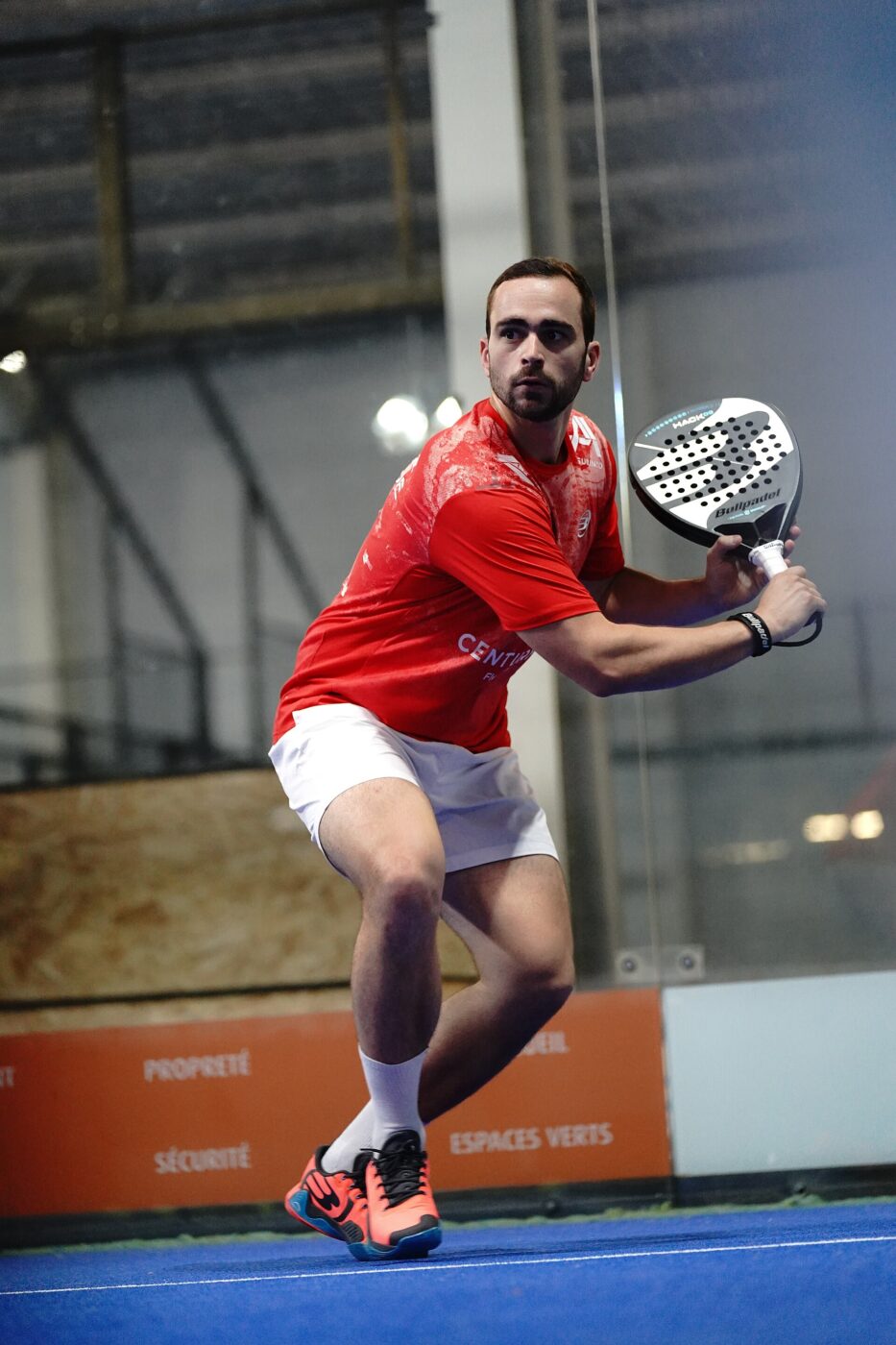
The Rules of Padel published by the International Padel Federation, the edition on its documents page with a stated review of application date of January 1, 2026, describes the racket in ten numbered clauses. The handle may be no longer than 20 cm, with a maximum throat width and thickness of 50 mm. Head length is variable, but head plus handle may not exceed 45.5 cm, the head may be no wider than 26 cm and no thicker than 38 mm, with a 2.5% thickness tolerance when measurements are checked.
The holes are specified too. The hitting surface is perforated by an unlimited number of cylindrical holes, each between 9 and 13 mm in the center area. Within 4 cm of the edge, the holes may be larger or a different shape, with a variable length and width of not more than 20 mm. Both faces must be flat, smooth or rough, and the racket must carry no objects other than those used to limit deterioration, limit vibration or distribute weight, reasonable in size and positioning.
One clause is a purchase requirement rather than a design limit. The racket must have a non-elastic cord of up to 35 cm fixed into the handle and put around the wrist, and the rules state that its use is obligatory. Rule 13 lists, among the ways a point is lost, a player breaking their safety cord or dropping their racket: the pair immediately loses the point in dispute.
Length, width, thickness, hole diameter and the wrist cord are rulebook values, not features.
Shape, weight and the three things makers publish

What is left is the part the rules do not touch: where the mass sits and what the face is made of. Nox publishes a consistent specification block, and the three current-season models we read on October 12, 2026 show the pattern. The Ventus Hybrid 12K Lite is a teardrop at 350 to 360 g with an MLD Black EVA core and a 12K carbon fiber face, at advanced level. The Ventus Control 3K is 360 to 375 g with a 3K carbon fiber face and an all-round style. The Genius Attack 18K Alum is a diamond at 360 to 375 g with an 18K Alum face, described as high balance, at professional level.
Weight ranges across those three pages span 25 g in total, so weight is a fine adjustment rather than a category. Shape is the category: the diamond carries the attack and high-balance labels, the teardrops carry control and all-round. Weight distribution devices are allowed only if reasonable in size and positioning, which is why Nox sells its adjustment as 2 g and 4 g counterweights up to 8 g rather than as a heavier frame.
Grip is the one Amazon query the rules address directly. Added objects are allowed when they limit deterioration, so an overgrip is inside the rules, and the oversize grip Nox publishes on the Genius Attack adds an extra 30 mm to the handle, against a rulebook handle cap of 20 cm.
| Published field | Ventus Hybrid 12K Lite | Ventus Control 3K | Genius Attack 18K Alum |
|---|---|---|---|
| Shape | Teardrop | Teardrop | Diamond |
| Weight | 350–360 g | 360–375 g | 360–375 g |
| Face | 12K carbon fiber | 3K carbon fiber | 18K Alum carbon fiber |
| Core | MLD Black EVA | MLD Black EVA | MLD Black EVA |
| Stated level | Advanced | Advanced | Professional |
Shape is the decision. Weight across one maker’s range moves by about 25 g.
Who is actually playing this in the United States
The demand is real but small. SFIA, whose annual research with the Physical Activity Council surveys 18,000 respondents aged six and over, puts US padel at approximately 1.07 million participants in 2025, roughly 238,000 of them CORE, meaning eight or more sessions. Just over a fifth of players are regulars, which is the group that buys a second racket.
Growth is where padel stands out. SFIA’s mid-year release of August 20, 2026 names padel the fastest-growing activity it highlighted beyond team sports, at plus 14.5% in its second year of SFIA tracking, while pickleball grew 1.3% over the first half of 2026 after five consecutive years as the fastest-growing sport. The same release puts 81.3% of Americans aged six and over in at least one of the 126 activities SFIA tracks over the 12 months ending June 2026.
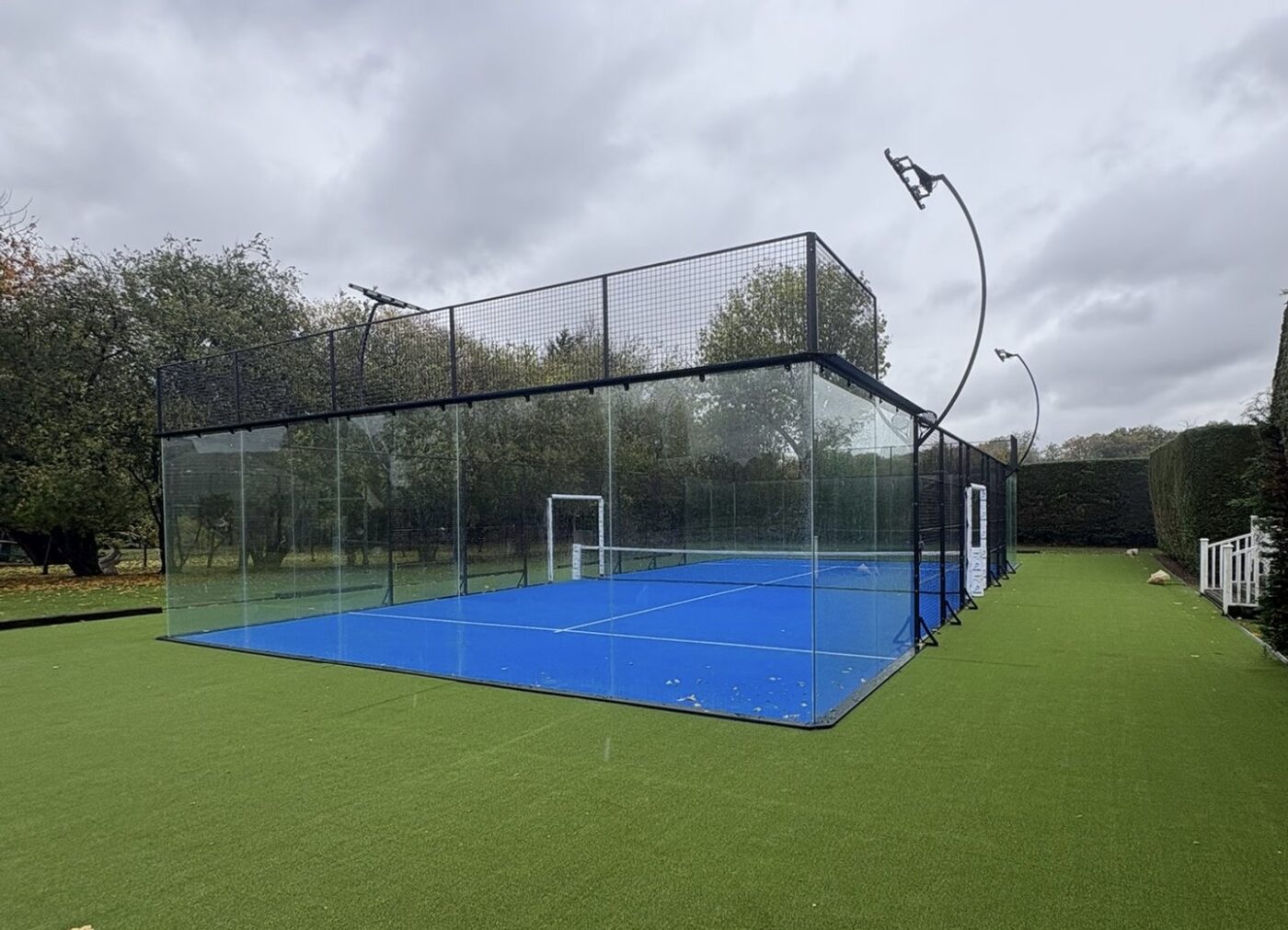
Court access is the limit, not equipment. USA Padel publishes a Premier Clubs directory that filters by location rather than giving a national total, and it ran the 2026 US Open Padel Championships at Padel Haus Greenpoint in Brooklyn; its pages carry no court count. SFIA describes a padel court as about one-third the size of a tennis court, which is why the sport arrives club by club. We compared the two in padel against pickleball.
Kids, women’s models and what the spec sheet does not say
Two completions ask for a player category rather than a product: padel racket women and padel racket kids. Nothing in the FIP rules sets a minimum weight, a youth size or a separate women’s specification, so those are a maker’s fitting decisions. The one number constraining a smaller racket is the handle: 20 cm long, 50 mm at the throat.
There is a gap worth knowing before spending. The rules say the game is played with a racket manufactured in accordance with the Annex Padel Rackets Homologation issued by the FIP. We read the federation’s documents index on October 12, 2026 and that annex is not among the files listed; the only equipment certification document there covers balls. The ball rules are specific by contrast — a rubber sphere 6.35 to 6.77 cm across, 56.0 to 59.4 g, bouncing 135 to 145 cm from 2.54 m.
The recall record is empty rather than reassuring. Our CPSC searches on October 12, 2026 for padel and for pickleball both returned zero notices, which means no notice has been issued, not that a racket will hold up.
No published FIP racket homologation list and no US recall notices: judge these on the published spec block.
What to watch next
- Whether the FIP publishes its Annex Padel Rackets Homologation on its documents page, where only a ball certification process appears now
- SFIA’s next full-year padel count, after the 1.07 million figure for 2025 and plus 14.5% for the first half of 2026
- Whether USA Padel publishes a national court or club count rather than a location-filtered Premier Clubs directory
Where to start
Paid links: we earn a commission if you buy through the buttons below, at no extra cost to you. As an Amazon Associate I earn from qualifying purchases.
Padel racket types compared on what the rules leave open
| Product type | Good fit for | Where to look |
|---|---|---|
| Round padel racket | Fits a first racket | See listings on AmazonOpens Amazon search results, not one listing: check the model on the product page. |
| Teardrop padel racket | Fits players who already play weekly | See listings on AmazonOpens Amazon search results, not one listing: check the model on the product page. |
| Padel overgrip and frame protector | Fits protecting a racket you own | See listings on AmazonOpens Amazon search results, not one listing: check the model on the product page. |
Product types that fit the trend described above, not tested models. Check the exact listing before you buy. How we pick them.
Round padel racket
Where to look: Amazon
Nox gives its control and all-round labels to models other than the diamond attack shape, and its lightest listed model sits at 350 to 360 g against 360 to 375 g for that shape.
- Mass sits lower in the frame
- Lightest end of a maker range
- Makers label these all-round not attack
- Fewer models in US catalogs
Teardrop padel racket
Where to look: Amazon
Of the three Nox pages we read, two list teardrop bodies and differ mainly in the carbon weave of the face.
- Published as the hybrid middle
- Carbon faces graded 3K to 18K
- Stated levels skew advanced
- Shape names vary between makers
Padel overgrip and frame protector
Where to look: Amazon
The rules allow additions that limit deterioration, vibration or weight distribution if reasonable in size, which covers overgrips and edge protectors.
- Explicitly inside the FIP rules
- Cheap against a new frame
- Cannot change shape or balance much
- Counterweights capped at 8 g by the maker
More: Sports and Recreation trends and how the Trend Signal is scored.
Sources
- Rules of Padel, review of application January 1, 2026 — International Padel Federation
- Documents index, rules and certifications — International Padel Federation
- What Is Padel: rules, equipment and participation — SFIA
- US participation research, method and 18,000 respondents — SFIA
- US sports and fitness participation reaches record high, mid-year data — SFIA
- Ventus Hybrid 12K Lite specifications — Nox
- Ventus Control 3K specifications — Nox
- Genius Attack 18K Alum specifications — Nox
- USA Padel home, clubs and 2026 US Open — USA Padel
- Recall database REST web service — CPSC
Questions readers ask
How big can a padel racket be?
The FIP rules cap head plus handle at 45.5 cm, head width at 26 cm and head thickness at 38 mm, with a handle no longer than 20 cm and a maximum throat width and thickness of 50 mm. A 2.5% thickness tolerance is allowed when a racket is measured.
Is a wrist strap required in padel?
Yes. The FIP rules require a non-elastic cord of up to 35 cm fixed into the handle and put around the wrist, and state that its use is obligatory. Rule 13 lists breaking the cord or dropping the racket among the ways a pair loses the point in dispute.
Are there official kids or women’s padel racket sizes?
Not in the rules. The FIP text sets no minimum weight, no youth size and no separate specification by player, so those labels come from makers. The only dimension limiting a smaller racket is the handle, capped at 20 cm long.
How many people play padel in the United States?
SFIA puts US padel at approximately 1.07 million participants in 2025, roughly 238,000 of them CORE, meaning eight or more sessions. Its mid-year release of August 20, 2026 reports plus 14.5% growth in the first half of 2026.