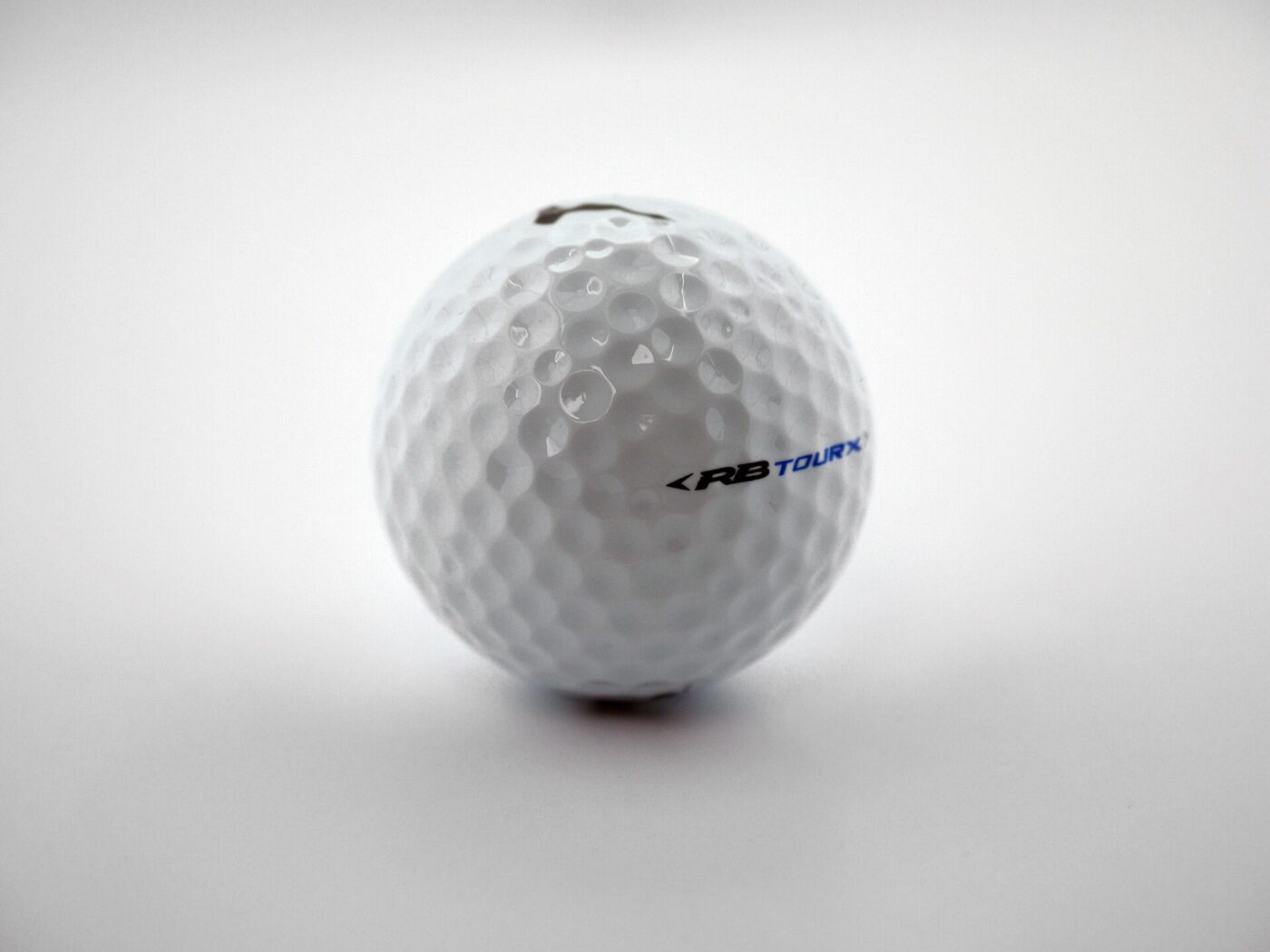
The golf ball rollback has been the longest-running equipment story in the sport, and in 2026 it mostly moved backwards. The original decision is plain enough: on December 6, 2023 the USGA and The R&A issued a Notice of Decision updating the conditions under which golf balls are tested against the Overall Distance Standard, a change that, in Acushnet’s words to investors, will reduce the distance conforming balls travel. Balls submitted for the January 2028 List of Conforming Golf Balls were to be measured the new way; balls already on the December 2027 list could be played until January 2030.
Then the timeline slid. An Area of Interest on January 16, 2026 asked whether to swap the phased plan for a single date in January 2030; a Notice and Comment on March 17, 2026 proposed exactly that; and on June 17, 2026 the governing bodies told manufacturers there would be no change to the standard until January 2030 at all. By September the conversation had moved to rules for the top of the sport.
Trend Signal
30/100 Weak momentum
- Emerging
- Rising
- Mainstream
- Peaking
- Cooling
The date that would reach recreational golfers has moved and now points at 2030
The R&A and the USGA told manufacturers on June 17, 2026 that there will be no change to the Overall Distance Standard until January 2030, and on September 21, 2026 put three near-term, tour-only Model Local Rules out for comment at the request of the PGA Tour and the DP World Tour.
Our editorial reading of the cited data, not a forecast. How it is scored
By the numbers
- Jan. 2030Single whole-game implementation date the governing bodies proposed in March 2026The R&A and USGA
- 317.0 ydBall limit in one near-term local rule put out for comment on September 21, 2026The R&A and USGA
- +1%Rise in US rounds played in 2025 against 2024, as Acushnet reported to investorsAcushnet via SEC
- 0.5%BLS producer price index for golf equipment, August 2026 against August 2025BLS
What the rollback was meant to do
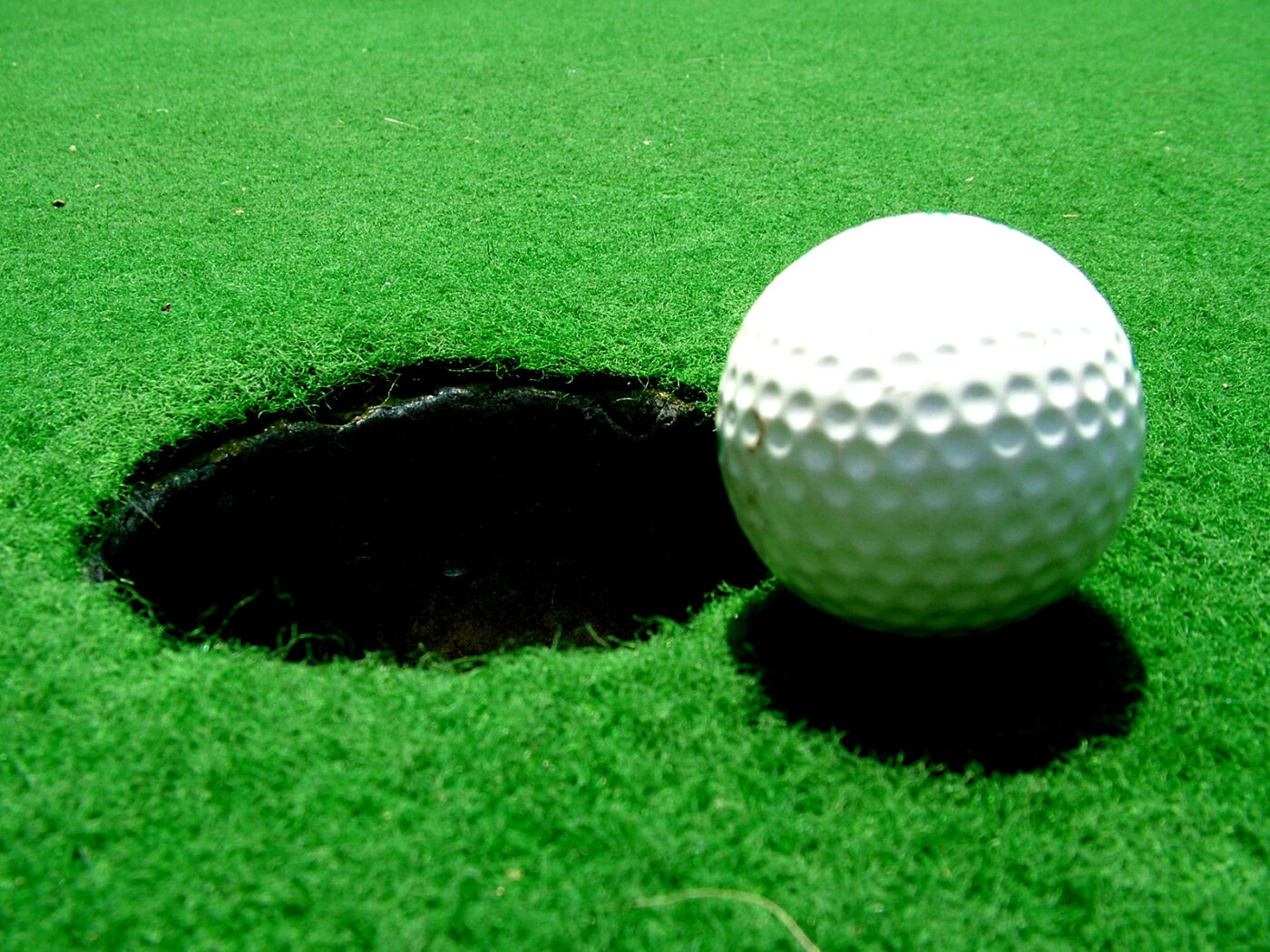
The Overall Distance Standard is a test, not a design rule: a ball is launched by a machine under set conditions and must not exceed a set distance. The December 6, 2023 Notice of Decision changed the conditions rather than the limit: balls are to be measured against the 317-yard ceiling, plus a three-yard tolerance, at 125 mph of clubhead speed with an 11 degree launch angle and 37 revolutions per second of backspin, in place of today’s 120 mph, 10 degrees and 42 revolutions. Balls that pass the gentler test would have to pass a harder one.
The governing bodies landed on an across-the-game change after heavy feedback on an earlier proposal to do it through a Model Local Rule for elite play. CBS Sports reported the expected effect as a loss of 13 to 15 yards for the longest hitters and five yards or less for most recreational golfers. The notice set the phased plan: new conditions for submissions to the January 2028 List of Conforming Golf Balls, with balls on the December 2027 list or earlier playable until January 2030.
The rollback tightens the test conditions, not the distance limit, and the pain was always meant to fall at the top.
Three notices in five months
The first move was procedural. An Area of Interest issued on January 16, 2026 asked for views on moving from phased implementation to a single date across the whole game from January 2030; Acushnet recorded it in the annual report it filed with the SEC on February 27, 2026 and called the outcome uncertain. On March 17, 2026 it became a proposal: a Notice and Comment set out a single date implementation of the updated test conditions from January 1, 2030, with responses due by April 16.
The June notice settled it for now. Dated June 17, 2026, it states that there will be no change to the Overall Distance Standard until January 2030, that feedback had shown majority support for a single date, and that the governing bodies will work with the PGA Tour, the DP World Tour and others to reconsider approaches that may more materially affect the pace of future distance increases at the elite level. ESPN reported the same day that USGA chief executive Mike Whan said it was fair to critique whether the rollback was enough and that it probably was not.
What the tours asked for instead

The alternative arrived as a Notice to Manufacturers dated September 21, 2026. It records that the PGA Tour and the DP World Tour have asked the governing bodies to explore Model Local Rules that could arrive as early as January 2028: a ball from the List of Conforming Golf Balls with an overall distance of 317.0 yards or less when tested; a driver head that tests before competition at a maximum characteristic time of 239 microseconds; and a limit on the length of clubs other than putters below the 46 inches set by Model Local Rule G-10. Comments close on October 21, 2026.
The key word is local. A Model Local Rule is opt-in, used by a competition organizer, which is how the 46-inch club length limit has worked since The R&A and the USGA made MLR G-10 available on January 1, 2022 for elite events. The September notice says the near-term rules, if adopted, are not changes to the Equipment Rules and would not affect the conformance status of any conforming ball or club. GOLF.com, reporting on September 23, 2026, read the 317.0-yard figure as stripping out the three-yard tolerance that lets conforming balls test up to 320 yards, and wrote that none of the three would touch the recreational game. The same piece put average PGA Tour distance on measured drives at 306 yards in 2026, with Aldrich Potgieter and Rory McIlroy the first two players to average over 330.
What it means for the balls in your bag
Practically, nothing. The governing bodies have said in writing that the Overall Distance Standard will not change until January 2030, and the local rules floated in September 2026 are written for professional competition. A ball on the List of Conforming Golf Balls when you buy it is legal for your club competitions that day.
A rollback changes the conditions under which new balls are tested, so it governs what manufacturers may sell and what the conforming list contains, rather than reaching into a sleeve already in your bag. How long existing stock stays playable is what the two proposals argued about, and the September 2026 notice says the submission dates proposed in March no longer apply, with a further communication promised within five months. The one group with reason to watch is elite amateurs, who play under conditions organizers set.
Where ball prices sit meanwhile
Demand has not wobbled while the rules have. Acushnet told investors that golf remained in high demand in 2025, with US on-course participants rising for an eighth consecutive year and US rounds played up about 1% against 2024. Net sales of Titleist golf equipment reached $1,596.2 million in 2025 against $1,507.8 million in 2024, about 62% of the company total.
Producer prices tell a flatter story. The BLS producer price index for golf equipment, excluding apparel and shoes, stood at a preliminary 211.857 in August 2026 against 212.878 in August 2025, a fall of about 0.5%, and has sat between about 210 and 217 in every month since February 2025. Steady play and flat factory-gate prices are why we score this trend as cooling: the rule is still coming in some form, but it is not a reason to change what you buy in 2026.
What to watch next
- The September 21, 2026 notice to manufacturers after comments close on October 21, and whether either tour adopts a local rule.
- The further communication on the Overall Distance Standard test that the governing bodies promised within five months of that notice.
- Acushnet’s next annual report, for how it describes the rollback timeline as a business risk.
Where to start
Paid links: we earn a commission if you buy through the buttons below, at no extra cost to you. As an Amazon Associate I earn from qualifying purchases.
Golf ball types compared on the things that differ
| Product type | Good fit for | Where to look |
|---|---|---|
| Urethane-cover golf balls | Fits short-game spin | See listings on AmazonOpens Amazon search results, not one listing: check the model on the product page. |
| Two-piece distance golf balls | Fits distance off the tee | See listings on AmazonOpens Amazon search results, not one listing: check the model on the product page. |
| Low-compression golf balls | Fits slower swing speeds | See listings on AmazonOpens Amazon search results, not one listing: check the model on the product page. |
Product types that fit the trend described above, not tested models. Check the exact listing before you buy. How we pick them.
Urethane-cover golf balls
Where to look: Amazon
The premium tier is where the rollback argument is loudest and where nothing has changed. A ball on the conforming list when you buy it is legal for club play.
- Softer cover grips wedges
- Widest model choice
- Highest cost per ball
- Cover scuffs faster
Two-piece distance golf balls
Where to look: Amazon
If you lose several balls a round, cost per ball matters more than any rule timeline. Producer prices for golf equipment were roughly flat over the year to August 2026.
- Durable cover
- Lowest cost per ball in bulk
- Less greenside spin
- Firmer feel
Low-compression golf balls
Where to look: Amazon
Compression is the specification to read, since the marketing word is soft and the number is what differs. The proposed rules were written for the fastest swings in the game.
- Easier to compress
- Often sold in value packs
- Compression claims vary
- Can feel mushy in the cold
More: Sports and Recreation trends and how the Trend Signal is scored.
Sources
- Notice of Decision on golf ball conformance testing, December 6, 2023 — The R&A
- Notice and Comment on a single implementation date, March 17, 2026 — The R&A
- Notice to Manufacturers re Distance Insights, June 17, 2026 — The R&A
- Notice to Manufacturers on near-term Model Local Rules, September 21, 2026 — The R&A
- Acushnet Holdings Corp. annual report on Form 10-K for the year ended December 31, 2025 — SEC EDGAR
- Amid golf-ball rollback debate, USGA and R&A propose 3 new rules — GOLF.com
- R&A, USGA, tours plan golf ball rollback amid distance concerns — ESPN
- USGA, R&A announce universal golf ball rollback to limit distance — CBS Sports
- PPI commodity data for golf equipment, excluding apparel and shoes — Bureau of Labor Statistics
Questions readers ask
Will my golf balls become illegal?
Not on any date now in force. The R&A and the USGA told manufacturers on June 17, 2026 that there will be no change to the Overall Distance Standard until January 2030, having proposed in March 2026 that the December 2023 change take effect on a single date from January 1, 2030.
Does the golf ball rollback affect amateurs?
Not yet. The three Model Local Rules put out for comment on September 21, 2026, including a 317.0 yard ball limit, were requested by the PGA Tour and the DP World Tour for elite play, and GOLF.com reported that none would affect the recreational game.
What does the rollback actually change?
The test conditions. The December 6, 2023 notice keeps the 317 yard limit and its three-yard tolerance but tests at 125 mph, 11 degrees of launch and 37 revolutions per second of backspin in place of 120 mph, 10 degrees and 42.
Are golf ball prices rising because of the rule change?
There is no sign of it in producer price data. The BLS producer price index for golf equipment read a preliminary 211.857 in August 2026 against 212.878 in August 2025, a fall of about 0.5%.