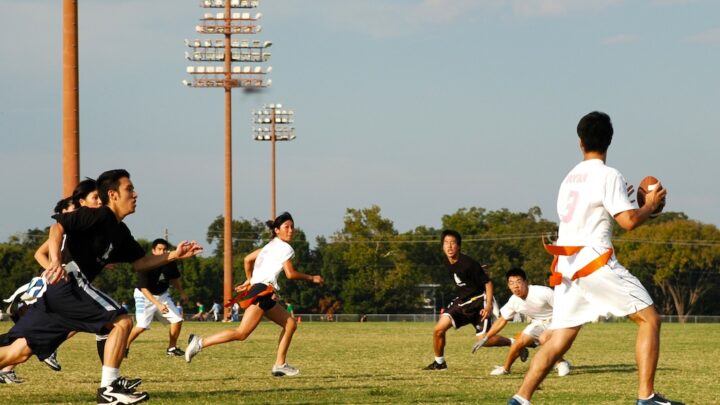
A mouthguard is the cheapest thing in a school sports bag and one of the few pieces of gear a player buys personally. It is also, in 2026, a piece of gear whose rules changed in two sports at once. The NFHS Field Hockey Rules Committee met in Indianapolis from January 12 to 14, and its revision to rule 1-6-1 says a mouth protector should not include any attachment that does not serve a purpose and function in protecting the teeth or mouth, and should not include anything that is a health or risk issue and can pose a danger to the wearer or other players. Monica Maxwell, the NFHS director of sports and liaison to the committee, said clarifying equipment standards for mouth protectors helps ensure they serve their intended protective purpose without creating unnecessary risk.
Boys lacrosse landed in the same place from the opposite direction. In the 2026 changes the USA Lacrosse Rules Committee and the NFHS published on January 27, 2026, rule 1-9-1b drops the color restriction, so a guard may be any color or none, while mouth attachments that serve no protective purpose or are purely decorative are prohibited. Here is what the rules require, what no standards body tests, and what that means at the peg.
Trend Signal
46/100 Steady momentum
- Emerging
- Rising
- Mainstream
- Peaking
- Cooling
Two sports rewrote mouthguard rules for 2026 while no lab test certifies the product
For the 2026 season the NFHS field hockey and boys lacrosse rules were both rewritten to rule out mouth protector attachments that do not protect the teeth or mouth, and lacrosse removed its color restriction. NOCSAE, which publishes the performance standards behind helmets, balls and soccer shin guards, lists none for mouth protectors.
Our editorial reading of the cited data, not a forecast. How it is scored
By the numbers
- NoneStandards for mouth protectors on the NOCSAE published list, September 2026NOCSAE
- 5Major retailers the FTC wrote to in August 2014 over mouthguard concussion claimsFederal Trade Commission
- 18Sports equipment makers the FTC warned after its 2012 Brain-Pad settlementFederal Trade Commission
- 7,500Professional rugby players required to wear instrumented mouthguards from January 2024Cleveland Clinic
What the 2026 rule changes actually say
Both changes are narrow and both point the same way: the rule now describes what a mouth protector should not carry rather than what color it must be. In field hockey the wording sits in the subsections of rule 1-6-1 and, on the NFHS release USA Field Hockey published on February 12, 2026, covers both non-protective attachments and anything on the guard that is a health or risk issue and can pose a danger.
Boys lacrosse rule 1-9-1b removed the restriction on color, including the old bar on white and clear guards, and prohibits mouth attachments that serve no protective purpose or are purely decorative. The practical effect for a shopper is that the novelty end of the category gets thinner: fangs, molded lips and dangling charms are what the language is aimed at, and a plain guard in any color is now the safe purchase in both sports.
Color is no longer the rule to worry about; anything glued, molded or hung onto the guard is.
No laboratory certifies a mouthguard
It helps to know what the stamps on the rest of the bag mean, because a mouthguard has none. The standards library the National Operating Committee on Standards for Athletic Equipment published as of September 2026 runs to 52 documents covering football, ice hockey, lacrosse, polo and batting helmets, faceguards and face protectors, baseballs, field hockey headgear, football hand coverings, soccer shin guards under ND090 and protectors for commotio cordis under ND200. Read down that list and there is no entry for mouth protectors.
The gap is a testing problem more than an oversight. A helmet is certified by dropping an instrumented headform and a shin guard is struck by a defined impactor, while a mouthguard sits in a mouth that differs from every other mouth. What you can check is what the rule asks for, which in both 2026 revisions is a guard that covers and protects the teeth and mouth and carries nothing else. Individual leagues add their own wording, so the school equipment list is the last word.
Why concussion claims keep drawing letters
The other thing on the packaging is sometimes a brain-injury claim, and it has an advertising-enforcement history. On August 16, 2012 the Federal Trade Commission announced a deceptive-advertising settlement barring Brain-Pad, Inc. of Conshohocken, Pennsylvania, and its president Joseph Manzo, from claiming without support that the company’s mouthguards reduce the risk of concussions from lower-jaw impacts, reduce that risk generally, or had been clinically proven to do either. David Vladeck, then director of the FTC Bureau of Consumer Protection, said mouthguards can shield teeth and some can reduce impact to the lower jaw, but the evidence to claim a reduced concussion risk was not adequate.
The agency did not stop at one company. After the order became final in November 2012 it sent warning letters to 18 other sports equipment manufacturers, then to almost a dozen more, and on August 21, 2014 it wrote to five major retailers about concussion-protection claims for athletic mouthguards on their websites, saying staff planned to revisit the sites in 90 days and noting that retailers as well as manufacturers can be liable under the FTC Act. Each of those actions is about advertising claims rather than product testing. We read the record as a shopping rule: a package promising protection for the brain is making a claim the FTC has challenged three times over.
Sensors arrived at the top of the sport first
The genuinely new thing in this category is measurement, and it entered through elite rugby rather than retail. On October 30, 2023 Cleveland Clinic announced that World Rugby had selected the Intelligent Mouthguard, invented by Cleveland Clinic researchers and manufactured by Prevent Biometrics, for global adoption, with about 7,500 professional rugby union players required to wear one from January 1, 2024. It records linear and angular accelerations and velocities along with impact direction, location and contact workload.
World Rugby then wired the output into its medical protocol, and adjusted it within months. Under an interim change applying from March 8, 2024, a player in a competition using the premium head injury assessment protocols who triggers an alert gets immediate medical attention from an on-field doctor, and leaves the field for a head injury assessment only if that doctor has concerns; a player cleared to continue still faces a full HIA1 assessment at half-time or full-time. World Rugby put the change down to signal-lag problems in some stadiums, not the mouthguards. None of this is a school-level product, but it is where the category research money is going.
How the fit is supposed to work
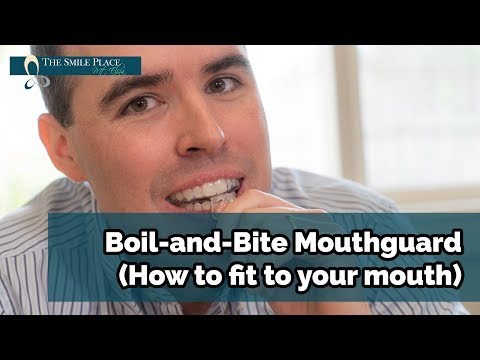
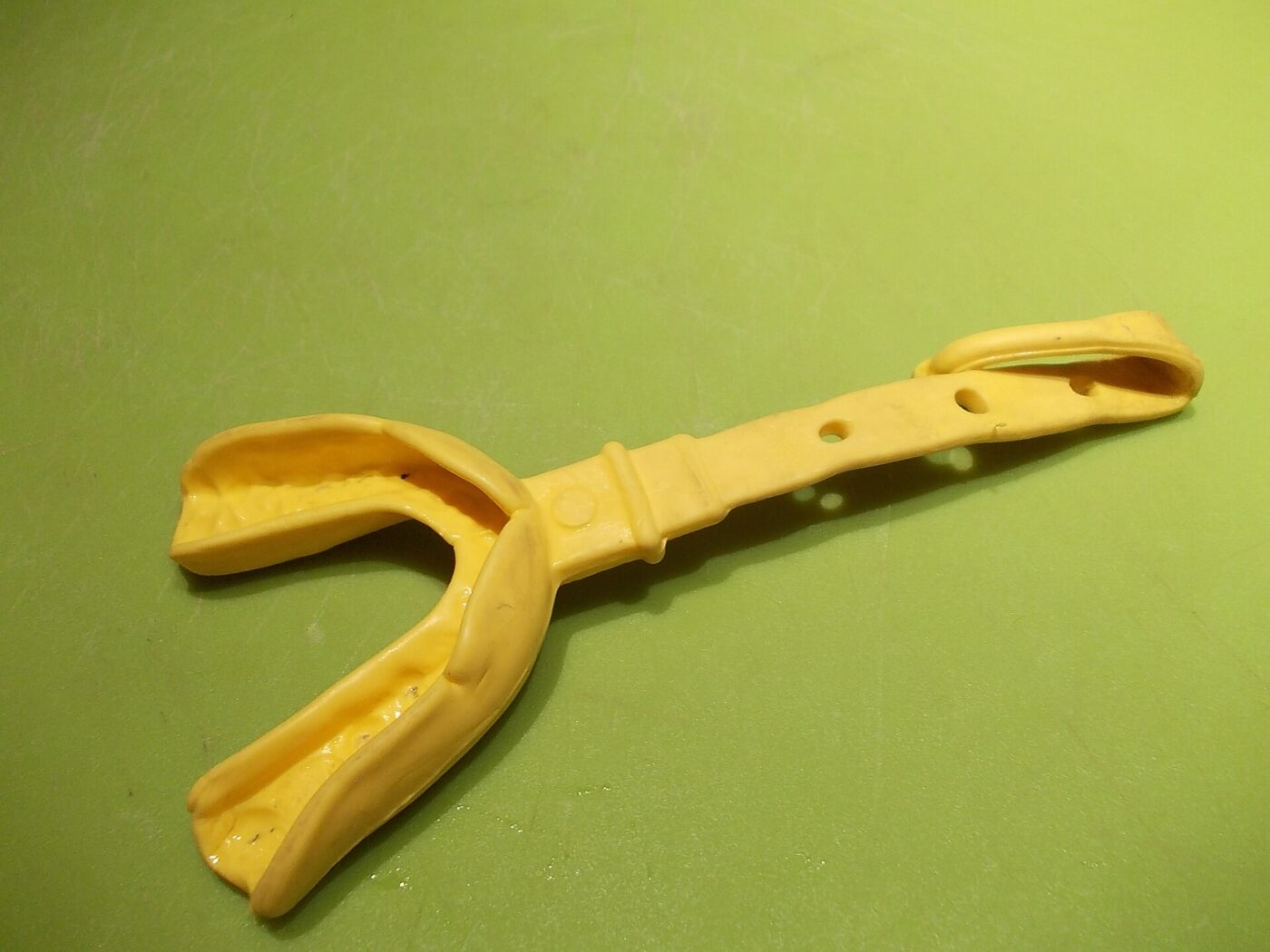
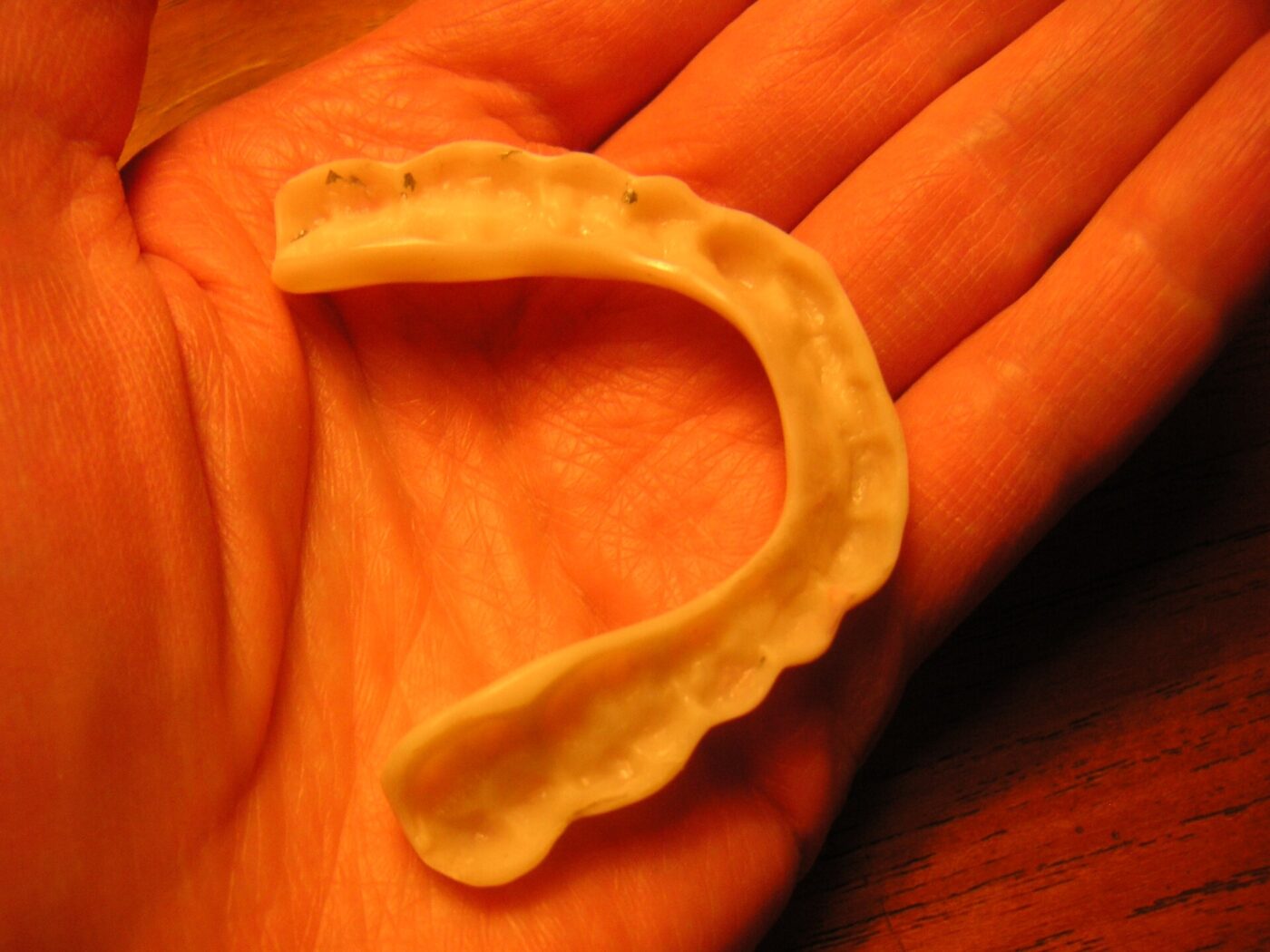
Three formats cover almost everything on sale. Stock guards come ready to wear and fit nobody in particular. Boil-and-bite guards are softened in hot water and formed against the teeth, which is what most school players use. Custom guards are made from a dental impression, cost the most and are built to one mouth.
Across all three, what matters is coverage and retention: the guard should cover the upper teeth to the back molars, stay put without clenched jaws, and let the wearer talk and breathe. For helmeted sports, strapped versions attach to the facemask, and players in braces can buy guards made to sit over orthodontic hardware without boiling. Both are exactly where the 2026 attachment language matters, since a functional strap is a different thing from a decorative add-on.
- Check the school or league equipment list before buying anything unusual
- Check the guard is plain, with no decorative attachment on the front
- Replace a guard that is chewed through, cracked or no longer stays in place
What to watch next
- Whether other NFHS sports adopt the same attachment wording after field hockey and boys lacrosse both took it for 2026.
- Any standards body publishing a test method for mouth protectors, which would be the first stamp this category has had.
- Whether instrumented mouthguards move below the elite level, and what governing bodies say about who owns the data.
Where to start
Paid links: we earn a commission if you buy through the buttons below, at no extra cost to you. As an Amazon Associate I earn from qualifying purchases.
Mouthguard formats compared on the things that differ
| Product type | Good fit for | Where to look |
|---|---|---|
| Boil-and-bite mouthguard | Fits most school sports | See listings on AmazonOpens Amazon search results, not one listing: check the model on the product page. |
| Strapped mouthguard for helmet sports | Fits helmeted sports | See listings on AmazonOpens Amazon search results, not one listing: check the model on the product page. |
| Mouthguard for braces | Fits players with braces | See listings on AmazonOpens Amazon search results, not one listing: check the model on the product page. |
Product types that fit the trend described above, not tested models. Check the exact listing before you buy. How we pick them.
Boil-and-bite mouthguard
Where to look: Amazon
The default for field hockey, lacrosse and soccer. With color restrictions gone in lacrosse for 2026, the rule left to read is the ban on non-protective attachments.
- Forms to the teeth at home
- Cheap enough to keep a spare
- A bad first fit is hard to undo
- Wears through in a season
Strapped mouthguard for helmet sports
Where to look: Amazon
Football and some hockey programs ask for a strapped guard. A strap that keeps the guard with the player is functional, which is the distinction the 2026 language draws.
- Stays with the helmet on the sideline
- Common league requirement
- Strap styles vary by facemask
- More to chew through
Mouthguard for braces
Where to look: Amazon
Orthodontic guards are sold for upper braces and usually are not boiled, since a formed fit would lock onto hardware that is going to move.
- Made to sit over brackets
- Often no boiling step
- Bulkier than a fitted guard
- Needs replacing as teeth move
More: Sports and Recreation trends and how the Trend Signal is scored.
Sources
- High School Player Equipment, Penalty Corners Focus of High School Field Hockey Rules Changes — USA Field Hockey
- Boys Rule Changes and Points of Emphasis Announced for 2026 — USA Lacrosse
- Standards library, as published in September 2026 — NOCSAE
- FTC Alerts Major Retailers to Concerns About Concussion Protection Claims for Athletic Mouthguards — Federal Trade Commission
- Settlement with FTC Prohibits Marketer Brain-Pad, Inc. from Claiming that Its Mouthguards Can Reduce Risk of Concussions — Federal Trade Commission
- High-tech Intelligent Mouthguard System Selected for Global Adoption by World Rugby — Cleveland Clinic
- Instrumented Mouthguard update — World Rugby
Questions readers ask
Can a high school mouthguard be clear or white in 2026?
In boys lacrosse, yes. The 2026 NFHS rule 1-9-1b removed color restrictions, including the previous bar on white and clear guards, while prohibiting attached items that do not support protecting the teeth and mouth.
Is there a NOCSAE standard for mouthguards?
No. The NOCSAE standards library as published in September 2026 covers helmets, faceguards, baseballs, field hockey headgear, football hand coverings, soccer shin guards under ND090 and commotio cordis protectors under ND200, and contains no specification for mouth protectors.
Why do mouthguard packages avoid concussion claims?
Because the FTC has treated them as advertising claims that need substantiation. In August 2012 it settled with Brain-Pad, Inc. over unsupported concussion claims, sent warning letters to 18 other manufacturers once the order became final, and in August 2014 wrote to five major retailers about such claims on their websites.
What are instrumented mouthguards?
Mouthguards with motion sensors. Cleveland Clinic announced on October 30, 2023 that World Rugby had adopted the Intelligent Mouthguard for about 7,500 professional players from January 1, 2024, recording acceleration, impact direction and location.