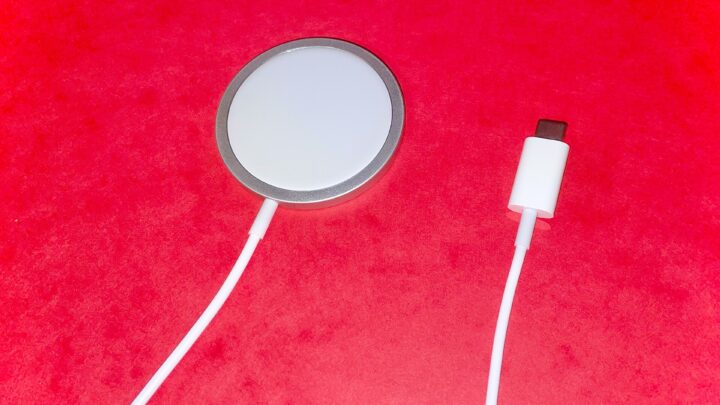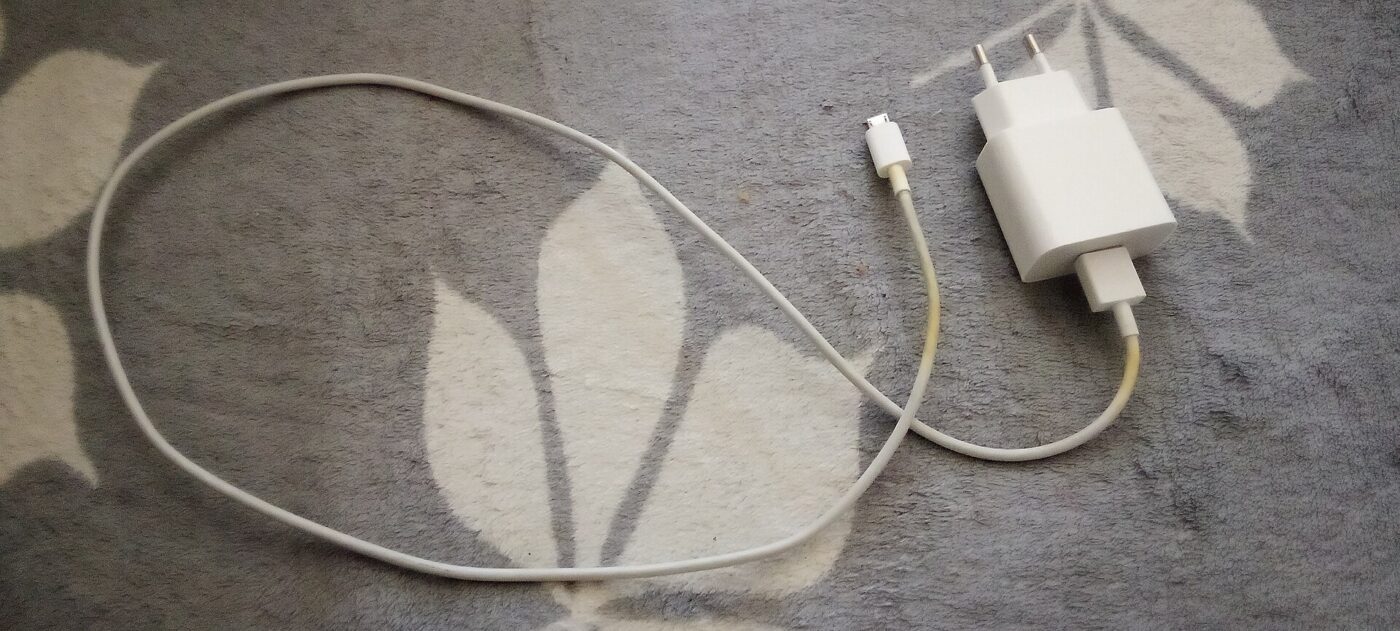
Six years ago the charger was a throwaway detail inside the box. It is now a separate purchase, a separate decision and, in one large market, a matter of law. Apple pulled the power adapter and EarPods from iPhone packaging in October 2020, saying the change would cut over 2 million metric tons of carbon emissions annually and let 70 percent more boxes ship on a pallet. Samsung, announcing the Galaxy S26 FE on August 27, 2026, notes in its own specifications that the phone supports up to 45W wired charging and that the 45W power adapter is sold separately.
The port stopped being a decision at the same time. Since December 28, 2024 the European Union has required USB-C charging on every category of handheld device the European Commission lists, and since April 28, 2026 on laptops. No US law says any of this, but hardware is designed once for a global market, so the American shopper inherits the connector and the empty box without the rule behind it.
Trend Signal
55/100 Steady momentum
- Emerging
- Rising
- Mainstream
- Peaking
- Cooling
Unbundled chargers are now the default, and the port is settled by law
EU rules have required USB-C charging on handheld devices from phones to keyboards, mice and earbuds since December 28, 2024 and on laptops since April 28, 2026, and Samsung lists the 45W adapter for the Galaxy S26 FE, announced August 27, 2026, as sold separately.
Our editorial reading of the cited data, not a forecast. How it is scored
By the numbers
- 240WMaximum power USB Power Delivery carries over a USB-C cable under the 3.1 revision of 2021USB Implementers Forum
- 13Device categories under the EU USB-C rule once laptops joined, our count of the listEuropean Commission
- 11,000 tonsYearly e-waste from discarded and unused chargers the EU rules are meant to cutEuropean Commission
- 45WAdapter Samsung lists as sold separately for the Galaxy S26 FE, announced August 27, 2026Samsung Newsroom
Why the box got lighter
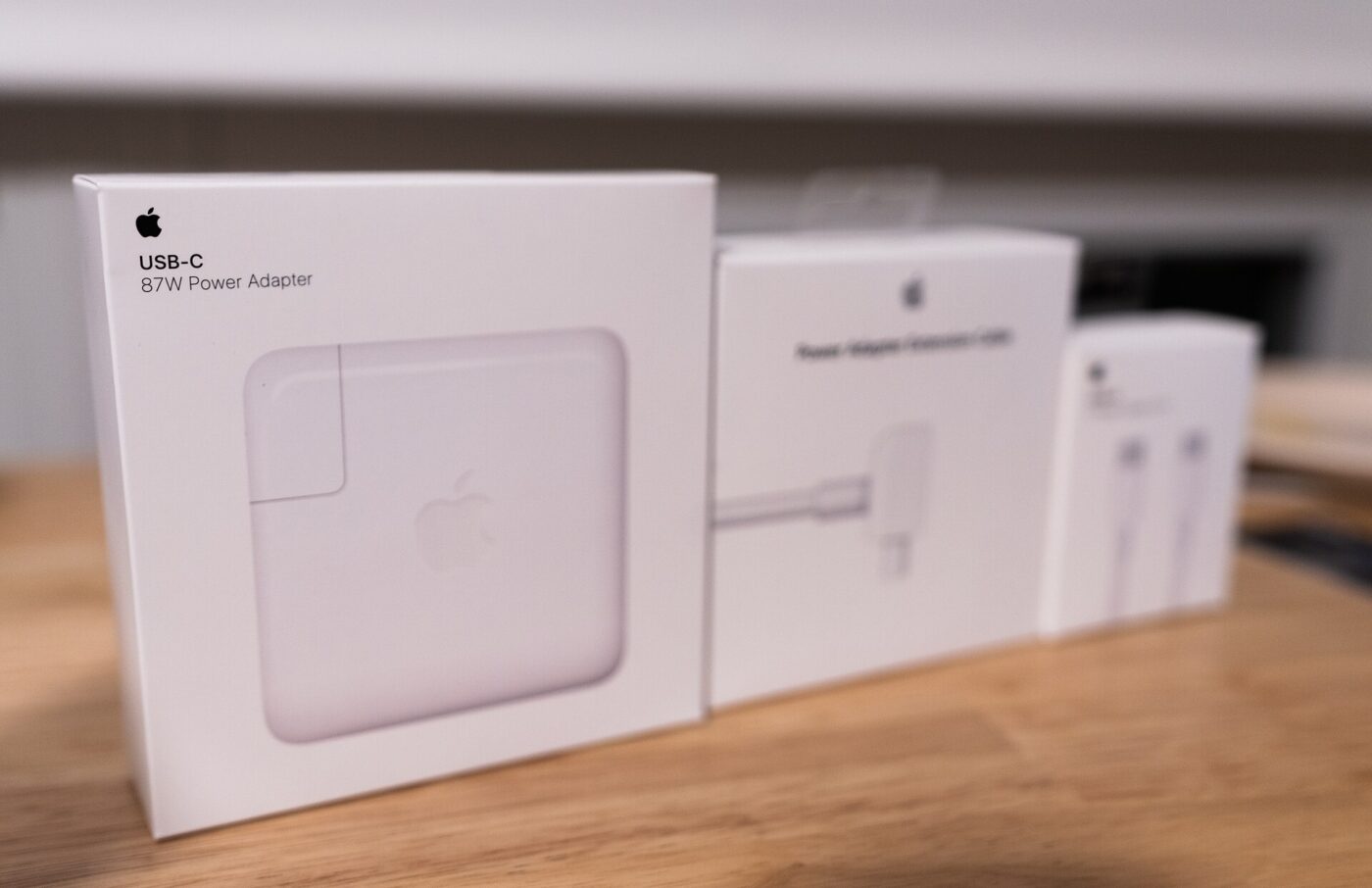
Apple made the first big move. Its October 13, 2020 announcement of the iPhone 12 said the company was “removing the power adapter and EarPods from iPhone packaging, further reducing carbon emissions and avoiding the mining and use of precious materials,” and that the smaller box allows 70 percent more boxes to be shipped on a pallet. Apple put the saving at over 2 million metric tons of carbon emissions annually, which it compared to taking nearly 450,000 cars off the road.
The practice spread to the accessories that make a phone fast. Samsung’s own Galaxy S26 FE specifications, published on August 27, 2026, say the phone supports up to 45W wired charging, that the 45W power adapter is sold separately, and that buyers should use only Samsung-approved chargers and cables. Google’s Pixel 11 announcement in August 2026 says the Pixel 11 Pro XL can get up to 15 hours of battery life in 15 minutes, a figure the company ties to wired charging with its 45W USB-C charger.
The adapter is now an accessory, and the charging speed printed on the box usually assumes you bought the right one.
What the EU charger rules actually require
The rules sit in Directive (EU) 2022/2380, which amended the Radio Equipment Directive, and they took effect on December 28, 2024 for handheld devices. The Commission lists the covered categories as mobile phones, tablets, digital cameras, headphones, headsets, videogame consoles, portable speakers, e-readers, keyboards, mice, portable navigation systems and earbuds, twelve groups by our count of that list. Laptops were given longer and came under the same requirement on April 28, 2026, which makes 2026 the year the rule reached the largest chargers in the house.
Three consumer-facing pieces sit inside the rule. USB-C is the required charging port. Fast charging has to be harmonized, so the Commission says charging speed is the same when using any compatible charger for a device rather than being held back for chargers from another brand. And producers must sell each covered device in a version without a charger, with a pictogram on the packaging showing whether one is included and a label carrying the power the device needs.
The stated reason is waste. The Commission puts discarded and unused chargers at about 11,000 metric tons of e-waste a year. None of it applies to a store in Ohio; what applies in Ohio is the hardware, because a manufacturer building a USB-C port and a no-charger package for Europe rarely builds a second version for everyone else.
| Device group | USB-C charging required in the EU from | Charger in the box |
|---|---|---|
| Phones, tablets, cameras, headphones, headsets, earbuds, speakers, e-readers, keyboards, mice, handheld consoles, navigation units | December 28, 2024 | A no-charger version must be offered |
| Laptops | April 28, 2026 | A no-charger version must be offered |
How to size a charger now

USB Power Delivery is the part of the standard that decides how much power actually flows. The USB Implementers Forum says the Revision 3.1 specification, announced in 2021, enables delivering up to 240W over a full-featured USB-C cable and connector, using new 28V, 36V and 48V fixed voltages that reach 140W, 180W and 240W respectively. Below that sits the older 100W ceiling that still covers most laptops and every phone.
For a household, the practical bands are narrow. A phone or tablet is served by something in the 30W to 45W range, which is where the manufacturer claims above are set. A thin laptop is usually a 65W device. A large laptop or a workstation is where 100W and above starts to matter, and only there do the higher-voltage cables and chargers earn their price. Buying a 240W charger for a phone buys nothing except a heavier brick.
The trap is the multi-port charger. A charger sold as 100W rarely delivers 100W to one port while three other things are plugged in; the total is shared, and the split is set by the charger, not by you. The number that matters is the wattage the listing quotes for the port you intend to use while everything else is connected.
- Check the wattage per port, not the headline total, and read the split for the combination you will actually use.
- Match the cable to the charger: the USB-IF says the top wattages need a full-featured USB-C cable and connector rated to carry them.
- Reusing an old 5W adapter still works, but it will charge a modern phone slowly.
What the unbundling costs a US household
There is no American version of the EU rule, and no federal requirement that a phone ship with or without an adapter. That leaves a market where the decision belongs entirely to manufacturers, and where the packaging saving is not passed back to the buyer in any way that can be traced on a receipt. The offsetting benefit is that one USB-C charger now covers a phone, a tablet, a pair of earbuds and, since April 2026 in Europe, most new laptops as well.
The counter-signal is that the rule only settles the wired port. Wireless charging, laptop barrel connectors above the EU threshold and proprietary accessories all sit outside it, and a device can carry a USB-C port while still charging fastest on something else. The label the EU requires is the honest check: it states the power the device needs, which is the only number worth matching.
One charger really does cover more devices now, but the wattage you need is set by the biggest device, not the newest one.
Who should buy a charger and who already has enough
If the adapters in your drawer came with phones bought since about 2021, you are probably fine for a phone and possibly for a tablet. The household that should buy is the one replacing a laptop, because that is the device whose charging moved most in 2026.
The household that should wait is the one with a working 65W charger and no new laptop on the horizon. The gains from moving to a newer, smaller unit are convenience and travel weight, not charging speed, and the standard is stable enough that nothing is likely to obsolete a good USB-C charger soon.
What to watch next
- Whether the charger pictogram and the power label the EU requires start appearing on US retail packaging, since keeping one global package costs nothing
- Whether laptop makers extend the USB-C charging they now build for Europe to every model sold in the US
Where to start
Paid links: we earn a commission if you buy through the buttons below, at no extra cost to you. As an Amazon Associate I earn from qualifying purchases.
USB-C charger types compared on what actually differs
| Product type | Good fit for | Where to look |
|---|---|---|
| Compact USB-C wall charger | Fits phones and tablets | See listings on AmazonOpens Amazon search results, not one listing: check the model on the product page. |
| Multi-port GaN charger | Fits a laptop and a phone together | See listings on AmazonOpens Amazon search results, not one listing: check the model on the product page. |
| High-power USB-C cable | Fits high-power laptops | See listings on AmazonOpens Amazon search results, not one listing: check the model on the product page. |
Product types that fit the trend described above, not tested models. Check the exact listing before you buy. How we pick them.
Compact USB-C wall charger
Where to look: Amazon
The replacement for the adapter that used to come in the box. The useful range for a phone or tablet sits between 30W and 45W, which is where the fast-charging claims on recent Samsung and Google phones are set.
- Small enough to leave in a bag
- Covers the phone speeds makers quote
- Not enough for most laptops
- Second port often halves the first
Multi-port GaN charger
Where to look: Amazon
Useful when one charger has to serve a thin laptop plus a phone. Read the per-port table on the listing rather than the headline number, because the split is fixed by the charger.
- One charger for a mixed-brand household
- Gallium nitride parts keep it small
- Shared wattage confuses buyers
- Heavier than a single-port unit
High-power USB-C cable
Where to look: Amazon
Only matters above the older 100W ceiling, which USB Power Delivery raised to 240W in its 3.1 revision. Below that a standard rated cable is enough.
- Carries the top USB PD wattages
- Cheapest link to get right
- Overkill for a phone
- Thicker and less flexible
More: Tech and Gadgets trends and how the Trend Signal is scored.
Sources
- Apple announces iPhone 12 and iPhone 12 mini — Apple
- EU common charger rules: power all your devices with a single charger — European Commission
- One common charging solution for all — European Commission
- USB Charger and USB Power Delivery — USB Implementers Forum
- Samsung Galaxy S26 FE announcement and specifications — Samsung Newsroom
- The Pixel 11 series — Google
Questions readers ask
Do new phones still come with a charger?
Often not. Apple removed the power adapter from iPhone packaging in October 2020, and Samsung’s Galaxy S26 FE specifications, published on August 27, 2026, say the 45W power adapter for that phone is sold separately. EU rules require sellers to offer a version of every covered device without a charger and to show on the packaging whether one is inside.
Is USB-C required by law in the United States?
No. The requirement is European, set by Directive (EU) 2022/2380. It has applied to the handheld device categories the European Commission lists, twelve groups by our count, since December 28, 2024, and to laptops since April 28, 2026. US buyers get the same ports because manufacturers build one design for a global market.
How many watts do I actually need?
Match the device. Recent fast-charging claims from Samsung and Google are quoted with 45W adapters, so a phone or tablet is well served in the 30W to 45W range. Thin laptops usually sit near 65W. USB Power Delivery allows up to 240W under its 3.1 revision announced in 2021, but only large laptops and workstations get near it.