A set of resistance bands is the least expensive way to start strength training at home, which is why the category is now enormous, crowded and almost entirely imported. It is also the only common piece of home gym equipment that stores energy while you use it. When a band fails, that energy goes somewhere, and the federal recall record shows where.
None of that makes bands a bad buy. It does mean the decision is narrower than the marketing suggests, and that the things worth checking on a listing are not the things listings lead with. Here is what the recall database, the price indexes and the July 2026 Section 301 duties say before you pick a set.
Trend Signal
52/100 Steady momentum
- Emerging
- Rising
- Mainstream
- Peaking
- Cooling
A commodity category, now sold mostly by small importers
We counted six Consumer Product Safety Commission recalls of exercise resistance bands or tubes in the agency’s recall database on September 24, 2026, running from March 2011 to May 2026; the 2026 entry covered about 700 units from one importer, against about 229,000 units in the 2011 recall by a national chain.
Our editorial reading of the cited data, not a forecast. How it is scored
By the numbers
- 207,500Fitness Gear resistance tubes recalled by DICK’S Sporting Goods in September 2017CPSC
- 95,000SPRI ultra heavy resistance bands recalled in October 2019 after 10 incident reportsCPSC
- +44.5%BLS producer price index for all other rubber product manufacturing, Dec 2019 to Aug 2026BLS via FRED
- 12.5%Upper Section 301 duty rate on goods of the 60 investigated economies from July 24, 2026Federal Register
What the recall record actually shows
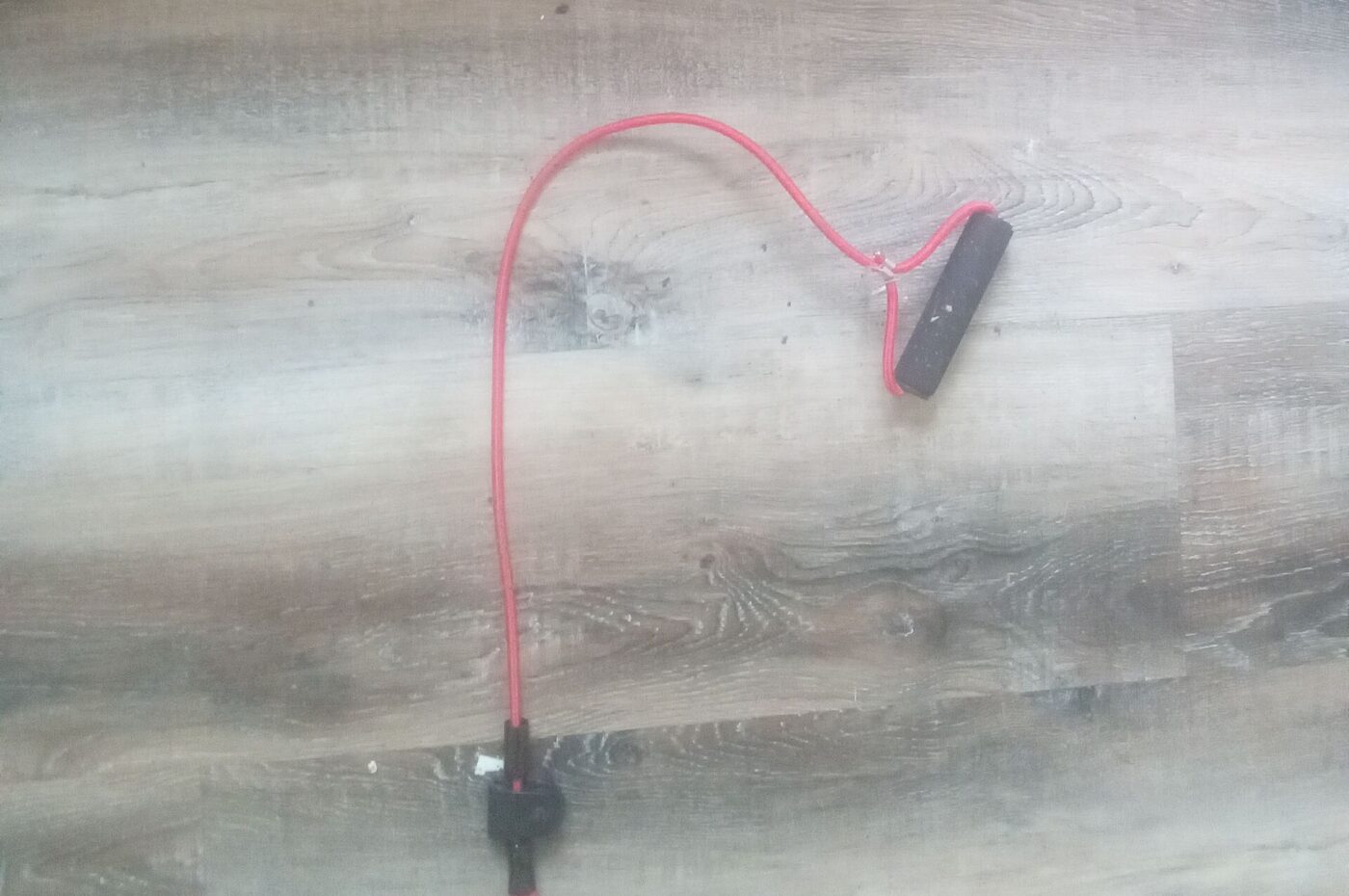
We searched the Consumer Product Safety Commission recall database for exercise resistance bands and tubes on September 24, 2026 and counted six entries, spread across 15 years. The first, in March 2011, covered about 229,000 Fitness Gear and Fitness After 40 resistance tubes sold by DICK’S Sporting Goods, after four reports of contusions, abrasions and lacerations: the plastic clip joining tube to handle could break and send the tubing, the handle or clip fragments at the user. In January 2013, Implus Footcare recalled about 75,600 Perfect Fitness bands sold at Walmart after 12 reported incidents in which the rubber tubes detached from their mesh cloth loops, including injuries to the back, hand and eye. In July 2014, Bollinger Fitness recalled about 60,000 U.S. bands because a plastic ball on the door anchor could release and strike the user.
The same chain was back in September 2017, recalling about 207,500 Fitness Gear resistance tubes sold for $15 to $80, after 12 reports of tubes breaking in use, two of which struck a consumer and one of which caused a fall. In October 2019, Fit for Life recalled about 95,000 SPRI ultra heavy bands sold at Walmart for around $10, after 10 incidents, six of which produced contusions, abrasions and lacerations.
Then the pattern changes. The entry from May 21, 2026 covers about 700 HomeProGym stackable latex bands sold for $40 to $296 on the company’s own site and Amazon, after five reports of a band separating from its handle and no reported injuries. The failure mode is the one from 2019. The distribution is not: a national chain recalling a quarter of a million units has been replaced by a small importer recalling a few hundred.
The hazard has never changed. What changed is that the sellers are now small enough that a recall covers hundreds of units instead of hundreds of thousands.
Where a band substitutes for a dumbbell, and where it does not
The mechanics decide most of the buying question. A dumbbell applies the same load through the whole range of a movement and gravity sets the direction. A band applies almost nothing at the slack end and the most at full stretch, and the direction depends on where it is anchored, which makes it easy to pull sideways or across the body because a door or a post replaces a cable machine.
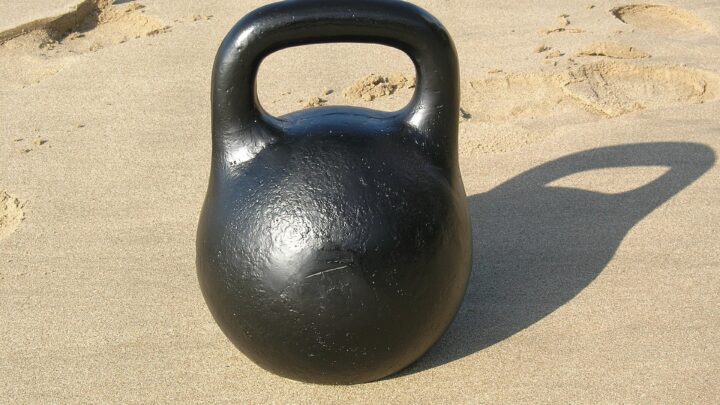
The flip side is that you cannot read the load. A dumbbell is stamped with a number; a band is a color and a pound rating at some unstated stretch, which is why two sets rated the same can feel nothing alike. We read that as an argument for owning both.
The band formats on sale in 2026
Four formats dominate, and the recall descriptions show how each fails. Tube sets with handles, the format in the 2011, 2017 and 2019 recalls, join a rubber tube to a plastic handle at a fitting, and that joint is the failure point. Stackable systems, the format in the 2026 recall, clip several tubes to one pair of handles through metal D-rings, multiplying both the load and the number of joints.
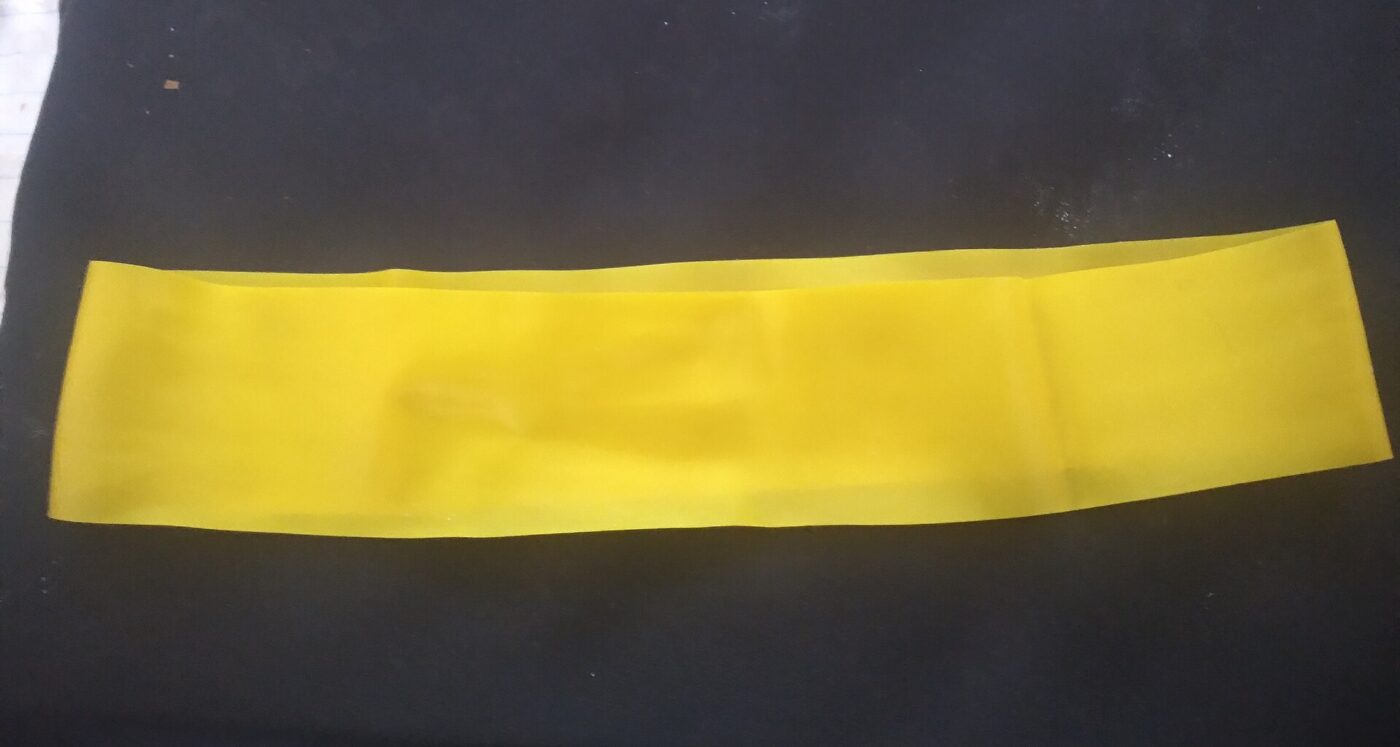
Flat latex loops have no hardware, so there is nothing to separate, but they abrade against the floor and against rings. Fabric loops sit at the low-tension end and give out by stretching. Door anchors turn any of them into a cable machine, and the 2014 recall was an anchor failure rather than a band failure. The more resistance a set advertises, the more the joint matters: the 2026 recall covered only the 60-pound and 70-pound bands in each set.
- Tube with handles — check whether the tube is bonded, clamped or knotted into the fitting
- Stackable system — check the D-ring rating, not just the claimed total resistance
- Flat latex loop — check the width and the length, since tension depends on both
- Fabric loop — check the seam stitching, which is where these give out
- Door anchor — check the ball or foam size against the gap at the top of your door
What is happening to the price of rubber
There is no published price index for resistance bands, so the closest read is the BLS producer price index for all other rubber product manufacturing. It stood at 217.0 in December 2019 and 313.6 in August 2026, a rise of 44.5%. Most of that came in one burst between 2020 and 2022, but the index has resumed climbing: it is up 6.2% from December 2025 through August 2026 alone.
Imports carry a second cost. The U.S. Trade Representative published a notice on July 28, 2026, acting under sections 301 and 304 of the Trade Act of 1974, imposing duties on all products of 60 investigated economies, at 10% for economies with a forced labor import prohibition or a commitment to one and 12.5% for the rest, with exemptions listed in the annexes, applying to goods entered for consumption from 12:01 a.m. eastern time on July 24, 2026. At the shelf a duty charged on customs value tends to show up as narrower discounting rather than sticker shock.
| Month | Rubber products PPI | Change vs Dec 2019 |
|---|---|---|
| December 2019 | 217.0 | — |
| December 2021 | 250.4 | +15.4% |
| December 2023 | 282.1 | +30.0% |
| December 2025 | 295.3 | +36.1% |
| August 2026 | 313.6 | +44.5% |
Who should buy bands, and who should buy weights
Buy bands first if you have no floor space, travel often, or want pulling and rotational movements a dumbbell pair cannot do. Pick the set with the fewest joints you can live with, inspect the band where it enters the handle before each session, and keep your face out of its line. The CPSC notices describe variations on one sequence: the tube breaks or lets go of its handle, and something travels back toward the user.
Buy weights first if your goal is a number that goes up, since a stamped load is easier to program around than a color. If you are replacing a set you already own, check the CPSC database against the brand before reordering; five of the six recalls involved products sold at national retailers. There is nothing to wait for on price, and the newest sellers are the smallest, where a recall notice is hardest to spot.
What to watch next
- New CPSC recall entries under resistance bands, where separation failures surface first
- The monthly BLS rubber products price index, for whether the 2026 climb continues
- Whether the Section 301 exemption annexes are widened to cover more rubber goods
Where to start
Paid links: we earn a commission if you buy through the buttons below, at no extra cost to you. As an Amazon Associate I earn from qualifying purchases.
Resistance band formats compared on the things that differ
| Product type | Good fit for | Where to look |
|---|---|---|
| Resistance tube set with handles | Fits full-body pulling work | See listings on AmazonOpens Amazon search results, not one listing: check the model on the product page. |
| Fabric loop resistance bands | Fits hip and leg work | See listings on AmazonOpens Amazon search results, not one listing: check the model on the product page. |
| Door anchor for resistance bands | Fits anchoring at a door | See listings on AmazonOpens Amazon search results, not one listing: check the model on the product page. |
Product types that fit the trend described above, not tested models. Check the exact listing before you buy. How we pick them.
Resistance tube set with handles
Where to look: Amazon
The format in four of the six CPSC recalls, which is a reason to read the construction rather than avoid it. Look for a clamped or bonded tube-to-handle joint.
- Covers rows and presses
- Packs into a bag
- Handle joint is the failure point
- Resistance rating is not standardized
Fabric loop resistance bands
Where to look: Amazon
Woven loops sit at the light end and give out by stretching rather than snapping, which is why they suit lower-body work done on the floor.
- No hardware to separate
- Does not roll up on the leg
- Low ceiling on resistance
- Seams stretch out over time
Door anchor for resistance bands
Where to look: Amazon
The 2014 Bollinger recall was an anchor failure, not a band failure. Check the anchor separately and replace it once the foam or webbing shows wear.
- Turns one band into many angles
- Cheap to replace
- Anchor failures are their own hazard
- Needs a door that opens away from you
More: Fitness and Training trends and how the Trend Signal is scored.
Sources
- Resistance Bands Recalled Due to Serious Injury from Impact Hazard; Imported by HomeProGym — CPSC
- DICK’S Sporting Goods Recalls Resistance Tubes Due to Injury Hazard — CPSC
- Dick’s Sporting Goods Recalls Fitness Resistance Tubes Due to Contusion and Laceration Hazards — CPSC
- Fit For Life Recalls SPRI Ultra Heavy Resistance Bands Due to Injury Hazard — CPSC
- Bollinger Fitness Recalls Resistance Bands Due to Injury Hazard — CPSC
- Implus Footcare Recalls Perfect Fitness Resistance Bands Due To Injury Hazard — CPSC
- Producer Price Index by Industry: All Other Rubber Product Manufacturing — BLS via FRED
- Notice of Actions in Section 301 Investigations of Various Economies Related to Forced Labor — Office of the U.S. Trade Representative
Questions readers ask
Are resistance bands as good as free weights?
They are not interchangeable. A dumbbell applies a constant load through the range of a movement, while a band applies the least at the slack end and the most at full stretch, and the direction depends on where it is anchored. Bands suit pulling and rotational movements at home; weights give you a stamped load you can track.
How often are resistance bands recalled?
We counted six in the CPSC recall database on September 24, 2026: DICK’S Sporting Goods in March 2011 (about 229,000 units), Implus Footcare in January 2013 (about 75,600), Bollinger Fitness in July 2014 (about 60,000 U.S. units), DICK’S again in September 2017 (about 207,500), Fit for Life in October 2019 (about 95,000) and HomeProGym in May 2026 (about 700).
Why do resistance bands fail where they do?
In four of the six CPSC recalls the tube broke or separated from its handle; one covered bands detaching from mesh cloth loops, and one a plastic ball on a door anchor releasing. The joint between rubber and hardware is the stress point.
Are band prices going up in 2026?
The inputs are. The BLS producer price index for all other rubber product manufacturing rose 6.2% between December 2025 and August 2026 and is 44.5% above its December 2019 level. Section 301 duties of 10% or 12.5% on goods of 60 economies also took effect on July 24, 2026.