A smart home is a collection of devices that are never off. The hub listens, the cameras watch, the speakers wait for a wake word and the router feeds all of them. The price of the fuel has moved: the US city average price of electricity was 19.6 cents per kilowatt-hour in August 2026, against 19.0 cents a year earlier and 14.4 cents in August 2021, on the Bureau of Labor Statistics average price series.
The answer to whether any of it is worth worrying about splits cleanly. Most individual smart devices cost a few dollars a year to keep alive. The equipment that moves your data is a different order of magnitude, and it is the part that has been getting hungrier rather than leaner.
Trend Signal
58/100 Steady momentum
- Emerging
- Rising
- Mainstream
- Peaking
- Cooling
Always-on gear draws more while the price per kilowatt-hour keeps climbing
The weighted average power of new home routers, access points and extenders rose 15% in 2024 to 8.45 watts, while the US city average price of electricity reached 19.6 cents per kilowatt-hour in August 2026, up from 14.4 cents in August 2021.
Our editorial reading of the cited data, not a forecast. How it is scored
By the numbers
- 19.6 centsUS city average price of electricity per kilowatt-hour, August 2026BLS via FRED
- +36%Rise in that average price between August 2021 and August 2026BLS via FRED
- 8.45 WWeighted average power of new home routers, access points and extenders in 2024Small Network Equipment Voluntary Agreement
- 5% to 10%Share of residential energy use the Department of Energy attributes to standby powerU.S. Department of Energy
What a kilowatt-hour costs now
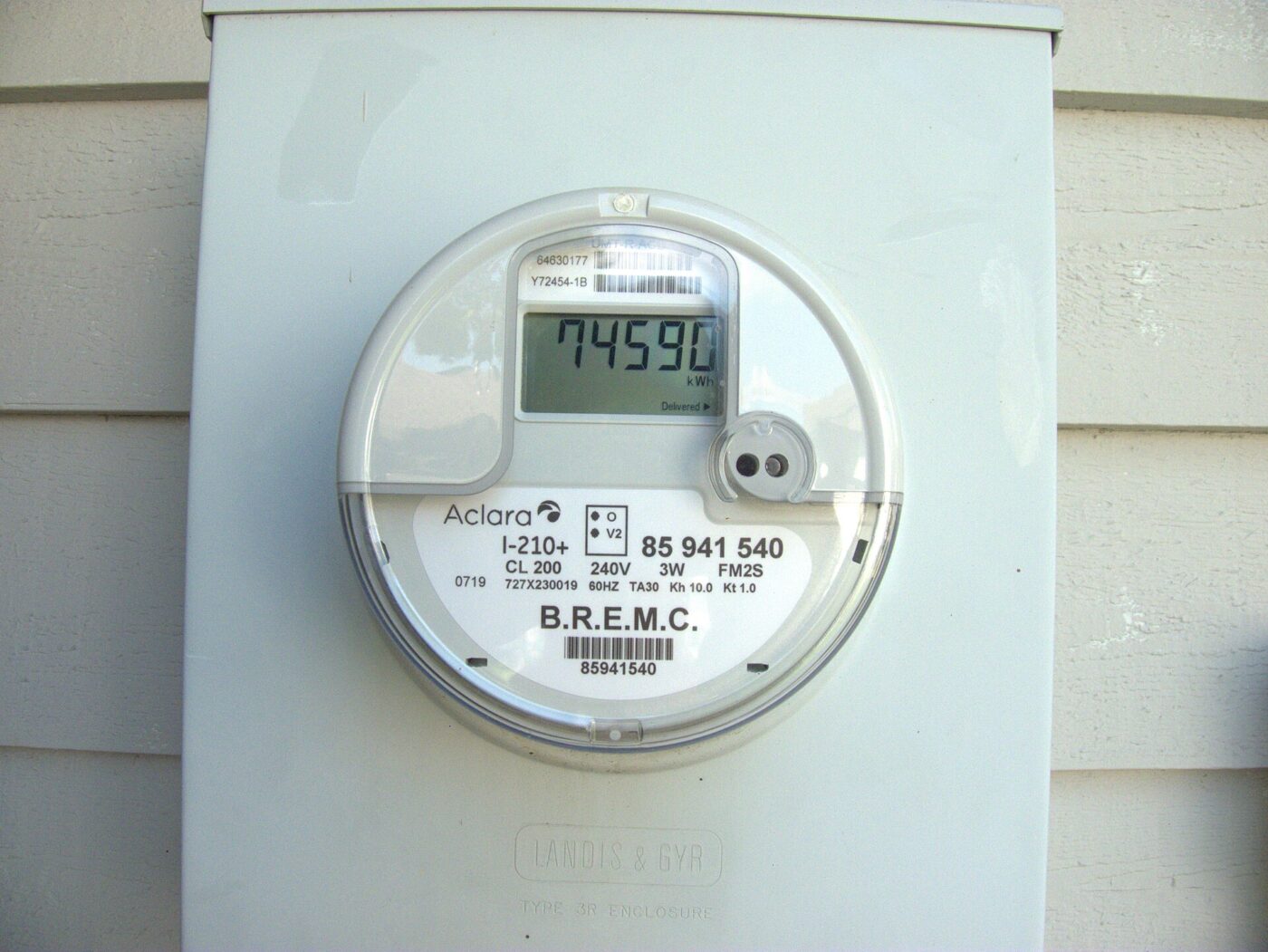
The Bureau of Labor Statistics collects an average price for electricity alongside the Consumer Price Index, and it is the cleanest single number for this arithmetic. It reached 19.6 cents per kilowatt-hour in August 2026. In August 2025 it was 19.0 cents, in August 2024 it was 17.7 cents, and in August 2021 it was 14.4 cents, a rise of about 36% over five years.
The Energy Information Administration has been signaling the direction. In a May 2025 analysis it noted that utilities have increased capital spending to replace or upgrade aging generation and delivery infrastructure, that distribution spending has passed spending on transmission and generation, and that it expected electricity prices to outpace inflation through 2026, in contrast with the 2013 to 2023 period when prices closely tracked inflation.
The useful conversion is simple. One watt drawn continuously for a year is 8.76 kilowatt-hours. At 19.6 cents, that is about $1.72 a year per watt, and every figure below is that multiplication.
One watt left on all year costs roughly $1.72 at the August 2026 average price.
Where the watts actually are
The most detailed public measurements of home networking power come from the Voluntary Agreement for Ongoing Improvement to the Energy Efficiency of Small Network Equipment, overseen by an independent administrator, D plus R International, and signed by broadband providers and equipment makers. Its 2024 annual report, published in August 2025, covers 25,096,402 units from signatories whose service providers served about 91.3 million US residential internet subscribers.
The headline for shoppers is that the gear is getting hungrier in absolute terms. Weighted average power across all reported small network equipment rose 7% from 2023 to 2024, driven by a 15% rise for local network equipment, the category covering routers, wireless access points, switches and network extenders. The report attributes that to the power needed for faster broadband and stronger Wi-Fi: technologies such as Wi-Fi 7, faster wide-area connections, more radios, more antennas and more spatial streams.
Measured against capability the trend reverses. The same report calculates that weighted average power relative to broadband speed delivered has fallen 89% since 2015, and 98.6% of units reported in 2024 met the agreement’s Tier 3 efficiency levels, with stricter Tier 4 allowances taking over from 2026. Both are true: each megabit is far cheaper in watts, and the box on your shelf still draws more than the one it replaced.
| Device | Average power | Electricity per year | Cost per year |
|---|---|---|---|
| Gateway, modem and router in one | 14.69 W | 129 kWh | about $25 |
| Standalone broadband modem | 9.33 W | 82 kWh | about $16 |
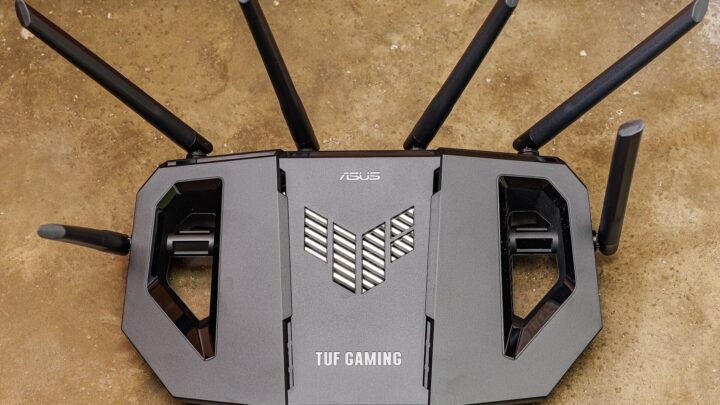
| Router, access point or extender | 8.45 W | 74 kWh | about $15 |
| ENERGY STAR base power allowance, router | 3.1 W | 27 kWh | about $5 |
The part of the bill you can actually change
The Department of Energy puts standby power at 5% to 10% of residential energy use and says it could cost the average US household as much as $100 a year. That covers everything drawing power while apparently doing nothing, not smart home gear alone, but it sets the scale and explains why savings come from clusters rather than individual gadgets.
Two clusters are worth a look. A mesh system is several of the units in the table above, so three nodes at the 2024 average is about 25 watts and roughly $44 a year. And if your provider rents you a gateway while you also run your own router, you are paying for two radios and two power supplies to do one job.
The other is the entertainment stack. The same voluntary agreement structure covers set-top boxes separately, and the Consumer Technology Association reported on October 1, 2025 that the national energy footprint of set-top boxes had fallen from 32 terawatt-hours in 2012 to 8.6 terawatt-hours in 2024, and that consumers spent $3.85 billion less on utility bills in 2024 as a result. Those savings came from redesign, not from unplugging.
What is not worth metering
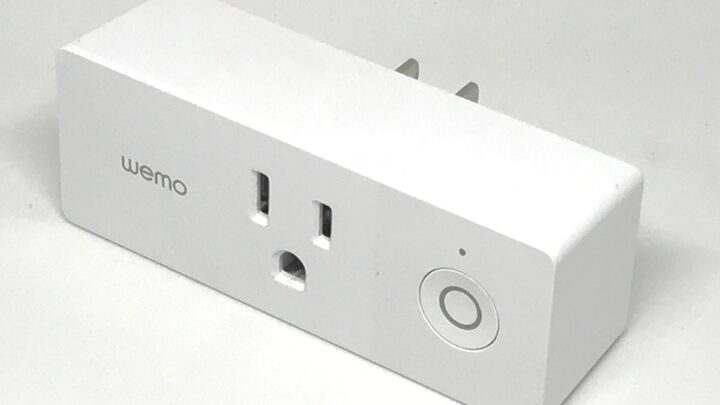
A smart plug, a contact sensor, a Thread button or a leak sensor is not where your money goes. At $1.72 per watt-year, a device idling at half a watt costs under a dollar a year. Battery sensors cost nothing at the outlet and a set of cells every year or two instead. Cameras and speakers sit in between: a 4 watt camera is about $7 a year, which should decide whether you own six of them rather than whether you own one.
One counter-signal is worth naming. There is no current shopping label for most of this. Version 1.0 of the ENERGY STAR small network equipment specification, which set base power allowances of 3.1 watts for a router, 5.7 for a cable broadband modem and 2.0 for an access point, took effect on September 3, 2013, long before Wi-Fi 6 and Wi-Fi 7 existed. Treat it as a floor for what good used to look like.
Who should do the arithmetic
If you pay a flat rate near the national average and run one gateway, a hub and a handful of sensors, this is a $30 to $60 a year question and not worth rearranging a house over. Buy for coverage and reliability.
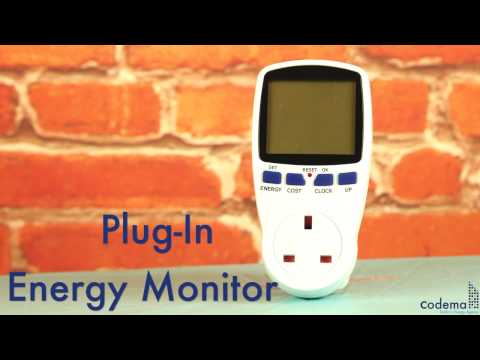
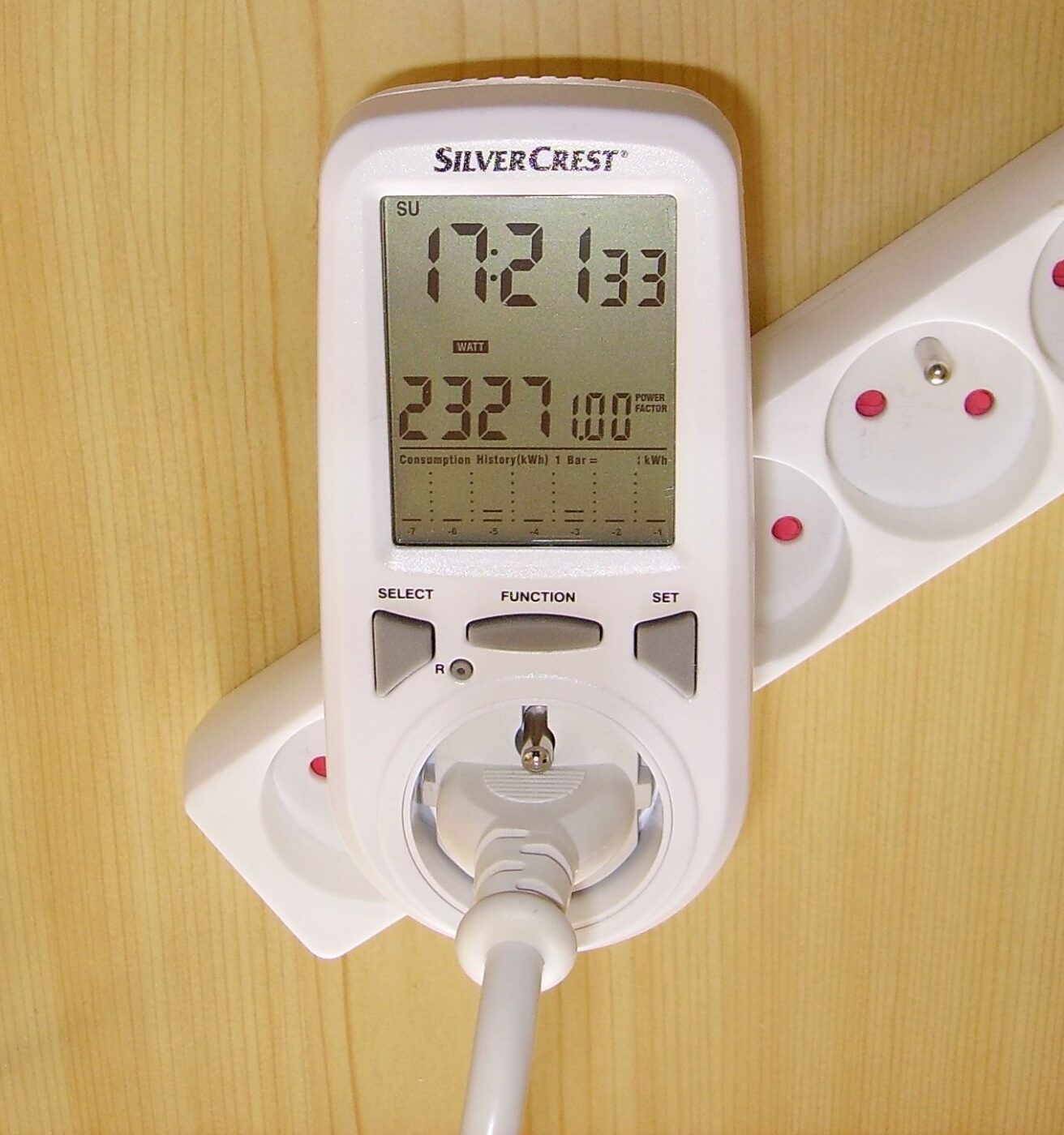
If you are on a time-of-use tariff, run several mesh nodes, or keep a rack of always-on equipment in a closet, it is worth measuring. That is what a plug-in meter or a metering smart plug is for: leave it on one outlet for a week, read the accumulated kilowatt-hours, and multiply by your own rate from the bill rather than the national average. And if you rent a gateway while running your own router behind it, price the equipment fee and the second power draw together.
What to watch next
- The next BLS average price release for electricity, which is the number every calculation here is multiplied by.
- The 2025 edition of the Small Network Equipment Voluntary Agreement report, and whether Tier 4 allowances pull average router power back down.
- Whether router makers start publishing idle power on the box now that Wi-Fi 7 hardware has pushed the average up.
Where to start
Paid links: we earn a commission if you buy through the buttons below, at no extra cost to you. As an Amazon Associate I earn from qualifying purchases.
Ways to measure and cut always-on draw
| Product type | Good fit for | Where to look |
|---|---|---|
| Smart plug with energy monitoring | Fits devices you want to schedule | See listings on AmazonOpens Amazon search results, not one listing: check the model on the product page. |
| Plug-in electricity usage meter | Fits a one-time audit of one outlet | See listings on AmazonOpens Amazon search results, not one listing: check the model on the product page. |
| Smart power strip with switched outlets | Fits a desk or media cluster | See listings on AmazonOpens Amazon search results, not one listing: check the model on the product page. |
Product types that fit the trend described above, not tested models. Check the exact listing before you buy. How we pick them.
Smart plug with energy monitoring
Where to look: Amazon
The practical way to find out what a media cabinet really uses. Look for kilowatt-hour totals rather than a live watts reading alone, because the totals turn into money.
- Measures and controls in one device
- Reports over time in an app
- Adds its own small idle draw
- Accuracy varies at very low watts
Plug-in electricity usage meter
Where to look: Amazon
A dumb meter is often the better tool here: plug it in, leave it a week, note the kilowatt-hours. Check that it keeps the running total through a power cut.
- No app or account needed
- Moves from outlet to outlet
- Only one outlet at a time
- No remote reading
Smart power strip with switched outlets
Where to look: Amazon
Useful where several things idle together and none needs to answer overnight. Read which outlets are switchable and which are permanently live first.
- Kills several idle loads at once
- Keeps one outlet always on for the hub
- Not everything tolerates being cut
- Surge rating varies widely
More: Smart Home trends and how the Trend Signal is scored.
Sources
- Average Price: Electricity per Kilowatt-Hour in U.S. City Average — U.S. Bureau of Labor Statistics via FRED
- 2024 Annual Report, Voluntary Agreement for the Energy Efficiency of Small Network Equipment — D plus R International
- U.S. Voluntary Agreements Deliver Continued Energy-Efficiency Improvements — Consumer Technology Association
- Three Easy Tips to Reduce Your Standby Power Loads — U.S. Department of Energy
- ENERGY STAR Program Requirements for Small Network Equipment, Version 1.0 — U.S. Environmental Protection Agency
- U.S. electricity prices continue steady increase — U.S. Energy Information Administration
Questions readers ask
How much does one watt cost to leave on for a year?
One watt drawn continuously is 8.76 kilowatt-hours over a year. At the August 2026 US city average of 19.6 cents per kilowatt-hour reported by BLS, that is about $1.72.
How much electricity does a Wi-Fi router use?
The 2024 report for the Small Network Equipment Voluntary Agreement puts the weighted average power of new local network equipment, covering routers, access points, switches and extenders, at 8.45 watts, and combined modem-router gateways at 14.69 watts. That is roughly 74 and 129 kilowatt-hours a year.
Do smart plugs waste electricity?
Very little individually. A plug idling at half a watt costs under a dollar a year at the August 2026 average price. The Department of Energy frames standby power as a household-level issue, at 5% to 10% of residential energy use and as much as $100 a year, which is a sum of many devices.
Is networking equipment getting more efficient or less?
Both, depending on the measure. The 2024 voluntary agreement report found weighted average power rose 7% from 2023 to 2024 in absolute terms, while power relative to the broadband speed delivered has fallen 89% since 2015.