For about two years, sports gear got cheaper. The Bureau of Labor Statistics (BLS) consumer price index for sporting goods peaked at 128.931 in February 2023 and slid to 119.082 by March 2025, a 7.6% drop by our calculation, while overall consumer prices kept rising. That slide is over. By August 2026 the index was back at 128.897, 5.3% above August 2025, compared with a 3.4% rise in the all-items index.
Shoppers have noticed. In a survey released by the Sports & Fitness Industry Association (SFIA) in August 2026, three in ten participants said their sports costs were higher than a year earlier, and a quarter of those cited tariffs on sports equipment. Here is the price trail by category, what gear makers report about tariffs and pricing, and how to buy.
Trend Signal
70/100 Strong momentum
- Emerging
- Rising
- Mainstream
- Peaking
- Cooling
Up 5.3% in a year after falling from early 2023 to early 2025
The BLS sporting goods index rose 5.3% from August 2025 to August 2026, against 3.4% for all items, after falling 7.6% between February 2023 and March 2025.
Our editorial reading of the cited data, not a forecast. How it is scored
By the numbers
- +5.3%BLS sporting goods prices, August 2026 vs August 2025 (all items: +3.4%)BLS
- +6.8%BLS sports vehicles including bicycles index, August 2026 vs August 2025BLS
- 30.2%Sports participants reporting higher costs than a year earlier, SFIA mid-2026 surveySFIA
- $38MAcushnet’s Q2 2026 adjusted EBITDA benefit from IEEPA tariff refunds, netAcushnet via SEC
The slide, then the turn
By our calculation from published BLS index values, the sporting goods index fell on a 12-month basis in August 2023, August 2024 and August 2025, by 1.2%, 1.9% and 1.3%. Over the same years the all-items index rose 3.7%, 2.5% and 2.9%. The low came in March 2025 at 119.082, 7.6% below the February 2023 peak of 128.931, the highest reading in a series BLS publishes back to 1977.
Then prices turned. The 12-month change in sporting goods was 0.7% in January 2026, 3.8% in February and 5.3% in August. From the March 2025 low to August 2026, the index rose 8.2%, against 4.7% for all items. At 128.897 in August 2026, it sat 0.03% below its February 2023 peak.
The longer view is gentler. From August 2020 to August 2026, sporting goods prices rose 12.4% while the all-items index rose 28.9%, so gear is still cheaper relative to everything else than it was six years earlier. What changed in 2026 is the direction.
| 12 months to August | Sporting goods | Sports vehicles incl. bicycles | Sports equipment | All items |
|---|---|---|---|---|
| 2023 | –1.2% | –0.7% | –1.9% | +3.7% |
| 2024 | –1.9% | –2.3% | –1.4% | +2.5% |
| 2025 | –1.3% | –1.7% | –0.8% | +2.9% |
| 2026 | +5.3% | +6.8% | +3.5% | +3.4% |
Sporting goods went from a two-year decline to rising faster than overall inflation within 18 months.
Bikes and sports vehicles lead the climb
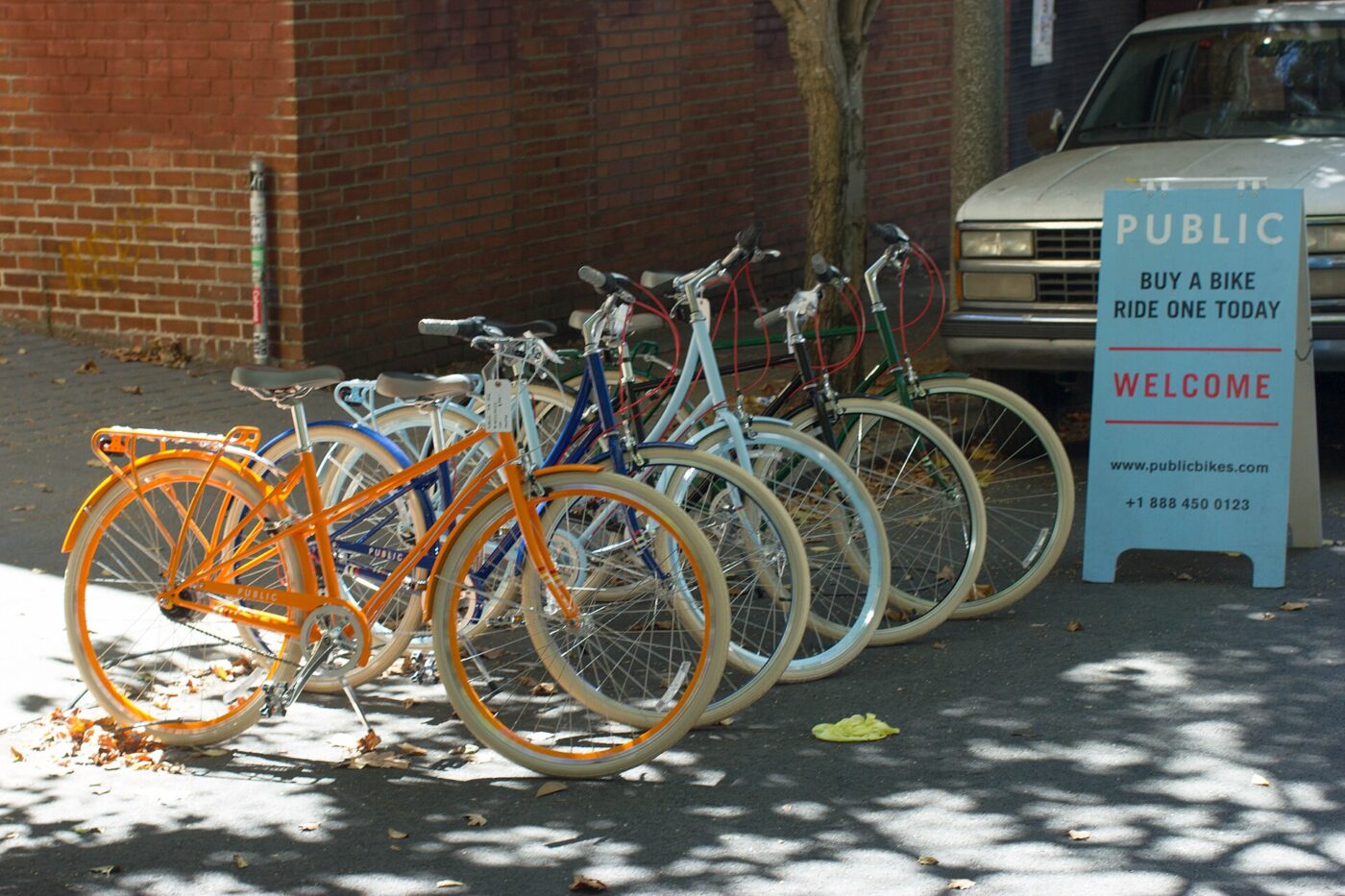
The steepest increase is in the BLS index for sports vehicles including bicycles. It reached 180.417 in August 2026, the highest monthly reading in BLS data going back to 1978. That is 6.8% above August 2025 and 12.3% above its March 2025 low of 160.590. The category covers bicycles along with other sports vehicles, so it is a broad signal rather than a bike-only price, but it had fallen on a 12-month basis in each August from 2023 through 2025.
The broader BLS sports equipment index rose less. It stood at 86.510 in August 2026, 3.5% above a year earlier and 4.5% above its April 2025 low of 82.778, but still below the 88.169 it reached in October 2022.
Demand was growing going into the price turn. SFIA reported that U.S. wholesale sporting goods sales reached $130 billion in 2025, up 3.7%, with pickleball up 22%, baseball and softball up 7.9% and team uniforms up 5.4%. Those are 2025 sales figures, not prices, from a year in which the sporting goods index sat below its year-earlier level in most months, but we read steady demand as one reason the 2026 price increases have stuck.
Tariffs, refunds and what gear makers say

SFIA’s mid-year survey, released August 20, 2026, found that 30.2% of participants reported higher participation costs than a year earlier, citing inflation, higher facility or membership fees, sports equipment and tariffs. One in four of those people pointed to tariffs on sports equipment. More than a quarter of all participants, 26.9%, said out-of-pocket costs had affected how they take part.
Company reports show the other side. Escalade, which makes Onix pickleball gear along with table tennis, basketball and archery equipment, said on July 30, 2026 that its second-quarter net sales rose 6.2% to $57.7 million and included a one-time, pre-tax benefit of about $10.2 million from recovering tariff costs paid in earlier quarters. It said it expects to use some of the refunds to offset higher costs from freight rates, commodity inflation and additional new tariffs.
Acushnet, the maker of Titleist and FootJoy, reported on August 6, 2026 that second-quarter net sales rose 13.8% to $820.0 million. Titleist golf ball sales rose 4.5%, helped by higher average selling prices, and adjusted EBITDA included about $38 million of benefit from refunds of tariffs paid under the International Emergency Economic Powers Act (IEEPA), net of incentive compensation. Neither company said the refunds would lower shelf prices, and we read them as margin relief rather than a coming price cut.
Buy now or wait?
The data give no reason to wait for a drop. The sporting goods index has been above its year-earlier level in every published month of 2026, and the gap was wider in August, at 5.3%, than in January, at 0.7%. Escalade points to new tariffs and higher freight and commodity costs, and SFIA warns of a significant burden from current and forthcoming tariffs.
The better levers are what you buy and how long it lasts. Since the vehicle category is rising fastest, keeping a bike in good repair is cheaper than replacing it. Golfers who lose a lot of balls can compare recycled balls against new ones on cost per ball. Team-sports families can check league equipment rules before the season, so they buy only what is required.
- Compare unit prices across pack sizes for consumables such as balls
- Maintain gear you already own before replacing it, especially bikes
- Check league and school rules before buying team equipment
What to watch next
- The monthly BLS CPI release for the sporting goods index, and whether it passes its February 2023 peak of 128.931.
- Third-quarter 2026 results from Acushnet and Escalade, for any change in pricing or in how tariff refunds are used.
- SFIA’s next participation report, for whether the share of people reporting higher costs rises above 30.2%.
Where to start
Paid links: we earn a commission if you buy through the buttons below, at no extra cost to you. As an Amazon Associate I earn from qualifying purchases.
Ways to stretch a sports budget
| Product type | Good fit for | Where to look |
|---|---|---|
| Bicycle maintenance tool kit | Fits riders who do their own tune-ups | See listings on AmazonOpens Amazon search results, not one listing: check the model on the product page. |
| Recycled golf balls | Fits golfers who lose a lot of balls | See listings on AmazonOpens Amazon search results, not one listing: check the model on the product page. |
| Ball pump with pressure gauge | Fits team-sports households | See listings on AmazonOpens Amazon search results, not one listing: check the model on the product page. |
Product types that fit the trend described above, not tested models. Check the exact listing before you buy. How we pick them.
Bicycle maintenance tool kit
Where to look: Amazon
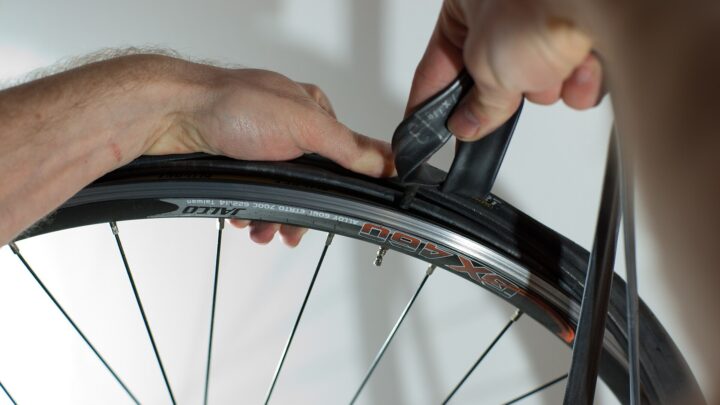
The BLS category that includes bicycles rose 6.8% in the year to August 2026. Basic tools for routine adjustments and flats help keep an existing bike in service.
- Covers routine adjustments at home
- One purchase for years
- Some jobs still need a shop
- Kits vary in tool quality
Recycled golf balls
Where to look: Amazon
Acushnet reported higher average selling prices for golf balls in the second quarter of 2026. If you lose several balls a round, recycled balls are a way to cut the cost per ball.
- Lower cost per ball than new
- Mixed and single-model packs
- Grades vary by seller
- Condition is not uniform
Ball pump with pressure gauge
Where to look: Amazon
A gauge lets you inflate each ball to the pressure printed on it. One pump serves soccer, basketball and volleyball balls in the same house.
- Inflate to the pressure printed on the ball
- Works across sports
- Needles break and get lost
- Gauge accuracy varies
More: Sports and Recreation trends and how the Trend Signal is scored.
Sources
- Sporting goods in U.S. city average, CPI-U — Bureau of Labor Statistics
- Sports vehicles including bicycles in U.S. city average, CPI-U — Bureau of Labor Statistics
- Sports equipment in U.S. city average, CPI-U — Bureau of Labor Statistics
- All items in U.S. city average, CPI-U — Bureau of Labor Statistics
- U.S. Sports and Fitness Participation Reaches Record High, New SFIA Mid-Year Data Shows — SFIA
- SFIA Releases the 2026 Manufacturers’ Sales by Category Report — SFIA
- Escalade Reports Second Quarter 2026 Results — PR Newswire
- Acushnet Holdings Corp. second quarter 2026 results, Exhibit 99.1 — Acushnet via SEC
Questions readers ask
Why is sports equipment so expensive in 2026?
The BLS sporting goods index rose 5.3% from August 2025 to August 2026. In SFIA’s mid-2026 survey, people facing higher costs cited inflation, facility fees, equipment prices and tariffs, and Escalade cites new tariffs, freight rates and commodity inflation.
Are bike prices going up?
The BLS index for sports vehicles including bicycles rose 6.8% in the year to August 2026 and reached its highest reading in BLS data going back to 1978. It covers other sports vehicles as well as bicycles.
Will tariff refunds lower sporting goods prices?
The data show no sign of it. In the second quarter of 2026, Acushnet reported an adjusted EBITDA benefit of about $38 million from IEEPA tariff refunds, net of incentive compensation, and Escalade about $10.2 million in recovered tariff costs, and Escalade said it expects to use some refunds to offset higher freight, commodity and new tariff costs.
Have sporting goods prices risen more than inflation?
Over the year to August 2026, yes: 5.3% against 3.4% for all items. Over six years, no: from August 2020 to August 2026 sporting goods rose 12.4% while all items rose 28.9%.