For a small online seller, USPS Ground Advantage has been the default way to ship a pair of earrings, a T-shirt or a phone case. In 2026 that default got more expensive three times. The January change was a conventional across-the-board increase, and a temporary 8% increase followed in April. The July change was structural: it rewrote how USPS charges for parcels under a pound and for boxes over one cubic foot, which is where many side-business shipments sit.
This Price Trail lays out the sequence, the dollar effect on sub-pound parcels, the new box-size math in a worked example, and what UPS and FedEx did in the same window.
Trend Signal
78/100 Strong momentum
- Emerging
- Rising
- Mainstream
- Peaking
- Cooling
Three USPS price moves in six months, and the July one changed the pricing rules
USPS raised Ground Advantage prices 7.8% on January 18, 2026, added a temporary 8% increase from April 26, then on July 12 dropped the sub-pound weight steps for published Commercial prices, which its filing put at an 11.8% average increase, and cut its dimensional divisor from 166 to 139.
Our editorial reading of the cited data, not a forecast. How it is scored
By the numbers
- 7.8%USPS Ground Advantage price increase effective January 18, 2026USPS
- 11.8%Average increase for published Ground Advantage Commercial from the July 12, 2026 changeSupply Chain Dive, citing a USPS filing
- 139USPS dimensional-weight divisor for parcels over one cubic foot, from July 12, 2026Federal Register
- +$2.04Increase on a 4-ounce Ground Advantage Commercial parcel to zones 8 and 9, July 2026Supply Chain Dive
Three price moves in six months
The first move came on January 18, 2026. In a filing made November 14, 2025, USPS raised Ground Advantage prices 7.8%, Priority Mail 6.6%, Priority Mail Express 5.1% and Parcel Select 6.0%. The Postal Service noted that mailing prices follow the consumer price index, while shipping prices “are primarily adjusted according to market conditions.” The Forever stamp was left alone in January.
A temporary increase followed. From April 26, 2026 until a scheduled end on January 17, USPS added 8% to Priority Mail Express, Priority Mail, Ground Advantage and Parcel Select prices, citing higher transportation and fuel costs, Supply Chain Dive reported.
The third round took effect July 12, 2026 and came in two filings. The April 9 mailing-services filing raised those prices about 4.8%, moving the Forever stamp from 78 to 82 cents and a metered one-ounce letter from 74 to 78 cents. The May 11 competitive-products filing is the one that matters for package shippers: it ended ounce-based price differences on published Commercial Ground Advantage and aligned the dimensional-weight divisor with industry practice.
Ground Advantage is also where USPS is growing. Supply Chain Dive reported in May 2026 that its revenue rose 19.8% and its volume 14.7% in the quarter USPS had just reported, while the agency lost $2 billion in that quarter. We read a growing product inside a loss-making agency as one likely to stay under price pressure.
January raised the rate card, April added a temporary 8%, and July changed the rules behind it.
Why sub-pound parcels took the biggest hit
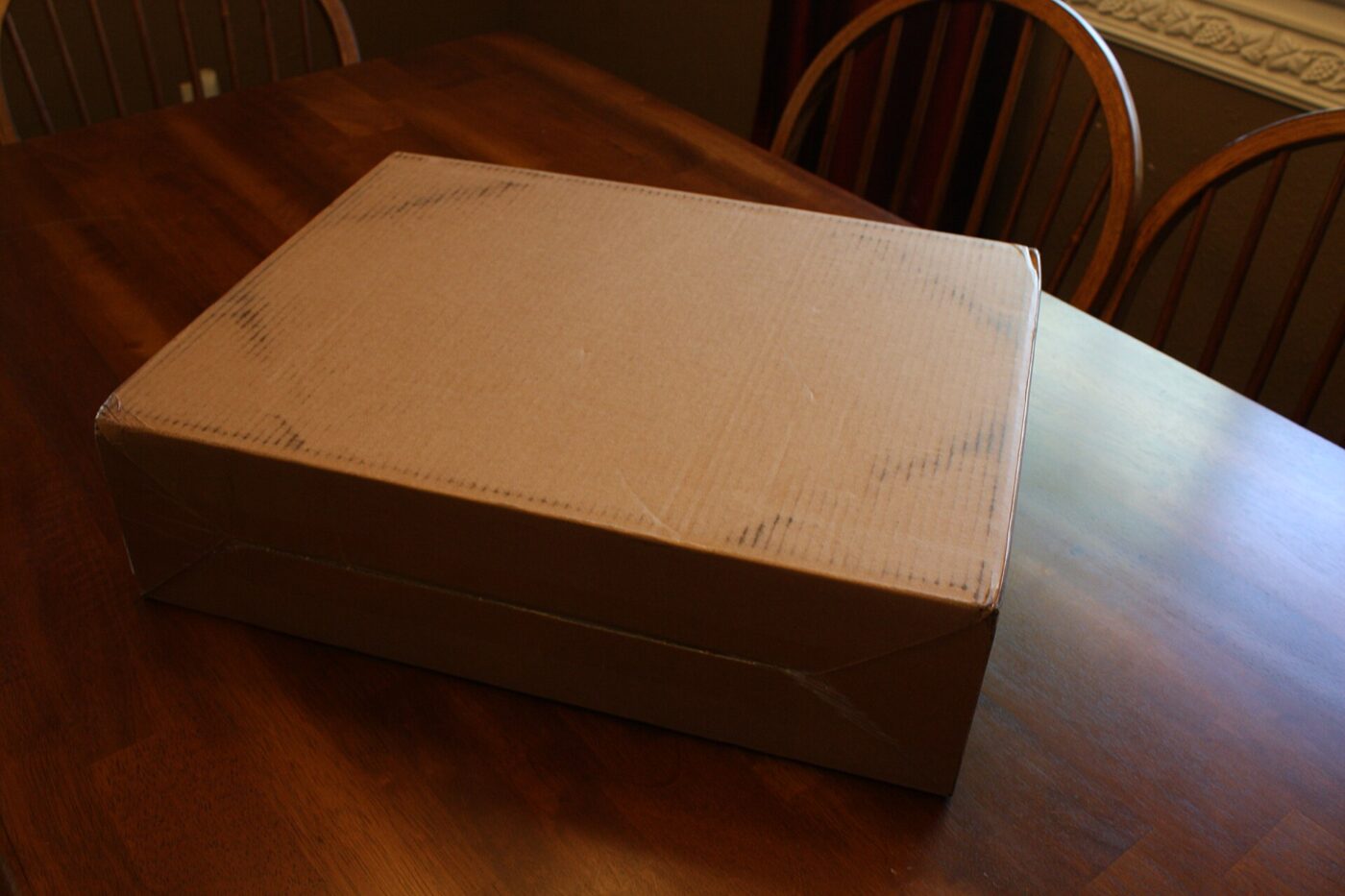
Before July 12, published Ground Advantage Commercial prices for parcels under a pound had four weight tiers. The change applies the price for 12 to 15.999 ounces to every sub-pound parcel. According to the USPS filing with the Postal Regulatory Commission, as reported by Supply Chain Dive, that works out to an average 11.8% increase for Ground Advantage Commercial.
The per-parcel effect is largest for the lightest items shipped the farthest. Supply Chain Dive’s zone-by-zone breakdown shows a 4-ounce parcel rising $1.43 in zone 1 and $2.04 in zones 8 and 9. For a seller of sticker packs, jewelry or phone accessories paying a few dollars of postage per order, a two-dollar increase is a large share of the label.
Not everyone pays it. USPS said the change does not affect customers with negotiated commercial rates. Label platforms differ as well: Pirate Ship, for example, says most of its shipments to the contiguous US use below-Commercial rates that keep ounce-based pricing, while its shipments to Alaska, Hawaii, Puerto Rico, military addresses and rural ZIP codes move to the single sub-pound price. The practical question for any seller is which rate tier their label software actually buys.
| Weight up to | Zone 1 | Zone 4 | Zone 8 |
|---|---|---|---|
| 4 ounces | +$1.43 | +$1.74 | +$2.04 |
| 8 ounces | +$0.90 | +$1.16 | +$1.66 |
| 12 ounces | +$0.77 | +$1.07 | +$1.27 |
The new box-size math: 139 and round up
The second structural change hits the other end of the size range. From July 12, USPS rounds each measurement up to the next whole inch for Priority Mail Express, Priority Mail, Ground Advantage and Parcel Select, multiplies them, and, if the result exceeds 1,728 cubic inches (one cubic foot), divides by 139 instead of 166 to get the dimensional weight, according to the Federal Register notice. A lower divisor means a higher billable weight.
Our own worked example shows how the two halves combine. A box measuring 12.1 by 12.1 by 11.9 inches is billed as 13 by 13 by 12, or 2,028 cubic inches. That is over one cubic foot, so dimensional weight applies: 2,028 divided by 139 is 14.6, rounded up to 15 pounds, even if the contents weigh 3. Supply Chain Dive gave a similar case of a 3-pound Priority Mail package that could carry a 17-pound dimensional weight under the new rules.
USPS also wants accurate dimensions. Supply Chain Dive reported that the dimension-reporting requirement behind the $3 noncompliance fee now covers parcels of any size in services such as Ground Advantage and Priority Mail, not only those over one cubic foot or 22 inches long, with the fee on newly covered parcels deferred until early in the next calendar year. Two smaller July changes affect cubic pricing: the maximum length for cubic parcels rose from 18 to 22 inches, and Ground Advantage Cubic soft-pack tiers were cut from 10 to 5.
Right-sized boxes now save money twice: once on the rounding and again on the divisor.
UPS and FedEx moved first
The July changes bring USPS closer to how its private rivals already price. UPS applied a 5.9% average general rate increase on December 22, 2025, across ground, air and international services, and FedEx announced a matching 5.9% increase effective in January 2026, Supply Chain Dive reported. Surcharges climbed too: the UPS residential surcharge for ground parcels went from $6.10 to $6.50.
Supply Chain Dive described the USPS divisor change as an alignment with FedEx and UPS. For small sellers, that removes one reason Ground Advantage was the automatic choice for light but bulky items such as pillows, hats and plush toys. After July 12, comparing carriers on billed weight, not scale weight, is the only reliable way to know which label is cheapest.
Who should change their packing now
Sellers whose catalog is mostly under a pound and who buy labels at published Commercial prices should act first. The options are to check whether their platform offers negotiated rates, to compare soft-pack cubic prices against weight-based prices for apparel and other soft goods, and to fold the higher label cost into item prices or shipping charges.
Sellers of bulky, light goods face the dimensional side. Measuring every box they use, dropping sizes that land just over a whole inch, and keeping boxes under one cubic foot where the product allows are the cheapest fixes. Dense items that already weigh more than their dimensional weight see mainly the January and April increases.
Sellers on negotiated contracts, or on platforms that kept ounce pricing, can wait, but should confirm it in their own label history rather than assume it.
What to watch next
- The next USPS shipping price filing with the Postal Regulatory Commission, and whether the temporary 8% increase ends as scheduled on January 17
- When USPS starts charging the $3 dimension noncompliance fee on newly covered parcels, which Supply Chain Dive reported was deferred to early in the next calendar year
- Fall rate announcements from UPS and FedEx, which both set 5.9% average increases for the 2026 season
Where to start
Paid links: we earn a commission if you buy through the buttons below, at no extra cost to you. As an Amazon Associate I earn from qualifying purchases.
Packing gear that changes what USPS bills you
| Product type | Good fit for | Where to look |
|---|---|---|
| Digital postal shipping scale | Fits weighing every parcel | See listings on AmazonOpens Amazon search results, not one listing: check the model on the product page. |
| Small corrugated shipping boxes, assorted sizes | Fits right-sizing boxes | See listings on AmazonOpens Amazon search results, not one listing: check the model on the product page. |
| Padded poly mailers | Fits soft goods and apparel | See listings on AmazonOpens Amazon search results, not one listing: check the model on the product page. |
Product types that fit the trend described above, not tested models. Check the exact listing before you buy. How we pick them.
Digital postal shipping scale
Where to look: Amazon
Weight still sets the price above one pound, and on platforms that kept ounce-based rates. A scale also shows when a parcel is heavier than its dimensional weight. Check that the capacity covers your heaviest box.
- Catches parcels that cross a pound break
- Faster than guessing at the counter
- Ounces no longer change published sub-pound prices
- Needs an occasional accuracy check
Small corrugated shipping boxes, assorted sizes
Where to look: Amazon
With every side rounded up to the next inch and a 139 divisor above one cubic foot, a box that fits the product closely is the simplest saving. Measure the outside, not the inside.
- Smaller boxes stay under one cubic foot
- Less air to round up
- More sizes to store
- Some items need extra padding
Padded poly mailers
Where to look: Amazon
For apparel and other non-fragile items, a padded mailer keeps both weight and size down. Compare the cubic soft-pack price with the weight-based price in your label software before switching.
- Light and flat
- Can price under soft-pack cubic tiers
- Little crush protection
- Soft-pack tiers were cut from 10 to 5
More: Small Business and Side Hustles trends and how the Trend Signal is scored.
Sources
- U.S. Postal Service Recommends New Competitive Prices for 2026 — USPS Newsroom
- U.S. Postal Service Recommends Competitive Price Changes for July 2026 — USPS Newsroom
- U.S. Postal Service Recommends New Prices for July — USPS Newsroom
- Domestic Competitive Products Pricing and Mailing Standards Changes — Federal Register (GovInfo)
- USPS Ground Advantage plan could heat up lightweight package rates — Supply Chain Dive
- How USPS shippers can navigate changes to pricing, parcel measurements — Supply Chain Dive
- UPS readies 5.9% rate bump, fee increases on Dec. 22 — Supply Chain Dive
- USPS sets 8% temporary rate hike for some domestic products — Supply Chain Dive
- July 2026 USPS Rate and Rule Changes — Pirate Ship Support
Questions readers ask
How much did USPS Ground Advantage go up in 2026?
USPS raised Ground Advantage prices 7.8% on January 18, 2026, and added a temporary 8% increase that runs from April 26, 2026 until a scheduled end on January 17. On July 12, 2026 it applied the 12-to-15.999-ounce price to all sub-pound parcels at published Commercial prices, which its filing put at an average 11.8% increase for Ground Advantage Commercial.
What is the USPS dimensional weight divisor after July 12, 2026?
It is 139, down from 166. It applies to Priority Mail Express, Priority Mail, Ground Advantage and Parcel Select parcels over 1,728 cubic inches, and each side is rounded up to the next whole inch first, per the Federal Register notice.
Does the sub-pound change apply to every seller?
No. USPS said customers with negotiated commercial rates are not affected, and some label platforms, such as Pirate Ship, say most contiguous US shipments use below-Commercial rates that keep ounce-based pricing.
How much is a Forever stamp after July 12, 2026?
It is 82 cents, up from 78 cents, part of a roughly 4.8% mailing-services increase that USPS filed on April 9, 2026.