Wearables and home health monitors have been converging, and in January 2026 the FDA changed how far a wellness product can go without agency review. Its updated guidance on general wellness products, issued January 6, 2026 and replacing a version from September 27, 2019, spells out when a watch, ring or band can show numbers like blood pressure or blood oxygen as a wellness feature.
The result is a two-track market: cleared medical devices on one side, validated wellness readouts on the other, often with similar-looking numbers on screen. This explainer covers how to tell which track a device is on. It does not cover what any reading means for your health.
Trend Signal
52/100 Steady momentum
- Emerging
- Rising
- Mainstream
- Peaking
- Cooling
FDA policy now lets wellness wearables display BP and SpO2 values
FDA’s January 6, 2026 general wellness guidance says non-invasive wearables may output values such as blood pressure and oxygen saturation as wellness products if the values are validated and no medical claims are made.
Our editorial reading of the cited data, not a forecast. How it is scored
By the numbers
- Jan. 6, 2026Issue date of FDA’s updated general wellness guidance, replacing the 2019 versionFDA
- 6Conditions FDA lists for non-invasive wellness readouts such as blood pressure or SpO2FDA
- 5Labeling traits that take a product out of the wellness category, per the guidanceFDA
- 2,000+Participants in the clinical study Apple cited for its hypertension notifications, 2025Apple Newsroom
What the January 2026 guidance changed
The FDA’s general wellness policy covers low-risk products meant to support a healthy lifestyle, including fitness, stress management and sleep management tools such as sleep-trend trackers. For those products, the agency’s device center says it does not intend to examine whether they comply with premarket review and other device requirements. The guidance adds that inclusion under the policy does not establish that a product has been shown to be safe or effective.
The January 6, 2026 version adds a direct statement about sensors. FDA may consider products that use non-invasive sensing, such as optical sensors, to estimate or output physiologic parameters including blood pressure, oxygen saturation, blood glucose and heart rate variability to be general wellness products when those outputs are intended solely for wellness uses. Six conditions apply: the product must be non-invasive and not implanted, pose no safety risk without regulatory controls, not be meant to diagnose or treat disease or to substitute for an FDA-authorized device, not prompt specific clinical action, and not show values that mimic clinical ones unless they are validated, for example by manufacturer testing or peer-reviewed literature.
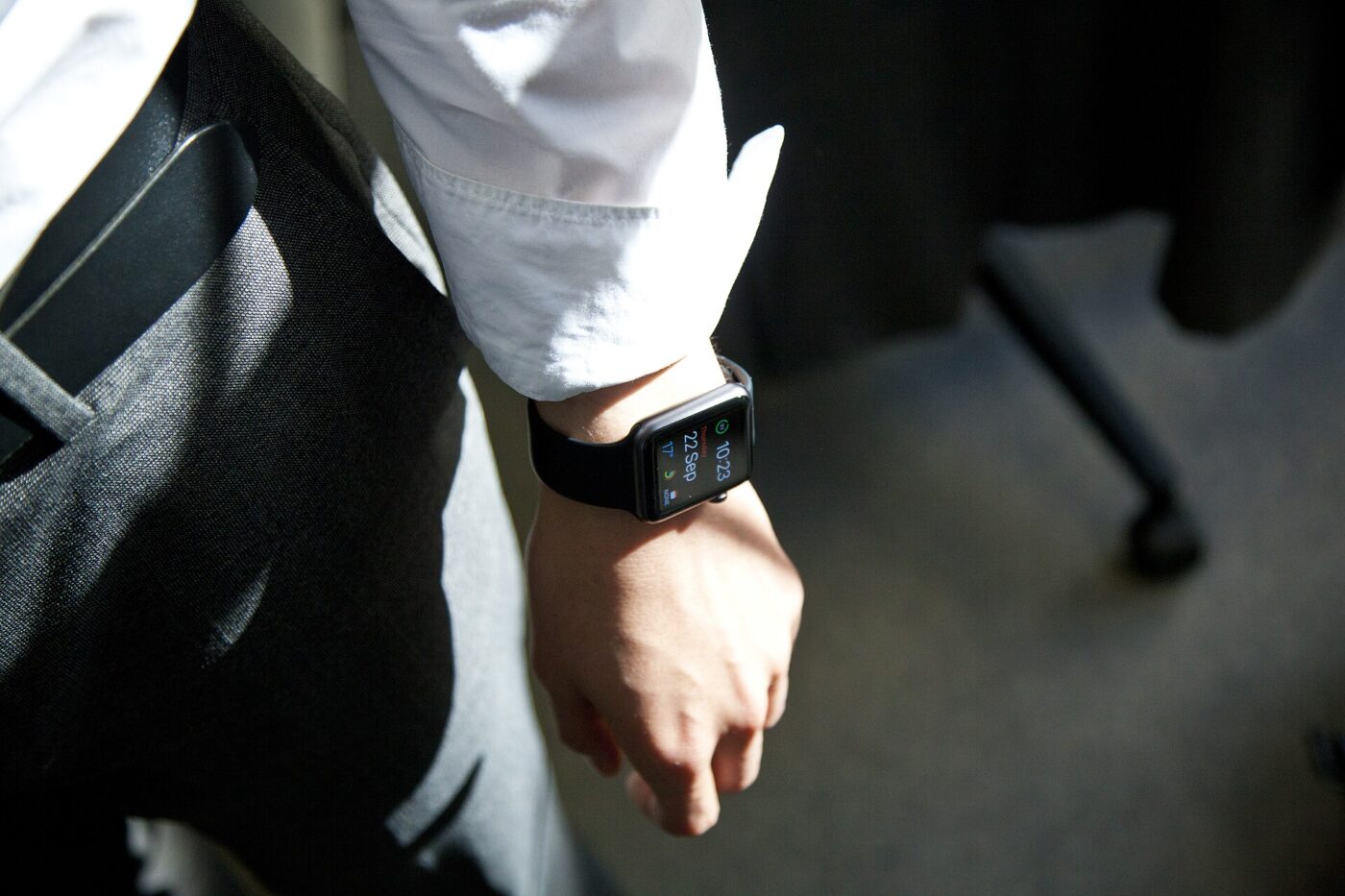
Products that meet those tests may display values, ranges, trends, baselines or long-term summaries in the context of sleep, activity, stress or recovery. One of the FDA’s own examples is a wrist-worn wearable that reports hours slept, sleep quality, pulse rate and blood pressure, with sleep measured by an accelerometer and pulse rate and blood pressure by a photoplethysmogram, an optical sensing method. The agency calls that a low-risk wellness product, provided it has validated blood pressure values.
The guidance now describes how a wearable can show blood pressure and oxygen numbers without FDA review.
The label test: wellness readout or medical device
The same guidance draws a firm line on intended use. Products are not general wellness products when they are meant to measure physiologic values for medical or clinical purposes, including screening, diagnosis, monitoring, alerting or managing a disease. FDA names blood pressure monitors, fingerstick glucose meters, continuous glucose monitors and ECG devices as examples on the medical side.
A wellness product may still tell a user that evaluation by a healthcare professional may be helpful when outputs fall outside wellness ranges, as long as the message does not name a disease, call the result abnormal, cite clinical thresholds or provide ongoing alerts.
FDA lists five features that take a product out of the wellness category when they appear in its labeling, advertising, app interface or behavior:
- References to specific diseases, clinical conditions or diagnostic thresholds
- Alerts or prompts that recommend or require specific clinical action
- Treatment guidance meant to direct medical management
- Claims of clinical equivalence, clinical accuracy, medical grade or clinical grade, or substitution for an FDA-authorized device
- Intended-use statements aimed at diagnosis, screening, monitoring or managing a disease
Under this guidance, a medical-grade claim on a product with no FDA clearance is a mismatch worth noticing.
Pulse oximeters already live on both tracks
Fingertip pulse oximeters show how the split works in practice. In announcing its January 2025 draft guidance on pulse oximeters for medical purposes, the FDA said the draft does not apply to oximeters sold as general wellness or sporting and aviation products, “which are not reviewed or evaluated by the agency prior to being available to the public.” The 2026 wellness guidance uses a similar case as an example: a portable product that monitors pulse rate and oxygen saturation during exercise and hiking.
For medical-purpose oximeters, the FDA is pushing for tougher testing. Its pulse oximeter page says the devices may be less accurate in people with darker skin pigmentation, and lists other factors such as poor circulation, skin temperature and fingernail polish. The draft proposes assessing skin tone with both the Monk Skin Tone Scale and a measured individual typology angle, a prominent label for devices shown to perform comparably across groups, and a public FDA webpage listing cleared oximeters that meet that bar.
The FDA page we read in September 2026 still lists that document as a draft, and wellness-labeled oximeters sit outside it.
How cleared features sit next to wellness numbers
Big wearable makers already use both tracks. Apple announced hypertension notifications for Apple Watch on September 9, 2025, describing a feature that uses the optical heart sensor to review data over 30-day periods and notify users of consistent signs of hypertension. Apple said the feature was validated in a clinical study of more than 2,000 participants, and on September 15, 2025 it said the FDA-cleared notifications were available.
The cleared feature is a notification, not a readout. Apple’s announcement said it is recommended that users who receive one log their blood pressure for seven days with a third-party blood pressure cuff and share the results with their provider. Even the cleared wearable feature hands off to a conventional monitor for the numbers themselves.
What to check before buying a home monitor
For blood pressure, the federal Million Hearts initiative lists the U.S. Blood Pressure Validated Device Listing at validatebp.org among its self-measured blood pressure resources; the listing covers devices validated for clinical accuracy under criteria established by the American Medical Association. For pulse oximeters, the key question on the box is whether the device is cleared for medical purposes or sold for sports, aviation or general wellness.
- Read the intended use: a wellness product should not claim to diagnose, screen for or monitor a disease.
- Treat medical-grade or clinically accurate wording on an uncleared product as a mismatch with the FDA guidance.
- Look up the exact model on the validated device listing before buying a blood pressure monitor.
- Check whether the device works, and exports readings, without a subscription or an account.
What to watch next
- A final FDA pulse oximeter guidance and the promised public list of cleared oximeters that perform comparably across skin tones
- New wellness readouts of blood pressure or oxygen on wearables, and whether makers publish the validation the guidance calls for
- Additions to the U.S. Blood Pressure Validated Device Listing, including any cuffless or wearable devices
Where to start
Paid links: we earn a commission if you buy through the buttons below, at no extra cost to you. As an Amazon Associate I earn from qualifying purchases.
Home health monitor types compared on what the label should say
| Product type | Good fit for | Where to look |
|---|---|---|
| Upper-arm blood pressure monitor | Fits routine home blood pressure logs | See listings on AmazonOpens Amazon search results, not one listing: check the model on the product page. |
| Fingertip pulse oximeter cleared for medical use | Fits spot checks of pulse and oxygen | See listings on AmazonOpens Amazon search results, not one listing: check the model on the product page. |
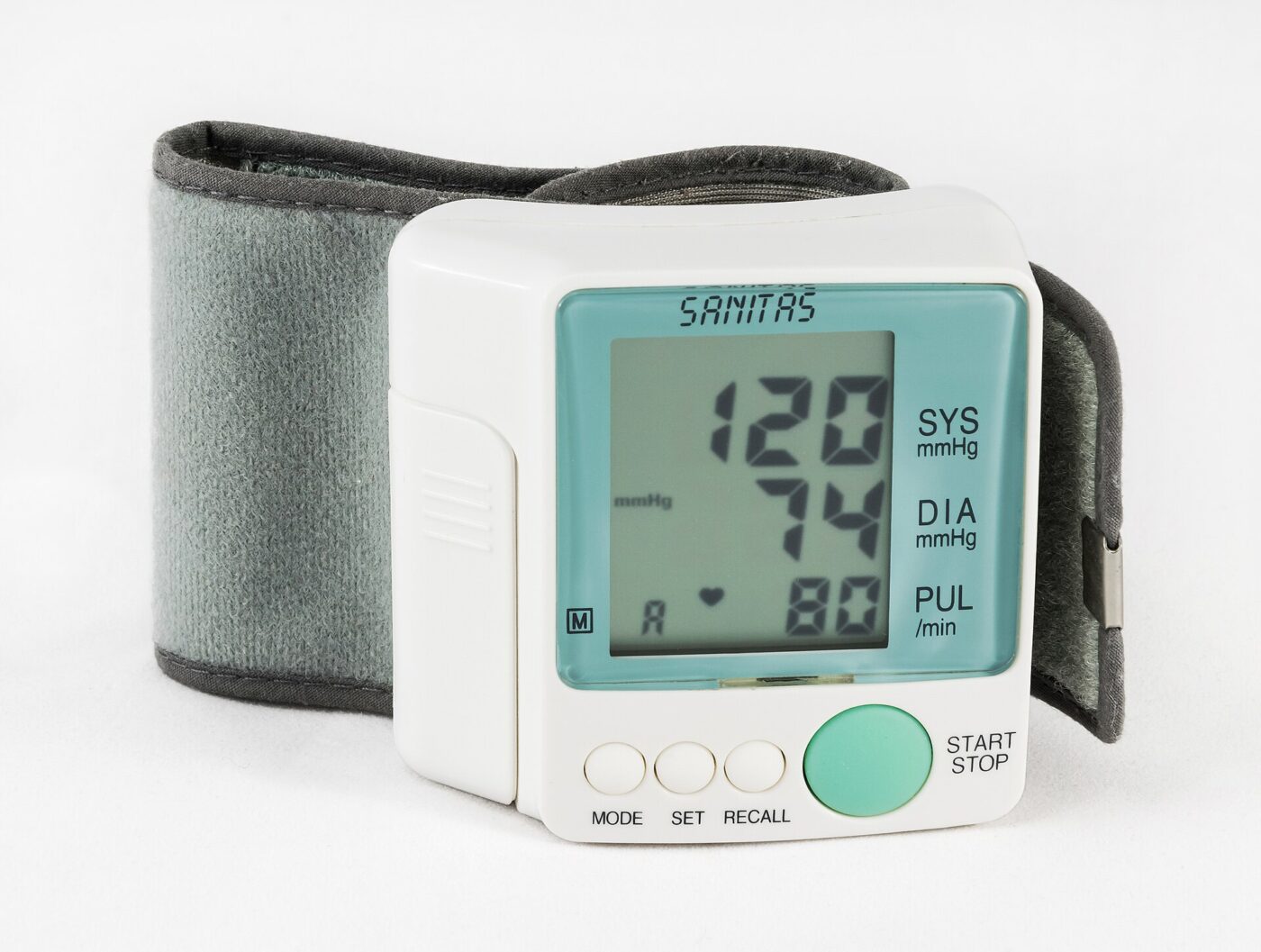
| Wrist blood pressure monitor | Fits travel and small bags | See listings on AmazonOpens Amazon search results, not one listing: check the model on the product page. |
Product types that fit the trend described above, not tested models. Check the exact listing before you buy. How we pick them.
Upper-arm blood pressure monitor
Where to look: Amazon
Fits buyers who want the conventional cuff format. Apple recommends that users who get its hypertension notification log readings with a third-party cuff for seven days.
- Conventional cuff format
- Models appear on the validated device list
- Bulkier than a wearable
- Cuff fit has to be right
Fingertip pulse oximeter cleared for medical use
Where to look: Amazon
Fits spot checks at home or while traveling. Read the box for medical-purpose clearance; sports and aviation models skip FDA review.
- Small enough for a pocket
- Medical-purpose models go through FDA review
- Wellness-labeled models skip FDA review
- FDA says accuracy can vary with skin pigmentation
More: Health and Wellness trends and how the Trend Signal is scored.
Sources
- General Wellness: Policy for Low Risk Devices, guidance issued January 6, 2026 — FDA
- General Wellness: Policy for Low Risk Devices, guidance page — FDA
- Pulse Oximeters — FDA
- FDA Proposes Updated Recommendations to Help Improve Performance of Pulse Oximeters Across Skin Tones — FDA
- Apple debuts Apple Watch Series 11, featuring groundbreaking health insights — Apple Newsroom
- New versions of Apple’s software platforms are available today — Apple Newsroom
- Self-Measured Blood Pressure tools — Million Hearts, U.S. Department of Health and Human Services
Questions readers ask
Can a smartwatch measure blood pressure under FDA rules?
Under the FDA’s January 6, 2026 general wellness guidance, a non-invasive wearable may display validated blood pressure estimates as a wellness feature if it makes no medical claims. Devices meant to measure blood pressure for medical purposes are regulated as medical devices.
What does general wellness mean on a health device?
It means the product is intended for a healthy lifestyle, such as sleep, fitness or stress management, rather than diagnosing or treating a disease. The FDA says it does not intend to examine low-risk wellness products for compliance with premarket review.
Are fingertip pulse oximeters FDA cleared?
Some are. The FDA says pulse oximeters sold as general wellness, sporting or aviation products are not reviewed or evaluated by the agency before they reach the public. Its January 2025 draft guidance proposes tougher testing across skin tones for medical-purpose models.
How do I find a validated blood pressure monitor?
The federal Million Hearts initiative lists the U.S. Blood Pressure Validated Device Listing at validatebp.org among its resources; it covers devices validated for clinical accuracy under American Medical Association criteria.