Portable air purifiers are now regulated like other household appliances. In 2023 the Department of Energy set the first national efficiency standards for them, with a first tier that took effect on December 31, 2023 and a stricter second tier that took effect on December 31, 2025.
The same agency has since proposed undoing its whole program for air cleaners. That leaves shoppers in 2026 with a rule that is in force, a pending proposal to remove it, and labels that matter more than ever for knowing what a machine will cost to run. Here is what changed and how to shop around it.
Trend Signal
46/100 Steady momentum
- Emerging
- Rising
- Mainstream
- Peaking
- Cooling
Tier 2 efficiency floor is live while its repeal is pending
DOE’s Tier 2 air cleaner standards took effect on December 31, 2025, but DOE proposed on May 16, 2025 to withdraw air cleaners from its efficiency program, and its rulemaking page lists no final action on that proposal.
Our editorial reading of the cited data, not a forecast. How it is scored
By the numbers
- 2.9Tier 2 minimum PM2.5 CADR per watt for purifiers rated 150+ CADR, from Dec. 31, 2025DOE final rule, Federal Register
- 394 kWhYearly electricity use of a standard room air cleaner running continuouslyENERGY STAR
- $18–$40Estimated yearly savings from an ENERGY STAR certified air cleanerENERGY STAR
- 191,390Aroeve MK04 air purifiers recalled Feb. 2026, sold on Amazon, Temu, TikTok and ShopifyCPSC
What changed on December 31, 2025
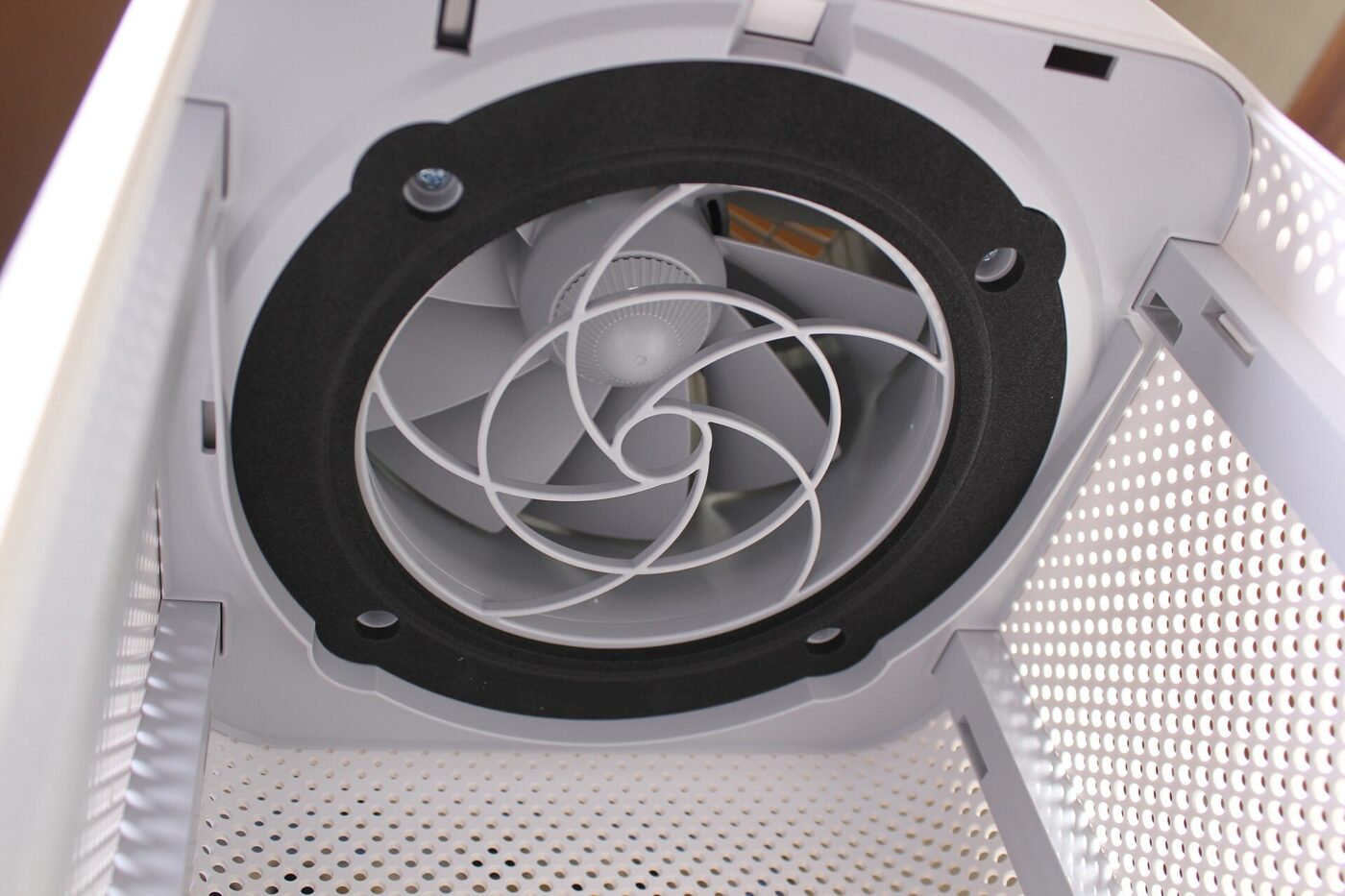
DOE’s standards cover conventional room air cleaners with smoke and dust clean air delivery rates, or CADR, from 10 to 600 cubic feet per minute. Ceiling-mounted units and devices that work only with ultraviolet light and no fan fall outside the rule. The metric is the integrated energy factor, expressed as PM2.5 CADR per watt, and it counts energy used in standby as well as while the fan runs.
The standards came out of a joint recommendation from manufacturers and efficiency advocates, including the Association of Home Appliance Manufacturers, the Appliance Standards Awareness Project, the American Council for an Energy-Efficient Economy, the Consumer Federation of America and the Natural Resources Defense Council. DOE issued them in a direct final rule published April 11, 2023 and confirmed on August 31, 2023. The first tier matched state standards already set by Maryland, Nevada, New Jersey and the District of Columbia.
The biggest jump is for large units. A purifier rated at 150 CADR or more had to reach 2.0 CADR per watt under Tier 1 and must reach 2.9 under Tier 2, a floor 45% higher. As a rough illustration of our own, a 200-CADR machine sitting exactly at 2.9 works out to about 69 watts on the integrated measure.
| Product class (PM2.5 CADR) | Tier 1, from Dec. 31, 2023 | Tier 2, from Dec. 31, 2025 |
|---|---|---|
| 10 to under 100 | 1.7 | 1.9 |
| 100 to under 150 | 1.9 | 2.4 |
| 150 and up | 2.0 | 2.9 |
For units made since December 31, 2025, the federal floor rewards purifiers that move more clean air per watt, and it bites hardest on the largest units.
The proposal to withdraw the rule
On May 16, 2025, DOE published a proposal to withdraw its 2022 determination that air cleaners are a covered consumer product. If finalized, that would also withdraw the test procedure, certification requirements and standards built on it. The agency said it had tentatively determined that “it is not necessary or appropriate” to classify air cleaners as covered products, and that there are other ways to conserve energy. Comments closed on July 15, 2025.
As of September 2026, DOE’s air cleaner rulemaking page lists the May 2025 proposal as the latest action and still states that manufacturers have had to comply since December 31, 2023. In other words, the standard is in force and could be removed later. State rules are a separate layer: DOE noted that its Tier 1 levels matched standards in Maryland, Nevada, New Jersey and the District of Columbia.
For shoppers, the short-run effect is modest. Models already built to Tier 2 do not get less efficient if the rule goes away. Our read is that the risk sits at the low end of the market later, where a removed federal floor would let less efficient designs return without a national limit.
What efficiency is worth on a power bill

Air purifiers are among the few appliances many households run around the clock, which is why efficiency shows up on the bill. ENERGY STAR says a standard room air cleaner running continuously uses about 394 kWh of electricity a year, and that certified models are more than 50% more energy-efficient, saving about 211 kWh and roughly $18 to $40 a year. The current ENERGY STAR specification took effect on October 9, 2025.
DOE’s own analysis pointed the same way. It estimated positive average lifetime savings for every product class, with Tier 2 savings of about $94 and a payback period of roughly 0.1 years for units rated at 150 CADR or more, in 2021 dollars. The smallest class showed smaller gains, about $12 with a 1.4-year payback.
Over a purifier’s life, electricity can matter as much as a modest difference in sticker price.
Marketplace bargains carry a different risk
Efficiency is not the only thing to check on a cheap unit. On February 9, 2026, the Consumer Product Safety Commission announced a recall of about 191,390 Aroeve MK04 air purifiers, sold on Amazon.com, Shopify.com, Temu.com and TikTok.com from September 2024 through June 2025 for $80 to $134. The CPSC said the units can overheat and ignite, and that the company had received 37 reports of overheating, including one fire. The remedy is a free replacement purifier.
The recall covers units made before July 2025 with serial numbers starting with “BN”. It is one notice rather than a trend on its own, but it shows how far a single low-priced model can spread through marketplace channels before a problem surfaces.
How to shop for an air purifier in 2026
Start with what a purifier can and cannot do. The EPA says filtration can be an effective supplement to source control and ventilation, and that air cleaners cannot remove all pollutants, so a purifier is one layer of indoor air quality rather than a substitute for the others. With that in mind, these checks cover efficiency, safety and running cost:
- Look for the ENERGY STAR mark and confirm the exact model in the ENERGY STAR product finder.
- Divide the listed smoke or PM2.5 CADR by the rated wattage for a rough CADR-per-watt comparison between models.
- Check standby power if the unit has a display, sensors or Wi-Fi, since the federal metric counts standby energy.
- Search the brand and model on CPSC.gov before buying from a marketplace seller.
- Price the replacement filters, which you will keep buying for as long as you own the unit.
What to watch next
- Whether DOE finalizes its May 16, 2025 proposal to withdraw air cleaners from its efficiency program, which would show up on its air cleaner rulemaking page
- New ENERGY STAR certifications under the specification that took effect on October 9, 2025
- Further CPSC recalls of low-priced air purifiers sold through online marketplaces
Where to start
Paid links: we earn a commission if you buy through the buttons below, at no extra cost to you. As an Amazon Associate I earn from qualifying purchases.
Air purifier types compared on running cost and fit
| Product type | Good fit for | Where to look |
|---|---|---|
| ENERGY STAR certified air purifier | Fits buyers watching electricity use | See listings on AmazonOpens Amazon search results, not one listing: check the model on the product page. |
| Large-room HEPA air purifier | Fits large living spaces | See listings on AmazonOpens Amazon search results, not one listing: check the model on the product page. |
| Replacement HEPA filter | Fits existing purifier owners | See listings on AmazonOpens Amazon search results, not one listing: check the model on the product page. |
Product types that fit the trend described above, not tested models. Check the exact listing before you buy. How we pick them.
ENERGY STAR certified air purifier
Where to look: Amazon
Fits anyone who plans to run a purifier for many hours a day. ENERGY STAR estimates yearly savings of roughly $18 to $40 against a standard unit.
- Certified to beat standard models on efficiency
- Label is easy to verify
- Upfront prices vary widely
- Label says nothing about filter cost
Large-room HEPA air purifier
Where to look: Amazon
Fits open-plan spaces. Divide the listed CADR by the listed watts to compare models on the same terms DOE uses.
- Largest Tier 2 efficiency jump applies here
- More clean air per unit
- Higher wattage in absolute terms
- Bigger filters to replace
More: Health and Wellness trends and how the Trend Signal is scored.
Sources
- Air Cleaners rulemaking page — U.S. Department of Energy
- Energy Conservation Standards for Air Cleaners, 88 FR 21752, April 11, 2023 — Federal Register via GovInfo
- Proposed Withdrawal of Determination of Air Cleaners as a Covered Consumer Product, 90 FR 20835 — Federal Register via GovInfo
- Air Cleaners — ENERGY STAR
- Airova Recalls Aroeve Air Purifiers Due to Fire and Burn Hazards — CPSC
- Air Cleaners and Air Filters in the Home — U.S. EPA
Questions readers ask
Is there a federal energy efficiency standard for air purifiers?
Yes. DOE standards for conventional room air cleaners took effect in two tiers, on December 31, 2023 and December 31, 2025, and are measured in PM2.5 CADR per watt. They apply to units with smoke and dust CADR from 10 to 600 cubic feet per minute.
Is DOE getting rid of the air purifier standard?
DOE proposed on May 16, 2025 to withdraw its determination that air cleaners are a covered product, which would also withdraw the standards. Comments closed July 15, 2025. As of September 2026, DOE’s rulemaking page lists that proposal as the latest action.
How much electricity does an air purifier use?
ENERGY STAR estimates that a standard room air cleaner running continuously uses about 394 kWh a year, and that certified models save about 211 kWh, or roughly $18 to $40, a year.
What does CADR per watt mean?
It is the clean air delivery rate for fine particles divided by power use, the measure DOE calls the integrated energy factor. Higher is better. DOE’s version also counts standby energy.