The over-the-counter hearing aid category turns four in October 2026, and its price map has moved fast. When the FDA finalized the rule in August 2022, a JAMA Health Forum news report put prescription hearing aids at $2,000 to $7,000 a pair once audiologist visits were included.
By September 2025, Apple was selling AirPods Pro 3 for $249 with support for its Hearing Aid feature, which the FDA had authorized a year earlier for use with compatible AirPods Pro. In July 2026, the company behind two well-known direct-to-consumer brands started winding down. Here is where prices sit now, what each tier actually includes, and who should buy versus wait.
Trend Signal
64/100 Steady momentum
- Emerging
- Rising
- Mainstream
- Peaking
- Cooling
Earbud hearing aid modes at $249 while two OTC brands wind down
Apple launched AirPods Pro 3 at $249 in September 2025 with support for its Hearing Aid feature, which the FDA authorized in 2024 for compatible AirPods Pro, and notices on the Lexie and Eargo websites say LXE Hearing and four related U.S. companies began winding down on July 15, 2026.
Our editorial reading of the cited data, not a forecast. How it is scored
By the numbers
- $2K–$7KPrescription hearing aid price per pair incl. audiologist visits, as reported in Aug. 2022JAMA Health Forum
- $249U.S. starting price of AirPods Pro 3, which support the Hearing Aid feature (Sept. 2025)Apple Newsroom
- 30M+American adults who report some degree of hearing loss, per the FDA (Sept. 2024)FDA
- 1 in 4Adults who could benefit from hearing aids and have ever used themNIDCD (NIH)
Where the price trail started
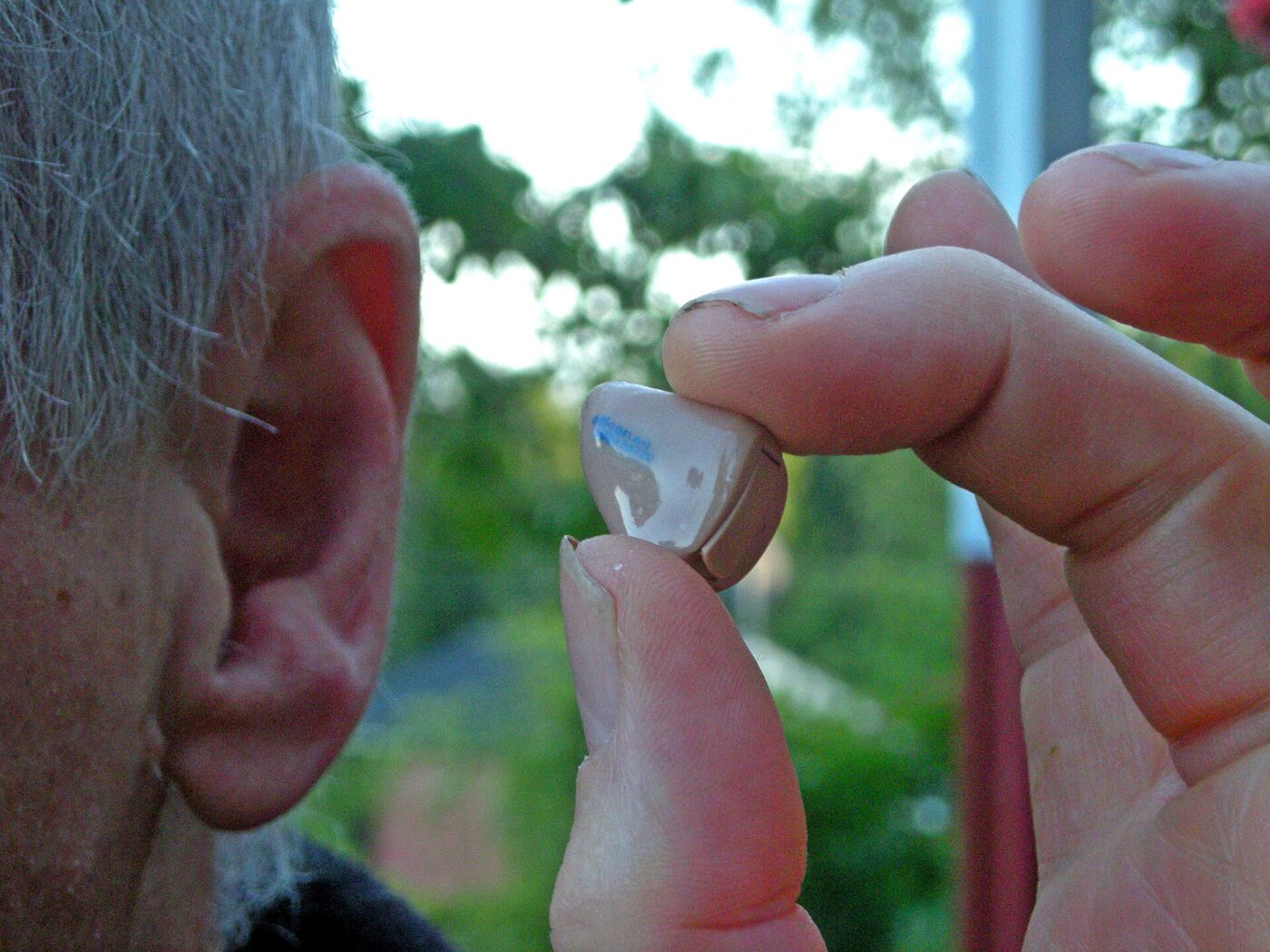
Before the OTC rule, buying a hearing aid in the U.S. meant going through a hearing professional, and the price bundled the device with testing, fitting and follow-up visits. The Hearing Industries Association, a trade group, says prescription hearing aids bought through a professional range from $1,000 to $4,000 on average, without saying whether that is per aid or per pair. The JAMA Health Forum news report on the final rule, published August 30, 2022, put the range at $2,000 to $7,000 a pair once audiologist visits and associated costs were counted.
The FDA published the final rule on August 17, 2022, and it took effect on October 17, 2022. OTC hearing aids are for adults 18 and older with perceived mild to moderate hearing loss, and they can be bought in stores, by mail or online without involving a licensed hearing professional. The same JAMA report quoted White House economic adviser Brian Deese citing an FDA estimate that the change would save consumers about $1,400 per hearing aid, or more than $2,800 per pair.
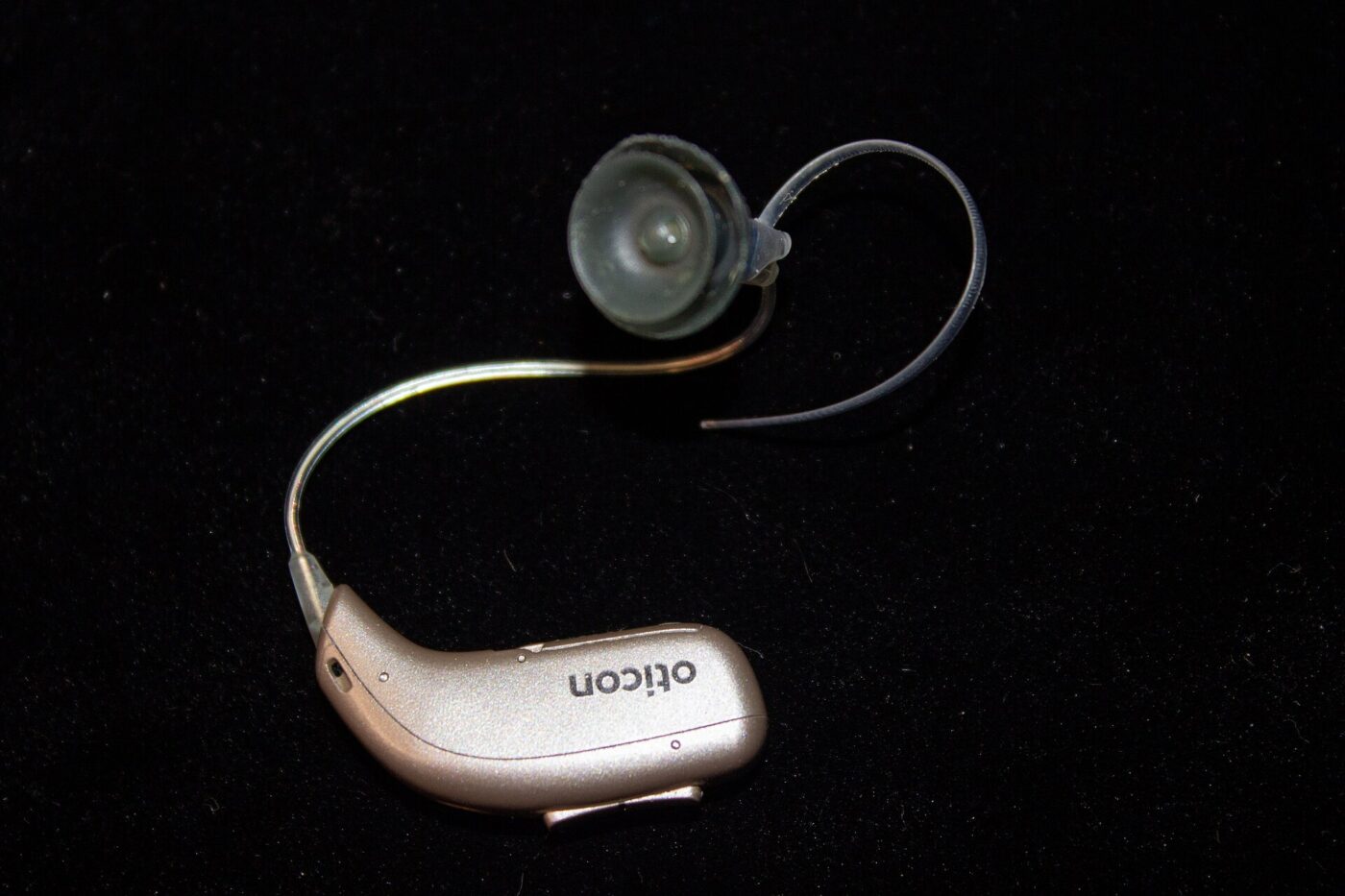
The rule also set hardware guardrails that still define what an OTC device can be. General output is capped at 111 decibels of sound pressure level, or 117 dB SPL while input-controlled compression is active, and the innermost part of the device must sit at least 10 millimeters from the eardrum. The HIA notes that manufacturers must state the return policy, or the lack of one, on the outside of the box.
The OTC rule split the price of the device from the price of the professional service.
Earbuds set a $249 anchor

On September 12, 2024, the FDA authorized the first over-the-counter hearing aid software, Apple’s Hearing Aid Feature for compatible AirPods Pro. The agency said a study of 118 subjects across several U.S. sites found that people using the self-fitting approach reported similar perceived benefit to those who were professionally fitted, and that no device-related adverse events were observed.
Apple announced AirPods Pro 3 on September 9, 2025 at a U.S. starting price of $249, with availability from September 19. Apple’s support documentation says both AirPods Pro 2 and AirPods Pro 3 offer the Hearing Aid feature for people 18 and older with perceived mild to moderate hearing loss. Setup uses either results from Apple’s own Hearing Test on the earbuds or an audiogram from a hearing professional. Apple’s AirPods Pro 3 announcement does not mention the FDA; the 2024 authorization covers the software for use with compatible AirPods Pro. Samsung said on August 11, 2026 that the FDA had cleared its own Galaxy Buds Hearing Aid feature, due on Galaxy Buds3 Pro and Buds4 Pro in the U.S. in the fourth quarter of 2026.
The point is the anchor, not the brand. An earbud that supports an FDA-authorized hearing aid feature now sells for about an eighth of the $2,000 low end of the pair prices the 2022 JAMA report cited (our calculation, not adjusted for inflation), and every higher-priced OTC seller has to explain what its extra cost buys.
The middle tier is getting squeezed
In our read, the strain shows up in the brands that sat between earbuds and clinics. Notices posted on both the Lexie and Eargo websites say that on July 15, 2026, LXE Hearing, Inc. and four related U.S. companies each entered an assignment for the benefit of creditors under California law and began winding down their U.S. operations. The notices say the move followed efforts to restructure the business.
For owners, the key dates are about software rather than hardware. The Lexie notice says app store availability and cloud connectivity end on October 8, 2026, and technical support ends on October 22, 2026. The Eargo notice says its app will be removed from app stores and its cloud connectivity deactivated on October 22, 2026. Both notices say the hearing aids are expected to keep working for amplification and core daily use through on-device controls or the last saved local profiles, and that new warranty and repair requests had to be submitted by September 15, 2026.
Service-bundled online models sell support rather than the lowest sticker price. Jabra Enhance says its Select hearing aids come with three years of unlimited appointments and adjustments by its audiology team, a 100-day trial and a three-year warranty, with prices that vary by model.
| Tier | Published price | What the price includes |
|---|---|---|
| Prescription through a professional | $1,000–$4,000 on average (HIA, unit not stated); $2,000–$7,000 a pair with visits (2022 report) | Testing, fitting and follow-up in person |
| Online aids with remote audiology | Varies by model (Jabra Enhance Select) | Three years of remote adjustments, 100-day trial, three-year warranty |
| Earbuds with a hearing aid mode | $249 (AirPods Pro 3 launch price, Sept. 2025) | Self-fitting through a Hearing Test or audiogram; compatible phone required |
Who should buy now and who should wait
Cheaper devices have not closed the adoption gap. The NIDCD, part of the National Institutes of Health, says only one in four adults who could benefit from hearing aids has ever used them, and the FDA’s 2024 announcement said more than 30 million American adults report some degree of hearing loss.
Buying now makes sense for shoppers who fit the OTC category as the FDA defines it, adults with perceived mild to moderate hearing loss, and who already use a compatible phone; for them the earbud tier is the cheapest of the three tiers compared here. Shoppers who want in-person fitting and adjustment are paying for a service the OTC tiers skip or deliver remotely, and the prescription route still sells it. The HIA advises seeing a hearing professional before buying either kind, and a doctor for any of the “red flag” conditions it lists.
The LXE notices are the counter-signal for anyone buying an app-dependent device from a smaller brand. Before paying, check how long the seller commits to app support, what the device does without the app, and the return window printed on the box.
The hardware got cheap; the support runway is now what separates a sound OTC purchase from a risky one.
What to watch next
- Whether Lexie and Eargo devices keep working after their app and cloud cutoffs in October 2026
- Holiday pricing on earbuds with hearing aid modes against the $249 launch price Apple set in September 2025
- Whether Samsung’s Galaxy Buds Hearing Aid feature, cleared by the FDA in July 2026, reaches Galaxy Buds3 Pro and Buds4 Pro in the fourth quarter of 2026 as Samsung announced
Where to start
Paid links: we earn a commission if you buy through the buttons below, at no extra cost to you. As an Amazon Associate I earn from qualifying purchases.
OTC hearing gear types compared on what you pay for
| Product type | Good fit for | Where to look |
|---|---|---|
| Earbuds with a hearing aid mode | Fits phone-first buyers | See listings on AmazonOpens Amazon search results, not one listing: check the model on the product page. |
| Self-fitting OTC hearing aids | Fits buyers who want a dedicated device | See listings on AmazonOpens Amazon search results, not one listing: check the model on the product page. |
| Hearing aid drying and cleaning kit | Fits owners extending device life | See listings on AmazonOpens Amazon search results, not one listing: check the model on the product page. |
Product types that fit the trend described above, not tested models. Check the exact listing before you buy. How we pick them.
Earbuds with a hearing aid mode
Where to look: Amazon
Fits adults with a compatible phone who want a low-cost route into the OTC category. Confirm the model supports the hearing aid mode where you live.
- FDA-authorized software on some models
- Doubles as everyday earbuds
- Tied to one phone ecosystem
- Limited to perceived mild to moderate loss
Self-fitting OTC hearing aids
Where to look: Amazon
Fits buyers who want a device built only as a hearing aid. Read the app and warranty terms before paying.
- Built only for hearing
- Return policy must be printed on the box
- App support depends on the brand
- Prices vary widely
More: Health and Wellness trends and how the Trend Signal is scored.
Sources
- FDA Authorizes First Over-the-Counter Hearing Aid Software — U.S. Food and Drug Administration
- FDA Finalizes Rule to Allow Over-the-Counter Hearing Aids — JAMA Health Forum
- Establishing Over-the-Counter Hearing Aids, final rule of August 17, 2022 — Federal Register via GovInfo
- Over-the-Counter Hearing Aids — NIDCD, National Institutes of Health
- OTC Hearing Aids policy overview — Hearing Industries Association
- OTC Hearing Aids consumer guide — Hearing Industries Association
- Introducing AirPods Pro 3, the ultimate audio experience — Apple Newsroom
- Use the Hearing Aid feature on your AirPods Pro 2 or AirPods Pro 3 — Apple Support
- Lexie U.S. wind-down notice — Lexie Hearing
- Eargo U.S. wind-down notice — Eargo
- Jabra Enhance Select included care, trial and warranty — Jabra Enhance
- Samsung’s Hearing Aid Feature on Galaxy Buds Cleared by FDA — Samsung Newsroom
Questions readers ask
How much do OTC hearing aids cost in 2026?
Prices vary by tier. AirPods Pro 3 launched at $249 in September 2025 with support for Apple’s Hearing Aid feature, which the FDA authorized in 2024 for compatible AirPods Pro. The Hearing Industries Association puts prescription aids bought through a professional at $1,000 to $4,000 on average.
Are AirPods Pro hearing aids?
Compatible AirPods Pro can work as OTC hearing aids once the software feature is set up. The FDA authorized Apple’s Hearing Aid Feature on September 12, 2024, and Apple says AirPods Pro 2 and AirPods Pro 3 support it for adults 18 and older with perceived mild to moderate hearing loss, using its Hearing Test or an audiogram.
What happens to Lexie and Eargo hearing aids after the wind-down?
Per the notices, Lexie’s app leaves app stores and its cloud connectivity ends October 8, 2026, and Eargo’s on October 22, 2026. Both say the aids are expected to keep amplifying through on-device controls. New warranty requests closed September 15, 2026.
What limits does the FDA set on OTC hearing aids?
The final rule, effective October 17, 2022, caps general output at 111 dB SPL, or 117 dB SPL with input-controlled compression active, requires the device to stay at least 10 millimeters from the eardrum, and limits the category to adults 18 and older with perceived mild to moderate hearing loss.