Used-car shoppers in 2026 face a market sending mixed signals. Dealer listings are the most expensive since late 2022, and the cheapest cars are the hardest to find. At the same time, the prices dealers pay at auction have started to slip, and the government’s inflation index shows used cars cheaper than a year ago.
Those signals are less contradictory than they look. They measure different parts of the market. Here is what each one says, which buyers each favors, and how to protect yourself on the lot, using data from Cox Automotive, the Bureau of Labor Statistics and the Federal Trade Commission.
Trend Signal
55/100 Steady momentum
- Emerging
- Rising
- Mainstream
- Peaking
- Cooling
Retail prices at a post-2022 high while wholesale turns lower
Cox Automotive put the average used listing at $27,239 in August 2026, up 7% from a year earlier and the highest since December 2022, while its Manheim wholesale index fell 1% in early September to 0.4% below a year earlier.
Our editorial reading of the cited data, not a forecast. How it is scored
By the numbers
- $27,239Average U.S. used-vehicle listing price, August 2026, up 7% year over yearCox Automotive
- 29 daysDays’ supply of used vehicles listed under $15,000, August 2026 (market: 44)Cox Automotive
- 0.4%Manheim wholesale used-vehicle index, first half of Sept. 2026 vs Sept. 2025Cox Automotive
- 2.3%CPI for used cars and trucks, August 2026 vs August 2025Bureau of Labor Statistics
Two price measures, two different stories
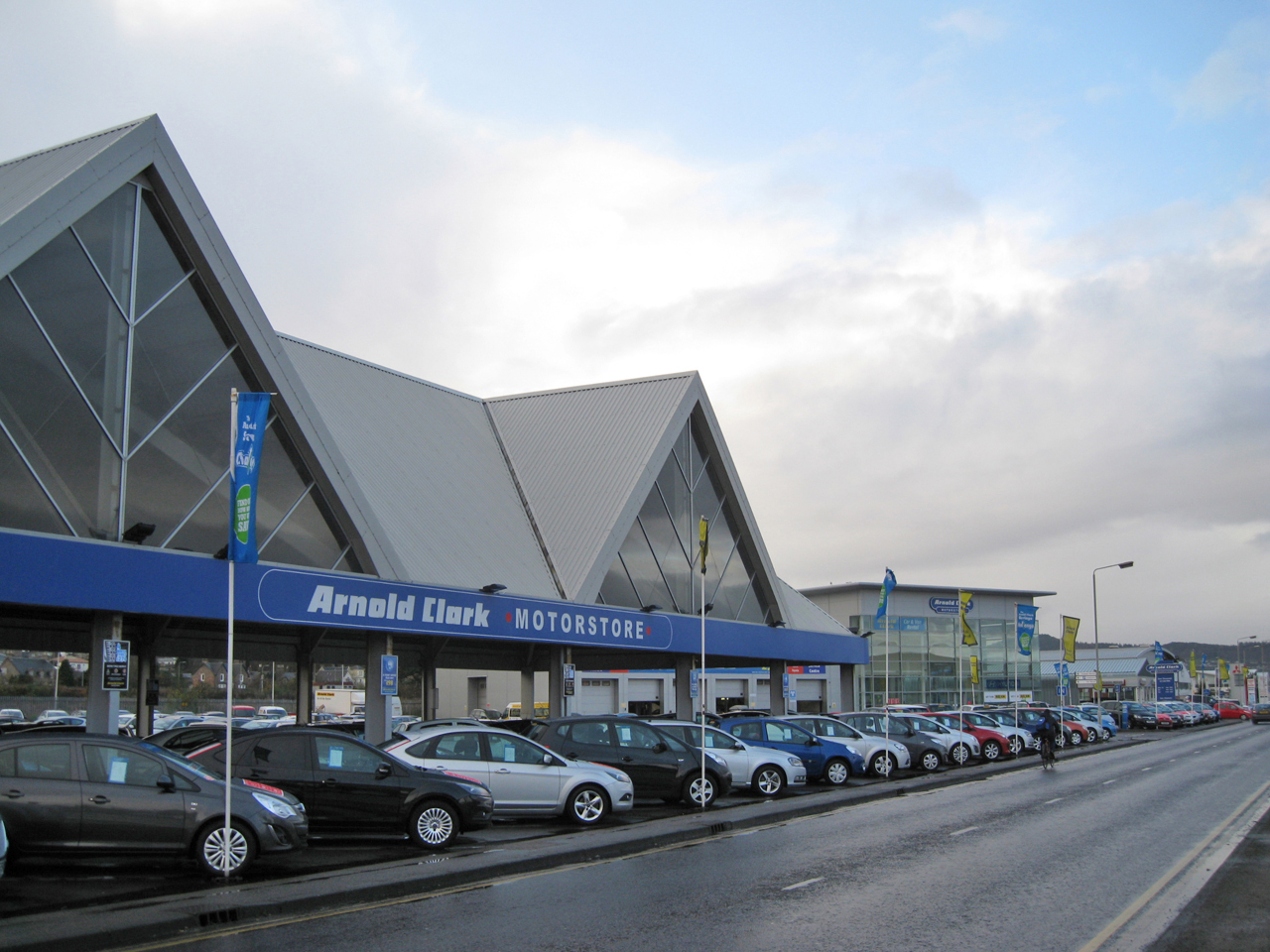
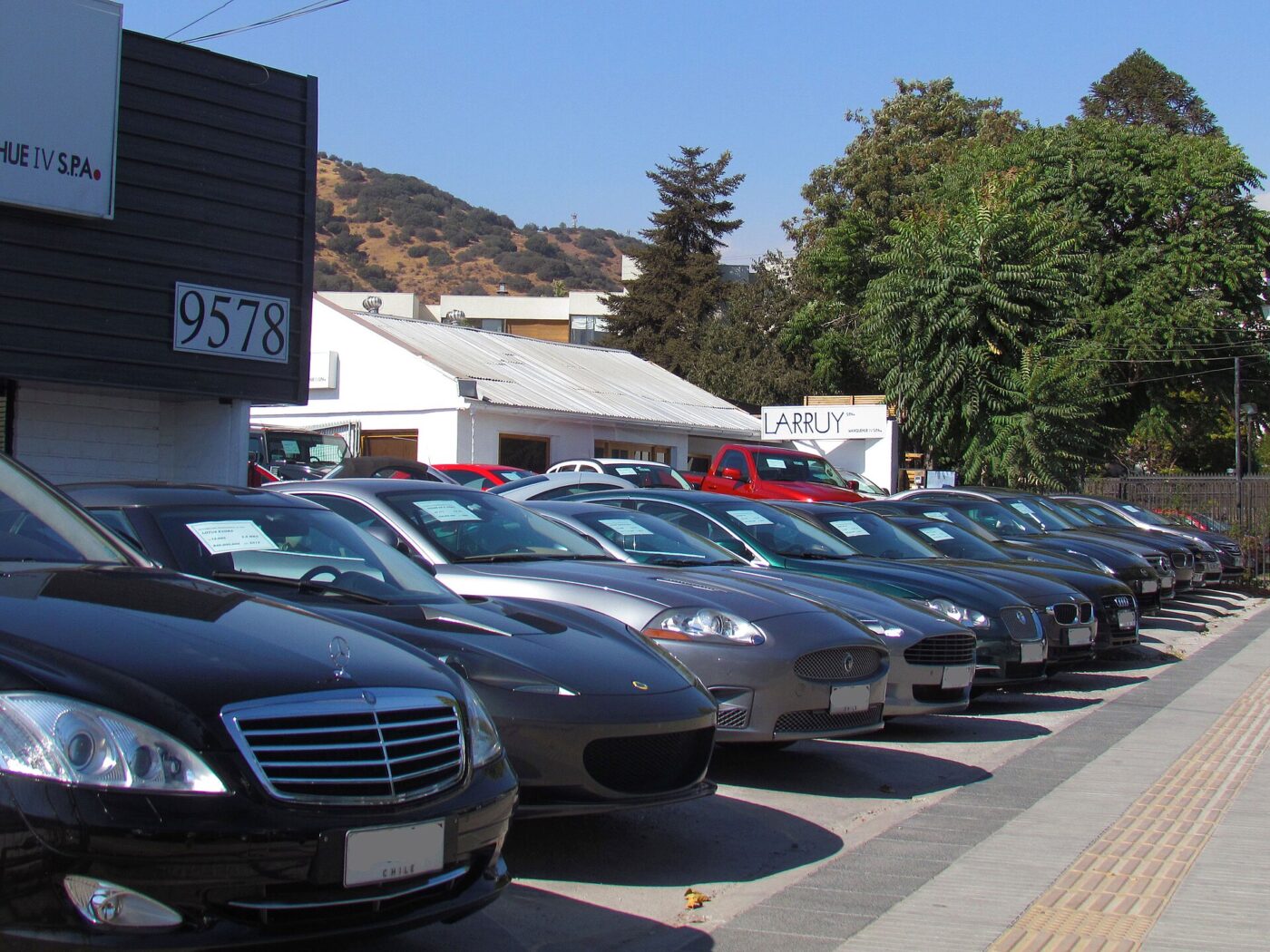
Cox Automotive’s retail data put the average used-vehicle listing at $27,239 in August 2026, up 7% from a year earlier and the highest since December 2022. Franchised and independent dealers had 2.13 million used vehicles on their lots, or 44 days’ supply at the August sales pace, and retail used sales were an estimated 1.50 million.
The BLS consumer price index tells a softer story. Its used cars and trucks index stood at 184.580 in August 2026, 2.3% below August 2025. But it has been climbing through 2026, up 5.1% from its February low of 175.559, by our calculation from the index levels.
The gap reflects what each measures. A listing average moves with the mix of cars on lots, so a shortage of cheap cars pushes it up even if individual models hold steady, while the CPI aims to track price change for comparable vehicles. Both have pointed up since the start of 2026, from different starting points.
Listing averages can overstate how much any single model got pricier, but the direction in 2026 has been up on both measures.
Cheap cars are the scarce ones
The tightest part of the market is the part most buyers need. Cox reported that used vehicles listed below $15,000 had only 29 days’ supply in August 2026, 15 days below the industry average, after supply in that price band fell 25.9% from a year earlier.
Auction data show the same pressure from the other side. In Cox’s August 2026 Manheim report, chief economist Jeremy Robb noted that younger vehicles have fallen more in value while older, more affordable units have shown much less depreciation. Compact cars held up, while pickups and SUVs continued to trend down.
Fuel prices likely play a part. With regular gasoline at $4.319 a gallon in mid-September 2026, $1.151 above a year earlier per EIA, compact cars and EVs were the only major segments valued above year-ago levels at auction in mid-September, which Cox’s Jonathan Gregory said potentially reflects greater demand for fuel-efficient vehicles. The EV index alone was up 4.5% year over year in August.
Wholesale prices are turning first
The Manheim Used Vehicle Value Index, which tracks wholesale used-vehicle prices at auction, has drifted down since June. By our calculation from Cox’s index levels, it fell about 3.1% from June to the first half of September.
Other auction signals point the same way. Wholesale days’ supply was 27.8 on September 15, about 2.4 days more than a year earlier, and the share of vehicles that sold at auction slipped to 55.8%, down 1.4 points. We read more supply and softer auction sales as an easing wholesale market that has not yet reached retail lots, where August listings were still rising.
New cars offer little relief at the top. Kelley Blue Book data put the average new-vehicle transaction price at $50,089 in August 2026, up 1.9% from a year earlier, with incentives at 6.5% of the price, down from 7.2% in August 2025.
| Period | Manheim index | Change from a year earlier |
|---|---|---|
| June 2026 | 212.9 | +2.1% |
| August 2026 | 208.2 | +0.4% |
| First half of September 2026 | 206.2 | -0.4% |
How to buy without overpaying
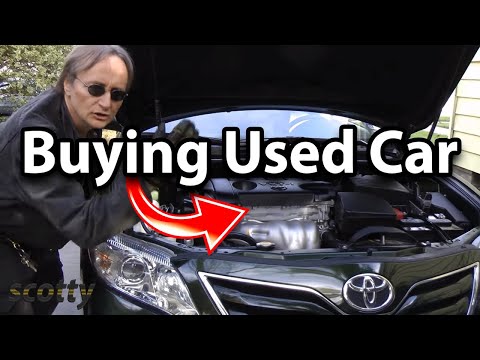
High prices raise the cost of a bad purchase, and the FTC’s used-car guidance is the baseline. Dealers have to display a Buyers Guide in every used car they offer for sale, and a car marked As Is — No Dealer Warranty means the dealer will not pay for any problems or needed repairs.
The FTC also says a vehicle history report is not a substitute for an independent inspection, and advises getting a mechanic’s written report with repair cost estimates before buying, even for certified pre-owned cars. Federal law does not give buyers three days to cancel a deal; some states do, so check with your state attorney general’s office.
Before you pay a mechanic, a few checks of your own can rule cars out:
- Plug in an OBD2 scanner to see stored trouble codes and whether the emissions readiness monitors have completed; freshly cleared codes are a reason to ask questions.
- Run a paint thickness gauge along each panel; one panel reading far above its neighbors points to refinishing after body work.
- Use an inspection camera or flashlight under the car and inside the wheel wells to look for rust, leaks and flood debris.
Buy now or wait
If you need a car under $15,000, waiting is unlikely to help much. Supply in that band is thin, and older, affordable vehicles are the ones holding value at auction, per Cox. Buy the best-documented car you can find and put what you save by negotiating toward an independent inspection.
If you are shopping a late-model SUV or pickup and can wait a few months, the data lean your way. Younger vehicles have been falling faster at auction, pickups and SUVs are trending down, and the overall wholesale index has turned lower year over year. Watch whether retail listings follow in the fall of 2026.
EV shoppers are the exception: used EV listings were up 8.2% year over year in August 2026, per Cox. More on that shift in our Auto and EVs coverage.
What to watch next
- Cox Automotive’s September 2026 used inventory report: whether the $27,239 average listing starts to fall
- The full-month September Manheim index: a second reading below year-earlier levels would confirm the wholesale turn
- The BLS used cars and trucks CPI for September 2026, which rose from February through July before leveling off in August
Where to start
Paid links: we earn a commission if you buy through the buttons below, at no extra cost to you. As an Amazon Associate I earn from qualifying purchases.
DIY used-car inspection tools compared
| Product type | Good fit for | Where to look |
|---|---|---|
| Bluetooth OBD2 scanner | Fits checking engine history | See listings on AmazonOpens Amazon search results, not one listing: check the model on the product page. |
| Paint thickness gauge | Fits spotting hidden body work | See listings on AmazonOpens Amazon search results, not one listing: check the model on the product page. |
| Automotive inspection camera (borescope) | Fits looking under the car | See listings on AmazonOpens Amazon search results, not one listing: check the model on the product page. |
Product types that fit the trend described above, not tested models. Check the exact listing before you buy. How we pick them.
Bluetooth OBD2 scanner
Where to look: Amazon
Suits anyone shopping private-party or independent-lot cars. Ask the seller before plugging in, and bring the results to your mechanic.
- Reads stored codes in minutes
- Readiness status can reveal freshly cleared codes
- Codes point to a system, not always the cause
- Needs a phone app for Bluetooth models
Paint thickness gauge
Where to look: Amazon
Suits buyers comparing several similar cars. Compare each panel with its neighbors rather than against a fixed number.
- Finds repainted panels photos hide
- Quick to run around a car
- Takes practice to read consistently
- Does not show frame damage
More: Auto and EVs trends and how the Trend Signal is scored.
Sources
- Used-Vehicle Prices Reach Highest Level Since 2022 as Inventory Tightens in August — Cox Automotive
- Manheim Used Vehicle Value Index: August 2026 Trends — Cox Automotive
- Manheim Used Vehicle Value Index: Mid-September 2026 Trends — Cox Automotive
- Manheim Used Vehicle Value Index Normalizes in Q2 After Strong Start in 2026 — Cox Automotive
- Kelley Blue Book Report: Average New-Vehicle Transaction Price, August 2026 — Cox Automotive
- EV Market Monitor, August 2026 — Cox Automotive
- CPI-U: Used cars and trucks in U.S. city average — Bureau of Labor Statistics
- Gasoline and Diesel Fuel Update — U.S. Energy Information Administration
- Buying a Used Car From a Dealer — Federal Trade Commission
Questions readers ask
Are used car prices going down in 2026?
Not at retail yet. Cox Automotive put the average listing at $27,239 in August 2026, up 7% year over year, but its Manheim wholesale index fell to 0.4% below a year earlier in the first half of September 2026.
Why are cheap used cars so hard to find?
Supply is short. Cox reported only 29 days’ supply for used vehicles listed under $15,000 in August 2026, after supply in that band fell 25.9% from a year earlier.
Is a vehicle history report enough before buying?
No. The FTC says a vehicle history report is not a substitute for an independent inspection and recommends a mechanic’s written report with cost estimates, even for certified pre-owned cars.
Can I return a used car within three days?
Not under federal law. The FTC says federal law does not require a three-day cancellation right, though some states require dealers to offer one; check with your state attorney general.