For most of the EV era, the used market was where electric cars went to lose value. In 2026 that pattern flipped. The federal credits for new and used EVs both ended on September 30, 2025, new EV sales dropped hard, and yet shoppers bought more used EVs than a year earlier and paid more for them.
This is a shift in where EV demand lives, not a collapse of it. Buyers who once took a $7,500 credit on a new car are now shopping three-year-old Bolts, Model 3s and Mach-Es, with gasoline more than $1 a gallon above its September 2025 level. Here is what the data shows and what it means if you plan to buy one.
Trend Signal
70/100 Strong momentum
- Emerging
- Rising
- Mainstream
- Peaking
- Cooling
Used EV demand absorbed rising supply, but wholesale gains are fading
Cox Automotive counted 44,350 used EV sales in August 2026, up 14.7% from a year earlier, with the average listing up 8.2% to $37,441; the Manheim EV wholesale gain slowed from 12% in June to 2.3% in mid-September.
Our editorial reading of the cited data, not a forecast. How it is scored
By the numbers
- $37,441Average used EV listing price, August 2026, up 8.2% from August 2025Cox Automotive
- 46.9%New EV sales, August 2026 vs August 2025 (about 78,895 units)Cox Automotive
- +19.7%Average price of a used 2023 Chevrolet Bolt EV, January to June 2026Recurrent
- $4.319U.S. regular gasoline per gallon, week of Sept. 14, 2026, up $1.151 in a yearEIA
New EV sales fell while used EV sales climbed
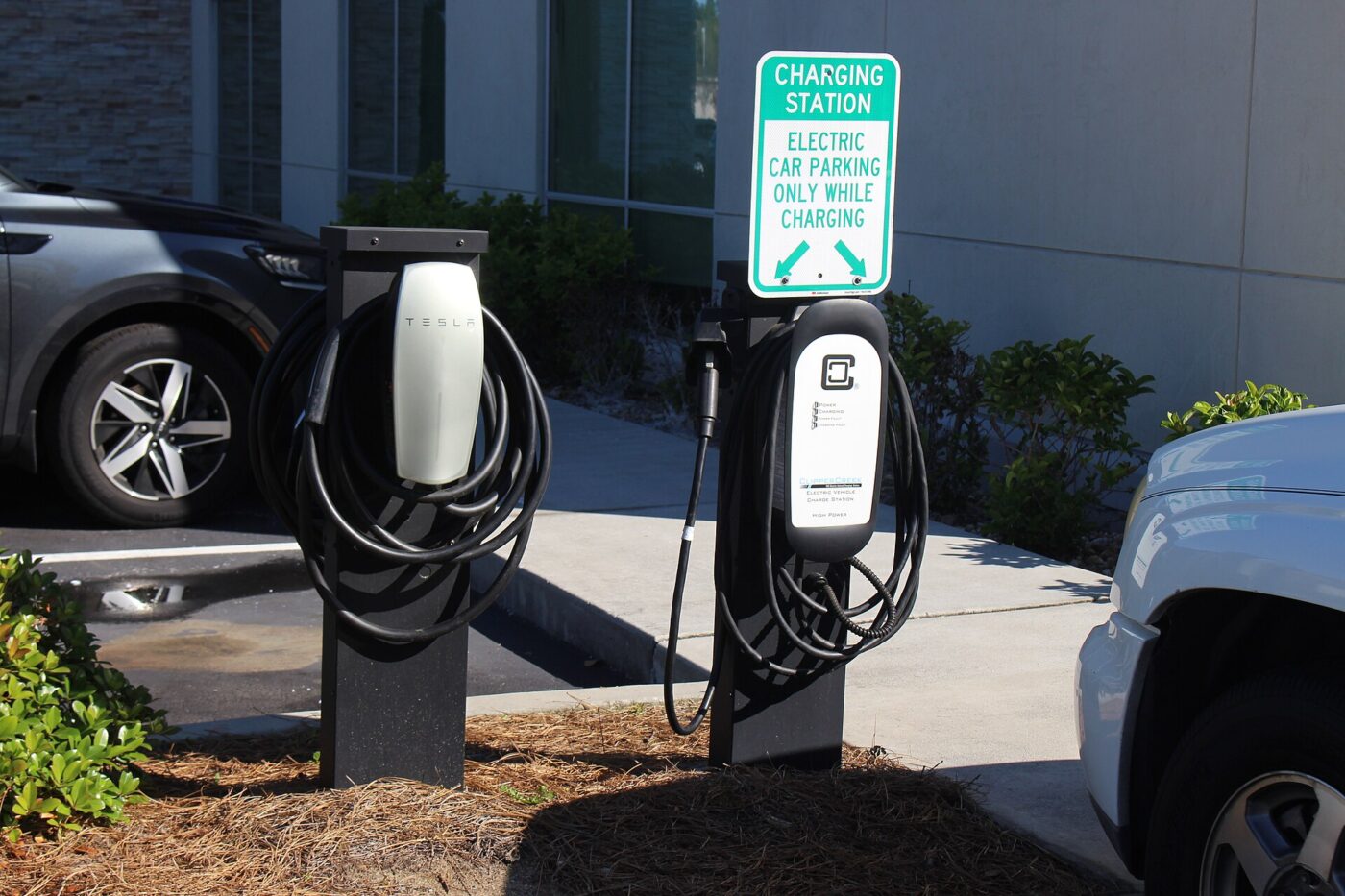
The split showed up soon after the credits expired. Cox Automotive estimated 212,600 new EVs sold in the first quarter of 2026, down 28% from a year earlier, while used EV sales rose 12% to 93,500, according to Electrek’s report on Cox’s March 25, 2026 industry call. By August 2026 new EV sales were an estimated 78,895, down 46.9% year over year and 5.7% of all new-vehicle sales, while used EV sales rose 14.7% to 44,350.
The used side lost a subsidy too, which makes its growth more telling. The IRS Previously-Owned Clean Vehicle Credit, worth 30% of the sale price up to $4,000 on cars selling for $25,000 or less, is not available for vehicles acquired after September 30, 2025. Used EV demand grew anyway.
The clearest tailwind is fuel. EIA’s weekly survey put regular gasoline at $4.319 a gallon for the week of September 14, 2026, $1.151 higher than a year earlier. Cox’s second-quarter wholesale report credited EV strength to growing model variety, better consumer familiarity with the technology and higher fuel costs.
The credit cliff moved EV demand from the new-car lot to the used-car lot rather than erasing it.
Where used EV prices are heading
Prices followed demand up. Cox put the average used EV listing at $37,441 in August 2026, 8.2% above August 2025, with 42 days’ supply. The used EV premium over the internal-combustion group Cox calls ICE+ narrowed to 7.8%. For the first quarter, Electrek reported Cox figures showing used EVs averaging $34,821 against $33,487 for used gas vehicles, a gap of about $1,300, down from more than $10,000 in early 2023.
Recurrent, which tracks used EV listings and battery data, measured a volume-weighted price gain of 5.1% between January and June 2026, reaching 7% by mid-July. The cheapest cars moved most: cars priced under $20,000 in January rose 9.4%.
Wholesale is where the momentum is fading. Manheim’s EV index, which tracks what dealers pay at auction, was up 12% year over year in June 2026. By August the gain was 4.5%, and in the first half of September it was 2.3%, with prices down 1.3% from August. Auction prices are what dealers pay to restock, so a slowing wholesale line is an early sign the retail climb could flatten.
| Model | January 2026 average | June 2026 average | Change |
|---|---|---|---|
| 2023 Chevrolet Bolt EV | $17,718 | $21,204 | +19.7% |
| 2023 Chevrolet Bolt EUV | $19,189 | $22,061 | +15.0% |
| 2022 Tesla Model 3 | $23,753 | $26,884 | +13.2% |
| 2023 Ford Mustang Mach-E | $30,727 | $34,733 | +13.0% |
| 2021 Volkswagen ID.4 | $18,771 | $21,128 | +12.6% |
Why new EVs look cheaper by comparison
The new-car side moved the other way. Kelley Blue Book data from Cox put the average new EV transaction price at $54,813 in August 2026, down 2.7% from a year earlier, and the EV premium over the overall new-vehicle average shrank to 9.4% from more than 16% in August 2025. Cox’s EV Market Monitor put incentives at 12% of the average new EV price, about $6,594 per vehicle.
That matters if you are weighing a used EV against a discounted new one. With used prices up and new prices down, the gap that made a three-year-old EV an easy bargain has narrowed. We read the used rally as strongest at the bottom of the market, where no new EV competes: Recurrent, citing Cox Automotive, reported that 44% of used EVs sold in March 2026 cost under $25,000, and its own data showed the 2023 Bolt EV selling in a median 12 days at an average of about $21,300.
Supply is set to grow: Recurrent projects as many as 500,000 EV lease returns in 2026, and Cox’s August used EV days’ supply was still 20.2% above a year earlier.
The home charging math after June 30, 2026
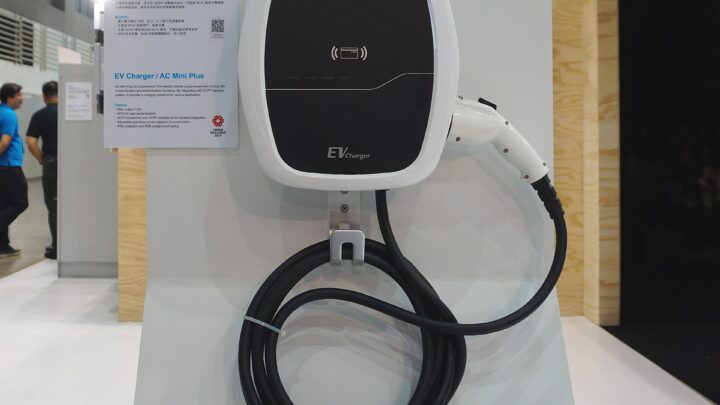
A used EV buyer also inherits a charging question, and that math changed too. The IRS describes the federal credit for home charging equipment as covering property placed in service at a main home from January 1, 2023 to June 30, 2026, at 30% of the cost up to $1,000 per item, and only in eligible low-income or non-urban census tracts. A charger installed after that date falls outside the window the IRS describes.
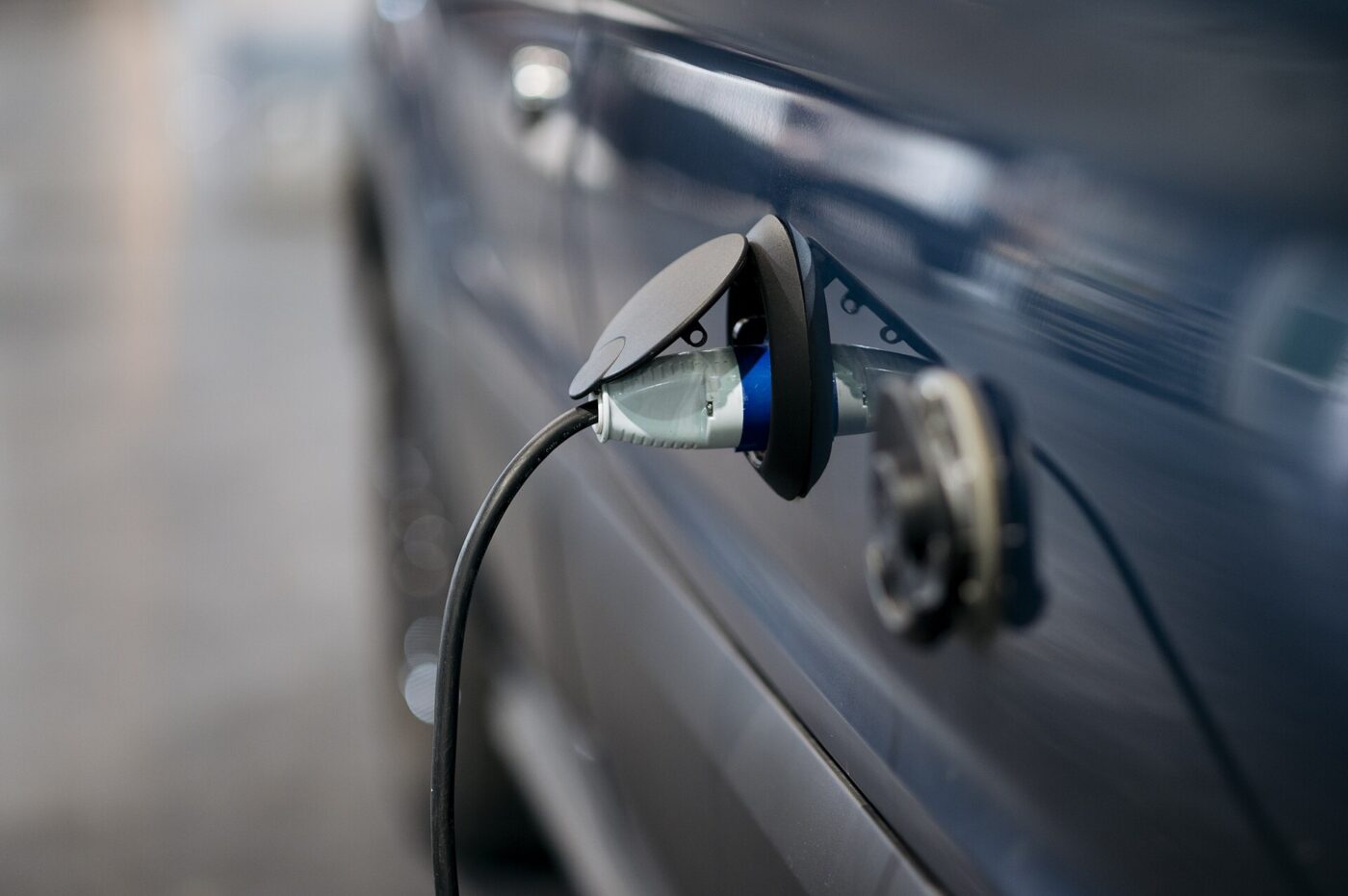
Level 1 charging from a standard 120-volt outlet adds about 5 miles of range per hour, per the DOE Alternative Fuels Data Center; Level 2 at 240 volts adds about 25. The AFDC notes that many owners meet daily needs by charging overnight on Level 1, with no additional cost or installation if an outlet on a dedicated circuit is near where they park.
Running costs are rising but still low next to gas. The average U.S. residential electricity price was 18.34 cents per kWh in June 2026, up from 17.47 cents a year earlier, per EIA, and EIA’s September outlook expects 18.2 cents for 2026 as a whole. By our calculation, at that rate the AFDC’s example of a fully depleted 54 kWh battery with about 200 miles of range costs roughly $9.80 to fill before charging losses, while a 30 mpg gas car covering the same 200 miles burns about 6.7 gallons, or about $29 at the mid-September national average.
If overnight charging on a 120-volt outlet covers your daily miles, a Level 2 charger is optional, not required.
Who should buy a used EV now, and who should wait

Buy now if you have home charging, drive mostly local miles and are shopping at the low end, where gas savings are largest relative to the price. Recurrent’s fastest sellers turned over in about two weeks, so well-priced cars do not sit.
Wait if you are flexible and looking at the $30,000-plus tier. Wholesale gains have narrowed in each reading since June, lease returns are rising, and EIA expects gasoline to average $3.84 for 2026 and $3.35 the year after, which would weaken the fuel argument carrying used EV demand. Neither federal credit applies to purchases made after September 30, 2025, so there is no tax deadline to race.
Whichever you choose, ask the seller for a battery health report and compare the car’s current full-charge range estimate with its original EPA rating before you negotiate.
What to watch next
- Cox Automotive’s monthly EV Market Monitor: whether the used EV premium over ICE+ vehicles, 7.8% in August 2026, keeps shrinking
- Manheim’s EV wholesale index: a year-over-year reading below zero would mean dealers are paying less for used EVs than in 2025
- EIA’s weekly gasoline price against its $3.84 forecast for 2026; a drop toward that level would test used EV demand
Where to start
Paid links: we earn a commission if you buy through the buttons below, at no extra cost to you. As an Amazon Associate I earn from qualifying purchases.
Home charging options for a used EV compared
| Product type | Good fit for | Where to look |
|---|---|---|
| Plug-in Level 2 EV charger (NEMA 14-50) | Fits a garage with a 240V outlet | See listings on AmazonOpens Amazon search results, not one listing: check the model on the product page. |
| Hardwired Level 2 wall charger | Fits a new circuit wired by an electrician | See listings on AmazonOpens Amazon search results, not one listing: check the model on the product page. |
| Portable dual-voltage EV charger | Fits renters and road trips | See listings on AmazonOpens Amazon search results, not one listing: check the model on the product page. |
Product types that fit the trend described above, not tested models. Check the exact listing before you buy. How we pick them.
Plug-in Level 2 EV charger (NEMA 14-50)
Where to look: Amazon
Suits owners who already have a 240-volt outlet in the garage. Check the safety listing and that the charger’s amp rating matches the circuit.
- About 25 miles of range per hour, per DOE
- Moves with you if you relocate
- Needs a 240-volt outlet on a suitable circuit
- Permit rules vary by town
Hardwired Level 2 wall charger
Where to look: Amazon
Suits homeowners who drive enough to need fast overnight top-ups. Get an electrician’s quote before buying the hardware.
- No plug to wear out
- ENERGY STAR models use 40% less standby energy
- Needs an electrician and possibly a permit
- The federal install credit window closed June 30, 2026
Portable dual-voltage EV charger
Where to look: Amazon
Suits renters and light drivers. ENERGY STAR warns that not every charger for sale is safety certified, including some from large retailers, so check for a listing.
- Works from a standard outlet on Level 1
- Stays in the trunk for trips
- Level 1 adds about 5 miles per hour
- Safety certification varies by listing
More: Auto and EVs trends and how the Trend Signal is scored.
Sources
- EV Market Monitor, August 2026 — Cox Automotive
- Manheim Used Vehicle Value Index Normalizes in Q2 After Strong Start in 2026 — Cox Automotive
- Manheim Used Vehicle Value Index: August 2026 Trends — Cox Automotive
- Manheim Used Vehicle Value Index: Mid-September 2026 Trends — Cox Automotive
- Kelley Blue Book Report: Average New-Vehicle Transaction Price, August 2026 — Cox Automotive
- New EV sales drop 28% in Q1 2026, but used EVs surge 12% — Electrek
- Used Electric Car Prices and Market Report, Q3 2026 — Recurrent
- Gasoline and Diesel Fuel Update — U.S. Energy Information Administration
- Short-Term Energy Outlook, September 2026 — U.S. Energy Information Administration
- Short-Term Energy Outlook: Electricity, Coal and Renewables — U.S. Energy Information Administration
- Electric Power Monthly, Table 5.6.A, Average Price of Electricity by Sector — U.S. Energy Information Administration
- Used Clean Vehicle Credit — Internal Revenue Service
- Alternative Fuel Vehicle Refueling Property Credit — Internal Revenue Service
- Charging Electric Vehicles at Home — DOE Alternative Fuels Data Center
- Electric Vehicle Charging Stations — DOE Alternative Fuels Data Center
- ENERGY STAR Certified EV Chargers — ENERGY STAR
Questions readers ask
Is the used EV tax credit still available in 2026?
No. The IRS says the Previously-Owned Clean Vehicle Credit, which paid 30% of the sale price up to $4,000 on cars selling for $25,000 or less, is not available for vehicles acquired after September 30, 2025.
Are used EVs more expensive than used gas cars now?
Slightly. Cox Automotive put the used EV premium over its ICE+ comparison group at 7.8% in August 2026, and Electrek reported a first-quarter 2026 gap of about $1,300, down from more than $10,000 in early 2023.
Why are used EV prices going up in 2026?
Demand has absorbed a growing supply, and Recurrent says demand for affordable used EVs is outrunning it. Used EV sales were up 14.7% year over year in August 2026, per Cox Automotive, and regular gasoline averaged $4.319 in mid-September, $1.151 above a year earlier, per EIA.
Do I need a Level 2 charger for a used EV?
Not always. The DOE Alternative Fuels Data Center says many owners meet daily needs by charging overnight on Level 1, which adds about 5 miles of range per hour; Level 2 adds about 25.