For years, a US seller could order samples, packaging or finished goods from an overseas supplier in small parcels and pay no duty on anything valued at $800 or less. Supply Chain Dive describes the exemption as having enabled low-cost imports to enter the US duty free. The exemption stopped applying to every country on August 29, 2025, and in June 2026 US Customs and Border Protection (CBP) turned the suspension into an indefinite one, with a formal process for the international mail.
This Market Shift explains what changed in 2026, why the Supreme Court’s tariff decision did not reopen the door, what the new postal entry process demands of a small importer, and which kinds of small businesses are best and worst placed now that the rules have settled.
Trend Signal
70/100 Strong momentum
- Emerging
- Rising
- Mainstream
- Peaking
- Cooling
Duty-free small parcels are gone and mail volume fell by about two-thirds
CBP’s June 24, 2026 interim final rules suspend the $800 exemption indefinitely under 19 U.S.C. 1321(b), and CBP estimates mail shipments fell by about two-thirds after the August 29, 2025 global suspension.
Our editorial reading of the cited data, not a forecast. How it is scored
By the numbers
- 1.36BDe minimis shipments processed by CBP in fiscal 2024, up from 139 million in 2015CBP, Federal Register
- 2/3Estimated drop in mail shipments after the August 29, 2025 global suspensionCBP, Federal Register
- $2,500Value ceiling for the new postal informal entry, effective July 24, 2026CBP, Federal Register
- 34.8MViolations in Type 86 entries in fiscal 2024, as estimated by CBP staffCBP, Federal Register
From 1.36 billion parcels to an indefinite suspension
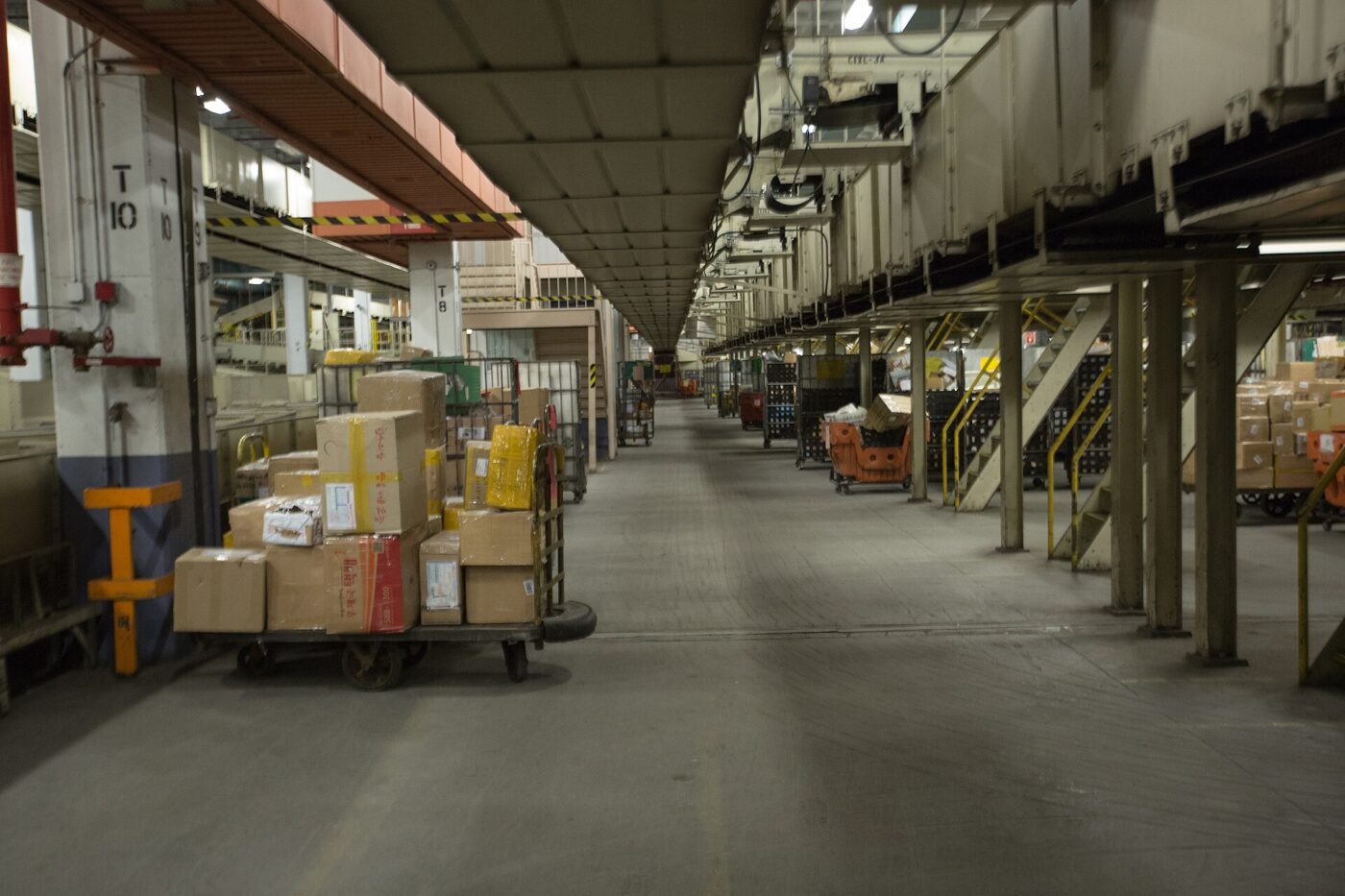
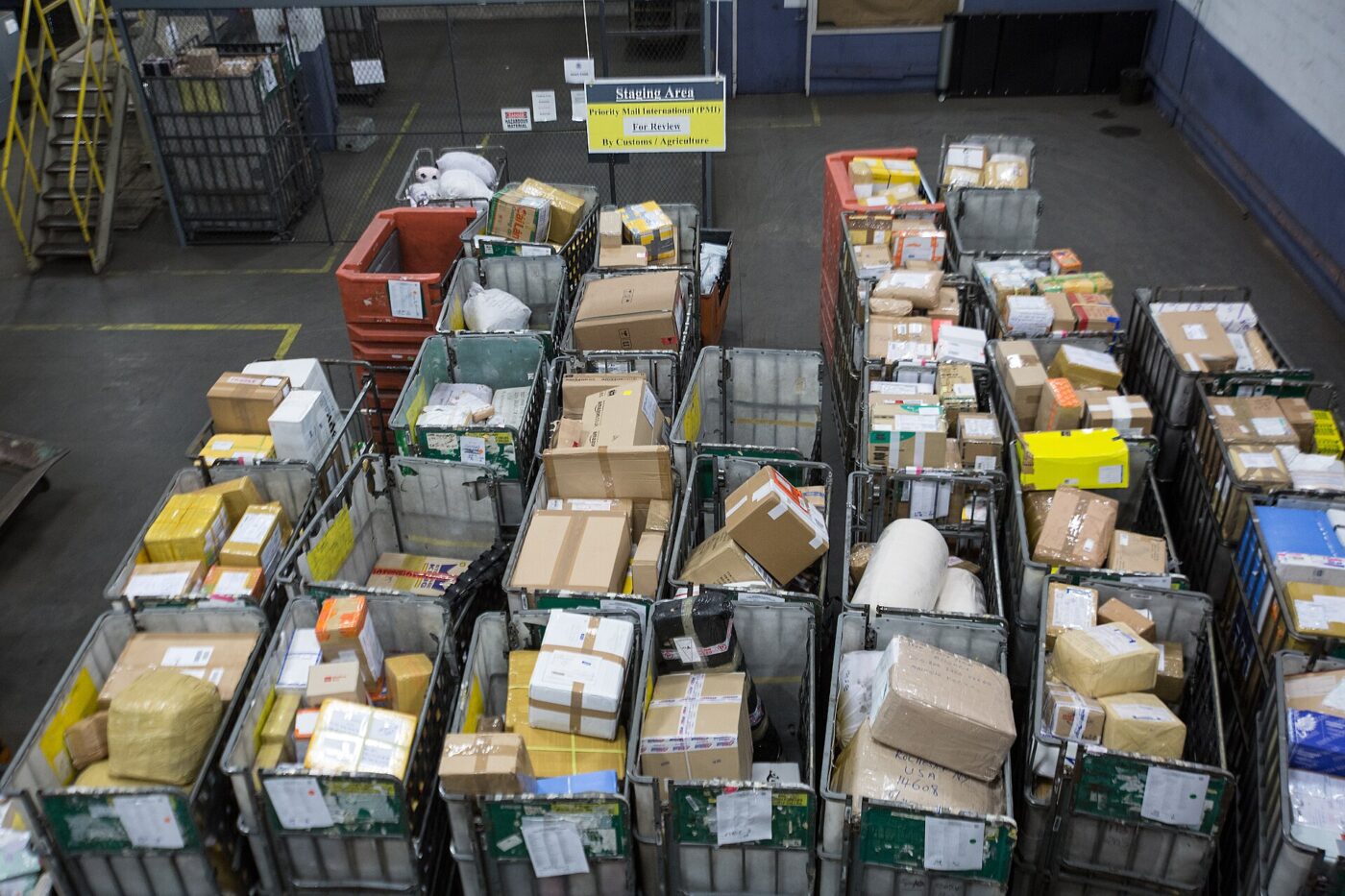
The scale of what ended is in CBP’s own numbers. In fiscal 2024 the agency processed more than 1.36 billion de minimis shipments, almost ten times the 139 million it handled in 2015, according to the interim final rule published June 24, 2026. The same document cites an estimate by CBP’s own field-operations experts of 34.8 million violations in Type 86 entries in fiscal 2024.
Executive Order 14324 suspended the exemption for all countries effective August 29, 2025. The White House said in a 2025 fact sheet that it ended the exemption to crack down on drug trafficking and on importers avoiding tariffs, Supply Chain Dive reported. CBP now estimates a two-thirds reduction in mail shipments since that global suspension.
On June 24, 2026, CBP published two interim final rules. One indefinitely suspends de minimis for all modes of entry other than the international postal network, effective the same day. The other suspends it for mail shipments and sets up a postal informal entry process that took effect July 24, 2026, the same date comments on both rules were due.
The exemption is not paused pending a court case; it is suspended by regulation with no end date.
Why the Supreme Court ruling did not bring it back
On February 20, 2026 the Supreme Court ruled that the International Emergency Economic Powers Act (IEEPA) does not authorize the President to impose tariffs. Because the 2025 de minimis order had cited IEEPA among its authorities, some trade lawyers argued the suspension was exposed. Supply Chain Dive quoted Nick Baker of Kroll arguing that the ruling should cover de minimis, while KPMG’s Irina Vaysfeld pointed to competing legal arguments.
The ruling did not address de minimis directly, and the White House issued an order the same day continuing the suspension. The President also issued Proclamation 11012 of February 20, 2026, a 10 percent temporary import surcharge on certain imports for 150 days, and Supply Chain Dive reported that carriers were told to collect a duty equal to that 10% rate on postal parcels in place of the earlier IEEPA-based charges.
CBP’s June rules add a footing that does not depend on emergency powers. They rest on 19 U.S.C. 1321(b), which lets the Secretary except merchandise from the administrative exemption when that is “necessary to protect the revenue or to prevent unlawful importations.” Separately, Congress wrote a termination of the exemption, with a later effective date, into the One Big Beautiful Bill Act, enacted July 4, 2025, the June rule notes. With a regulatory suspension in force and a statutory repeal already enacted, we see no realistic path back to duty-free $800 parcels.
What the new postal entry process asks of an importer
For mail, the July 24 rule creates a postal informal entry for merchandise valued at $2,500 or less. Only the owner or purchaser of the goods, or a licensed customs broker they designate, may file; BDO notes that third parties are no longer permitted. The filer needs a single transaction bond or a continuous bond, and BDO adds that shipments will not be released until CBP receives the bond.
Filing is monthly. The filer sends CBP a spreadsheet covering each item’s description, 10-digit HTSUS classification and the bond number by the 7th of the month after arrival, and pays through Pay.gov by the same date. Mail shipments above $2,500 need a formal entry. BDO lists antidumping, countervailing, Section 301 and Section 232 duties and partner-agency requirements among the cases that call for formal entry, and CBP set October 22, 2026 as the compliance date for the provisions covering partner-agency and chapter 98–99 merchandise.
CBP’s voluntary test of an electronic informal entry, Entry Type 13, in its ACE system starts on September 22, 2026 and runs until CBP announces its end, according to a CBP notice and BDO. For a small business, the takeaway is that a parcel from an overseas supplier is now a customs entry with a bond, a classification and a duty payment, not a package that simply shows up.
| What changed | Applies to | Effective |
|---|---|---|
| Indefinite de minimis suspension | All modes except international mail | June 24, 2026 |
| Postal informal entry, up to $2,500 | International mail | July 24, 2026 |
| Voluntary Entry Type 13 test in ACE | Electronic informal entries | September 22, 2026 |
| Partner-agency and chapter 98–99 provisions | Postal entries | October 22, 2026 |
Which small businesses gain and which lose
The models hit hardest are the ones that depended on many small duty-free parcels crossing the border: dropshipping from overseas suppliers straight to US customers, overseas makers mailing directly to US buyers, and US makers who bought supplies in small overseas orders. Each of those parcels now carries duty and entry paperwork, and CBP’s estimate of a two-thirds drop in mail shipments shows how sharply that traffic fell.
Sellers that already held inventory in the US, bought from domestic wholesalers or produced locally lose little from the change, and their price gap against direct-from-overseas competitors has narrowed. We read the shift as favoring a stock-and-ship model: import in fewer, larger entries, store goods domestically, and ship orders from a home or rented space.
That model has its own costs, from shelving and storage to labels and packing time, and it ties up cash in inventory. Sellers moving to it should price duty into the landed cost of each item, not only the supplier invoice, and compare a licensed customs broker’s fees with the work of filing their own entries and holding a bond.
In 2026 the useful question is less where a product is cheapest and more where it sits when the customer orders.
What to watch next
- Whether CBP finalizes or amends the two June 24, 2026 interim final rules after the comment period that closed July 24, 2026
- How the voluntary Entry Type 13 test in ACE, which CBP says starts September 22, 2026, develops as an electronic route for postal entries
- The October 22, 2026 compliance date for partner-agency and chapter 98–99 merchandise in the postal process
Where to start
Paid links: we earn a commission if you buy through the buttons below, at no extra cost to you. As an Amazon Associate I earn from qualifying purchases.
Gear for a stock-and-ship setup
| Product type | Good fit for | Where to look |
|---|---|---|
| 4×6 thermal shipping label printer | Fits shipping your own orders | See listings on AmazonOpens Amazon search results, not one listing: check the model on the product page. |
| Heavy-duty steel storage shelving | Fits storing bulk inventory | See listings on AmazonOpens Amazon search results, not one listing: check the model on the product page. |
| Stackable storage bins with label holders | Fits sorting many small SKUs | See listings on AmazonOpens Amazon search results, not one listing: check the model on the product page. |
Product types that fit the trend described above, not tested models. Check the exact listing before you buy. How we pick them.
4×6 thermal shipping label printer
Where to look: Amazon
Once orders ship from your own shelves instead of an overseas supplier, label printing becomes a daily task. Check compatibility with the platforms where you buy postage.
- No ink or toner
- Prints the 4x6 labels carriers use
- Needs thermal label stock
- Some models need a driver per computer
Heavy-duty steel storage shelving
Where to look: Amazon
Importing in fewer, larger shipments means holding more stock. Check the weight rating per shelf against full cartons, not single items.
- Holds cartons from larger entries
- Adjustable shelf heights
- Takes floor space
- Assembly required
Stackable storage bins with label holders
Where to look: Amazon
Small products in many variants are easier to pick and count in labeled bins. Check that bins fit your shelf depth before buying a set.
- Keeps variants apart
- Labels speed up picking
- Adds cost per SKU
- Stacks can get heavy
More: Small Business and Side Hustles trends and how the Trend Signal is scored.
Sources
- Indefinite Suspension of the De Minimis Exemption for Merchandise Arriving Through All Modes Other Than the International Postal Network — Federal Register (GovInfo)
- Indefinite Suspension of the De Minimis Exemption for Mail Shipments and New Postal Informal Entry Process — Federal Register (GovInfo)
- De minimis still shelved after Supreme Court’s tariff ruling — Supply Chain Dive
- CBP Suspends De Minimis Exemption and Introduces New Postal Entry Requirements — BDO
- Test of the New Electronic Informal Entry Process for Mail — Federal Register (GovInfo)
- Learning Resources, Inc. v. Trump, decided February 20, 2026 — Supreme Court of the United States
Questions readers ask
Is the $800 de minimis exemption coming back?
Not on any announced timeline. CBP’s June 24, 2026 interim final rules suspend it indefinitely for all modes, including mail, and the One Big Beautiful Bill Act separately repeals the exemption by statute, from a later effective date set in the law.
Did the Supreme Court tariff ruling restore de minimis?
No. The February 2026 ruling on IEEPA tariffs did not address de minimis, the White House continued the suspension the same day, and CBP re-based it on 19 U.S.C. 1321(b) in June 2026.
Who can clear a mail parcel under the new process?
From July 24, 2026, a postal informal entry, for goods valued at $2,500 or less, can be filed by the owner or purchaser or a licensed customs broker they designate, with a single transaction bond or a continuous bond.
How many de minimis parcels were there before the suspension?
CBP processed more than 1.36 billion de minimis shipments in fiscal 2024, up from 139 million in 2015, according to its June 2026 interim final rule.