Electric heating pads and heated throws are the definition of an unglamorous purchase: cheap, bought in October, used until the cord frays. They are also, on the federal record in 2026, unusually recall-prone. Four separate safety actions between February and September 2026 covered more than 400,000 units, and the documents read almost identically.
What changed is not the product. It is the channel. Each of the three CPSC actions in 2026 involves a brand sold only through a single online marketplace; the two recalls name firms in China, and in the third the Consumer Product Safety Commission had to warn the public on its own because the company would not respond.
Trend Signal
52/100 Steady momentum
- Emerging
- Rising
- Mainstream
- Peaking
- Cooling
Two large recalls in seven weeks, both marketplace-only brands
CPSC announced a recall of about 178,000 OCTROT heated throws on July 30, 2026 and about 195,000 JKMax heated blankets and pads on September 17, 2026; both lines were sold only on Amazon.com by companies based in China.
Our editorial reading of the cited data, not a forecast. How it is scored
By the numbers
- 195,000JKMax heated blankets and pads recalled on September 17, 2026CPSC
- 577Reports of JKMax products smoking, melting or burning, including 53 burn injuriesCPSC
- 178,000OCTROT heated throws and blankets recalled July 30, 2026 after 27 reported firesCPSC
- 28,457Handy Solutions heating pads in a recall the FDA posted as Class I on March 21, 2026FDA
Four actions in seven months, one sales channel
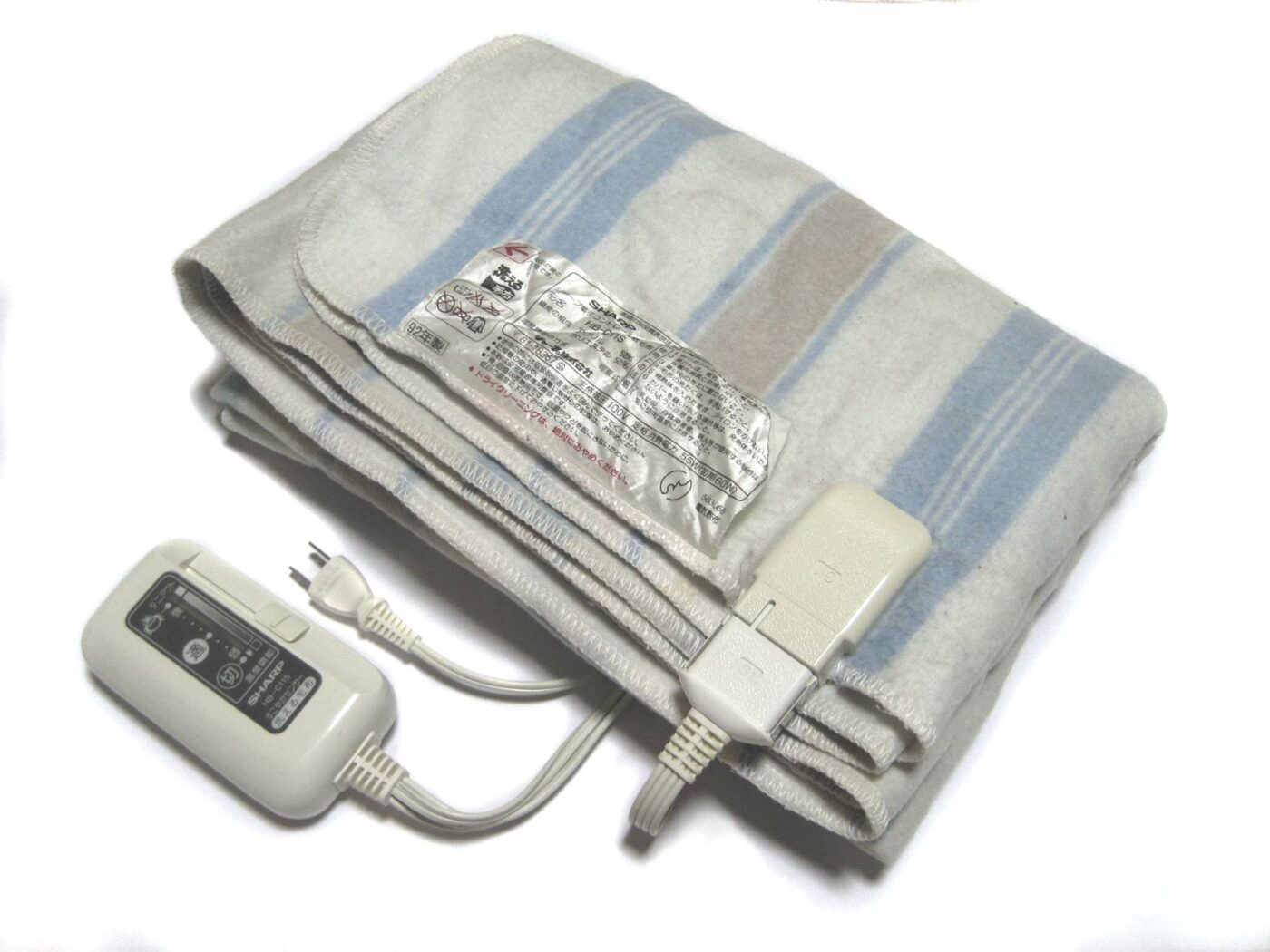
On July 30, 2026, CPSC published recall 26-652 covering roughly 178,000 OCTROT heated Sherpa throws and blankets, models OCT-5060, OCT-5062, OCT-6248, OCT-7284 and OCT-8490, because the electrical cord can detach and ignite. The firm had received 555 reports of melting, sparking and smoking blankets, which produced 27 fires and 15 burn or electrical shock injuries. They sold on Amazon.com from August 2021 through December 2025 for $40 to $60.
On September 17, 2026, CPSC published recall 26-778 covering roughly 195,000 JKMax heated blankets and heating pads, models JKMAX-002, JKMAX-7284B, JKMAX-6284B, JKMAX-10090B and JKMAX-8490B, whose internal wire heating elements can overheat. JKMax was aware of 577 reports of products smoking, melting or burning, including 53 burn injuries. These sold on Amazon.com from September 2022 through July 2026.
Two smaller actions bracket those. On July 16, 2026, CPSC warned consumers to stop using about 700 Melinora electric heated blankets sold on Amazon.com from February through October 2025, after five reports of smoking, melting or burning and one burn injury; the agency issued the warning itself because Leevana Inc. had been unresponsive. On February 18, 2026 Navajo Manufacturing Company began recalling 28,457 Handy Solutions Neck & Shoulders Heating Pads, model 25607, and the FDA posted the action as a Class I device recall on March 21, 2026.
More than 400,000 units across four actions, and the same marketplace in all three CPSC cases.
The same failures keep showing up
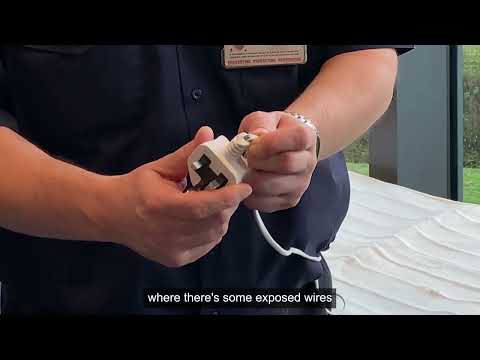
Read the four notices side by side and three failure modes cover all of them. The first is the heating element overheating inside the fabric: that is the JKMax hazard, and the Melinora warning describes wire elements that overheat and melt through the polyester. The second is the connection: the OCTROT cord can detach and ignite, which is why that notice carries a shock risk as well as fire. The third is geometry. The manufacturer’s stated reason in the FDA recall record is that folding the Handy Solutions pad during use, or placing it under the body, raises the power density in the folded area to excessive temperatures, and that the high-limit device is then unable to sense the higher temperature.
None of this is new. In March 2023, CPSC published recall 23-735 for about 350,000 Bedsure electric heating blankets and pads after the controller malfunctioned, with 137 reports of the products catching fire or overheating and 17 burn injury reports including one second-degree burn. Those sold on Amazon.com and the brand’s own site between August and November 2022 for $25 to $110. Between 2023 and 2026, the notices describe the same category behaving the same way.
That third failure mode is the one buyers control. A pad folded in half or pinned between a back and a chair concentrates heat in a way the cutout may not catch, which is the reason recorded for the 2026 recall.
What happens when the seller stops answering
The remedies show how much rests on the buyer. OCTROT asks consumers to unplug the blanket, cut the cord in half, photograph the destroyed product and email the picture to a recall address for a refund. JKMax directs consumers to a recall site and a toll-free line, and also to the marketplace’s own recall page. Either way the refund is paid by the firm named in the notice.
The Melinora case shows the failure state. CPSC said Leevana Inc. had been unresponsive to its requests for a recall or for information, so the agency published a warning on its own and told consumers to dispose of the blankets rather than sell them or give them away. There is no refund in that outcome.
So the paper trail matters more for a cheap blanket than for a major appliance. Keep the order record and model number, because recall notices are indexed by model and a marketplace seller name may not survive a season.
On a marketplace, the refund depends on a company that may already be gone.
Two voluntary standards, and two agencies
Two voluntary standards split this shelf. UL 130, the Standard for Electric Heating Pads, is in its 13th edition, published July 15, 2011 and last revised May 6, 2015; it covers pads on nominal 120 V circuits, in shapes and sizes for direct or indirect application to people. The blankets and throws in both 2026 recalls fall under UL 964, Electrically Heated Bedding, 12th edition, published August 31, 2011 and last revised September 18, 2020, a revision that added requirements for remotely operated and smart-enabled bedding. Neither is a federal rule.
There is a second regime on top. The FDA classifies a powered heating pad as a class II device under 21 CFR 890.5740, product code IRT, in its Physical Medicine panel. That is why a drugstore heating pad recall appears in the FDA device database while a heated throw recall appears at CPSC. One shelf, two agencies, and a shopper who has to know which database to search.
For the buyer, the usable signal is a certification mark from a recognized testing laboratory on the controller, plus a model number that matches between the listing, the box and the label on the product. Both 2026 recalls identify affected units by model code, so a model number that is hard to find is a practical problem.
What to check before you plug one in
Three habits track the failure modes in the record. Do not fold a powered pad or lie on top of it, because that is the condition described in the February 2026 recall entry. Inspect the cord and the connector where it meets the fabric, because that is the OCTROT hazard. And retire anything with scorch marks, a smell of hot plastic, or a controller that has stopped responding to its settings, which is how the Bedsure units failed in 2022. None of that makes a powered pad safe; it only avoids the conditions the notices name.
If you are shopping now, the useful filters are boring ones: an auto shut-off with a stated time, a controller that locks into the blanket rather than friction-fitting, wash instructions you can follow, and a brand with a findable physical address. None of these is a safety test, and none appears in any of the notices as a fix. If you want heat without any of this, a microwaved grain or gel wrap has no cord, controller or cutout to fail.
What to watch next
- Whether CPSC adds more marketplace-only heated bedding brands as the cold season starts, which would confirm a channel problem rather than two bad firms.
- Whether UL publishes new editions of UL 130 and UL 964, at their 13th and 12th editions since 2011.
- Whether the OCTROT and JKMax refund programs stay reachable through the winter, since both run through importer-operated addresses.
Where to start
Paid links: we earn a commission if you buy through the buttons below, at no extra cost to you. As an Amazon Associate I earn from qualifying purchases.
Heat sources compared on how they can fail
| Product type | Good fit for | Where to look |
|---|---|---|
| Electric heating pad with auto shut-off | Fits people who nod off with it on | See listings on AmazonOpens Amazon search results, not one listing: check the model on the product page. |
| Heated throw blanket | Fits sofa and bed use | See listings on AmazonOpens Amazon search results, not one listing: check the model on the product page. |
| Microwavable heat wrap | Fits a cordless alternative | See listings on AmazonOpens Amazon search results, not one listing: check the model on the product page. |
Product types that fit the trend described above, not tested models. Check the exact listing before you buy. How we pick them.
Electric heating pad with auto shut-off
Where to look: Amazon
The failure recorded in the February 2026 FDA recall entry happens when a pad is folded or lain on, so a shut-off timer is a partial answer at best. Buy one with a stated shut-off period and store it flat.
- Shut-off limits unattended heating
- Small enough to store flat
- Folding raises the temperature locally
- Controllers are a common failure point
Heated throw blanket
Where to look: Amazon
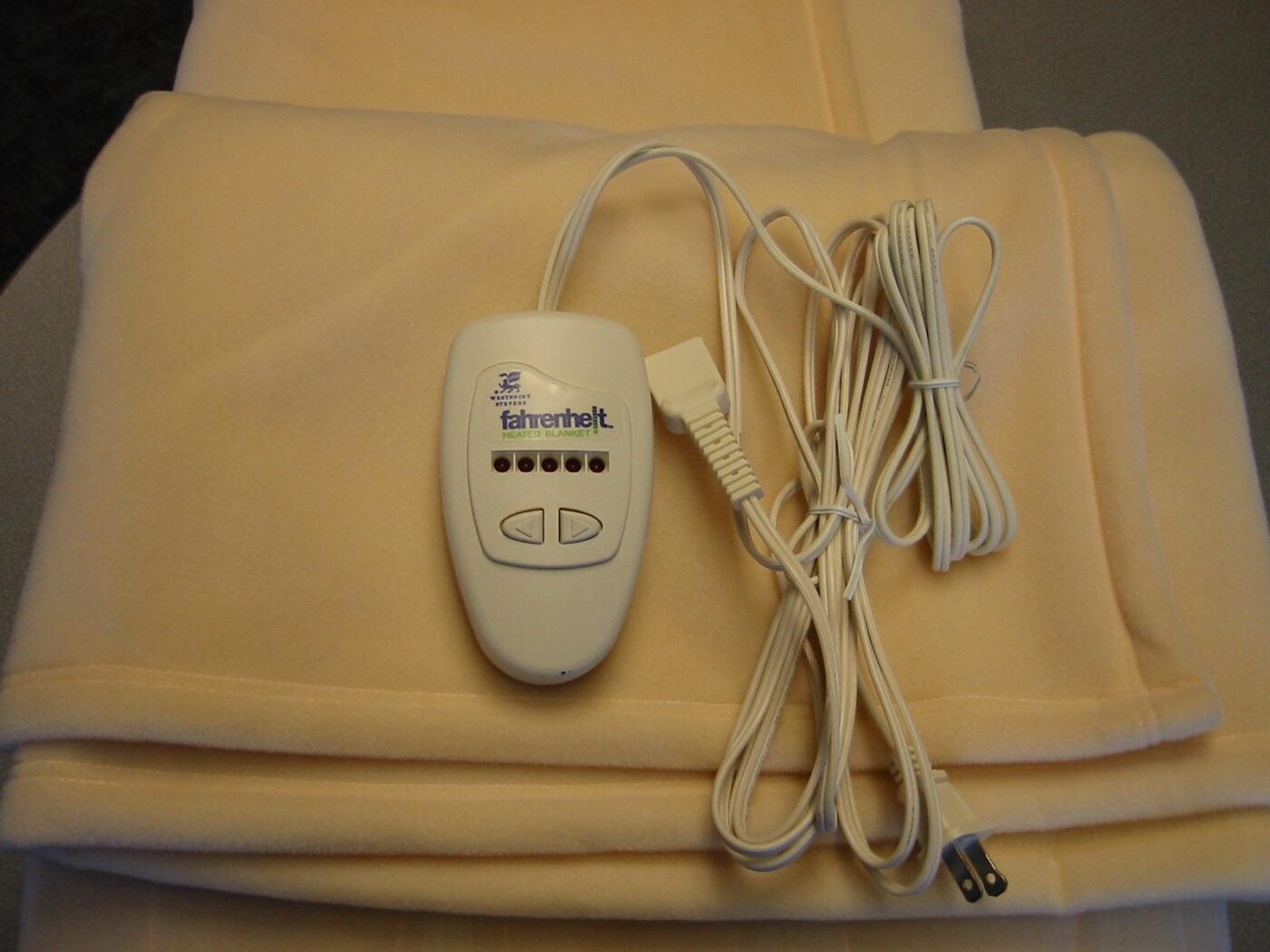
Both 2026 recalls sat in this format. Check the connector where the cord enters the blanket, keep the model number, and check it against the CPSC list each season.
- Covers more area than a pad
- Often machine washable
- Cord and connector are the recall hot spot
- Marketplace brands dominate the cheap end
Microwavable heat wrap
Where to look: Amazon
The unpowered route sidesteps every failure mode in the 2026 notices. The trade is duration: a grain or gel wrap cools in minutes where a powered pad holds its setting.
- No cord, controller or cutout to fail
- Cheap to replace
- Holds heat for a short time
- Can overheat if microwaved too long
More: Health and Wellness trends and how the Trend Signal is scored.
Sources
- JKMAX Recalls Heated Blankets and Heating Pads Due to Fire and Burn Hazards — CPSC
- Heated Sherpa Throws and Blankets Recalled, Sold on Amazon by OCTROT — CPSC
- CPSC Warns Consumers to Stop Using Melinora Electric Heated Blankets Immediately — CPSC
- Bedshe International Recalls Bedsure Electric Heating Blankets and Pads — CPSC
- Class 1 Device Recall, Handy Solutions Neck and Shoulders Heating Pad — FDA
- UL 130, Standard for Electric Heating Pads — UL Standards and Engagement
- UL 964, Electrically Heated Bedding — UL Standards and Engagement
- Device classification record for product code IRT, powered heating pad — openFDA
Questions readers ask
Which heated blankets and pads were recalled in 2026?
CPSC recalled about 178,000 OCTROT heated Sherpa throws on July 30, 2026 and about 195,000 JKMax heated blankets and pads on September 17, 2026, and warned on July 16, 2026 about roughly 700 Melinora blankets. A recall of 28,457 Handy Solutions heating pads begun on February 18, 2026 was posted by the FDA as Class I on March 21, 2026.
What does the record say about folding an electric heating pad?
The manufacturer reason recorded in the FDA entry for the February 2026 Handy Solutions recall is that folding the pad during use, or placing it under the body, increases the power density in the folded area and causes excessive temperatures, and that the high-limit device is then unable to sense the higher temperature.
What safety standard applies to electric heating pads?
The voluntary standard for pads is UL 130, Standard for Electric Heating Pads, 13th edition, published July 15, 2011 and last revised May 6, 2015. Heated blankets and throws sit under UL 964, Electrically Heated Bedding, 12th edition, published August 31, 2011 and last revised September 18, 2020. The FDA separately classifies a powered heating pad as a class II device under 21 CFR 890.5740.