For most of its history the toy business sold to children, with a parent’s wallet attached. The 2026 sales data describe something different. Circana, which tracks U.S. toy retail sales, reported on August 12, 2026 that the industry had its strongest first half in six years, with dollar sales up 17%, and that adults were the largest contributor to that growth.
The industry calls these buyers kidults. They collect trading cards, build display sets and buy licensed figures, and they increasingly shape what toy companies make. Here is what the numbers show, what grown-up buyers are putting in the cart, and where the trend could stall.
Trend Signal
80/100 Strong momentum
- Emerging
- Rising
- Mainstream
- Peaking
- Cooling
Adult and teen toy sales growing faster in 2026 than in 2025
Circana measured U.S. toy sales to adults 18+ up 25% and to teens up 33% in January–June 2026, against 18% and 6% gains in the first half of 2025.
Our editorial reading of the cited data, not a forecast. How it is scored
By the numbers
- +25%U.S. toy sales to recipients 18+, January–June 2026 vs. a year earlierCircana
- +33%U.S. toy sales to teens aged 12–17, the fastest-growing group, first half of 2026Circana
- 55%Share of U.S. toy sales from adult-only households, January–June 2026Circana
- +111%Global toy sales to consumers aged 15+ since 2020; they are now 18% of the marketCircana
Who is buying toys in 2026
Circana’s first-half 2026 report put hard numbers on a shift that has been building for several years. Toy sales for recipients aged 18 and older grew 25%, making adults the largest contributor to industry growth. Teens aged 12 to 17 were the fastest-growing recipient group, up 33%. Together, teens and adults generated nearly 60% of the industry’s incremental dollar gains, and adult-only households accounted for 55% of toy sales, with their spending up 16% through June.
The trend is speeding up rather than settling. In the first half of 2025, Circana measured sales for adult recipients up 18% and for 12- to 17-year-olds up 6%. A year later both figures are higher, and total dollar growth nearly tripled, from 6% to 17%.
It is not only an American pattern. Circana’s June 2026 global review found that the world toy market grew 8% to $123 billion in 2025, that consumers aged 15 and older now make up 18% of it, and that sales to that group have risen 111% since 2020. In Europe, nearly 40% of consumers said they bought toys for themselves or another adult in 2025.
| Measure | First half 2025 | First half 2026 |
|---|---|---|
| U.S. toy dollar sales | +6% | +17% |
| Units sold | +3% | +12% |
| Average selling price | +3% | +4% |
| Sales to adults 18+ | +18% | +25% |
| Sales to teens 12–17 | +6% | +33% |
| Games & Puzzles | +39% | +45% |
Adults and teens are now the growth engine of the U.S. toy market, not a side segment.
What grown-up buyers put in the cart
Trading cards are the largest single driver. Circana named Pokémon the top U.S. toy property of 2025, with $2.5 billion in sales, up 87%, and said Games & Puzzles, a supercategory it described as driven primarily by Pokémon, rose 37% for the year. In the first half of 2026 Games & Puzzles grew another 45%, and Explorative & Other Toys, which Circana tied to NFL trading card demand in 2025, jumped 58%.
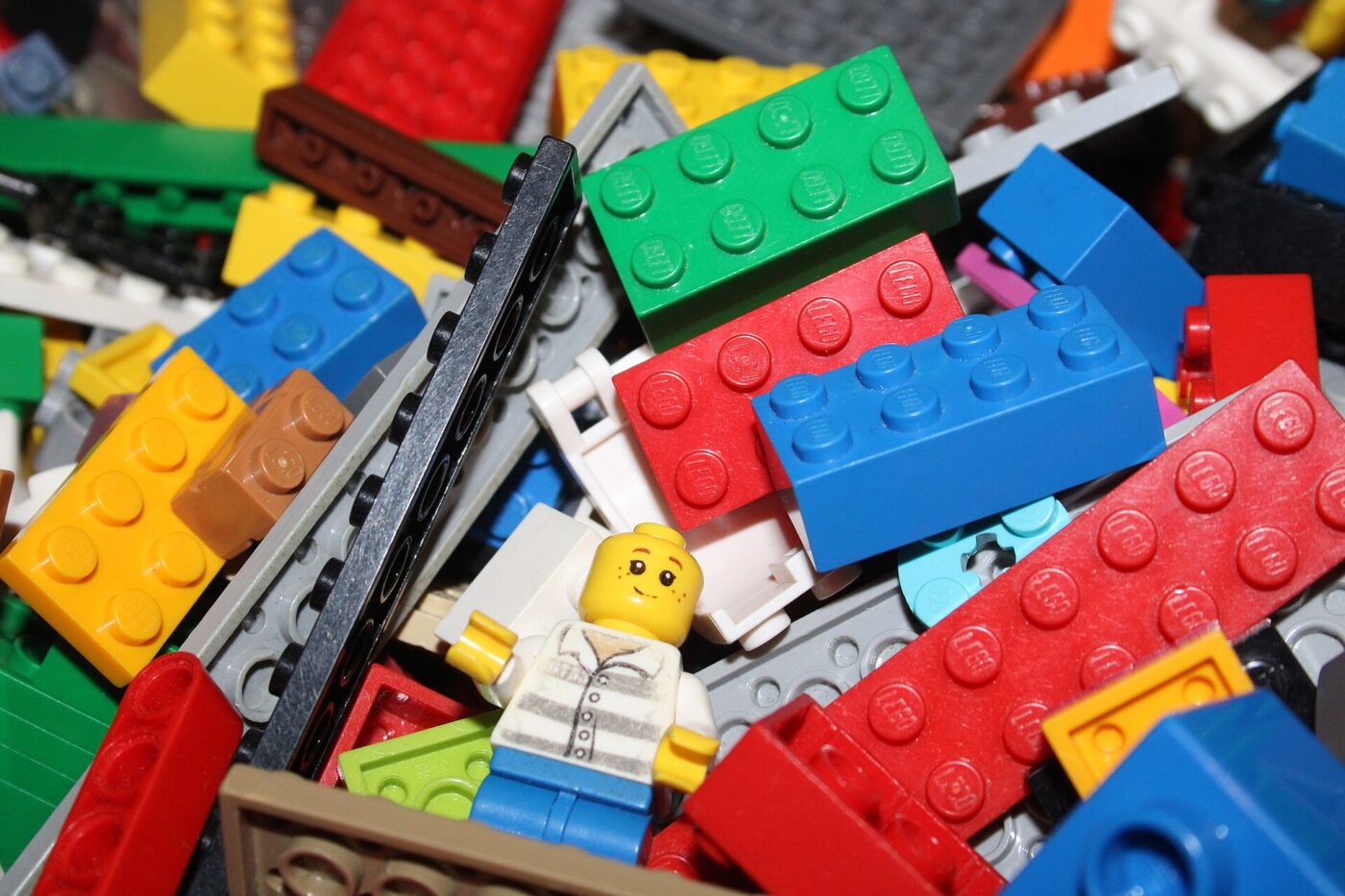
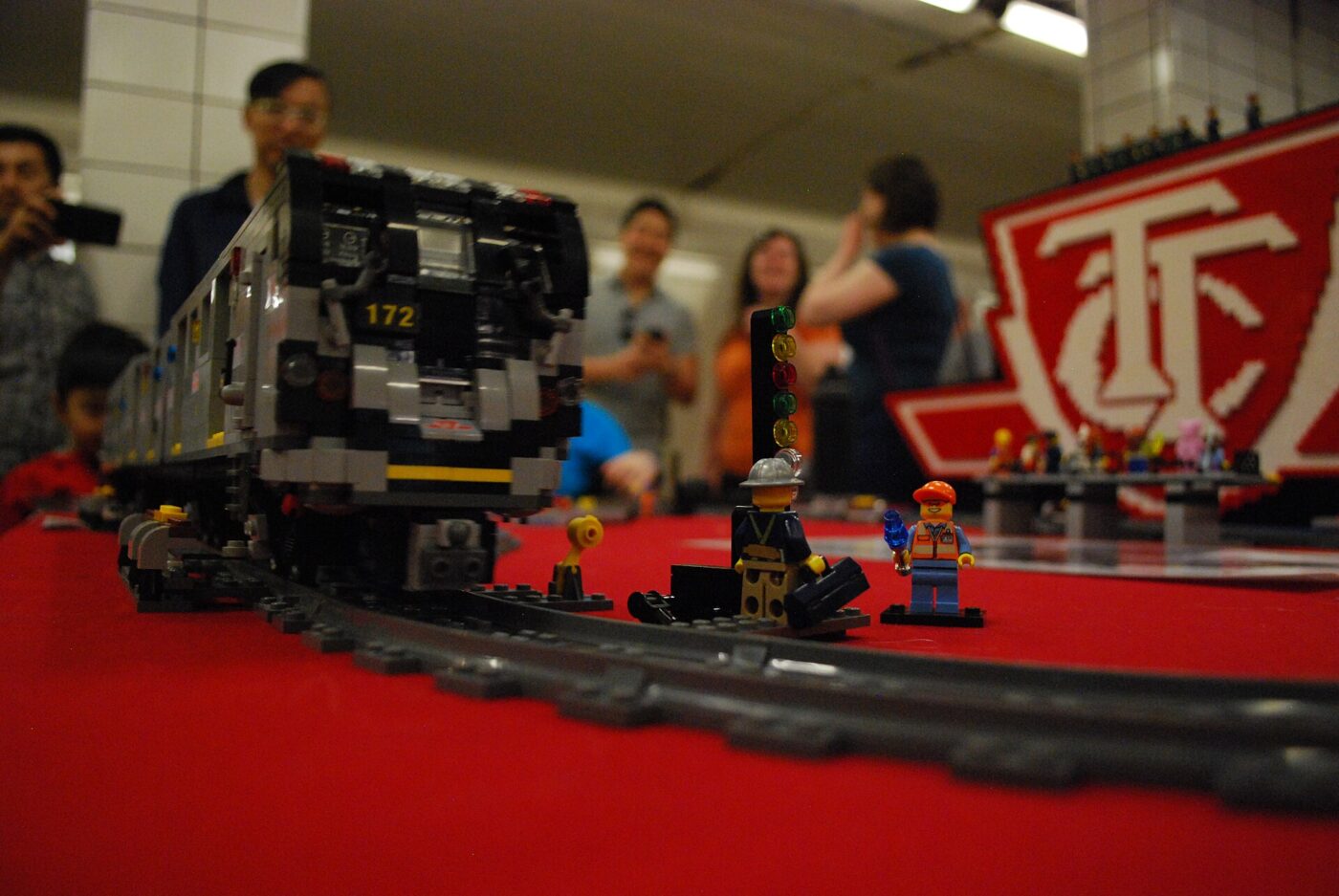
Building sets are the second pillar. Circana measured U.S. building set sales up 22% in the first half of 2026. The LEGO Group, whose revenue rose 21% to DKK 41.9 billion in the same six months, listed Speed Champions, Botanicals, Technic, Icons and Star Wars among its bestselling themes. Its second-half 2026 Pokémon lineup includes four display sets rated 18+, which LEGO announced on July 7, 2026 at U.S. list prices from $69.99 for Munchlax to $299.99 for a Poké Ball display set.
Collectibles and licensed goods round out the list. Globally, Circana found collectibles sales rose 32% in 2025 and now make up almost 19% of all toy dollar sales. In the U.S., licensed toys, which trade on film, game and sports fandom, grew 24% in the first half of 2026 to reach 39% of total toy sales, and Circana called the FIFA property one of the industry’s biggest breakouts in a World Cup year.
Toy companies are following the money

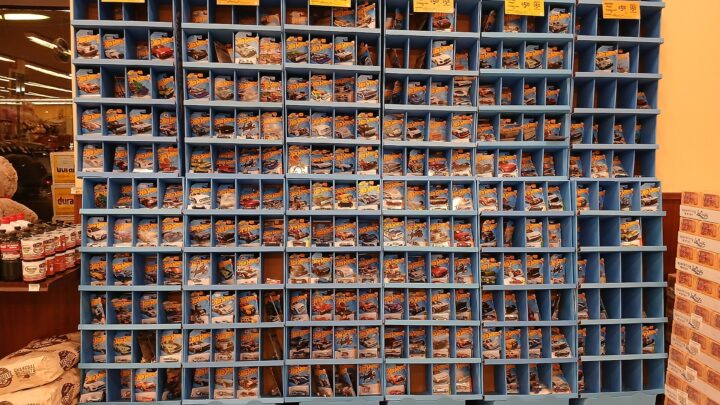
Company results show a similar split. At Mattel, second-quarter 2026 gross billings for Action Figures, Building Sets, Games & Other rose 35%, which Mattel attributed mainly to games, including digital games from its Mattel163 studio, and to action figures tied to movie releases. Vehicles, led by Hot Wheels, rose 14%. Dolls fell 5%, Barbie fell 16% and Infant, Toddler and Preschool fell 11%, so some of the most child-focused lines shrank.
At Hasbro, Magic: The Gathering passed $500 million in quarterly revenue for the first time in its 30-plus-year history, reaching $545.3 million in the second quarter of 2026, up 32%. The Wizards of the Coast and Digital Gaming segment grew 27%, while the Consumer Products segment grew 5% and posted an operating loss.
Toymakers are also designing for display rather than play. LEGO’s July 2026 announcement framed its new 18+ Pokémon models as build-and-display experiences, and Circana’s Kristen McLean said toys increasingly function as “hobbies, fandom ecosystems, and social experiences.”
Where the kidult trend could stall
Fandom-driven buying can reverse quickly. Pop Mart, the maker of Labubu, reported Americas revenue down 16.5% in the first half of 2026, with online sales in the region down 45.6%, and wrote in its filing that the popularity of its core characters had returned to normal levels. A product built on hype can lose momentum as fast as it gained it.
Price is the second risk. Circana measured average selling prices up 4% in both 2025 and the first half of 2026, and said toys priced $30 to $69.99 were the fastest-growing segment in 2025, up 18%, while products under $5 posted some of the steepest declines. Circana’s August 2026 report also listed affordability pressures, tariffs, inflation and emerging price increases as factors to monitor heading into the holidays.
Finally, growth concentrated in a few categories is fragile. In 2025, three supercategories, Games & Puzzles, Building Sets and Explorative & Other Toys, produced 92% of the industry’s growth, according to Circana, while Outdoor & Sports Toys and Dolls were among the steepest decliners.
What it means if you are buying
If you are shopping for an adult, the market is now built with you in mind: 18+ building sets, display-scale licensed models, trading cards and puzzles are where the growth and the new releases are. The flip side is competition, because the same buyers chase the same limited releases.
If you are shopping for a child, the shift does not mean children’s toys are disappearing; children under 10 still account for 67% of global toy sales, per Circana. It does explain why fandom products get so much of the attention. Buy popular licensed items early, and treat anything bought for display as a hobby purchase, not a store of value.
Buy for enjoyment and display; the data describe spending, not a promise that any collectible holds its price.
What to watch next
- Circana’s full-year 2026 U.S. toy report (the 2025 edition came out February 3, 2026), for whether adult and teen growth held through the holidays.
- Mattel’s and Hasbro’s third-quarter 2026 results, for whether collector categories keep outgrowing dolls and preschool toys.
- Pop Mart’s full-year 2026 results, for whether U.S. demand steadies after the Labubu surge.
Where to start
Paid links: we earn a commission if you buy through the buttons below, at no extra cost to you. As an Amazon Associate I earn from qualifying purchases.
Kidult-friendly product types to start with
| Product type | Good fit for | Where to look |
|---|---|---|
| Botanical flower building set for adults | Fits adult builders | See listings on AmazonOpens Amazon search results, not one listing: check the model on the product page. |
| Acrylic display case for collectibles | Fits dust-free display | See listings on AmazonOpens Amazon search results, not one listing: check the model on the product page. |
| 1,000-piece jigsaw puzzle for adults | Fits a lower budget | See listings on AmazonOpens Amazon search results, not one listing: check the model on the product page. |
Product types that fit the trend described above, not tested models. Check the exact listing before you buy. How we pick them.
Botanical flower building set for adults
Where to look: Amazon
Flower and plant building sets sit in the building-set category that grew 22% in the U.S. in the first half of 2026. Check the finished size before you pick a shelf for it.
- Made to display, not to play
- No batteries or screens
- Can take hours to build
- Higher price per piece than basic bricks
Acrylic display case for collectibles
Where to look: Amazon
Adult buyers increasingly build for display. A case protects the result; measure the finished model first and leave a little room around it.
- Keeps dust off sets and figures
- Stackable designs are common
- Sizes rarely match a set exactly
- Cheap acrylic can scratch
1,000-piece jigsaw puzzle for adults
Where to look: Amazon
Games & Puzzles, the largest U.S. toy supercategory in 2025, grew another 45% in the first half of 2026. A 1,000-piece puzzle is the lowest-cost way into the adult side of the aisle.
- Low cost per hour of use
- Easy to give as a gift
- Needs table space for days
- Missing pieces end the fun
More: Collectibles and Toys trends and how the Trend Signal is scored.
Sources
- U.S. Toy Industry Posts Strongest First Half in Six Years — Circana
- U.S. Toy Industry Returns to Growth in 2025 — Circana
- U.S. Toy Market Is Growing in 2025 — Circana
- Who’s Really Driving Toy Growth? Four Category Trends at Play — Circana
- Global Toy Industry Rebounds in 2025 as Sales Rise 7% — Circana
- LEGO Group revenue up 21%, operating profit up 22% in H1 2026 — The LEGO Group
- LEGO Pokémon sets for adults, second half of 2026 — The LEGO Group
- Mattel Reports Second Quarter 2026 Financial Results — Mattel
- Hasbro second-quarter 2026 earnings release, Exhibit 99.1 — SEC EDGAR
- Pop Mart interim results announcement, six months ended June 30, 2026 — HKEXnews
Questions readers ask
What is a kidult?
Kidult is the toy industry’s term for adults, and increasingly teens, who buy toys for themselves. Circana reported that U.S. toy sales to adults 18+ grew 25% and sales to teens 12–17 grew 33% in the first half of 2026.
What toys do adults buy most?
Trading cards, building sets and licensed collectibles. Circana named Pokémon the top U.S. toy property of 2025 at $2.5 billion, measured U.S. building set sales up 22% in the first half of 2026, and found collectibles grew 32% globally in 2025.
Do adults buy most toys now?
By household, yes in the U.S.: adult-only households accounted for 55% of U.S. toy sales in the first half of 2026, according to Circana. Globally, consumers 15 and older were 18% of the toy market in 2025, while children under 10 still accounted for 67%.
Is the kidult trend slowing down?
Not in the latest data. Circana’s adult and teen growth rates were higher in the first half of 2026 than a year earlier. Individual fads can fade, as Pop Mart’s 16.5% drop in Americas revenue over the same period shows.