We have tested none of these products and we will not call any of them safe. A recall notice tells you which products were found to fail a rule; it never tells you which will not. This brief sets out the four federal rules governing what can go into a child’s stocking and reports what the Consumer Product Safety Commission recall database held when we queried it ourselves on October 1, 2026. Our selection rule: a product type appears only where we could open the rule text or the notice covering it.
That is a narrower promise than a gift list makes, and worth more at this size of purchase. Small, inexpensive, impulse-bought items are where 2026 enforcement concentrated, and those hazards have the worst outcomes in the agency files.
Trend Signal
79/100 Strong momentum
- Emerging
- Rising
- Mainstream
- Peaking
- Cooling
Nearly all 2026 toy enforcement landed on small, cheap, light-up and magnetic items
Our own count, not a CPSC statistic: of 459 recall announcements dated January 1 to October 1, 2026 in the agency database, 74 carry the word toy in the headline, 52 cite the mandatory standard for toys, 45 cite battery ingestion and 19 cite magnet ingestion. Pulled October 1, 2026.
Our editorial reading of the cited data, not a forecast. How it is scored
By the numbers
- 74 of 459CPSC recall announcements naming a toy, January 1 to October 1, 2026, our own countU.S. CPSC
- 45Of those 2026 announcements, the number citing battery ingestion, on our countU.S. CPSC
- 19Of those 2026 announcements, the number citing magnet ingestion, on our countU.S. CPSC
- 179,739Finger light toys recalled September 10, 2026 over button cells a child could reachU.S. CPSC
The four rules that decide what can go in a stocking
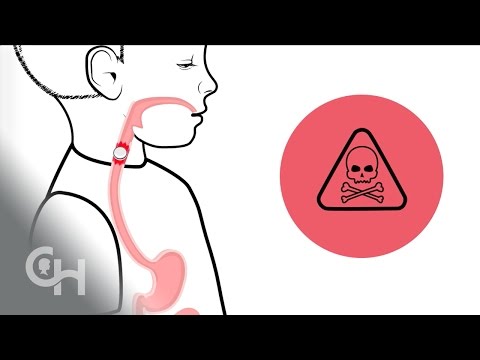
The base rule is 16 CFR part 1250, which makes ASTM F963 a mandatory standard under section 106 of the Consumer Product Safety Improvement Act of 2008. CPSC’s guidance sets the version table: toys manufactured after April 20, 2024 must meet ASTM F963-23. The same guidance defines a toy as any object designed, manufactured or marketed as a plaything for children under 14.
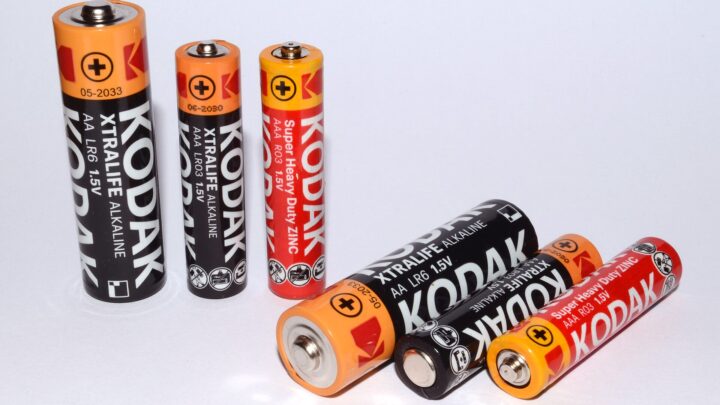
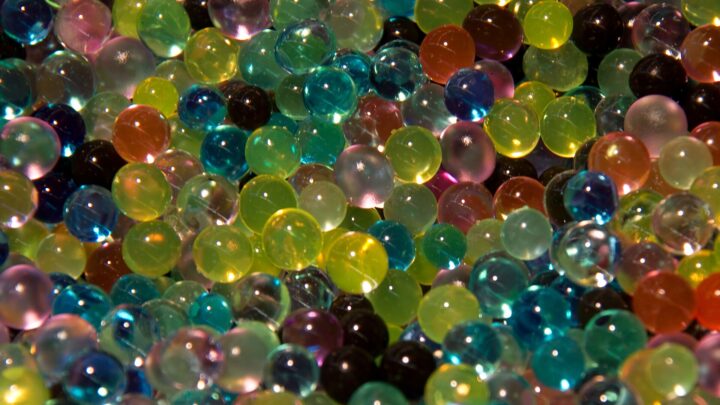
Three narrower rules sit on top. Section 1250.4 covers water beads: a bead that fits the small parts cylinder when dry must, after full expansion, still pass through the funnel or sieve gauge under its own weight, stay under an acrylamide limit and carry a warning, as our explainer on the 2026 water bead rule describes. 16 CFR part 1263, written under Reese’s Law, requires any consumer product with a button or coin cell to comply with ANSI/UL 4200A as approved on August 30, 2023. And 16 CFR part 1262 requires every loose or separable magnet fitting that cylinder to have a flux index below 50 kG²mm². See batteries for toys and learning toy recalls.
Four rules, three of them about things a child can swallow.
What the 2026 recall file actually contains
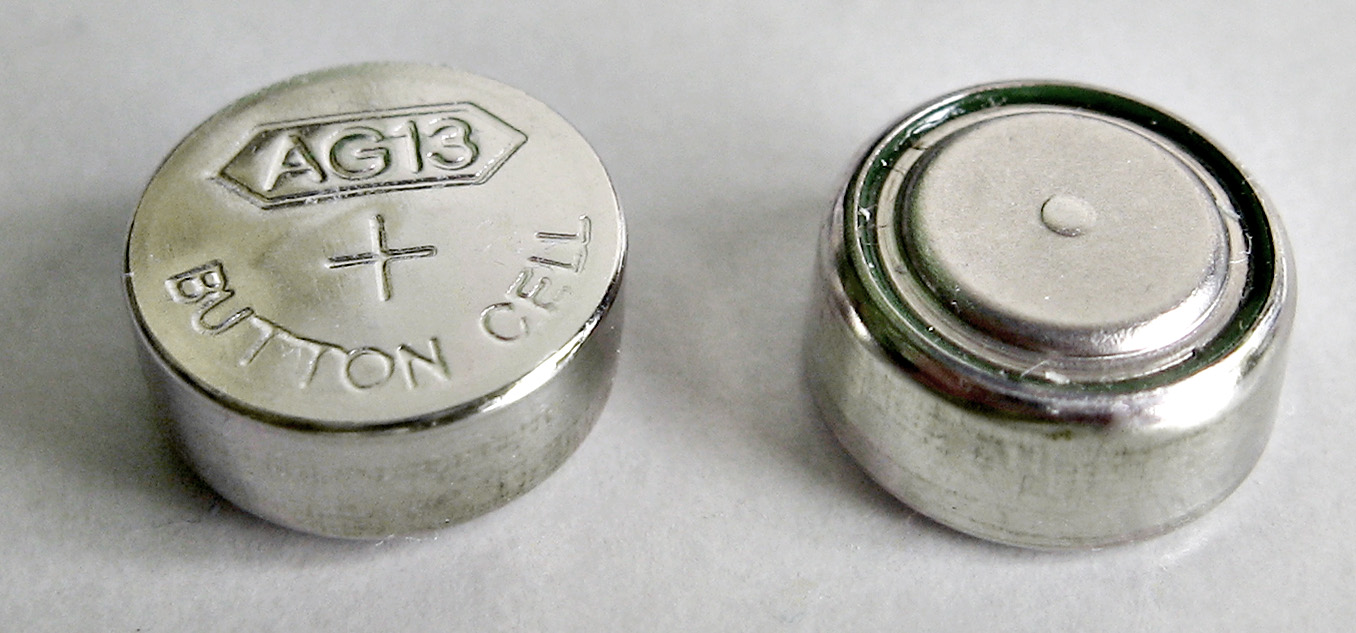
There is no official tally of toy recalls, so we made one. Querying the agency database at saferproducts.gov on October 1, 2026 for every announcement dated January 1 to October 1, 2026 returns 459 records. Of those, 74 carry the word toy in the headline, 52 state that the product violates the mandatory standard for toys, 45 cite battery ingestion, 19 cite magnet ingestion and 26 name the button cell and coin battery standard. A headline substring match is rough and picks up a few non-toys, so these are indicative counts rather than agency figures. Our longer analysis is in the 2026 toy recall surge.
The shape of the list matters more than the total. These are not large-brand safety campaigns but small consignments from importers and marketplace sellers, and the remedy is almost always a refund after the buyer photographs the item in the trash.
| Recall, 2026 | Units | What the notice says failed |
|---|---|---|
| Cade California finger light toys, Sept 10 | About 179,739 | Button cells a child could access |
| ABC Trading light-up children’s toys, Sept 24 | About 43,674 | Accessible button cell compartments |
| Rainbow Mystery Squishy Bun toys, September 3 | About 7,200 | Water beads inside expanded beyond the limit |
| BUSOHA magnetic fidget sliders, August 6 | About 2,186 | Casing removes to free loose magnets |
The three categories that keep coming back
Light-up novelties are the largest group. Finger lights, LED headbands, glow glasses, light-up rings and party favors run through the 2026 list month after month, and the failure is the same each time: a battery compartment that opens without a tool, plus missing Reese’s Law warnings on the pack. The biggest was Cade California Electronic’s recall of about 179,739 finger light toys on September 10, 2026, each holding three button cells.
Magnetic fidget items are second: silicone sliders whose casing peels off, speed cubes packaged with loose spare magnets, magnetic chess sets and building sticks, with an identical hazard description every time. Bead-filled squishies are third and newest. Two near-identical notices, on September 3 and September 17, 2026, pulled Rainbow Mystery Squishy Bun toys because the water beads sealed inside expanded larger than 16 CFR 1250.4 permits. Nothing on the outside says water bead, which is why the rule reaches beads that are neither accessible nor visible.
Lights, magnets and sealed beads account for most of the 2026 file.
Several classic stocking items are not toys under the rule
This changes what the rules can tell you. CPSC’s toy safety guidance lists what the definition of a toy excludes: crayons, paints, chalks and other art materials where the material or finished item is not primarily of play value; hobby and craft items and model kits of the same sort; kites; sporting goods, camping goods, athletic equipment and musical instruments; non-powder guns; and playground equipment.
So a box of crayons, a kite or a model kit is not governed by ASTM F963 as a toy. That does not place them outside regulation: art materials carry a labeling requirement at 16 CFR 1500.14(b)(8), the lead content limit at 15 U.S.C. 1278a applies to children’s products generally, and lead in paint is covered by 16 CFR part 1303. CPSC also states that testing and certification requirements apply only to products intended primarily for children of 12 or younger, so a product marketed at 13 and up may be subject to the standard without needing a Children’s Product Certificate. Age labeling is doing regulatory work, as it does for screen-free audio players.
What a buyer can check, and what no check can tell you
Three checks are quick. Search the brand and product type in the CPSC recall database by name. Look at whether a battery compartment in the gallery images is held by a screw rather than a sliding lid, which is what part 1263 and ASTM F963-23 section 4.25 are driving at. And read the age grading, since it determines which requirements attach. None of that establishes that an item is safe for a child, and we will not write that sentence about any product on this site.
A recall notice records products a firm agreed to pull or was compelled to pull. Its absence means no such agreement exists under that name today, and several 2026 notices cover a few hundred units from sellers whose names change. The honest takeaway is about category rather than product: accessible coin cells, loose high-powered magnets and sealed water beads account for the overwhelming majority of 2026 enforcement, so an item with none of the three narrows exposure to the failures regulators are finding. It eliminates nothing, and it is no substitute for the age grading or for supervision.
Narrowing the hazard category is defensible. Calling a gift safe is not.
What to watch next
- Whether the toy recall count keeps running above 70 a year once the fourth quarter closes, which would make 2026 a baseline rather than a spike
- New entries under water bead at saferproducts.gov, since the September 2026 notices show the rule reaching beads sealed inside products that never mention them
- Whether listings start showing the battery compartment screw and the age grading in the gallery images
Where to start
Paid links: we earn a commission if you buy through the buttons below, at no extra cost to you. As an Amazon Associate I earn from qualifying purchases.
Small gift types for children, grouped by which rule reaches them
| Product type | Good fit for | Where to look |
|---|---|---|
| Small craft kit | Fits a stocking with no cell inside | See listings on AmazonOpens Amazon search results, not one listing: check the model on the product page. |
| Travel card game | Fits travel and waiting | See listings on AmazonOpens Amazon search results, not one listing: check the model on the product page. |
| Sticker or activity book | Fits quiet solo play | See listings on AmazonOpens Amazon search results, not one listing: check the model on the product page. |
Product types that fit the trend described above, not tested models. Check the exact listing before you buy. How we pick them.
Small craft kit
Where to look: Amazon
Craft kits sit awkwardly in the rules: CPSC excludes hobby and craft items from the toy definition where the finished item is not primarily of play value. Read the age grading and check for magnets.
- Outside the coin-cell and magnet rules when nothing is magnetic
- Age grading is stated
- Craft items may fall outside the toy definition
- Small parts still apply under three
Travel card game
Where to look: Amazon
A plain deck avoids all three hazard groups behind most 2026 recalls. Check the packaging, since magnetic chess and board game sets account for several of the magnet ingestion notices in 2026.
- No batteries and no magnets in a plain deck
- Cheap enough to buy in multiples
- Some editions add magnetic tins or lights
- Cards are still a choking consideration
Sticker or activity book
Where to look: Amazon
Paper items fall under the art materials labeling requirement at 16 CFR 1500.14(b)(8) rather than the toy standard. A different rule, not a lesser one.
- No electrical or magnetic components
- Low cost works in multiples
- Art materials fall under a separate labeling rule
- Nothing on the pack certifies content
More: Collectibles and Toys trends and how the Trend Signal is scored.
Sources
- 16 CFR part 1250, safety standard for toys and the water bead section — eCFR
- 16 CFR part 1263, button cell and coin battery standard — eCFR
- 16 CFR part 1262, safety standard for magnets — eCFR
- Toy Safety Business Guidance and the F963 version table — U.S. CPSC
- Cade California Electronic Recalls Finger Light Toys — U.S. CPSC
- OKK Trading Recalls Rainbow Mystery Squishy Bun Toys — U.S. CPSC
- Recall database query interface — CPSC SaferProducts
- Recall listings index — U.S. CPSC
Questions readers ask
How many toys have been recalled in 2026?
On our own count of the CPSC recall database, pulled October 1, 2026, 74 of the 459 recall announcements dated January 1 to October 1, 2026 carry the word toy in the headline, and 52 state the product violates the mandatory standard for toys. This is a headline match rather than an official statistic.
What is the rule about button batteries in toys?
Two apply. 16 CFR part 1263, written under Reese’s Law, requires consumer products containing button cell or coin batteries to comply with ANSI/UL 4200A as approved on August 30, 2023. Toys are exempt from part 1263 only where they already meet the battery accessibility and labeling requirements of 16 CFR part 1250, which makes ASTM F963-23 mandatory for toys manufactured after April 20, 2024.
Are water beads allowed in toys?
They are limited, not banned. Under 16 CFR 1250.4 a bead that fits inside the small parts cylinder when dehydrated must, after full expansion, still pass whole through the funnel or sieve test gauge under its own weight, and the product must meet an acrylamide limit and carry a warning. Two squishy toys with beads sealed inside were recalled in September 2026 for exceeding the size limit.
Does an empty recall search mean a toy is safe?
No, and we will not frame it that way. A recall record exists only where a firm agreed to a recall or the agency compelled one. An empty result means no notice exists under that name on the day you searched. It is a record of failures found, not a clearance.