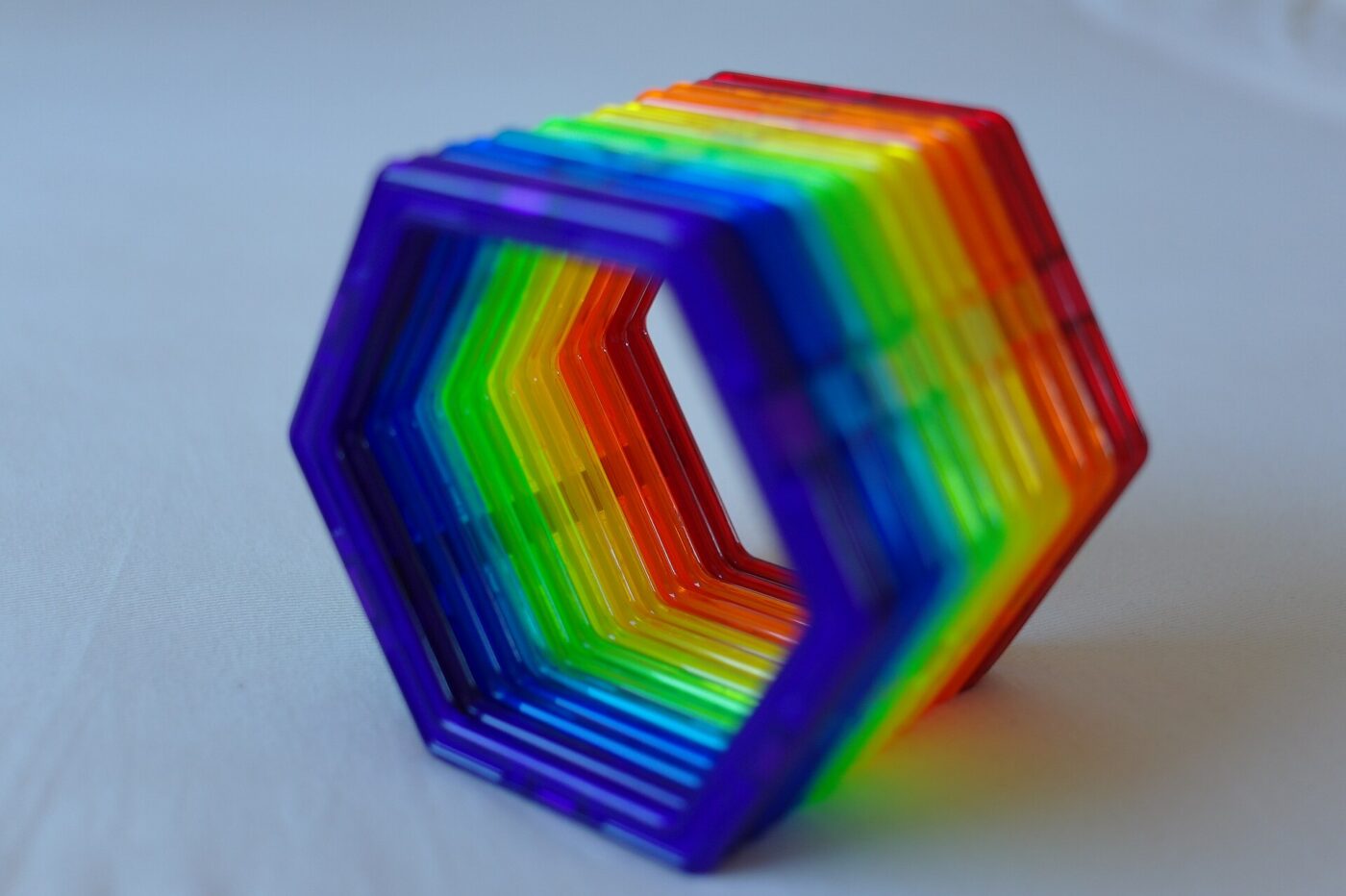
Magnetic building sets, busy boards and pocket-sized brain teasers are sold as learning products, and they share a drawer with birthday STEM kits. In 2026 they also became a heavily recalled corner of that drawer. Counting the federal recall database ourselves through September 17, we found 20 separate notices citing magnet ingestion this calendar year, against three in the same stretch of 2025.
The pattern behind those notices is consistent enough to shop by. Nearly all of them involve high-powered magnets small enough to swallow, loose by design or able to work free from a part, nearly all were sold through an online marketplace by a company most buyers have never heard of, and the federal rule they violate has been in force since October 2022. None of that makes magnetic tiles a bad product; it makes the listing worth reading.
Trend Signal
66/100 Steady momentum
- Emerging
- Rising
- Mainstream
- Peaking
- Cooling
Magnet ingestion recalls rose from 3 to 20 in the same stretch of the calendar
Our count of the CPSC recall database on September 24, 2026 found 20 notices citing magnet ingestion between January 1 and September 17, 2026, against 3 in the same period of 2025, with 17 of the 20 naming Amazon as a sales channel.
Our editorial reading of the cited data, not a forecast. How it is scored
By the numbers
- 20CPSC recall notices citing magnet ingestion, January 1 to September 17, 2026U.S. Consumer Product Safety Commission
- 213,500Magnetic building cubes and blocks recalled in August 2026 after two reported surgeriesU.S. Consumer Product Safety Commission
- 50 kG²mm²Maximum flux index for a loose magnet that fits inside the small parts cylinderU.S. Consumer Product Safety Commission
- 26,600Emergency department treated magnet ingestions estimated by CPSC for 2010 through 2021Federal Register
What the 2026 recall record shows
We counted the notices in the CPSC recall database ourselves on September 24, 2026, by the hazard wording in each title. Between January 1 and September 17, 2026, 20 notices cited magnet or magnetic ingestion, against 3 in the same window of 2025. Notices citing battery ingestion went from 7 to 44. Total recall notices also rose over the same comparison, from 283 to 448, so part of the increase is simply a busier enforcement year.
The magnet notices cover about 457,000 units in total on our sum of the unit counts, and the size distribution is lopsided. Two notices account for most of it: about 213,500 magnetic building cubes and blocks in August 2026 and about 151,600 magnet chess games in March 2026.
Most of the recalled products are the ones marketed as learning toys: magnetic building cubes and blocks, a Montessori-style busy board, stick figure sets, speed cubes, chess games and fidget sliders. A few are not toys at all, including a set of magnetic drinkware charms.
| Hazard cited in the notice | Jan 1 to Sep 17, 2025 | Jan 1 to Sep 17, 2026 |
|---|---|---|
| Magnet ingestion | 3 | 20 |
| Battery ingestion | 7 | 44 |
| All recall notices | 283 | 448 |
The rule most of these notices cite
The federal standard is 16 CFR part 1262, published in the Federal Register on September 21, 2022 and applying to subject magnet products manufactured after October 21, 2022. For any covered product containing a loose or separable magnet, every magnet that fits entirely inside CPSC’s small parts cylinder must have a flux index below 50 kG²mm².
The rule targets products designed or marketed for entertainment, jewelry, mental stimulation or stress relief, and it exempts toys already covered by the ASTM F963 toy standard. That is why recall headlines split between violating the mandatory standard for magnets and violating the mandatory standard for toys. From a buyer’s side they mean the same thing: a magnet small enough to swallow was stronger than the limit, or could work loose from a part.
CPSC put the scale of the problem in the rule itself. Its staff estimated 26,600 emergency department treated magnet ingestions from 2010 through 2021, of which about 5,000 involved magnet sets, magnet toys or jewelry, and noted seven deaths connected to hazardous magnet ingestion in the period from November 2005 to January 2021.
Where the recalled products were sold
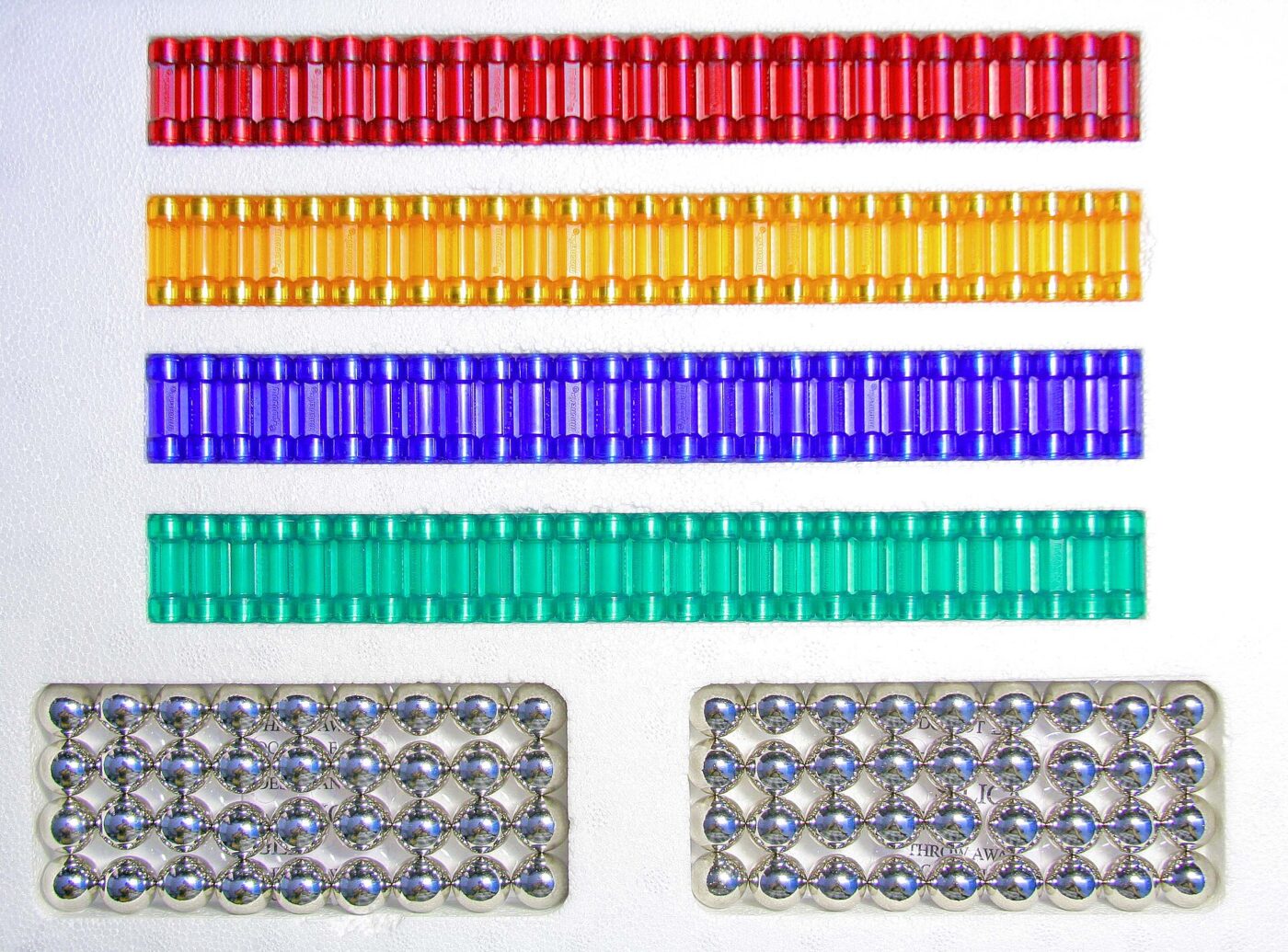
Seventeen of the 20 magnet notices in 2026 list Amazon as a sales channel on our count, nine of them in the headline, and most name an importer or marketplace seller rather than a brand with a catalog. The August 2026 recall of magnetic building cubes covered about 213,500 units sold on Amazon.com between January 2024 and July 2026 at $17 to $50, after two children required surgery and at least 27 reports of cubes breaking open.
Remedies show the same pattern. A June 2026 recall of Montessori busy boards covered about 1,013 units sold on Amazon for roughly $16, and asked buyers to throw the board away and email a photo of the disposed product to a free email address for a refund.
A December 2025 recall covered about 10,380 KTEBO writing tablet toys sold on Amazon between September and October 2025 for $8 to $30, because the screw securing the button cell battery compartment did not stay attached as required. No injuries were reported, which is the point: the rule is written so the failure is caught before a child finds the battery.
The recall record is less a verdict on the product type than on who imported it and how it was assembled.
What to check before you buy
None of this argues against magnetic tiles or a science kit, and none of the checks below is a guarantee. What the notices repeat is a short list of failure points that can be asked about before ordering.
- Search the CPSC recall list for the brand and the product type before ordering, especially for marketplace sellers.
- For any magnetic building set, look for a stated claim of compliance with the federal magnet rule or ASTM F963, and check reviews for reports of tiles or cubes cracking open.
- For anything with a coin cell, confirm the battery compartment is secured with a screw and that the packaging carries the button battery warning.
- For a chemistry or water-testing kit, check for sealed reagent packets and child-resistant caps, and read the age grading rather than the marketing age.
- Keep the seller name, the order date and the price: several of the 2026 remedies asked for a photo of the product or proof of purchase before paying out.
Who should still buy which format
The 2026 magnet notices come down to the same thing: a magnet small enough to swallow that a child can get hold of, loose by design or worked free from a part. In a house where a child under three can reach whatever an older child builds with, formats that contain no magnets at all, such as plain wooden blocks or interlocking plastic bricks, remove that particular failure. They do not remove every hazard, and CPSC age grading and small-parts warnings still apply to them.
For older children, the 2026 record is weighted toward sellers with one listing and no support channel, which is the variable a buyer can actually control at the point of purchase. It is not a ranking of which magnetic sets are safe, because a notice only tells you which products were found to fail.
What to watch next
- The pace of CPSC magnet notices in the rest of 2026, after 20 in the first eight and a half months.
- Whether marketplace listings begin stating compliance with 16 CFR part 1262 or ASTM F963 in the product details.
- Enforcement aimed at importers rather than individual listings, which is what would slow the flow of repeat notices.
Where to start
Paid links: we earn a commission if you buy through the buttons below, at no extra cost to you. As an Amazon Associate I earn from qualifying purchases.
Building and STEM formats and what actually differs between them
| Product type | Good fit for | Where to look |
|---|---|---|
| Magnetic building tile set | Fits supervised building play | See listings on AmazonOpens Amazon search results, not one listing: check the model on the product page. |
| Wooden building blocks without magnets | Fits a room with a toddler | See listings on AmazonOpens Amazon search results, not one listing: check the model on the product page. |
| Science experiment kit for children | Fits guided experiments | See listings on AmazonOpens Amazon search results, not one listing: check the model on the product page. |
Product types that fit the trend described above, not tested models. Check the exact listing before you buy. How we pick them.
Magnetic building tile set
Where to look: Amazon
The category the recall wave is about. The checks that matter are a compliance claim on the listing and reviews that mention tiles cracking, since the notices all turn on a swallowable magnet coming loose.
- Open-ended building play
- Long life if the seams hold
- Named in several 2026 notices
- Failure mode is a loose magnet
Wooden building blocks without magnets
Where to look: Amazon
The version with no magnets or coin cells to check for. Worth the swap in a household where a younger sibling has access to whatever the older child builds with, though the age grading and small-parts warning still matter.
- No magnets or batteries
- Nothing to work loose
- Less structural than tiles
- Heavier to store
Science experiment kit for children
Where to look: Amazon
Test and chemistry kits draw their own notices, including a 2025 recall over child-resistant packaging. Read the age grading and check that reagents arrive sealed.
- Structured activities
- Packaging rules apply to the chemicals
- Age grading is often generous
- Refills can be hard to source
More: Education and Learning trends and how the Trend Signal is scored.
Sources
- Recall database public search — U.S. Consumer Product Safety Commission
- Business Guidance: Magnets — U.S. Consumer Product Safety Commission
- Safety Standard for Magnets, final rule, 87 FR 57756 — Federal Register via GovInfo
- Goody King Magnetic Building Cubes and Blocks Recalled — U.S. Consumer Product Safety Commission
- Montessori Busy Board Toys Recalled — U.S. Consumer Product Safety Commission
- KTEBO Writing Tablet Toys Recalled — U.S. Consumer Product Safety Commission
- Dissolved Oxygen Test Kits Recalled — U.S. Consumer Product Safety Commission
Questions readers ask
Are magnetic building tiles being recalled?
Some are. Our count of the CPSC recall database found 20 notices citing magnet ingestion between January 1 and September 17, 2026, including about 213,500 magnetic building cubes and blocks recalled in August 2026 after two children required surgery and at least 27 reports of cubes breaking open.
What does the federal magnet rule require?
Under 16 CFR part 1262, every loose or separable magnet in a covered product that fits entirely inside CPSC’s small parts cylinder must have a flux index below 50 kG²mm². The rule applies to subject magnet products manufactured after October 21, 2022, and exempts toys covered by the ASTM F963 toy standard.
Why are so many recalls tied to online marketplaces?
Seventeen of the 20 magnet ingestion notices in 2026 name Amazon as a sales channel on our count, and most were issued for importers or marketplace sellers rather than established brands. Remedies in several notices asked buyers to dispose of the product and email a photo of it to a free email address for a refund.
How dangerous is swallowing a magnet?
CPSC estimated 26,600 emergency department treated magnet ingestions from 2010 through 2021 when it issued the magnet rule, of which about 5,000 involved magnet sets, magnet toys or jewelry. Its notices state that swallowed magnets can attract each other through the intestines and cause perforations, blockages, blood poisoning and death.
What should I check on a coin cell toy?
Confirm the battery compartment is secured with a screw that stays attached and that the packaging carries the button battery warning. A December 2025 recall covered about 10,380 writing tablet toys sold on Amazon for $8 to $30 because the securing screw did not remain attached as required.