A school rule usually stays inside the school. This one turned into a purchase order. When a district moves from a classroom phone rule to a bell-to-bell rule, it has to answer a physical question for every student every morning, and the answers are all products: a lockable pouch, a numbered caddy on the wall, a locker with a shelf, or a box in the front office.
By August 2026 policies were in effect in at least 39 states and Washington DC, and the first national study of what the bans do had already been published. The findings are more mixed than either side of the argument expected, and they matter for anyone deciding whether to buy the same hardware for a kitchen table.
Trend Signal
72/100 Strong momentum
- Emerging
- Rising
- Mainstream
- Peaking
- Cooling
Rules are in effect in at least 39 states and the storage hardware has followed them
School phone policies were in effect in at least 39 states and Washington DC by August 2026, and a national study published in May 2026 tracked classroom phone use at 40,542 schools, finding an 80% drop in reported use where lockable pouches were adopted.
Our editorial reading of the cited data, not a forecast. How it is scored
By the numbers
- 39States with school phone policies in effect as of August 2026, plus Washington DCThe Guardian
- 40,542Schools whose classroom phone use researchers tracked for the national studyK-12 Dive
- 80%Reported decline in classroom cellphone use at schools that adopted lockable pouchesK-12 Dive
- July 1, 2026Deadline for California districts to adopt a smartphone policy under AB 3216California Legislature
How far the rules have spread

The Guardian reported on August 13, 2026 that school phone policies were in effect in at least 39 states and Washington DC. The details differ by state, from classroom-only restrictions to full bell-to-bell rules that cover lunch and passing periods, and enforcement is left to districts in almost every case.
California shows how a state law turns into a procurement decision. Assembly Bill 3216, the Phone-Free School Act, was chaptered as Chapter 500 on September 23, 2024 and required school districts, county offices of education and charter schools to develop and adopt a policy limiting or prohibiting student smartphone use by July 1, 2026, updating it every five years. It carves out exceptions for emergencies, teacher permission, a physician’s determination and a student’s individualized education program.
A policy that permits a phone in a backpack needs nothing. A rule that puts it out of reach from the first bell needs a place to put it, and that choice is made school by school.
The rule is written by the state; the hardware is chosen by the school, and that is where the money goes.
What the biggest study actually found
On May 6, 2026 researchers from Duke, Stanford, the University of Michigan and the University of Pennsylvania released a 108-page paper through the National Bureau of Economic Research, described as the first national analysis of student phone bans in the United States. They tracked phone signals at 40,542 schools from January 2019 to January 2026 and compared middle and high schools that adopted lockable pouches with schools that did not.
Reported personal phone use in classrooms fell about 80% where pouches were adopted, and total phone signals at school were down roughly 30% by the third year, so the hardware does what it is sold to do. The academic results were flatter: effects on standardized test scores were close to zero across three years, with modest gains in high school math and small negative effects in middle schools, and little evidence of improvement in attendance, self-reported attention or perceived online bullying.
Two findings complicate the sales pitch in both directions. Suspensions rose in the first year after adoption, by about 16% in the Associated Press summary of the paper published May 5, 2026, then faded in later years. Student well-being measures dipped in year one and improved afterward, which is why the lead author framed the benefits as arriving after a couple of years rather than in the first semester.
| What was measured | Result in the national study |
|---|---|
| Reported classroom phone use | Down about 80% where pouches were adopted |
| Standardized test scores | Close to zero over three years |
| Attendance | Little evidence of improvement |
| Suspensions | Up in year one, fading afterward |
| Student well-being | Down in year one, improving after that |
The hardware a bell-to-bell rule needs
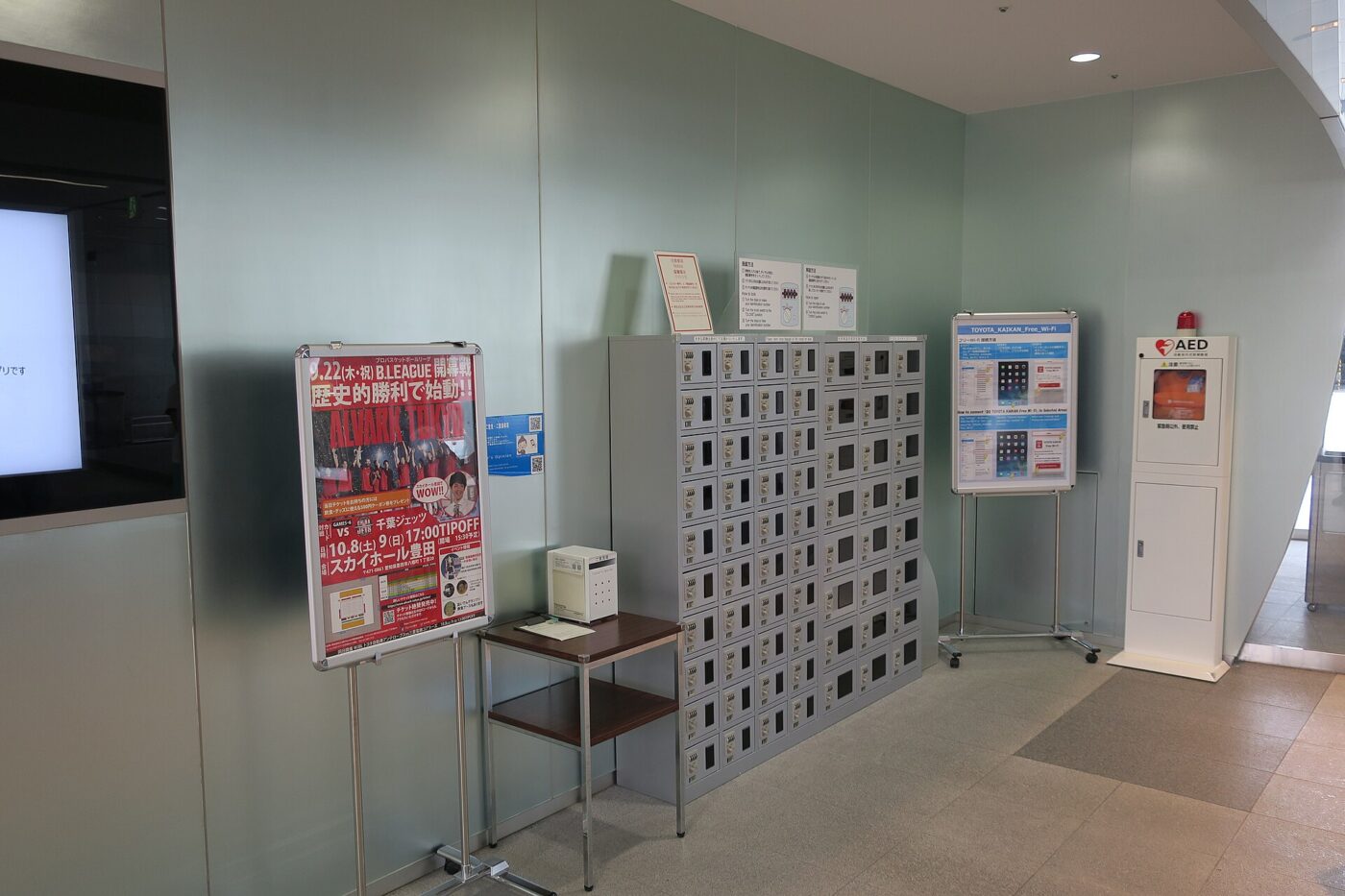
Three formats dominate. Lockable pouches travel with the student and open at a magnetic base by the door, which is the model the national study used as its marker for adoption. Numbered wall caddies keep phones in the classroom and are bought by the room rather than by the student. Lockers or a front-office cabinet suit schools that already have the furniture and staff to supervise it.
Cost is the reason the choice is contested. Pouches are priced per student and have to be replaced when they are lost or cut, while a caddy is bought once per classroom. A caddy also puts the phone in the room rather than on the student, which some schools prefer and others reject on principle.
A household buying the same hardware for home use should treat any of these formats as friction rather than as a lock, since none of them is built to resist a determined owner.
What families end up buying instead
The practical gap a bell-to-bell rule opens at home is smaller than parents expect, and it is usually about time and contact. A student who cannot check a phone needs a watch to catch a bus, and a school that collects phones at the door needs a plan for how a parent reaches the office in an emergency. Both are solved with a cheap watch and a phone number on paper.
The second purchase is for the evening rather than the school day. Households copying the school rule at home generally buy a lockable pouch or a timed box to put phones out of reach during homework, which is the same hardware in a smaller quantity. The Guardian’s reporting on student-led programs in New York describes schools replacing screen time with craft carts and disposable cameras, which is a reminder that the substitute matters as much as the lock.
We read the study as a caution against expecting a purchase to do the work. Phone use in class falls sharply, grades barely move, and the good outcomes show up in the second and third year. That is an argument for a habit, not a gadget.
Counter-signals worth watching
The near-zero academic effect is the biggest risk to the pouch market. A superintendent weighing a per-student pouch contract against cheaper classroom storage now has a national study saying the test-score case is thin, and the discipline numbers get worse before they get better.
Students are also organizing around the policies rather than against them, asking for activities to fill the time rather than for the phones back. If that shifts district spending toward supplies, the pouch is the line item that loses.
What to watch next
- Whether districts renewing pouch contracts move to cheaper classroom caddies after the national study found near-zero test-score effects.
- State education department guidance on storage and emergency access, which decides whether phones stay on students or in the room.
- Follow-up research on the schools now in their third or fourth year of a ban, where the study found the well-being effects turned positive.
Where to start
Paid links: we earn a commission if you buy through the buttons below, at no extra cost to you. As an Amazon Associate I earn from qualifying purchases.
Phone storage formats and what actually differs between them
| Product type | Good fit for | Where to look |
|---|---|---|
| Lockable phone pouch | Fits a bell-to-bell rule | See listings on AmazonOpens Amazon search results, not one listing: check the model on the product page. |
| Numbered classroom phone caddy | Fits one classroom | See listings on AmazonOpens Amazon search results, not one listing: check the model on the product page. |
| Simple digital wristwatch for students | Fits telling time without a phone | See listings on AmazonOpens Amazon search results, not one listing: check the model on the product page. |
Product types that fit the trend described above, not tested models. Check the exact listing before you buy. How we pick them.
Lockable phone pouch
Where to look: Amazon
The format used as the marker of adoption in the national study. For home use it works the same way, which means someone has to keep track of the base.
- Phone stays with the student
- Matches what most schools use
- Needs an unlocking base
- Easy to lose or damage
Numbered classroom phone caddy
Where to look: Amazon
The cheaper alternative when a per-student contract comes up for renewal. A teacher buying one should check the pocket size against a phone in a thick case.
- Bought once per room
- Nothing to lose per student
- Phones sit unattended in the room
- No lock on most models
Simple digital wristwatch for students
Where to look: Amazon
The most useful purchase a phone rule creates. Keep it to a plain digital watch, since schools with bell-to-bell rules often extend them to watches that send messages.
- Solves the practical problem of the school day
- No subscription
- Some schools restrict smartwatches too
- Another thing to charge or replace
More: Education and Learning trends and how the Trend Signal is scored.
Sources
- Schools across the US banned phones. Teens are demanding more offline support — The Guardian
- School cellphone bans improve discipline over time, but academic impacts are limited — K-12 Dive
- Five Things to Know About Largest Cell Phone Ban Study — Associated Press via WTOP
- Assembly Bill 3216, the Phone-Free School Act — California Legislative Information
Questions readers ask
How many states have school phone bans?
School phone policies were in effect in at least 39 states and Washington DC as of August 2026, according to the Guardian. The rules range from classroom-only restrictions to full bell-to-bell bans, and enforcement is generally left to districts.
Do phone bans improve grades?
Not measurably in the first three years. The national study released through the National Bureau of Economic Research on May 6, 2026 tracked 40,542 schools and found effects on standardized test scores close to zero, with modest gains in high school math and small negative effects in middle schools.
Do the pouches actually work?
At the thing they are sold for, yes. The same study found reported classroom phone use fell about 80% at schools that adopted lockable pouches, and total phone signals at school were down about 30% by the third year.
What does California require?
Assembly Bill 3216, chaptered as Chapter 500 on September 23, 2024, required school districts, county offices of education and charter schools to develop and adopt a policy limiting or prohibiting student smartphone use by July 1, 2026, with exceptions for emergencies, teacher permission, a physician determination and an individualized education program.