Over-the-air television has been quietly changing standards for most of a decade, and the part that confuses shoppers is that the antenna is not the thing that changed. ATSC 3.0, marketed as NextGen TV, uses the same 6 MHz channels and the same rooftop or indoor antennas as the signal it is meant to replace. What it needs is a different tuner, and that is where the transition has stalled.
The Federal Communications Commission set out the state of play in a Fifth Further Notice of Proposed Rulemaking adopted on October 28, 2025 and released the next day, under docket 16-142. It is an unusually readable document for an antenna buyer, because it states how far the rollout has gone, what the broadcasters have asked for and what the Commission is and is not willing to require.
Trend Signal
55/100 Steady momentum
- Emerging
- Rising
- Mainstream
- Peaking
- Cooling
Broad coverage, thin receiver base and no end date for the old standard
The FCC said in its October 2025 notice that ATSC 3.0 has launched in more than 90 markets covering more than 70 percent of the population, while about 14 million 3.0-capable sets and 300,000 external converters had been sold through 2024.
Our editorial reading of the cited data, not a forecast. How it is scored
By the numbers
- 70%U.S. population share in markets where ATSC 3.0 has launched, per the FCC in 2025FCC
- 14MATSC 3.0-capable TV sets sold through 2024, per the broadcaster report the FCC citesFCC
- 300,000External ATSC 3.0 converter devices sold through 2024, in the same FCC filingFCC
- Feb 2028Date NAB asked the FCC to set for the top 55 markets to end ATSC 1.0 broadcastingFCC Media Bureau
What changed, and what did not
ATSC 3.0 is an internet-protocol-based broadcast standard that uses the same 6 MHz channels already allocated to digital television. The FCC notes the catch in plain terms: the standard is not backward compatible with most existing TV sets or receivers, which have only ATSC 1.0 and analog tuners.
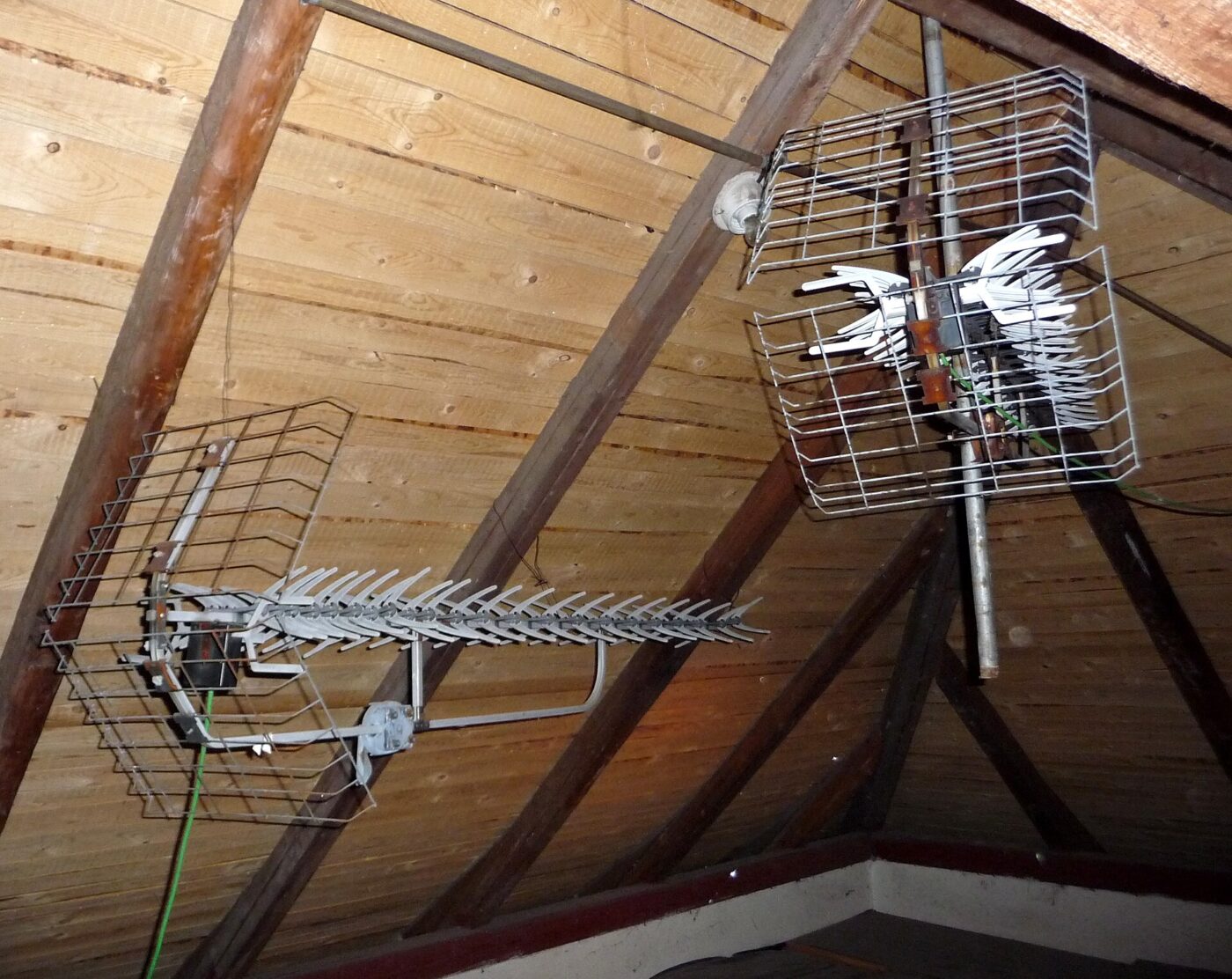
That is why the antenna question is mostly a distraction. A directional or omnidirectional antenna that pulls in your local stations today will pull in the same transmitters after they switch, because the frequencies and the transmitter sites do not move. The gate is the tuner inside the television or inside a separate box.
Because a station cannot broadcast both formats from one facility on one channel, broadcasters launching 3.0 have had to partner with a local station to host a simulcast. That is the machinery the FCC now proposes to dismantle.
Your existing antenna is not the obstacle; the tuner is.
Where the rollout actually stands
The October 2025 notice states that broadcasters have launched ATSC 3.0 service in more than 90 markets that include more than 70 percent of the country’s population. On the receiver side, the FCC cites a broadcaster industry report saying more than 14 million 3.0-capable sets and 300,000 external 3.0 converters were sold through 2024.
Those two figures describe the mismatch. Nielsen’s television universe estimates for 2023 to 2024, quoted in the same FCC filing, put the United States at 125 million TV households. A receiver base in the low tens of millions against coverage of most of the population is why the Commission keeps asking how many households could actually watch if the old signal went away.
The FCC also says it is not aware of any cable or satellite providers carrying 3.0 signals. For now, this is an antenna-only feature.
The rules the FCC is rewriting
Two deadlines already exist in the rules. The requirement that a 3.0 station simulcast programming substantially similar to its 1.0 stream, and the requirement to comply with the ATSC A/322 physical-layer standard, were both extended to July 17, 2027. The Fifth Further Notice tentatively concludes that the simulcasting requirement should be eliminated for stations that transition, while allowing voluntary simulcasting on a simplified basis.
The broadcasters want more. In a petition filed on February 26, 2025 and put out for comment by the Media Bureau on April 7, 2025, the National Association of Broadcasters asked the Commission to require full-power stations in the top 55 markets, reaching about 70 percent of viewers, to end all ATSC 1.0 broadcasting in February 2028, with the remaining markets following in February 2030. The Bureau received more than 900 comments and replies before that cycle closed on June 6, 2025.
NAB also asked the FCC to amend section 15.117 of its rules, under the 1962 All Channel Receiver Act, so that all TV broadcast receivers include 3.0 tuners. The Consumer Technology Association opposes a mandate, arguing it would be misguided before there is adequate indication of consumer demand, and estimating that by 2028 more than half of TV sets sold each year will carry 3.0 tuners anyway. The Federal Register notice of November 20, 2025 set comments for January 20, 2026 and replies for February 18, 2026.
The FCC is removing obligations on broadcasters without setting a shutdown date or a tuner requirement.
Encryption is the part buyers trip over
The same notice seeks comment on whether the Commission should adopt rules about encrypting or signing free over-the-air signals. It explains that digital rights management is contemplated by the ATSC 3.0 standard, and that the ATSC 3.0 Security Authority, founded by the major broadcast networks and large broadcast companies, administers the broadcaster scheme.
For a buyer this is the practical risk that a bare tuner chip does not cover. A device has to be authorized to decrypt protected streams, which is a licensing question rather than a reception question, and it is the reason the FCC is asking about consumers’ ability to view encrypted signals at all.
It is also why a working antenna and a strong signal reading do not guarantee a channel will play. Reception and authorization are separate problems with the same symptom.
Who should buy a tuner now

If you already watch over the air and your set works, there is no deadline forcing anything. The simulcast and A/322 rules run to July 17, 2027 on their current extension, NAB’s proposed 2028 and 2030 dates are a request rather than a rule, and the FCC has declined to mandate tuners so far.
The case for acting now is narrower and specific: you live in one of the markets already carrying 3.0, you want the extra subchannels or the higher-resolution feeds where a station offers them, and you are replacing a set anyway.
- Check whether your market is among those already carrying 3.0 before buying anything labeled NextGen TV.
- If you are buying a television, look for a stated ATSC 3.0 tuner; the FCC has not required one, so many sets do not have one.
- For an existing set, a separate converter or gateway is the alternative, and only about 300,000 had sold through 2024.
- Keep the antenna you have if it already receives your local stations well, since the frequencies do not change.
What to watch next
- The FCC docket 16-142 record after the January 20 and February 18, 2026 comment deadlines, for whether a tuner requirement gains ground.
- Whether the July 17, 2027 sunset of the substantially similar simulcast rule is extended again or allowed to lapse.
- CTA’s estimate that more than half of TV sets sold each year will carry 3.0 tuners by 2028, which is the forecast the no-mandate case rests on.
Where to start
Paid links: we earn a commission if you buy through the buttons below, at no extra cost to you. As an Amazon Associate I earn from qualifying purchases.
Over-the-air gear compared on what it actually solves
| Product type | Good fit for | Where to look |
|---|---|---|
| Indoor TV antenna | Fits a strong signal area | See listings on AmazonOpens Amazon search results, not one listing: check the model on the product page. |
| Outdoor or attic TV antenna | Fits a weak or distant signal | See listings on AmazonOpens Amazon search results, not one listing: check the model on the product page. |
| ATSC 3.0 tuner box | Fits a set with no 3.0 tuner | See listings on AmazonOpens Amazon search results, not one listing: check the model on the product page. |
Product types that fit the trend described above, not tested models. Check the exact listing before you buy. How we pick them.
Indoor TV antenna
Where to look: Amazon
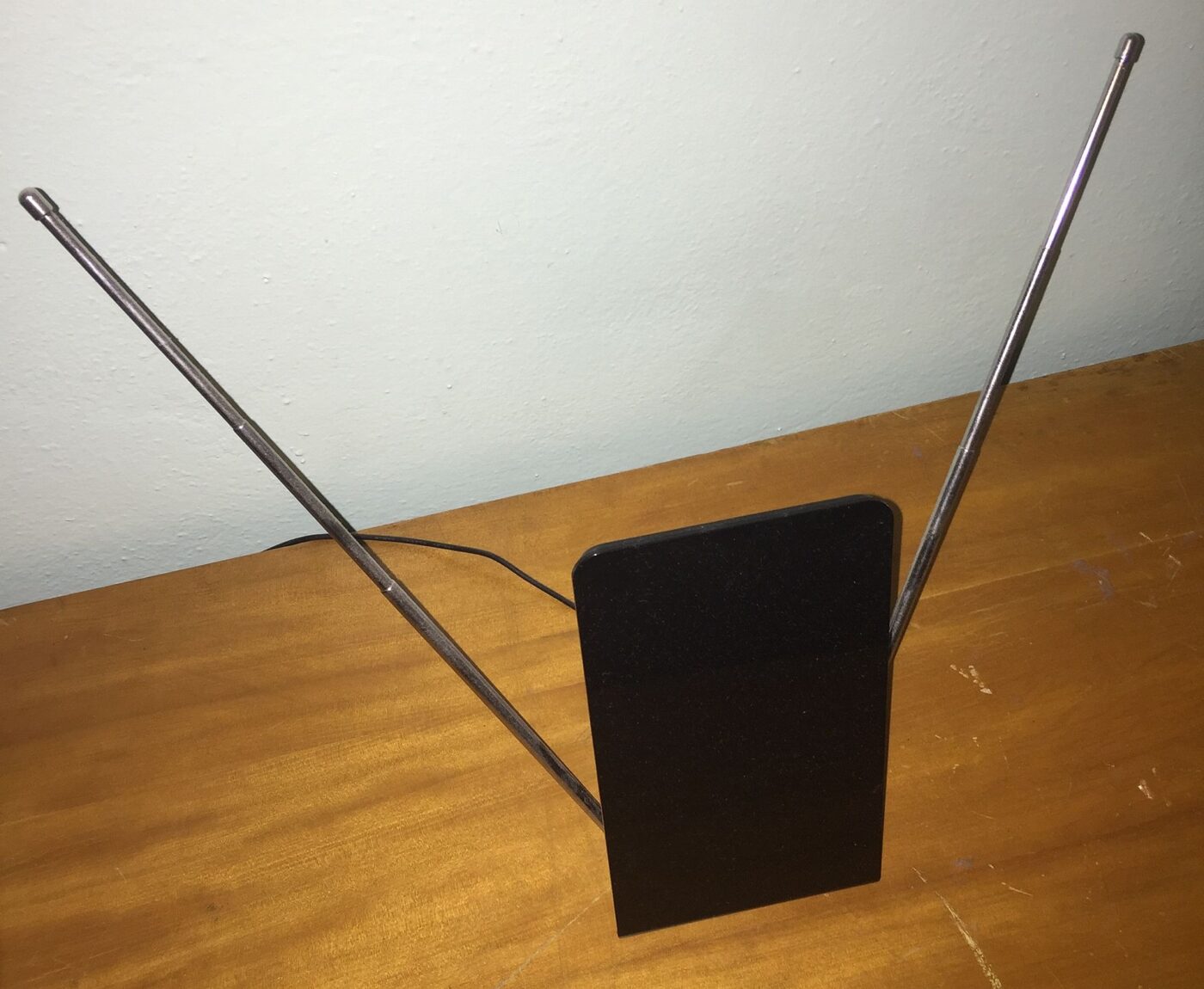
Since the frequencies do not change with the new standard, an indoor antenna that already pulls in your locals will keep working. Start here before spending on a tuner.
- Cheapest way to test reception
- Works the same for 1.0 and 3.0
- Range claims run generous
- Placement matters more than specs
Outdoor or attic TV antenna
Where to look: Amazon
The upgrade that fixes reception rather than features. Check VHF coverage, because a number of stations still sit on VHF channels that UHF-only antennas handle poorly.
- Far better on weak stations
- Directional gain cuts interference
- Installation and mounting work
- Aiming matters for each transmitter
ATSC 3.0 tuner box
Where to look: Amazon
The FCC cites only about 300,000 external converters sold through 2024, so this is a thin market. Confirm how the device handles encrypted channels before buying.
- Adds the new standard to any TV
- No need to replace the set
- Small installed base
- Encrypted channels need authorization
More: Gaming and Entertainment trends and how the Trend Signal is scored.
Sources
- Authorizing Permissive Use of the Next Generation Broadcast Television Standard, Fifth Further Notice of Proposed Rulemaking, FCC 25-72 — Federal Communications Commission
- Media Bureau Seeks Comment on NAB Petition to Facilitate the NextGen TV Transition, DA 25-314 — Federal Communications Commission
- Authorizing Permissive Use of the Next Generation Broadcast Television Standard, proposed rule — Federal Communications Commission via GovInfo
- FCC Approves NextGen TV Proposal to Give Broadcasters More Flexibility — TV Tech
Questions readers ask
Do I need a new antenna for ATSC 3.0?
No. The FCC describes ATSC 3.0 as using the same 6 MHz channels already allocated to digital television service, so an antenna that receives your local stations now will receive them after a switch. The part that has to change is the tuner in the TV or a separate converter.
When will ATSC 1.0 be switched off?
No date has been set. The substantially similar simulcast rule and the A/322 compliance requirement currently run to July 17, 2027, and the FCC’s October 2025 notice proposes ending the simulcasting requirement without setting a shutdown date. NAB has asked for February 2028 in the top 55 markets and February 2030 elsewhere.
Do new TVs have ATSC 3.0 tuners?
Many do not. The FCC has declined to mandate them, and the Consumer Technology Association has argued against a requirement while estimating that by 2028 more than half of TV sets sold each year will carry 3.0 tuners without Commission action. Check the specification sheet rather than assuming.
Why do some NextGen TV channels not play?
Encryption is a likely cause. The FCC explains that digital rights management is contemplated by the ATSC 3.0 standard and is administered by the ATSC 3.0 Security Authority, a private entity founded by major broadcast networks and large broadcast companies, so a device has to be authorized as well as able to receive.