For years the argument about PFAS in cosmetics ran on estimates from independent testing. In December 2025 the Food and Drug Administration put a federal number on it, because the Modernization of Cosmetics Regulation Act of 2022 required the agency to assess the use of PFAS in cosmetic products and publish the results by December 29, 2025.
The count is specific and the conclusion is not. FDA identified 51 PFAS being used as ingredients and 1,744 formulations containing them, then said the toxicological data for most of those substances are incomplete or unavailable. Meanwhile three states had already banned them outright. Here is what the report says, what the state rules actually cover, and how to read a US ingredient list.
Trend Signal
60/100 Steady momentum
- Emerging
- Rising
- Mainstream
- Peaking
- Cooling
State prohibitions are in force while the federal read is still incomplete
FDA’s report of December 29, 2025 identified 51 PFAS in 1,744 US cosmetic formulations and said toxicological data for most of them are incomplete or unavailable, while California, Minnesota and Washington already prohibit intentionally added PFAS in cosmetics.
Our editorial reading of the cited data, not a forecast. How it is scored
By the numbers
- 51PFAS ingredients FDA identified in US cosmetic product listings, December 2025US Food and Drug Administration
- 1,744US cosmetic formulations containing those PFAS, according to the FDA reportUS Food and Drug Administration
- Jan 1, 2025Date California began prohibiting intentionally added PFAS in cosmetic productsCalifornia Legislature
- 96%Share of intentionally added PFAS covered by the 25 substances FDA assessed, Dec 2025US Food and Drug Administration
What PFAS are doing in a cosmetic
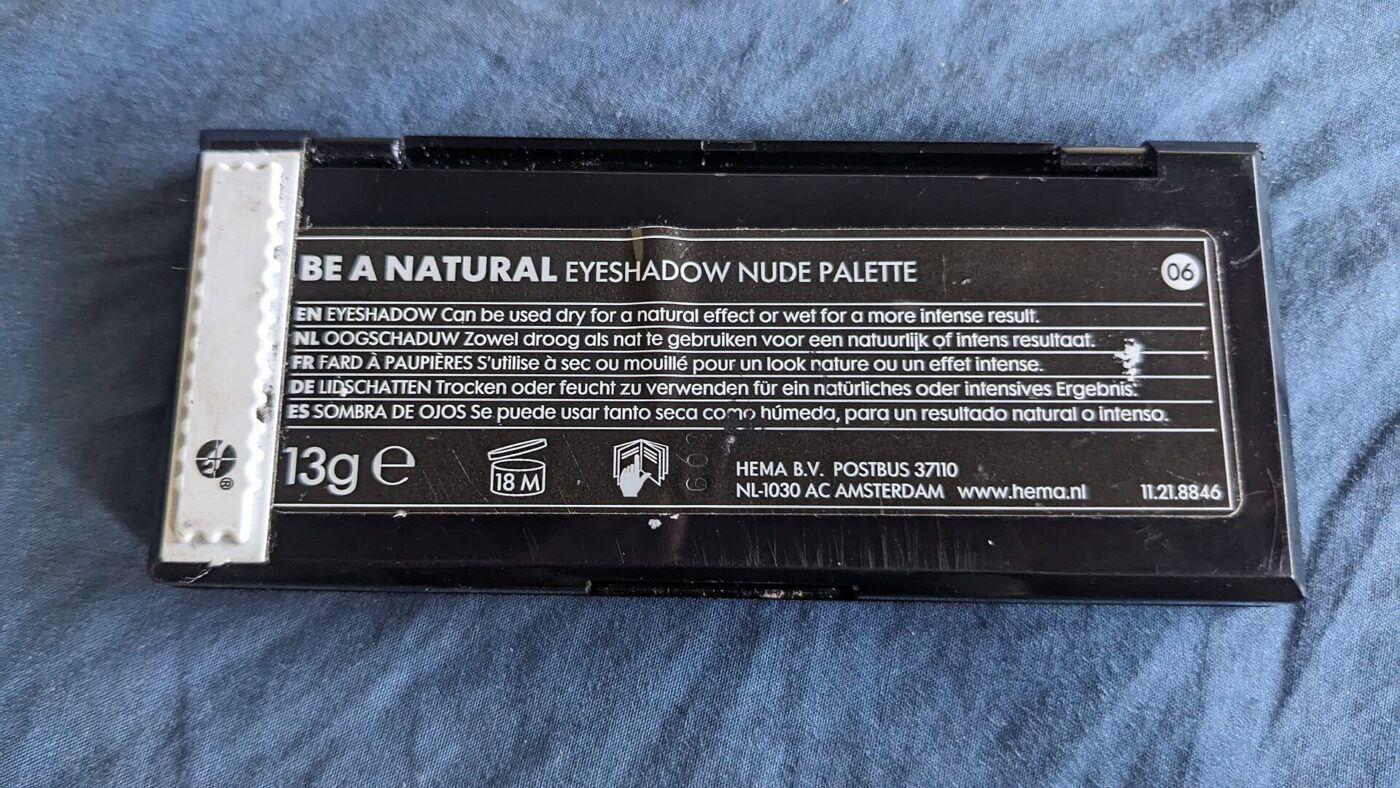
PFAS is shorthand for per- and polyfluoroalkyl substances, which FDA describes as a diverse group of synthetic chemicals used in a wide range of consumer and industrial products. FDA says common examples found in cosmetics include polytetrafluoroethylene, better known as PTFE, and perfluorononyl dimethicone, and that the product types where they turn up include lipsticks, eyeshadows, moisturizers, nail polish and enamel, blushers and rouges, and cleansers.
They are there for texture and wear. Fluorinated ingredients help a product spread smoothly, sit evenly on skin and resist water and transfer. That is also why they concentrate in exactly the categories people buy for longevity: color that stays put through a day is doing something a plain pigment in oil does not do on its own.
None of that is hidden. US cosmetics carry an ingredient declaration and these substances appear on it under their chemical names. The problem for a shopper is not secrecy but vocabulary.
PFAS in cosmetics cluster in long-wear color and water-resistant formats, and they are listed on the pack under chemical names.
What the FDA count found
The report, published on December 29, 2025, is the first federal accounting of its kind and it was mandated rather than volunteered. FDA identified 51 PFAS in cosmetic product listings, appearing in 1,744 formulations, and assessed the 25 most frequently used, which it said represent approximately 96% of PFAS intentionally added to cosmetic products.
The findings are mixed and the agency said so. Five of the assessed substances appeared to present low safety concerns under their intended conditions of use. One was identified as having a potential safety concern, with significant remaining uncertainty. For most of the rest, FDA said toxicological data are incomplete or unavailable, and it specifically pointed to limited data on use levels, missing dermal and oral absorption data and an absence of dermal toxicity data.
What FDA did not do is as important as what it found. The report is an assessment, not a rule. The agency said it would continue to monitor emerging data, devote additional resources to the gaps and take appropriate action if safety concerns emerge. No federal prohibition on PFAS in cosmetics followed it.
The states that already prohibit them
Three states did not wait. California’s AB 2771, passed in 2022, provides that beginning January 1, 2025 no entity may manufacture, sell, deliver, hold or offer for sale in commerce any cosmetic product that contains intentionally added PFAS, defining PFAS as a class of fluorinated organic chemicals containing at least one fully fluorinated carbon atom.
Minnesota reached cosmetics through a broader law. Under Amara’s Law, codified at Minn. Stat. 116.943, intentionally added PFAS were prohibited from January 1, 2025 across eleven product categories, cosmetics among them. Washington’s Toxic-Free Cosmetics Act restricted intentionally added PFAS in cosmetics from the same date for manufacturers and distributors, alongside formaldehyde, methylene glycol, mercury, ortho-phthalates, triclosan and lead.
The Washington timing carries a wrinkle worth knowing. The state allows retailers to sell stock already in their possession until December 31 of the year a restriction takes effect, so compliance at the factory arrives before compliance on the shelf. That lag is part of why reformulated and older stock circulated side by side through 2025.
| State | Rule | Cosmetics covered from |
|---|---|---|
| California | AB 2771 | January 1, 2025 |
| Minnesota | Amara’s Law, Minn. Stat. 116.943 | January 1, 2025 |
| Washington | Toxic-Free Cosmetics Act | January 1, 2025 for manufacturers and distributors |
What that means for what you can buy
Cosmetic ranges are rarely split by state, because the same batch and the same ingredient declaration go to every retailer. We read the three prohibitions landing on one date as the reason reformulation happened at the factory, which is why a shopper in a state with no cosmetics rule is mostly buying the reformulated product anyway.
Two caveats keep it from being a clean sweep. The bans reach PFAS a manufacturer puts in deliberately: California’s AB 2771 turns on intentionally added PFAS, and defines PFAS as a class of fluorinated organic chemicals containing at least one fully fluorinated carbon atom. Trace contamination arriving from equipment or raw materials is a different question that these rules do not address in the same way.
The second caveat is the FDA count itself. It was published at the end of 2025, after the state bans took effect, and still found 51 PFAS across 1,744 formulations in product listings. Reformulation is underway, not finished, and a PFAS-free line on a website is a marketing claim rather than a certification.
How to read an ingredient list
The reliable check is the ingredient declaration on the package, and the names to scan for share a pattern. FDA names polytetrafluoroethylene and PTFE, and perfluorononyl dimethicone, as examples found in cosmetics. Most of the family carries a fluoro or perfluoro element in the chemical name, which makes them findable even without memorizing 51 of them.
Pay closest attention in the categories FDA named: lipsticks, eyeshadows, moisturizers, nail polish and enamel, blushers and rouges, and cleansers. A short ingredient list is easier to scan, which is why mineral powders and simple balms are the easiest place to start.
Finally, keep the two questions separate. Whether a product contains PFAS is answerable from the label. Whether that matters for a given ingredient is a question FDA has said it cannot fully answer, and neither the report nor this article is a safety verdict on any product.
- Scan the ingredient declaration for names containing fluoro or perfluoro, and for PTFE or polytetrafluoroethylene.
- Check long-wear and water-resistant formats first, since FDA named those product types.
- Treat PFAS-free marketing as a company claim, not a certification by any agency.
What to watch next
- Whether FDA proposes any restriction after the data gaps it identified, or leaves the question to the states.
- Whether more states add cosmetics to their PFAS prohibitions, which would push national reformulation further.
- Whether the number of listed formulations containing PFAS falls when FDA next updates its cosmetic product listings.
Where to start
Paid links: we earn a commission if you buy through the buttons below, at no extra cost to you. As an Amazon Associate I earn from qualifying purchases.
Makeup formats where the ingredient list is short enough to scan
| Product type | Good fit for | Where to look |
|---|---|---|
| Mineral pressed powder | Fits a short ingredient list | See listings on AmazonOpens Amazon search results, not one listing: check the model on the product page. |
| Cream blush stick | Fits a powder-free routine | See listings on AmazonOpens Amazon search results, not one listing: check the model on the product page. |
| Tinted lip balm | Fits daily lip color | See listings on AmazonOpens Amazon search results, not one listing: check the model on the product page. |
Product types that fit the trend described above, not tested models. Check the exact listing before you buy. How we pick them.
Mineral pressed powder
Where to look: Amazon
Pressed mineral powders usually carry short declarations, which makes the fluoro and perfluoro check quick. Face powders are one of the categories where FDA found PFAS, so the check is worth doing.
- Few ingredients to scan
- Easy to check against the FDA names
- Less long-wear than fluid formulas
- Shade matching is harder
Cream blush stick
Where to look: Amazon
Cream color sticks range from very short ingredient lists to long ones, so this is a category where reading the carton actually changes what you learn about the product.
- Simple formulas are common
- No powder dust
- Ingredient lists vary widely
- Longevity depends on the base
Tinted lip balm
Where to look: Amazon
FDA named lipsticks among the product types where PFAS appear, and long-wear formulas are where the fluorinated ingredients do their work. A balm is the simplest alternative to check.
- Short lists are common
- Cheap to replace
- Wears off faster than long-wear color
- Pigment is light
More: Beauty and Grooming trends and how the Trend Signal is scored.
Sources
- FDA finds insufficient data to determine safety of PFAS in cosmetic products — US Food and Drug Administration
- Per- and polyfluoroalkyl substances in cosmetics — US Food and Drug Administration
- AB 2771, cosmetic products: perfluoroalkyl and polyfluoroalkyl substances — California Legislature
- 2025 PFAS prohibitions — Minnesota Pollution Control Agency
- Toxic-Free Cosmetics Act — Washington State Department of Ecology
Questions readers ask
Does FDA ban PFAS in makeup?
No. FDA published a report on December 29, 2025 assessing PFAS use in cosmetics, as required by the Modernization of Cosmetics Regulation Act of 2022, but no federal prohibition followed. The agency said it would continue to monitor emerging data and act if safety concerns emerge.
How common are PFAS in US cosmetics?
FDA identified 51 PFAS in cosmetic product listings, appearing in 1,744 formulations. It assessed the 25 most frequently used, which it said account for approximately 96% of PFAS intentionally added to cosmetic products.
Which states ban PFAS in cosmetics?
California, Minnesota and Washington all prohibited intentionally added PFAS in cosmetics from January 1, 2025, through AB 2771, Amara’s Law and the Toxic-Free Cosmetics Act respectively. Washington allows retailers to sell stock already in their possession until December 31 of the year a restriction takes effect.
How do I tell if a product contains PFAS?
Read the ingredient declaration. FDA names polytetrafluoroethylene, or PTFE, and perfluorononyl dimethicone as examples found in cosmetics, and most of the family carries a fluoro or perfluoro element in the chemical name.
Which products are most likely to contain them?
FDA lists lipsticks, eyeshadows, moisturizers, nail polish and enamel, blushers and rouges, and cleansers among the cosmetic types where PFAS turn up.