Until mid-2025, memory was the easy part of a PC build. A 32GB kit and a 2TB SSD were commodity purchases, and the hard choices were the CPU platform and the graphics card. That changed over the following year, when memory makers steered supply toward AI data centers and retail RAM and SSD prices multiplied.
The shape of the spike is now visible in contract data, retail listings and the consumer price index. Below is how far prices moved, why gaming PCs took the hit, and what a buyer can do in the fall of 2026.
Trend Signal
70/100 Strong momentum
- Emerging
- Rising
- Mainstream
- Peaking
- Cooling
Still climbing, but the quarterly jumps are shrinking
TrendForce projected conventional DRAM contract increases of 90% to 95% in 1Q26 and 58% to 63% in 2Q26, then a slower 13% to 18% for 3Q26 as PC and phone buyers hit an affordability limit.
Our editorial reading of the cited data, not a forecast. How it is scored
By the numbers
- $459Price of a 32GB DDR5-6000 kit in late July 2026 that sold for $90 in July 2025Tom’s Hardware
- 100%+Projected rise in PC DRAM contract prices, 1Q26 vs 4Q25TrendForce
- +8.4%US CPI for computers, peripherals and smart home assistants, Aug. 2026 vs a year earlierBureau of Labor Statistics
- +221.5%Price change of a 2TB Samsung 990 Evo Plus SSD, July 2025 to July 2026Tom’s Hardware
How far memory prices climbed
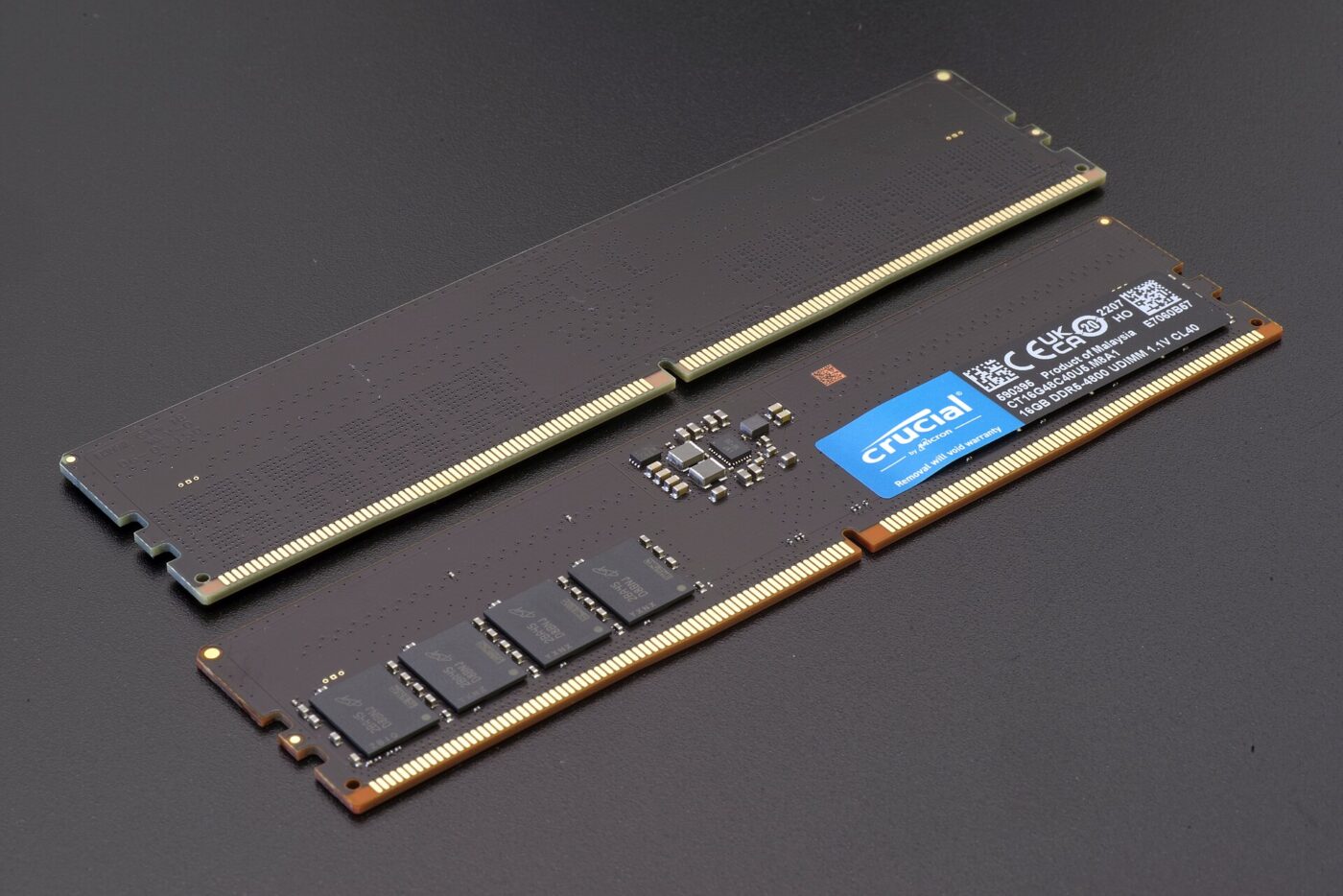
The contract market, where PC makers and module brands buy chips, moved first and hardest. TrendForce projected in February 2026 that conventional DRAM contract prices would rise 90% to 95% quarter over quarter in the first quarter, with PC DRAM up more than 100%, and called the increases record highs. In March it projected another 58% to 63% for the second quarter, while NAND flash, the memory inside SSDs, was forecast to climb 70% to 75%.
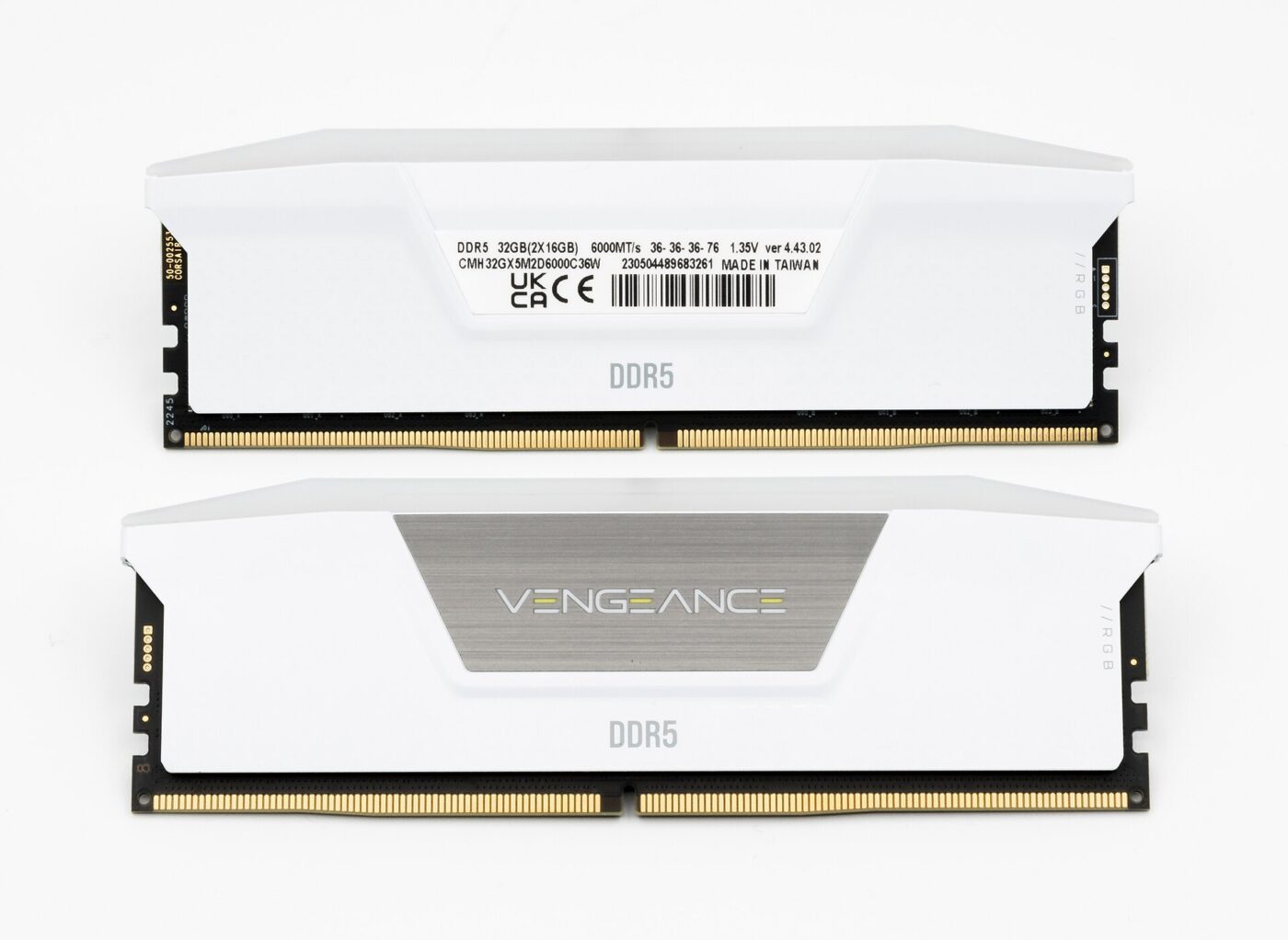
Retail prices followed. Tom’s Hardware reported on July 28, 2026 that a Crucial Pro 32GB DDR5-6000 kit it recommended at $90 during July 2025 sales now cost $459, and that 32GB of DDR5 could no longer be found below $379. Its going rate for a 16GB DDR5 kit was $209, double the price for half the capacity of a year earlier. DDR4, the older standard, offered no refuge: a 32GB DDR4-3200 kit that cost $48 in 2025 would, in the site’s words, be lucky to be found on sale for $200.
| Item | July 2025 price | Late July 2026 price |
|---|---|---|
| 32GB DDR5-6000 kit (Crucial Pro) | $90 | $459 |
| 32GB DDR4-3200 kit (Corsair Vengeance) | $48 (2025) | $200 at best, on sale |
| 2TB NVMe SSD (Samsung 990 Evo Plus) | $113 | $363.49 |
| Alienware Aurora 16 with Intel Core 7 | $1,099 | $1,999 |
Memory went from the cheapest line on a parts list to one of the most expensive.
Why PC builders took the hardest hit

The root cause is a supply shift, not a surge in gamer demand. TrendForce attributed the early-2026 jump to AI and data-center demand, with cloud providers in North America and China competing for limited supply while memory makers reallocated capacity. In its review of the 2025 module market, TrendForce said server orders limited the chips suppliers allocated to PC and consumer uses.
The retail channel also lost a major brand. Micron announced on December 3, 2025 that it would exit the Crucial consumer business, shipping to retailers through the end of its fiscal second quarter in February 2026 while keeping warranty support, in order to prioritize “larger, strategic customers in faster-growing segments.” Tom’s Hardware noted that Micron is one of only three memory makers in the industry.
DDR4 did not escape either. TrendForce said in May 2026 that DDR4 would stay in short supply through 2026 with prices still rising, and that DDR4 would shrink to about 7% of Micron’s DRAM output in 2026.
Build or buy: the math flipped
The standard advice to PC gamers was to build from parts. In 2026 that advice weakened. Tom’s Hardware argued in July 2026 that RAM prices had risen 400% to 600% in some cases while complete systems rose far less, so prebuilts “tend to represent much better value” than a year earlier. Some builders changed tactics instead: Maingear began offering bring-your-own-RAM builds in late 2025.
Laptops are not a way around it. TrendForce estimated in March 2026 that memory would exceed 30% of a notebook’s bill of materials in the first quarter, and that a mainstream notebook with a $900 MSRP could rise nearly 40% at retail if memory and CPU prices both climbed. In July it said retail notebook prices were expected to rise across the board as higher-cost components flow through notebook inventories.
The broad price data agrees. The Bureau of Labor Statistics index for computers, peripherals and smart home assistants was 8.4% higher in August 2026 than a year earlier, after falling 2.0% in the year to August 2025.
The cheaper paths that still exist
Bundles are the most reliable discount for builders. Because CPU, motherboard and cooling prices held steady or fell, Tom’s Hardware found that retailer bundles pairing RAM with a CPU and motherboard brought the effective cost of the memory down to around $200.
Reusing DDR4 is the other route, with a performance cost. Intel’s LGA 1700 processors support both DDR4 and DDR5, and Tom’s Hardware measured average gaming performance roughly 9% to 14% lower on DDR4 across that lineup in July 2026, with the gap widening on newer, faster chips.
Capacity choices matter more than they used to. In Valve’s August 2026 Steam survey, 16 GB remained the most common amount of system memory at 41.20% of users, with 32 GB at 37.45%. A budget build can start at 16 GB and add capacity when prices ease, provided the motherboard has free slots.
- Price the whole system: compare a prebuilt against the sum of its parts at current memory prices.
- Look for CPU, motherboard and RAM bundles before buying memory on its own.
- If you own a DDR4 kit, an LGA 1700 upgrade keeps it in service at a measurable frame-rate cost.
- Buy the SSD capacity you need now; Tom’s Hardware found some 4TB drives had doubled in price.
When relief might come
The rate of increase is falling. TrendForce forecast DRAM contract prices up 13% to 18% in the third quarter of 2026, well below the first-half jumps, because “customers from consumer markets, such as PCs and smartphones, are reaching their affordability limit.” That is the first sign of a ceiling, but it is still an increase on top of record levels.
Supply is the slow variable. SK hynix CEO Kwak Noh-jung told Reuters in July 2026, as reported by Tom’s Hardware, that the following year would be the worst in the industry’s history for supply and that customer demand would stay above SK hynix’s own supply capacity beyond the end of the decade. Micron says combined LPDDR4 and DDR4 supply from its Fab 6 will quadruple, but TrendForce called that a reallocation of internal capacity aimed mainly at automotive, industrial and networking customers, with no plan to raise Micron’s total LPDDR4 and DDR4 capacity.
Our read: treat 2026 prices as the baseline for at least another year. Defer upgrades you can; for a PC you need now, buy a prebuilt or bundle with enough memory and a free slot to add more later.
What to watch next
- TrendForce’s fourth-quarter 2026 DRAM contract forecast; a single-digit increase would confirm the slowdown
- The BLS computers and peripherals CPI for September and October 2026, due out in October and November
- Retail bundle pricing into Black Friday, the clearest sign of whether builders are getting relief
Where to start
Paid links: we earn a commission if you buy through the buttons below, at no extra cost to you. As an Amazon Associate I earn from qualifying purchases.
Ways to put together a gaming PC during the memory crunch
| Product type | Good fit for | Where to look |
|---|---|---|
| Prebuilt gaming desktop | Fits buyers who want a complete system now | See listings on AmazonOpens Amazon search results, not one listing: check the model on the product page. |
| 32GB DDR5 desktop memory kit | Fits new DDR5 builds that need capacity | See listings on AmazonOpens Amazon search results, not one listing: check the model on the product page. |
| 32GB DDR4 desktop memory kit | Fits LGA 1700 upgrades reusing DDR4 | See listings on AmazonOpens Amazon search results, not one listing: check the model on the product page. |
Product types that fit the trend described above, not tested models. Check the exact listing before you buy. How we pick them.
Prebuilt gaming desktop
Where to look: Amazon
Tom’s Hardware found prebuilts held value better than parts in 2026. Check whether the listed RAM is one stick or two, and whether slots are free for later upgrades.
- Rose less than parts in 2026
- One warranty for the whole PC
- Spec sheets can hide slow SSDs
- Less choice of individual parts
32GB DDR5 desktop memory kit
Where to look: Amazon
The going rate for 32GB was about $379 in late July 2026. Retailer bundles with a CPU and motherboard were the main way to pay less.
- Full performance on newer CPUs
- Lower cost per GB than 16GB kits
- Some kits up about fivefold in a year
- Listings reprice quickly
32GB DDR4 desktop memory kit
Where to look: Amazon
Most useful if you already own DDR4; new DDR4 kits are also in short supply.
- Keeps an existing kit in service
- LGA 1700 supports both standards
- About 9% to 14% slower in games
- New DDR4 kits are also expensive
More: Gaming and Entertainment trends and how the Trend Signal is scored.
Sources
- Memory price outlook for 1Q26 sharply upgraded — TrendForce
- Rapid contract price surge drives 1Q26 DRAM industry up 81% QoQ — TrendForce
- AI server demand to drive memory contract price increases in 2Q26 — TrendForce
- AI server demand continues to support memory prices in 3Q26 — TrendForce
- Micron Fab 6 starts LPDDR4 and DDR4 production, but DDR4 shortage is expected to persist — TrendForce
- Rising memory and CPU prices could push mainstream notebook prices up by nearly 40% — TrendForce
- DRAM module revenue surges 59% in 2025 — TrendForce
- Micron announces exit from Crucial consumer business — Micron Technology
- One year into the AI-induced RAM apocalypse: how much does memory actually cost — Tom’s Hardware
- State of play: SSD pricing one year into the AI component crisis — Tom’s Hardware
- Re-examining the DDR4 gaming gap with Intel LGA 1700 CPUs — Tom’s Hardware
- SK hynix CEO outlook on the memory shortage — Tom’s Hardware
- CPI: Computers, peripherals, and smart home assistants, 12-month change — Bureau of Labor Statistics
- Steam Hardware and Software Survey, August 2026 — Valve
Questions readers ask
Why is RAM so expensive in 2026?
Memory makers shifted supply toward AI and data-center customers. TrendForce projected PC DRAM contract prices up more than 100% in the first quarter of 2026, and Micron exited its Crucial consumer brand, with retail shipments ending in February 2026.
How much does 32GB of DDR5 cost now?
Tom’s Hardware put the going rate at about $379 for 32GB of DDR5 in late July 2026, and reported a kit that sold for $90 in July 2025 listed at $459.
Is it cheaper to buy a prebuilt gaming PC than to build one in 2026?
Often, yes. Tom’s Hardware found in July 2026 that RAM prices had risen 400% to 600% in some cases while complete systems rose much less, making prebuilts better value than a year earlier. Compare against a CPU, motherboard and RAM bundle before deciding.
When will RAM prices go down?
None of the forecasts in our sources calls for declines soon. TrendForce projected a smaller 13% to 18% contract increase for 3Q26, and SK hynix’s CEO said in July 2026 that the following year would be the worst for supply.