A podcast used to mean an audio file in an app. By 2026, for many listeners, it also means a show on YouTube, often played on a TV. Edison Research’s tracking shows video podcast consumption passed audio-only consumption among weekly US podcast fans in the third quarter of 2025, and the big platforms spent 2025 and 2026 building around that shift.
That changes what a new podcaster needs to buy. Cameras and lights join microphones on the list, and the audio still has to hold up for people who only listen. Here is what the audience data shows and how it translates into gear.
Trend Signal
82/100 Strong momentum
- Emerging
- Rising
- Mainstream
- Peaking
- Cooling
Video overtook audio-only among weekly podcast fans in 2025
Edison Research found 82% of weekly US podcast consumers watched video podcasts in Q3 2025, against 78% who listened audio-only, and Spotify said in May 2026 that more than 500 million users had streamed a video podcast, up nearly 50% year over year.
Our editorial reading of the cited data, not a forecast. How it is scored
By the numbers
- 82%Weekly US podcast consumers who watched video podcasts in Q3 2025Edison Research
- 700MHours of podcasts watched on YouTube living-room devices in October 2025YouTube
- 500M+Spotify users who had streamed a video podcast, as of May 2026Spotify
- 167MAmericans 12 and older who consumed a podcast in the past month, January 2026 surveyEdison Research
Video caught up with audio in 2025
Edison Research’s Podcast Consumer 2026 report, published June 4, 2026, found that in the third quarter of 2025, 82% of weekly US podcast consumers actively watched video podcasts, compared with 78% who listened to audio only. In 2023 the split was 89% audio-only and 73% video. Edison describes the two formats as “virtually even” since then.
The overall audience is also at a record. In Edison’s Infinite Dial 2026 survey of 2,050 Americans age 12 and older, conducted in January 2026, 80% had ever listened to or watched a podcast, 58% (an estimated 167 million people) had done so in the past month and 45% in the past week. Some 57% had both listened to and watched a podcast.
New listeners lean toward video. A January 2026 Edison Research report, The Evolving Ear, found that 77% of people who started consuming podcasts within the past year watch video podcasts, against 75% who listen audio-only, and that 72% of them had started listening to a podcast’s audio version after discovering its video version.
Video is how many new listeners discover a show, even when they later listen to it.
Where people watch: YouTube, TVs, Spotify and Netflix

YouTube said in February 2025 that it had more than 1 billion monthly active podcast users, and that YouTube and YouTube Music were the most frequently used podcast platforms in the US. In December 2025 it reported that viewers watched more than 700 million hours of podcasts on living-room devices in October 2025, up from 400 million hours a year earlier. In May 2026 it said YouTube Premium members alone watched more than 800 million hours of podcasts in April 2026.
Spotify said in May 2026 that more than 500 million users have streamed a video podcast, a number up nearly 50% year over year. In January 2026 it lowered the bar for video creators to earn through its Partner Program, to 1,000 engaged audience members and 2,000 hours consumed over 30 days plus three published episodes, down from 2,000 listeners, 10,000 hours and 12 episodes.
Netflix joined in. After a deal with Spotify to carry video podcasts including The Ringer’s shows, it signed iHeartMedia in December 2025 for 14 video podcasts to premiere exclusively on Netflix in the US in early 2026, TechCrunch reported, with iHeartMedia keeping the audio rights.
What the shift means for gear
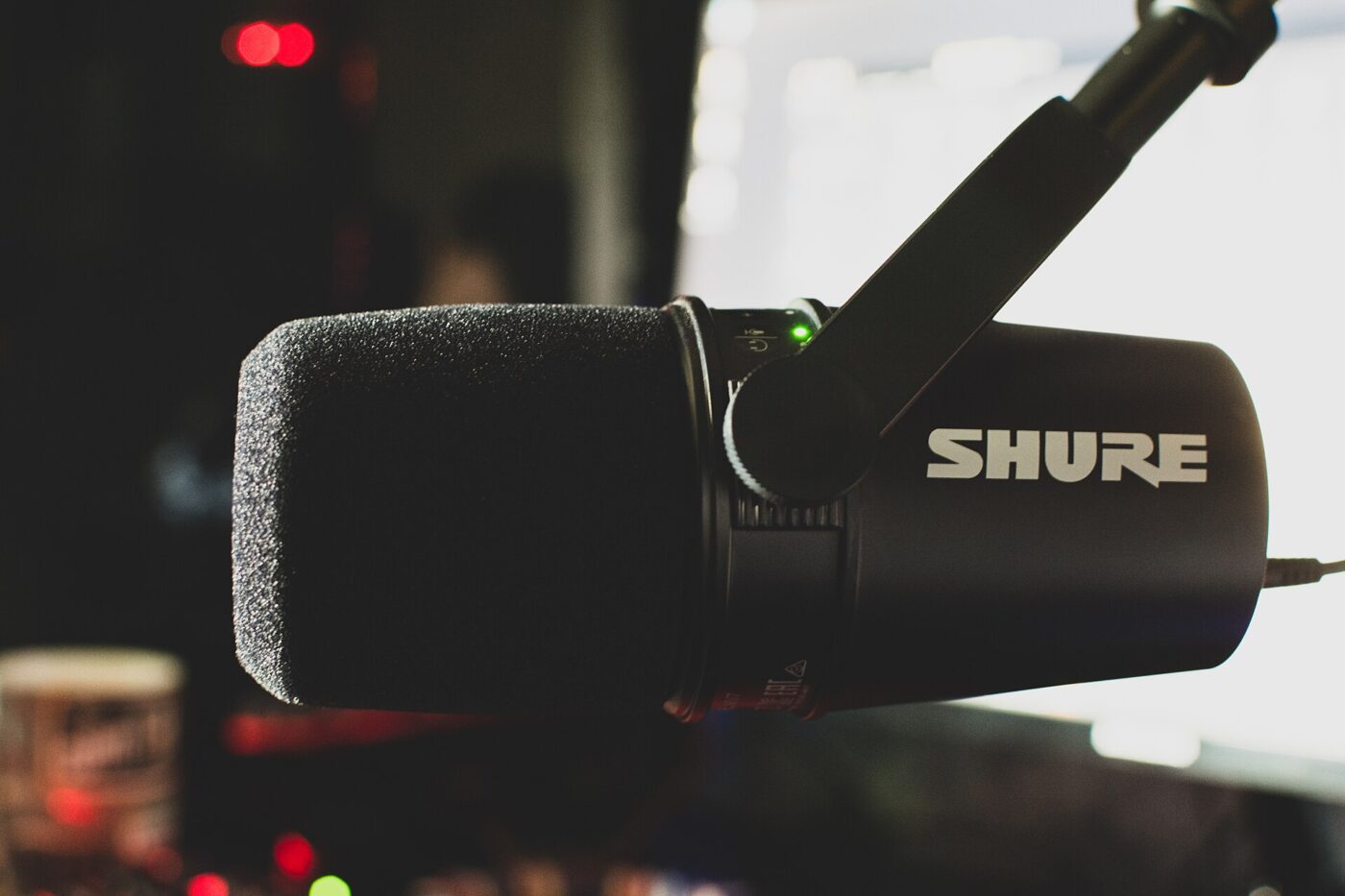
The living-room numbers matter for equipment. A show watched on a TV is judged on its picture as well as its sound, so framing, lighting and a steady camera become part of production. Hardware makers have followed: Rode’s Rodecaster Video S combines a video switcher with three HDMI inputs and network camera inputs and an audio mixer with two XLR microphone inputs, and Rode markets it to solo creators, video podcasters and live streamers.
Audio has not become optional. With 78% of weekly podcast consumers still listening audio-only, a show has to work without the picture. That argues for spending first on microphones and a clean recording chain, then on cameras and lights. A basic two-host kit looks like this:
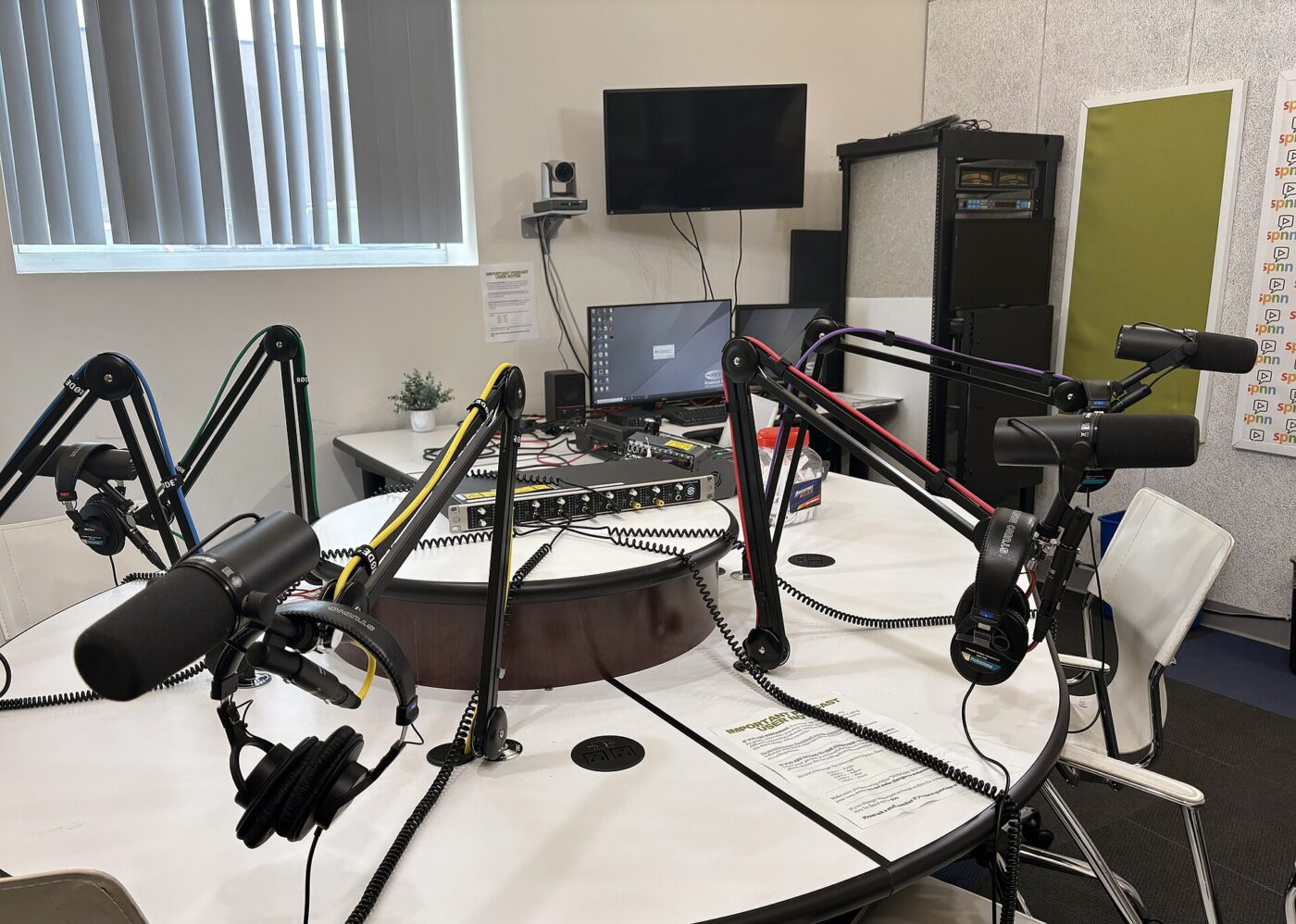
- Two dynamic microphones on boom arms, a common choice for rooms without acoustic treatment
- An audio interface or podcast mixer with one XLR input per host
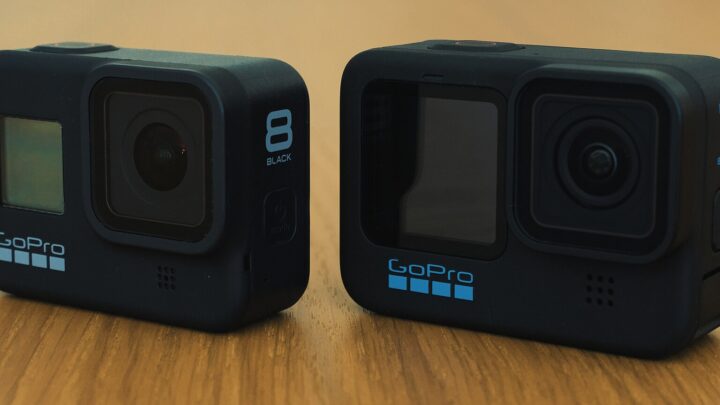
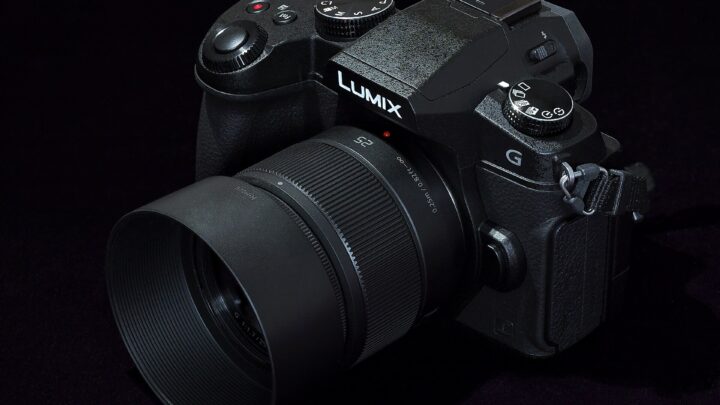
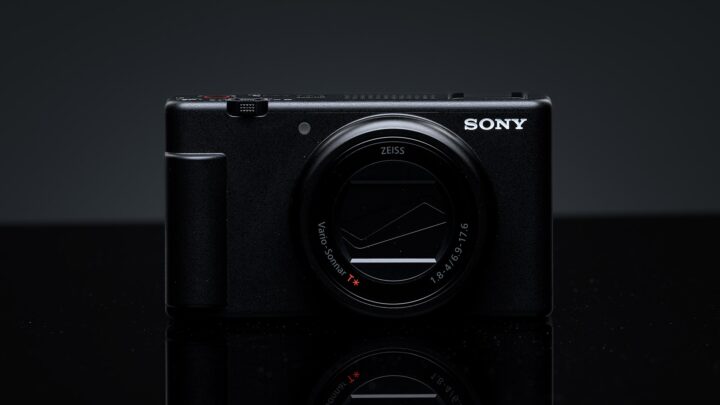
- One camera per host, or a wide shot plus close-ups; recent phones can stand in for cameras
- Two LED panel lights with adjustable color temperature
- A switcher or recording software that keeps each camera as a separate file for editing
Who should add video now, and who can wait
Add video now if you are starting a show and want to be found. Edison’s data on first-year listeners suggest video is a discovery route for new listeners, and Spotify’s lower Partner Program thresholds make it easier for a small video show to earn. Start with one wide shot and add angles later.
Established audio shows can phase it in. As Edison vice president Megan Lazovick said of the Infinite Dial 2026 results: “Video isn’t replacing podcast audio. It’s expanding the tent.” Filming short clips for YouTube Shorts or a highlights feed is a cheaper first step than filming every episode in full.
There are counter-signals. Video adds editing time and storage, and exclusive deals can tie a show’s video to one platform, as iHeartMedia’s Netflix agreement does for its 14 shows. Audio-only listening still reaches close to 80% of weekly podcast fans.
What to watch next
- Edison Research’s next quarterly podcast metrics, for whether video consumption pulls further ahead of audio-only.
- Whether Netflix expands video podcasts beyond the US, which TechCrunch reported it planned.
- YouTube’s next living-room podcast figures, after 700 million hours in October 2025.
Where to start
Paid links: we earn a commission if you buy through the buttons below, at no extra cost to you. As an Amazon Associate I earn from qualifying purchases.
Core pieces of a two-host video podcast kit
| Product type | Good fit for | Where to look |
|---|---|---|
| Dynamic podcast microphone with USB and XLR | Fits voice-first shows in untreated rooms | See listings on AmazonOpens Amazon search results, not one listing: check the model on the product page. |
| Two-input USB audio interface | Fits two or more hosts | See listings on AmazonOpens Amazon search results, not one listing: check the model on the product page. |
| LED video light panel kit with stands | Fits on-camera lighting | See listings on AmazonOpens Amazon search results, not one listing: check the model on the product page. |
Product types that fit the trend described above, not tested models. Check the exact listing before you buy. How we pick them.
Dynamic podcast microphone with USB and XLR
Where to look: Amazon
Spend here first, because most of the audience still hears the show without seeing it. A mic with both outputs grows with the setup.
- USB for a quick start, XLR for later
- Looks right on camera
- Needs to sit close to the mouth
- Boom arm sold separately
Two-input USB audio interface
Where to look: Amazon
Two USB mics on one computer can be awkward to record together. An interface with one XLR input per host keeps each voice on its own track.
- Separate level control per host
- Records clean digital audio
- One more box on the desk
- Adds cost over a single USB mic
LED video light panel kit with stands
Where to look: Amazon
Once a show is watched on TVs, lighting matters as much as the camera. Two panels, one per side, are a common starting point.
- Even light on faces
- Adjustable warmth
- Takes floor or desk space
- Cheap panels can flicker on camera
More: Creators and Content trends and how the Trend Signal is scored.
Sources
- The Podcast Consumer 2026 — Edison Research at SSRS
- The Infinite Dial 2026 — Edison Research at SSRS
- Video podcasts now more popular than audio-only among first-year consumers — Edison Research via Sounds Profitable
- YouTube now has 1 billion monthly active podcast users — Google
- How podcasts took over the living room in 2025 — YouTube Official Blog
- New YouTube Premium features podcast fans will love — YouTube Official Blog
- Spotify Levels Up Our Podcast Experience With New Features for Fans — Spotify
- Making It Easier for Video Podcasters to Earn on Spotify — Spotify
- Netflix doubles down on video podcasts with iHeartMedia deal — TechCrunch
- Rodecaster Video S: Your All-in-one Production Partner — Rode
Questions readers ask
Do podcasts need video in 2026?
Not strictly, but video has caught up. Edison Research found 82% of weekly US podcast consumers watched video podcasts in Q3 2025, compared with 78% who listened audio-only, so a show without video misses part of the audience.
Where do people watch video podcasts?
Mostly on YouTube, which reported more than 1 billion monthly podcast viewers and 700 million hours of podcast viewing on living-room devices in October 2025. Spotify says more than 500 million users have streamed a video podcast, and Netflix signed deals to carry video podcasts from early 2026.
How big an audience do I need to earn from video podcasts on Spotify?
Since January 7, 2026, Spotify’s Partner Program asks for 1,000 engaged audience members and 2,000 hours consumed over the last 30 days, plus three published episodes, according to Spotify.
What should I buy first for a video podcast?
Microphones and an audio interface, because 78% of weekly podcast consumers still listen audio-only, according to Edison Research. Add a camera per host and LED lights once the audio is right.