For a decade the pocket camera looked finished. Phones took over its job, and camera makers moved their money into mirrorless bodies and lenses. The shipment data for 2025 and the first seven months of 2026 show a turn: fixed-lens compacts are the fastest-growing part of the camera business, and the most popular models are hard to find at list price.
The figures below come from the Camera & Imaging Products Association (CIPA), the Japanese industry group that publishes shipment figures from its member companies, and from Canon’s July 2026 earnings materials. They show how big the rebound is, where it stops, and what it means if you want a point-and-shoot now.
Trend Signal
76/100 Strong momentum
- Emerging
- Rising
- Mainstream
- Peaking
- Cooling
Compact shipments up double digits while Canon is still short of supply
CIPA members shipped 2.44 million fixed-lens cameras in 2025, up 29.6%, and 1.45 million more from January to July 2026, up 12.7%; in July 2026 Canon said it was still raising compact production to end shortages.
Our editorial reading of the cited data, not a forecast. How it is scored
By the numbers
- 2.44MFixed-lens compact cameras shipped worldwide by CIPA members in 2025, up 29.6%CIPA
- +48.9%Change in the shipment value of those compacts in 2025, against +6.8% for all camerasCIPA
- +22.5%Compact camera shipments to the Americas, January to July 2026, year over yearCIPA
- 50%+Canon’s target for full-year 2026 compact camera sales growth, set in July 2026Canon
What the shipment numbers show
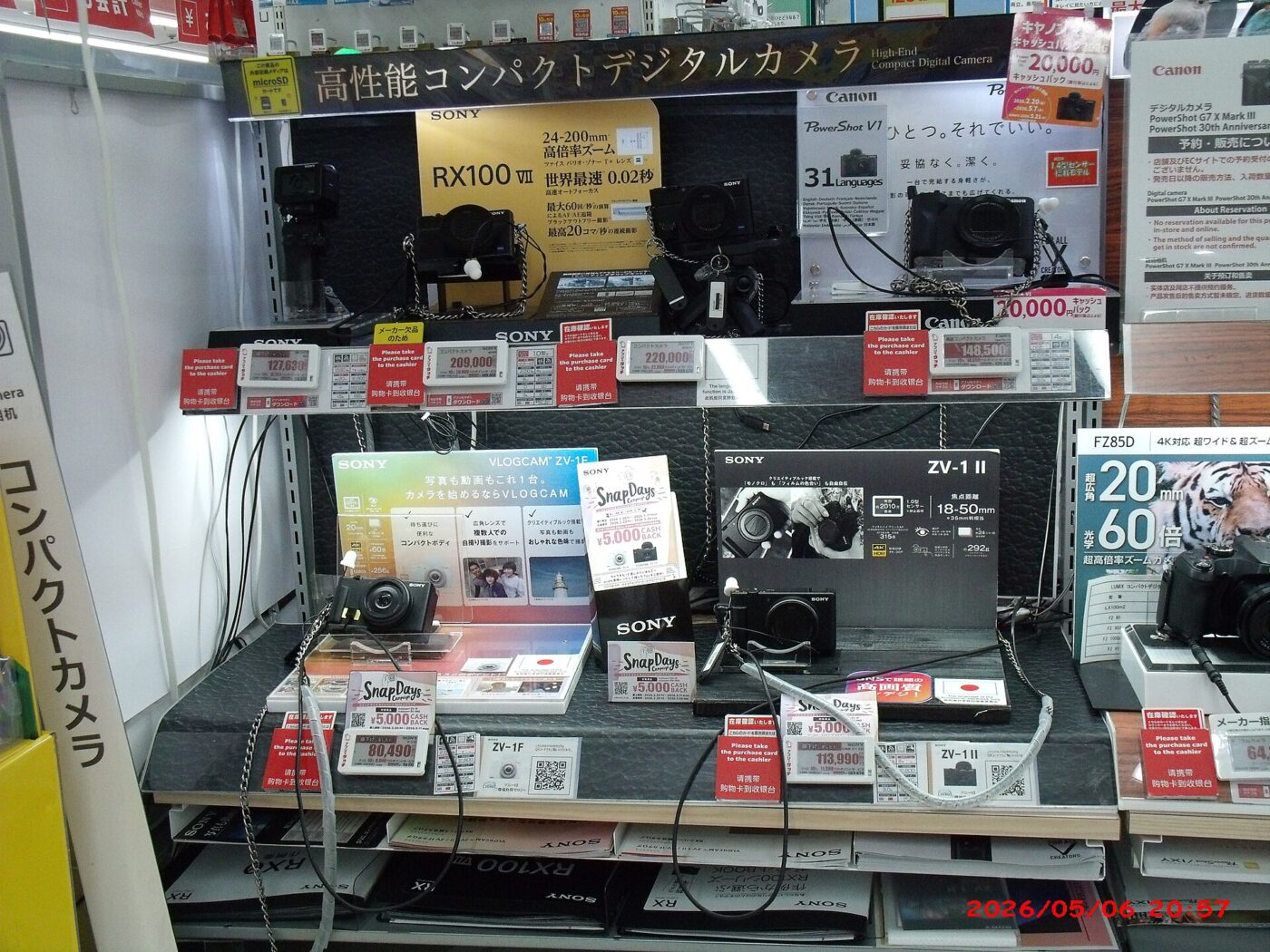
CIPA members shipped 9.44 million digital cameras in 2025, 11.2% more than in 2024. Fixed-lens cameras, the category that covers point-and-shoots, premium compacts and travel zooms, did far better: 2,436,911 units, up 29.6%, with shipment value up 48.9%. Mirrorless bodies grew 12.5% to 6.31 million, while DSLR shipments fell 30.7% to about 691,000.
Value grew faster than units, so the average compact leaving the factory was more expensive. By our calculation from CIPA’s figures, average shipment value per compact rose from roughly ¥54,100 in 2024 to roughly ¥62,200 in 2025, an increase of about 15%. The growth is not only in cheap snapshot cameras.
The trend carried into 2026. From January through July 2026, compact shipments rose 12.7% worldwide to 1.45 million and 22.5% to the Americas, to about 403,000, while interchangeable-lens cameras fell 8.8% worldwide. CIPA notes that it added one more reporting company from January 2026, so part of the year-over-year change reflects wider coverage rather than demand alone.
| Category | 2025 shipments | Change vs 2024 | Jan–Jul 2026 | Change |
|---|---|---|---|---|
| Fixed-lens compacts | 2.44 million | +29.6% | 1.45 million | +12.7% |
| Mirrorless | 6.31 million | +12.5% | 3.30 million | –5.7% |
| DSLR | 0.69 million | –30.7% | 0.27 million | –34.6% |
| All cameras | 9.44 million | +11.2% | 5.02 million | –3.5% |
Compacts are the only camera category still growing in 2026, and shipments to the Americas (+22.5%) and Japan (+26.3%) are rising fastest.
Who is buying, according to Canon
Canon is the clearest public voice on demand among the camera makers. In its July 27, 2026 results briefing it said compact cameras are “gaining popularity especially among younger users” and that the compact market “continues to expand, driven by the growing number of new camera users, particularly among younger consumers.” Canon said its camera sales rose significantly in the second quarter of 2026 on that demand, which had continued from the first quarter.
The price range of what sells is wide. PetaPixel noted in August 2026 that Sony’s new RX10 V lists at $2,300, $600 more than the RX10 IV cost at its 2017 launch. At the other end of the premium range, the Canon PowerShot G7 X III is, in PetaPixel’s words, “routinely among the best-selling new compact cameras and is often sold out.”
Shortages and the used-market premium

Supply has not kept up. Canon said a production expansion carried out in the second half of 2025 let it meet more demand in the second quarter of 2026, and that it will “further expand production capacity to eliminate supply shortages as quickly as possible” in the second half. Its target is more than 50% full-year growth in compact camera sales.
The used market shows the squeeze. Citing the Japanese used-camera marketplace Minna Camera, PetaPixel reported in August 2026 that cameras released before 2016 rose an average of 7.1% in used price in the first half of 2026, against 0.6% for models released after 2024. The entry-level Nikon D5600 DSLR rose just over 24%. PetaPixel also found the G7 X III selling used at around double its list price, and a used RX10 IV costing as much as $3,000, more than the new RX10 V.
For shoppers, that flips the usual rule that older electronics get cheaper. An older compact can now cost more than a current model, without the warranty or the fresh battery of a new one.
Paying double list price for a used compact means paying for a shortage that Canon says it is working to end.
The limits of the rebound
Scale is the first limit. Digital Camera World calculated from CIPA data that the 2.4 million compacts shipped in 2025 were about 2.24% of the 108.5 million shipped in 2010, the category’s peak. The comeback is real growth from a small base, not a return to the mass market that phones took over.
Costs are the second. Canon said higher memory prices cut its second-quarter 2026 operating profit by ¥15.4 billion across its businesses, and it raised its full-year memory cost estimate by another ¥6.0 billion. It did not say how much of that falls on cameras, but component costs of that size can reach list prices or limit how many units a maker builds.
The third is the rest of the camera market. Total CIPA shipments fell 3.5% from January to July 2026 as mirrorless and DSLR shipments declined, so compacts are growing inside a flat-to-shrinking industry.
Who should buy a compact now, and who should wait
Buy now if you want a compact for a specific trip or project and the model you want is in stock at list price from an authorized retailer. Canon’s shortage comments cover its own compacts, and PetaPixel’s used-price examples are specific popular models, so compare more than one brand and more than one sensor size before settling.
Wait if the only way to get a particular model is a used listing far above list price. Canon plans more production in the second half of 2026, which should ease supply if it lands on schedule. Also check what the camera adds over your phone before paying a premium: a larger sensor, a longer optical zoom and physical controls are the usual reasons to carry a second device.
What to watch next
- CIPA’s monthly shipment reports for August and September 2026, for whether compact growth to the Americas stays above 20%.
- Canon’s third-quarter 2026 results, for whether the extra compact production reached stores and ended backorders.
- Used prices for popular compacts such as the G7 X III, which should soften if new supply catches up.
Where to start
Paid links: we earn a commission if you buy through the buttons below, at no extra cost to you. As an Amazon Associate I earn from qualifying purchases.
Compact camera types for different reasons to carry a second camera
| Product type | Good fit for | Where to look |
|---|---|---|
| Compact camera with 1-inch sensor | Fits low light and vlogging | See listings on AmazonOpens Amazon search results, not one listing: check the model on the product page. |
| Travel zoom compact camera | Fits travel and distant subjects | See listings on AmazonOpens Amazon search results, not one listing: check the model on the product page. |
| Budget point-and-shoot digital camera | Fits a first camera on a small budget | See listings on AmazonOpens Amazon search results, not one listing: check the model on the product page. |
Product types that fit the trend described above, not tested models. Check the exact listing before you buy. How we pick them.
Compact camera with 1-inch sensor
Where to look: Amazon
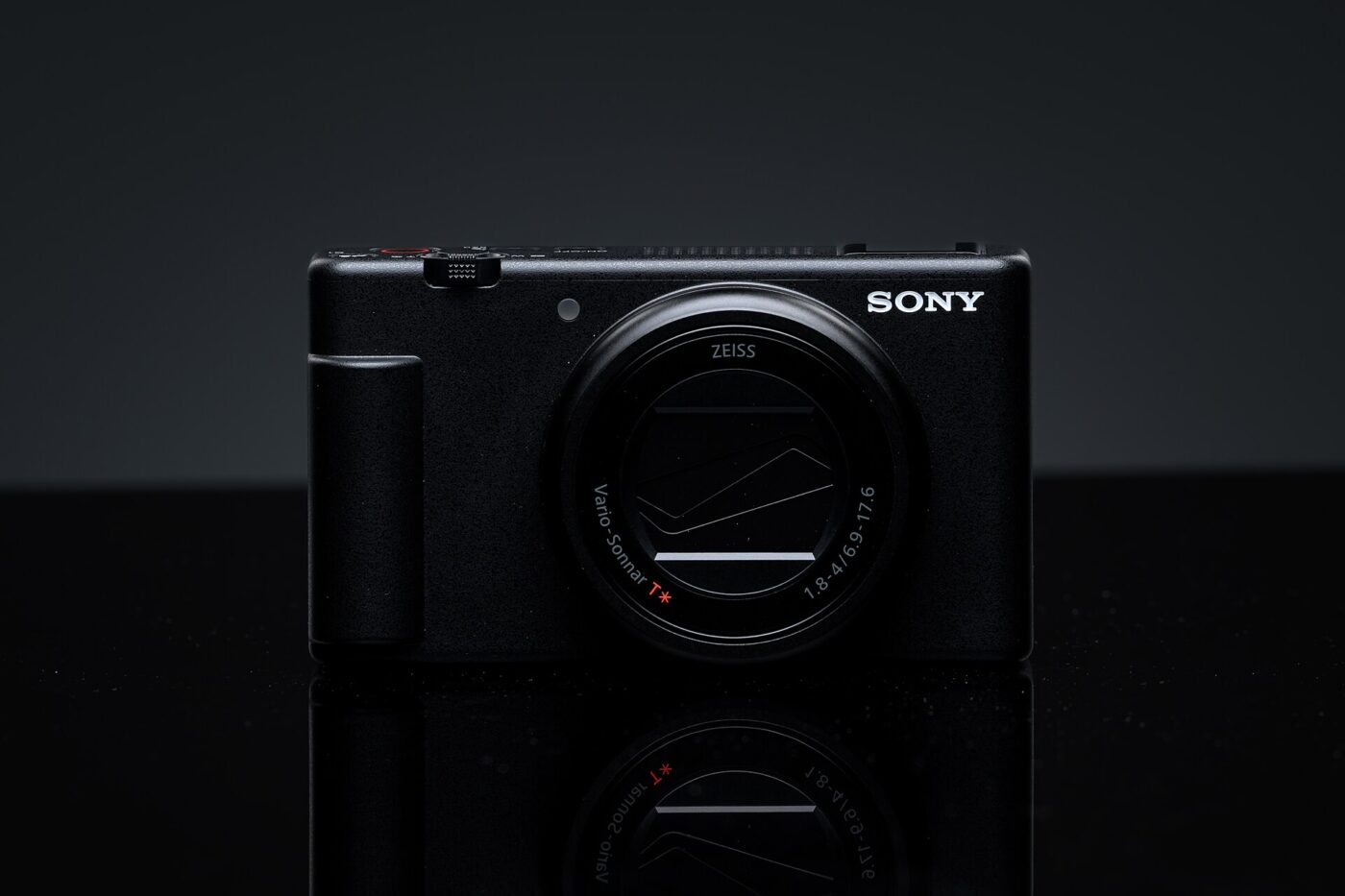
The type behind much of the shortage talk. A 1-inch sensor has several times the area of the sensors in budget point-and-shoots, which helps in dim rooms. Compare stock across brands before paying above list.
- Much larger sensor than budget compacts
- Flip screens are common
- Popular models sell out
- Shorter zoom range
Travel zoom compact camera
Where to look: Amazon
Travel zooms trade sensor size for optical reach. They suit trips where the subject is far away. Read the optical zoom figure, not the combined digital figure.
- Long optical zoom
- Pocket-size body
- Smaller sensor
- Dimmer at full zoom
Budget point-and-shoot digital camera
Where to look: Amazon
Fine for a child’s first camera or a party camera. Many budget listings quote high megapixel counts; the sensor size tells you more.
- Low entry price
- Simple controls
- Tiny sensors are common
- Image quality can trail a phone
More: Creators and Content trends and how the Trend Signal is scored.
Sources
- Production and Shipment of Digital Still Cameras, January–December 2025 — CIPA
- Production and Shipment of Digital Still Cameras, July and January–July 2026 — CIPA
- Second Quarter 2026 Results, Presentation Material and Speech Summary — Canon
- Gone Are the Days of Universally Cheap Used Digital Cameras — PetaPixel
- Compact camera sales in 2025 were still a fraction of the point-and-shoot heyday — Digital Camera World
Questions readers ask
Are compact cameras actually coming back?
Yes, by the shipment data. CIPA members shipped 2.44 million fixed-lens cameras in 2025, up 29.6%, and shipments rose another 12.7% worldwide from January to July 2026. Volumes remain far below the 108.5 million shipped in 2010, according to Digital Camera World’s analysis of CIPA data.
Why is the Canon G7 X III so hard to find?
Canon said in July 2026 that demand for its compacts, particularly from younger buyers, has exceeded supply, and that it is expanding production in the second half of 2026 to end shortages. PetaPixel reported in August 2026 that the G7 X III is often sold out and trades used at around double its list price.
Is a used point-and-shoot a good deal in 2026?
Often not. PetaPixel, citing Minna Camera data, reported that cameras released before 2016 rose 7.1% in used price on average in the first half of 2026, and some popular compacts sell used for more than a comparable new model.
Are compact cameras getting more expensive?
On average, yes. By our calculation from CIPA data, average shipment value per compact rose about 15% in 2025, partly because buyers moved to pricier models. Canon has also flagged higher memory costs, which cut its second-quarter 2026 operating profit by ¥15.4 billion.