Buying a wireless microphone in the US means buying into a slice of spectrum that other services also use, and the slice available to microphones got smaller. A system bought before 2020 may be illegal to operate today even though it powers on and sounds fine, and a cheap import can arrive tuned to a band nobody is allowed to transmit in.
The rules themselves are public and readable. What follows is what the FCC actually permits, what changed and when, and the two or three things to check on a listing before a wireless system becomes an expensive paperweight.
Trend Signal
46/100 Steady momentum
- Emerging
- Rising
- Mainstream
- Peaking
- Cooling
The usable band shrank in 2020 and the FCC added a wideband option in 2024
FCC rules limit unlicensed wireless microphones to TV band channels plus two narrow slivers at 614-616 MHz and 657-663 MHz, and the 600 MHz service band has been off limits to microphones since July 13, 2020.
Our editorial reading of the cited data, not a forecast. How it is scored
By the numbers
- 50 mWPower limit for unlicensed wireless microphones in TV bands under FCC section 15.236FCC
- 470-608 MHzUHF range where unlicensed wireless microphones may operate, TV channels 14 to 36FCC
- Jul 13, 2020Date after which microphones could no longer use the 600 MHz service bandFCC
- 48 to 64Microphones Sennheiser says one WMAS can run in a single TV channelTV Tech
What the FCC rules actually say
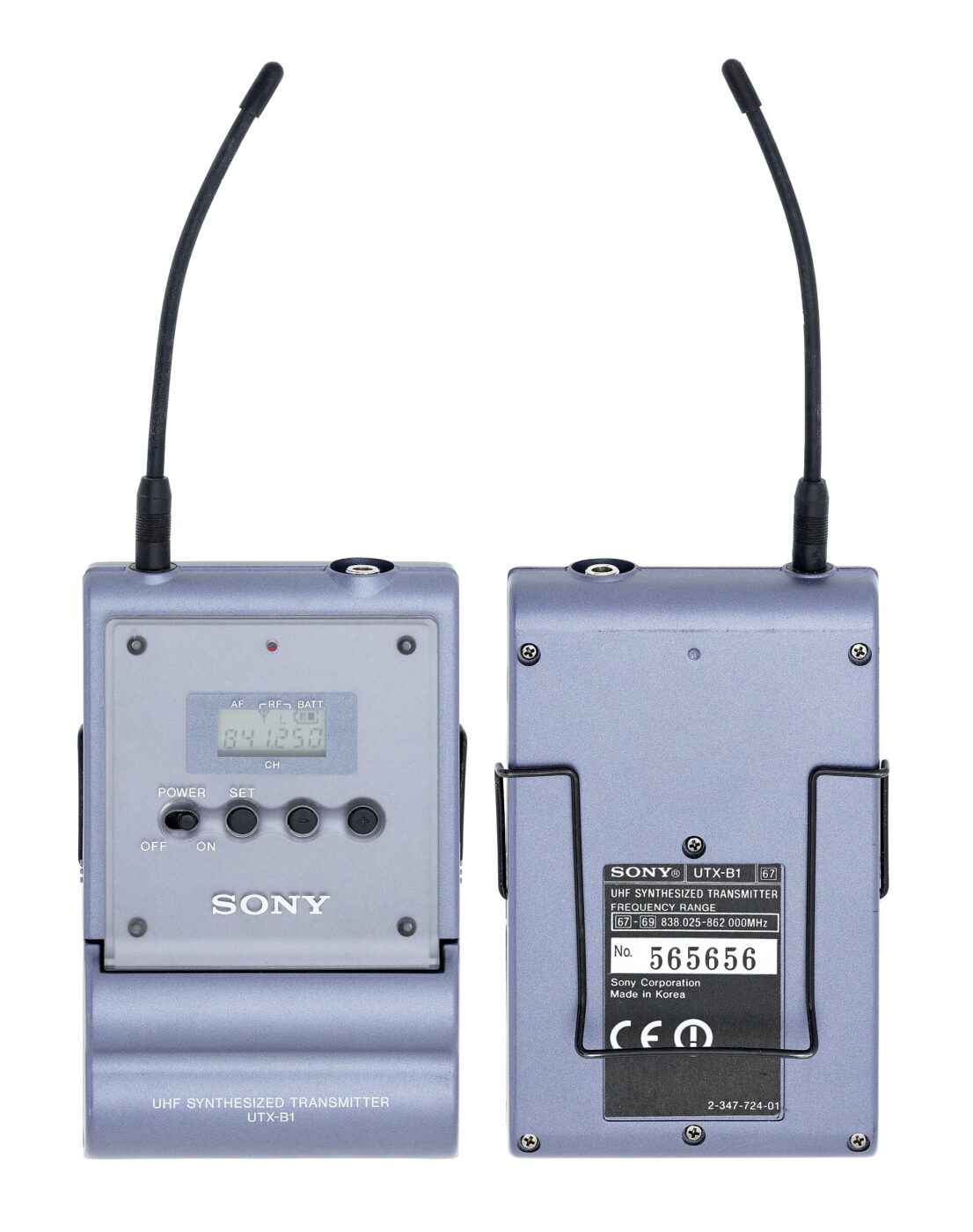
Unlicensed wireless microphones operate under section 15.236 of the FCC rules, whose title lists the permitted bands outright: 54-72 MHz, 76-88 MHz, 174-216 MHz, 470-608 MHz, 614-616 MHz and 657-663 MHz. The first four are television channels 2 through 36. The last two are narrow slivers kept open for microphones: a piece of the 600 MHz guard band, which the rule defines as 614-617 MHz, and a piece of the 600 MHz duplex gap at 652-663 MHz.
Power is capped by band. In the television bands the limit is 50 mW EIRP for a conventional wireless microphone. In the 600 MHz guard band and duplex gap slivers it drops to 20 mW. There is also a location rule most buyers never read: unlicensed operation is limited to places at least four kilometers, about 2.5 miles, outside the protected service contour of a co-channel TV station.
That last rule is why identical systems behave differently in two cities: which TV channels are free depends on where you are, and a narrow tuning range can leave no clean channel in a dense broadcast market.
| Band | Unlicensed use | Power limit |
|---|---|---|
| 54-72 and 76-88 MHz, TV channels 2 to 6 | Permitted | 50 mW EIRP |
| 174-216 MHz, TV channels 7 to 13 | Permitted | 50 mW EIRP |
| 470-608 MHz, TV channels 14 to 36 | Permitted | 50 mW EIRP |
| 614-616 MHz, 600 MHz guard band | Permitted | 20 mW EIRP |
| 657-663 MHz, 600 MHz duplex gap | Permitted | 20 mW EIRP |
| 617-652 and 663-698 MHz | Not permitted | — |
If a receiver tunes above 608 MHz outside those two slivers, that range is not usable in the United States.
Why 600 MHz systems became doorstops
The 600 MHz band, former TV channels 38 to 51, was reallocated to mobile carriers through the broadcast incentive auction. The FCC set a 39-month transition that ran from April 13, 2017 to July 13, 2020, and decided that wireless microphones would not be allowed in the 600 MHz service band after it ended.
The order is explicit about the aftermath. The Commission kept some obsolete transition rules on the books because “it is possible that there are parties still in possession of wireless microphones that can no longer be used because they operate on frequencies where operation is now prohibited.” It also noted, in describing the rules it was removing, that “all marketing of unlicensed wireless microphones that operate in the 600 MHz service band is now prohibited.”
For a used-gear buyer that is the most important fact here. A 600 MHz system on a resale site may be in perfect condition and still unusable, and no firmware fix exists, because the hardware tunes a band now carrying mobile traffic.
What WMAS changed in 2024

On February 15, 2024 the FCC adopted a Report and Order authorizing Wireless Multichannel Audio Systems, or WMAS, under both the licensed Part 74 rules and the unlicensed Part 15 rules. Instead of giving each microphone its own narrow slice, a WMAS spreads many channels across one wide channel and allocates capacity dynamically.
The capacity claim is the point. TV Tech, reporting the decision on February 15, 2024, quoted a Sennheiser filing saying a single WMAS can run “on average, between 48 and 64 wireless microphones with professional sound quality and latency in a single TV channel,” where narrowband systems would need several channels. In the TV bands, unlicensed WMAS wider than 1 MHz may use up to 100 mW EIRP, double the conventional microphone limit. Shure’s Prakash Moorut, quoted by Sports Video Group on February 20, 2024, called allowing unlicensed WMAS at that power “a big benefit for many individuals, organizations, and small businesses.”
Products followed. Sennheiser announced on April 24, 2025 that its Spectera wideband system would ship the next day, using 6 or 8 MHz wide RF channels and putting microphones and in-ear monitors in one unit. That is touring and broadcast gear rather than creator kit, but it is where the rules now point.
Where 2.4 GHz fits
The systems most creators actually buy avoid the TV bands entirely. A 2.4 GHz digital system uses the same unlicensed band as Wi-Fi, under different Part 15 rules from section 15.236, which is why clip-on transmitters for phones and cameras sell in much the same form from one country to the next.
Shure’s own guidance sets out the trade. It lists the advantages of 2.4 GHz as smaller antennas, no high-power transmitters to coordinate around and “unlicensed availability across most parts of the world,” then adds that those same features have “already attracted a considerable volume of traffic from Bluetooth and Wi-Fi devices.” It says the 450 to 698 MHz range is still “generally preferred for high channel count systems, or systems requiring more than about 30m operating range.” Shure also notes that “there aren’t any frequency ranges that are reserved exclusively for wireless microphones.”
For one or two talkers in a room you control, that is a fair trade, and it keeps you out of the TV band planning above. For a stage or a conference with more than a handful of channels, UHF within 470-608 MHz remains the practical band.
- Read the tuning range on the receiver, not the marketing band name.
- In a dense TV market, a wider tuning range means more chance of finding a clear channel.
- 2.4 GHz systems compete with Wi-Fi; a crowded venue is where they struggle.
What to check before buying
On a new system, check the stated frequency range against the permitted bands, and be wary of any range that runs past 608 MHz other than the two narrow slivers. Check how many systems can run at once, since that decides whether a second presenter can be added later.
On a used system, check the band first and the condition second. A bargain from the 600 MHz era is not a bargain. If the listing does not state a frequency range at all, treat that as a reason to move on.
One caution about scale: the rules above cover unlicensed operation, which is what almost every creator does. Licensed operation under Part 74 exists and has its own frequency list and eligibility requirements, and it is not something a home studio needs to think about.
What to watch next
- Whether WMAS trickles down from touring and broadcast gear into systems priced for small productions.
- FCC equipment authorization actions on imported wireless microphone systems, which is where non-compliant tuning ranges surface.
- Local TV channel changes where you work, since they decide which UHF channels stay clear.
Where to start
Paid links: we earn a commission if you buy through the buttons below, at no extra cost to you. As an Amazon Associate I earn from qualifying purchases.
Wireless microphone types compared on where they operate
| Product type | Good fit for | Where to look |
|---|---|---|
| UHF wireless microphone system | Fits rooms with free TV channels | See listings on AmazonOpens Amazon search results, not one listing: check the model on the product page. |
| Digital 2.4 GHz wireless mic set | Fits small crews and travel | See listings on AmazonOpens Amazon search results, not one listing: check the model on the product page. |
| Wireless in-ear monitor system | Fits stage monitoring | See listings on AmazonOpens Amazon search results, not one listing: check the model on the product page. |
Product types that fit the trend described above, not tested models. Check the exact listing before you buy. How we pick them.
UHF wireless microphone system
Where to look: Amazon
The band professionals still plan around. Confirm the tuning range and that the system can scan for a free channel, because what is clear in one town is occupied in the next.
- Longer range than 2.4 GHz
- More simultaneous systems
- Clear channels vary by city
- Older 600 MHz gear is unusable
Digital 2.4 GHz wireless mic set
Where to look: Amazon
The practical answer for one or two talkers. It keeps you clear of TV channel planning, and its weakness is crowded venues rather than paperwork.
- Unlicensed in most countries
- Simple pairing
- Shares the band with Wi-Fi
- Shorter range than UHF
Wireless in-ear monitor system
Where to look: Amazon
In-ear monitors sit in the same spectrum as microphones and count against the same channel budget. Buy them as part of one plan, not as an afterthought.
- Frees performers from wedges
- Same band planning as mics
- Adds channels to plan
- 600 MHz units are also obsolete
More: Creators and Content trends and how the Trend Signal is scored.
Sources
- Report and Order FCC 24-22, wireless microphones in the TV bands and other bands — Federal Communications Commission
- FCC Adopts New Protocol for Wireless Mics — TV Tech
- FCC Approves Regulatory Changes for More-Powerful WMAS Systems in U.S. — Sports Video Group
- Tell Me About: Wireless Microphone Frequencies — Shure
- All About Wireless: Waves and Spectrum — Shure
- Sennheiser Spectera shipping now — Sennheiser Newsroom
Questions readers ask
Are 600 MHz wireless microphones illegal in the US?
Operating them in the 600 MHz service band is not permitted. The FCC set a transition that ended July 13, 2020, after which microphones could no longer use 617-652 MHz or 663-698 MHz, and the Commission has stated that marketing unlicensed microphones for that band is prohibited.
What frequencies can an unlicensed wireless microphone use?
Section 15.236 lists 54-72 MHz, 76-88 MHz, 174-216 MHz, 470-608 MHz, 614-616 MHz and 657-663 MHz. The television bands allow 50 mW EIRP and the two 600 MHz slivers allow 20 mW.
How does 2.4 GHz compare with the TV bands?
It is a different unlicensed band under different Part 15 rules, and it is the common choice for one or two talkers. Shure describes 2.4 GHz as unlicensed across most parts of the world but heavily used by Wi-Fi and Bluetooth, and says the 450 to 698 MHz range is still preferred for high channel counts or longer range. Whether a given unit may be sold and operated in the US turns on its FCC equipment authorization.
What is WMAS?
Wireless Multichannel Audio Systems, authorized by the FCC on February 15, 2024, spread many audio channels across one wide RF channel. TV Tech quoted Sennheiser saying one system can carry between 48 and 64 microphones in a single TV channel, and in the TV bands unlicensed WMAS wider than 1 MHz may use up to 100 mW EIRP.
Do I need a license to use a wireless microphone?
Almost no creator does. The rules above cover unlicensed operation under Part 15. Licensed operation under Part 74 is a separate regime with its own frequency list, used mainly by broadcasters and large productions.