Nobody plans a studio around cables. They are the last thing in the cart and the first thing people buy twice. But a balanced microphone cable is mostly copper, a stand is mostly steel, and both metals were repriced by policy and by the market between August 2025 and August 2026.
The useful question is not whether copper went up, because it plainly did. It is whether that has reached the shelf yet. US producer price data says mostly not, which tells a buyer something specific about when to stock up and on what.
Trend Signal
52/100 Steady momentum
- Emerging
- Rising
- Mainstream
- Peaking
- Cooling
Copper is up sharply and tariffed while finished cable prices have moved far less
The IMF benchmark copper price was about 39% higher in July 2026 than a year earlier on our arithmetic, and US Section 232 copper duties, which began at 50% on copper content in August 2025, have applied to the full customs value since April 6, 2026, at an added 25% on the insulated wire and cable lines, yet producer prices for communication and energy wire rose about 5% over the same year.
Our editorial reading of the cited data, not a forecast. How it is scored
By the numbers
- +39%IMF benchmark copper price, July 2026 against July 2025, in dollars per metric tonIMF via FRED
- 25%Added Section 232 duty on the insulated wire and cable lines cable enters underUSITC
- 57%US net import reliance for refined copper in 2025, against 45% in 2024USGS
- +24%US producer prices for copper rolling, drawing and extruding, August 2025 to August 2026BLS via FRED
What happened to the metal
The IMF publishes a benchmark copper price that FRED carries monthly. It averaged $9,770 per metric ton in July 2025 and $13,543 in July 2026, an increase of about 39%. The climb started in the fall of 2025 and steepened into the new year: $10,740 in October 2025, $11,791 in December, $12,987 in January 2026.
The US Geological Survey, in its Mineral Commodity Summaries published in February 2026, put the picture in national terms. It estimated that the COMEX copper price would average a record $4.80 per pound in 2025, 14% above $4.22 in 2024, and said analysts attributed the increase “primarily to uncertainty regarding the implementation of tariffs on U.S. imports of copper materials.” US net import reliance for refined copper rose to an estimated 57% in 2025 from 45% in 2024.
Copper is not a niche input here. USGS cites the Copper Development Association in reporting that electrical and electronic products took 23% of US copper and copper-alloy product use in 2025, second only to building construction.
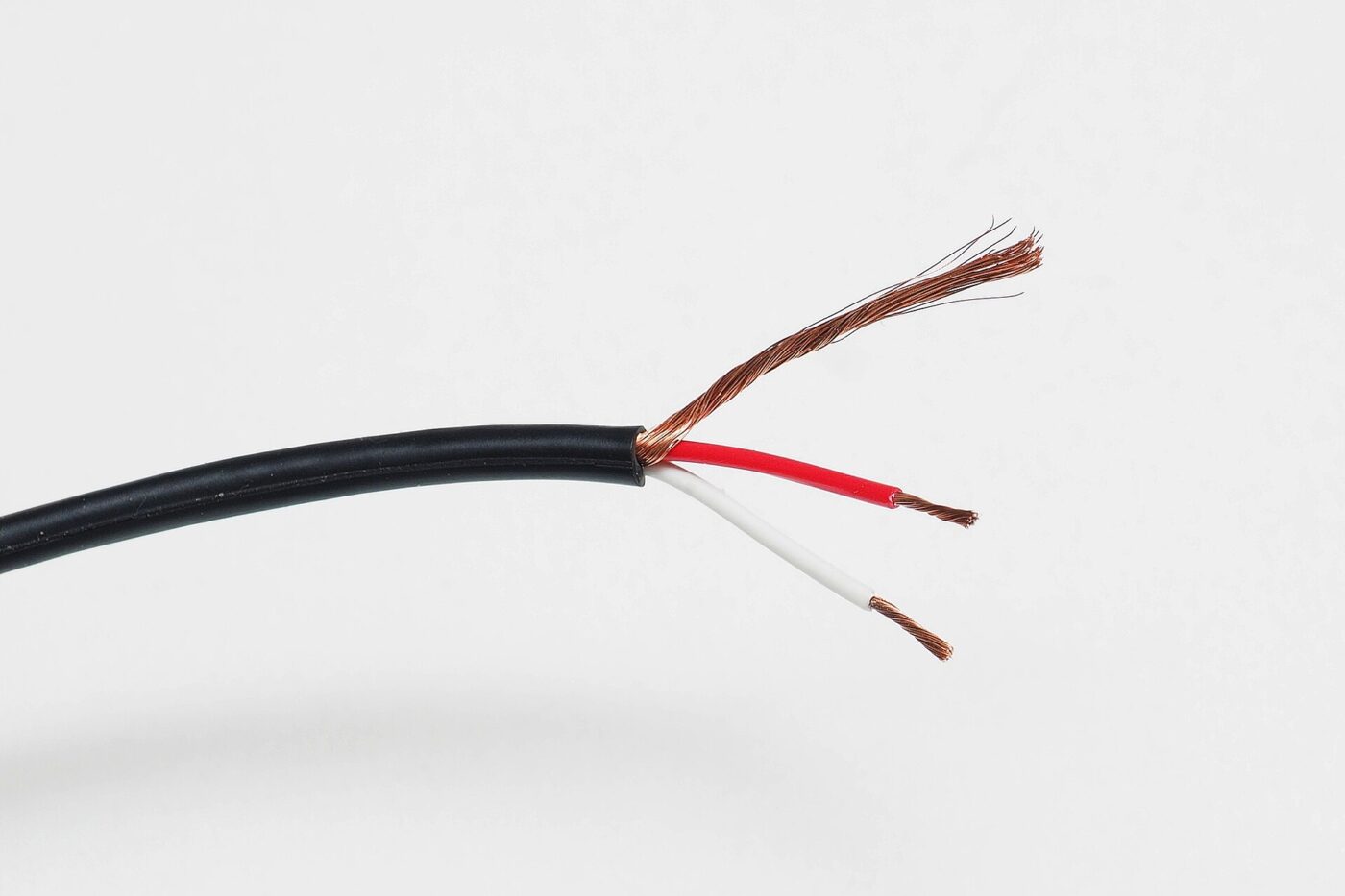
The metal inside a microphone cable cost roughly a third more in mid-2026 than it did a year earlier.
How a copper tariff reaches a microphone cable

A presidential proclamation issued on July 30, 2025 put a 50% tariff on semi-finished copper products and copper-intensive derivatives under Section 232 of the Trade Expansion Act of 1962, effective August 1, 2025. As written then, the duty applied “only to the copper content of articles subject to this proclamation,” and importers had to declare that content separately.
That part has changed. Proclamation 11021 of April 2, 2026 directed that the Section 232 duties on aluminum, steel and copper “shall apply to the full customs value of the imported product, regardless of metal content” for goods entered from April 6, 2026. In the schedule in force now, the four insulated wire and cable lines that finished cable enters under — 8544.42.10, 8544.42.20, 8544.42.90 and 8544.49.10 — carry the subheading duty plus 25% rather than 50%, and outside the metals chapters the duty applies only where the metal is at least 15% of the article by weight.
Customs and Border Protection has tightened the paperwork to match: CSMS message 69252300, issued July 15, 2026 under that proclamation, requires importers to report the primary country of smelt and the country of cast for those same four classifications from July 30, 2026.
Stands are a parallel story in a different metal. A proclamation signed on June 3, 2025 raised Section 232 tariffs on steel and aluminum articles and their derivative products from 25% to 50%, effective June 4, 2025, with United Kingdom products held at 25%. A boom stand is mostly steel tube and a cast base, so the metal in it costs more; whether a finished stand also carries a duty of its own depends on which tariff line it enters under and whether that line appears on the published derivative lists.
What the producer price indexes show
This is where the shelf and the commodity part company. US producer prices for copper rolling, drawing, extruding and alloying rose about 24% between August 2025 and August 2026. Producer prices for other communication and energy wire manufacturing, the closest published industry index to a finished cable, rose about 5%; BLS publishes no index for microphone cable itself. Producer prices for audio and video equipment manufacturing were about 0.7% lower than a year earlier and have been essentially unchanged since December 2025.
Several things can explain a gap that wide: inventory bought before the tariff, contracts signed earlier, copper being a modest share of a branded cable’s price, and brands holding list prices while they can. Either way, the commodity increase has not been collected at retail yet.
The clearest consumer example on the record is not a cable at all. American Songwriter reported on May 7, 2025 that the Shure SM57, whose list price had barely moved in more than a decade, went from $99 to $108; the outlet tied that to import tariffs rather than to copper. Small moves on long-stable products are what a cost squeeze looks like early.
| Producer price index | Change, Aug 2025 to Aug 2026 |
|---|---|
| Copper rolling, drawing, extruding and alloying | +24% |
| Other communication and energy wire manufacturing | +5% |
| Audio and video equipment manufacturing | –0.7% |
The metal moved about five times as much as the wire made from it, so the pass-through is still coming.
What to check when the cheap option gets cheaper
When input costs rise and list prices do not, something else usually gives: gauge, shielding, connector metal or warranty length. None of that shows in a product photo, so buy on the details a listing has to state.
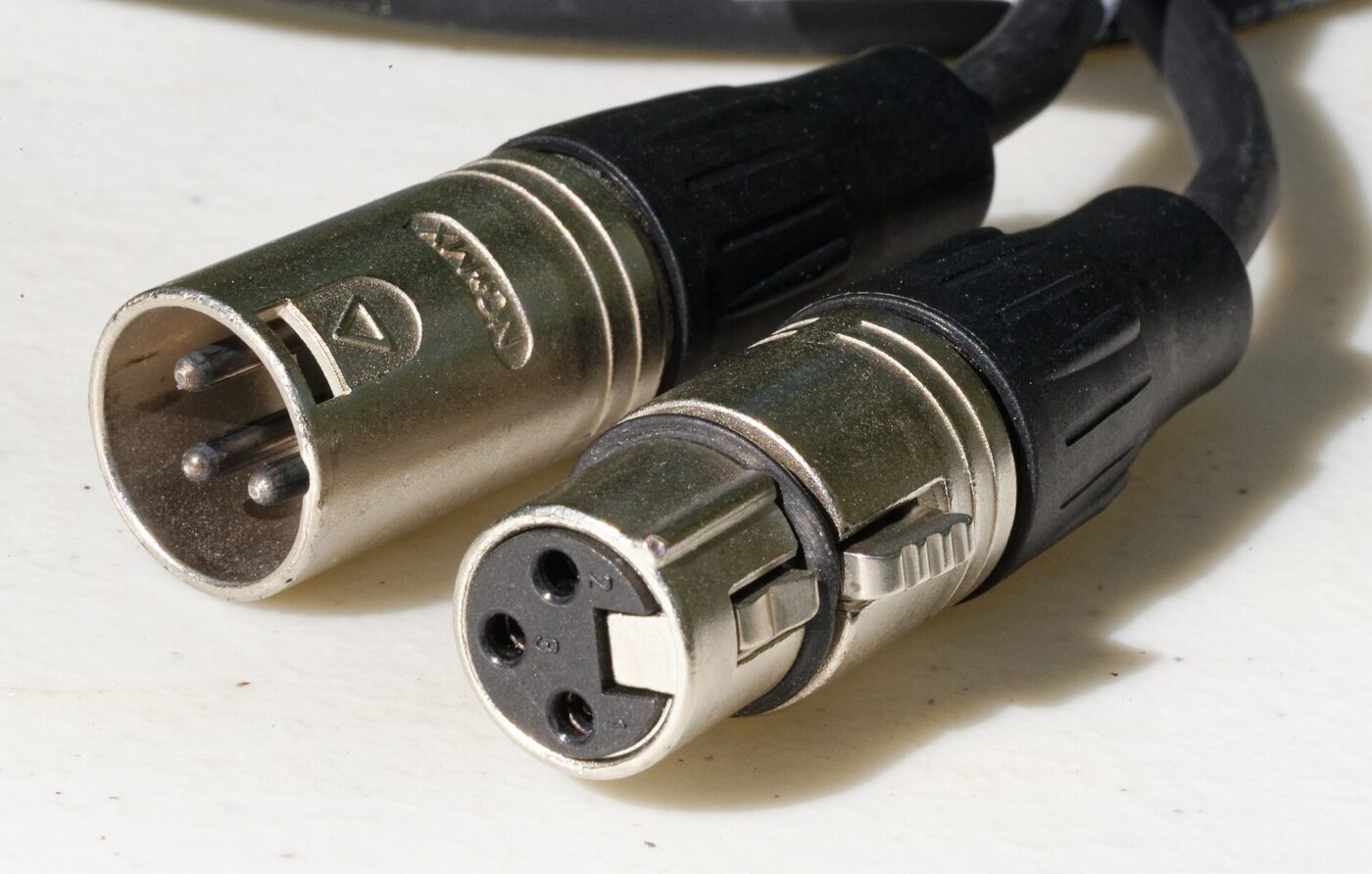
For cables, the useful facts are conductor gauge, whether the connectors are metal-shelled, whether the shield is braided or foil and a drain wire, and the stated length. For stands, it is base weight, maximum height with the boom extended and the counterweight. For desk arms, it is the clamp opening and the load rating against the microphone plus its shock mount.
One honest note: balanced audio over a competent cable is not improved by paying several times more for one.
- Buy the cable lengths you need; the extra dollars per foot are real now.
- Metal connector shells and strain relief are what survive repeated coiling.
- A heavier stand base is the cheapest fix for a microphone that keeps tipping.
Who should buy now and who can wait
Buy now if you are building or rebuilding a setup and need several cables and a stand together. The commodity move is on the record and the producer price data says most of it has not reached finished goods, which is an unusual position for a buyer.
Wait if you are replacing one cable that still works. There is no shortage of cables, only a cost trend, and the audio and video equipment price index has not moved since December 2025.
The counter-signal to watch is the wire index. If it starts catching up to copper, the gap protecting current shelf prices is closing.
What to watch next
- The BLS producer price index for other communication and energy wire manufacturing, for whether it tracks copper.
- Further CBP messages and tariff schedule revisions on copper, which is where the rate on cable lines would change again.
- List prices on long-stable studio staples, which move late and rarely move back.
Where to start
Paid links: we earn a commission if you buy through the buttons below, at no extra cost to you. As an Amazon Associate I earn from qualifying purchases.
Wired studio basics compared on what changes between them
| Product type | Good fit for | Where to look |
|---|---|---|
| Balanced XLR microphone cables | Fits wired studio setups | See listings on AmazonOpens Amazon search results, not one listing: check the model on the product page. |
| Microphone boom stand | Fits stand-up recording | See listings on AmazonOpens Amazon search results, not one listing: check the model on the product page. |
| Desk-mounted microphone arm | Fits desk podcasting | See listings on AmazonOpens Amazon search results, not one listing: check the model on the product page. |
Product types that fit the trend described above, not tested models. Check the exact listing before you buy. How we pick them.
Balanced XLR microphone cables
Where to look: Amazon
A multipack is the sane way to buy cable, because the failure mode is one bad cable on a recording day. Read gauge, shielding and connector material, not marketing copy.
- Cheap insurance against a dead channel
- Metal shells survive coiling
- Cost per foot is rising
- Claims outrun what the format does
Microphone boom stand
Where to look: Amazon
The part of a studio most exposed to steel costs. Base weight and extended height are the two figures that decide whether it works in your room.
- Reaches over a desk or kit
- Heavy bases resist tipping
- Steel inputs carry a 50% duty
- Bulky to store
Desk-mounted microphone arm
Where to look: Amazon
Weigh the microphone and shock mount first. An arm rated near its limit sags over a session, which shows up as a drifting voice level.
- Keeps the desk clear
- Puts the mic where your mouth is
- Load ratings are often overstated
- Clamp may not fit thick desks
More: Creators and Content trends and how the Trend Signal is scored.
Sources
- Adjusting Imports of Copper Into the United States — The White House
- Proclamation 11021, Strengthening Actions Taken to Adjust Imports of Aluminum, Steel and Copper — The White House
- Harmonized Tariff Schedule heading 9903.82.09 — USITC
- CSMS 69252300, Section 232 Copper Smelt and Cast Reporting Requirements — US Customs and Border Protection
- Adjusting Imports of Aluminum and Steel Into the United States — The White House
- Mineral Commodity Summaries 2026, Copper — US Geological Survey
- Global price of Copper — IMF via FRED
- Producer Price Index by Industry: Copper Rolling, Drawing, Extruding and Alloying — BLS via FRED
- Producer Price Index by Industry: Other Communication and Energy Wire Manufacturing — BLS via FRED
- Producer Price Index by Industry: Audio and Video Equipment Manufacturing — BLS via FRED
- This Industry-Standard Mic Price Just Jumped — American Songwriter
Questions readers ask
Why would an XLR cable cost more in 2026?
Copper. The IMF benchmark price rose about 39% between July 2025 and July 2026 on our arithmetic, and Section 232 copper duties have applied to insulated wire and cable since August 1, 2025, at an added 25% under the schedule in force today.
Has that actually reached shelf prices?
Not much, so far. US producer prices for copper rolling and drawing rose about 24% in the year to August 2026, while the index for other communication and energy wire manufacturing rose about 5% and audio and video equipment prices were about 0.7% lower.
Does the copper tariff apply to the whole price of a cable?
It does now. The July 30, 2025 proclamation charged the duty on copper content alone, but Proclamation 11021 of April 2, 2026 made Section 232 metal duties apply to the full customs value regardless of metal content, for goods entered from April 6, 2026.
Are microphone stands affected too?
They face a different metal. A proclamation effective June 4, 2025 raised Section 232 tariffs on steel and aluminum articles and their derivative products from 25% to 50%, with the United Kingdom held at 25%. Whether a finished stand carries that duty depends on its tariff line and the published derivative lists.