Content Credentials attach a signed record to a photograph saying which camera took it and what was done to it afterward. The pitch is easy to understand in a period when a convincing image can be generated from a sentence, and the standard behind it has unusually broad backing.
The shipping reality in 2026 is narrower: a few flagship bodies, a service aimed at newsrooms rather than shoppers, and one public failure that showed how fragile a signature is when the tools that check it are optional. Here is what exists, what it proves, and what it does not.
Trend Signal
42/100 Steady momentum
- Emerging
- Rising
- Mainstream
- Peaking
- Cooling
Signing is shipping on a few flagship bodies and one maker revoked every certificate
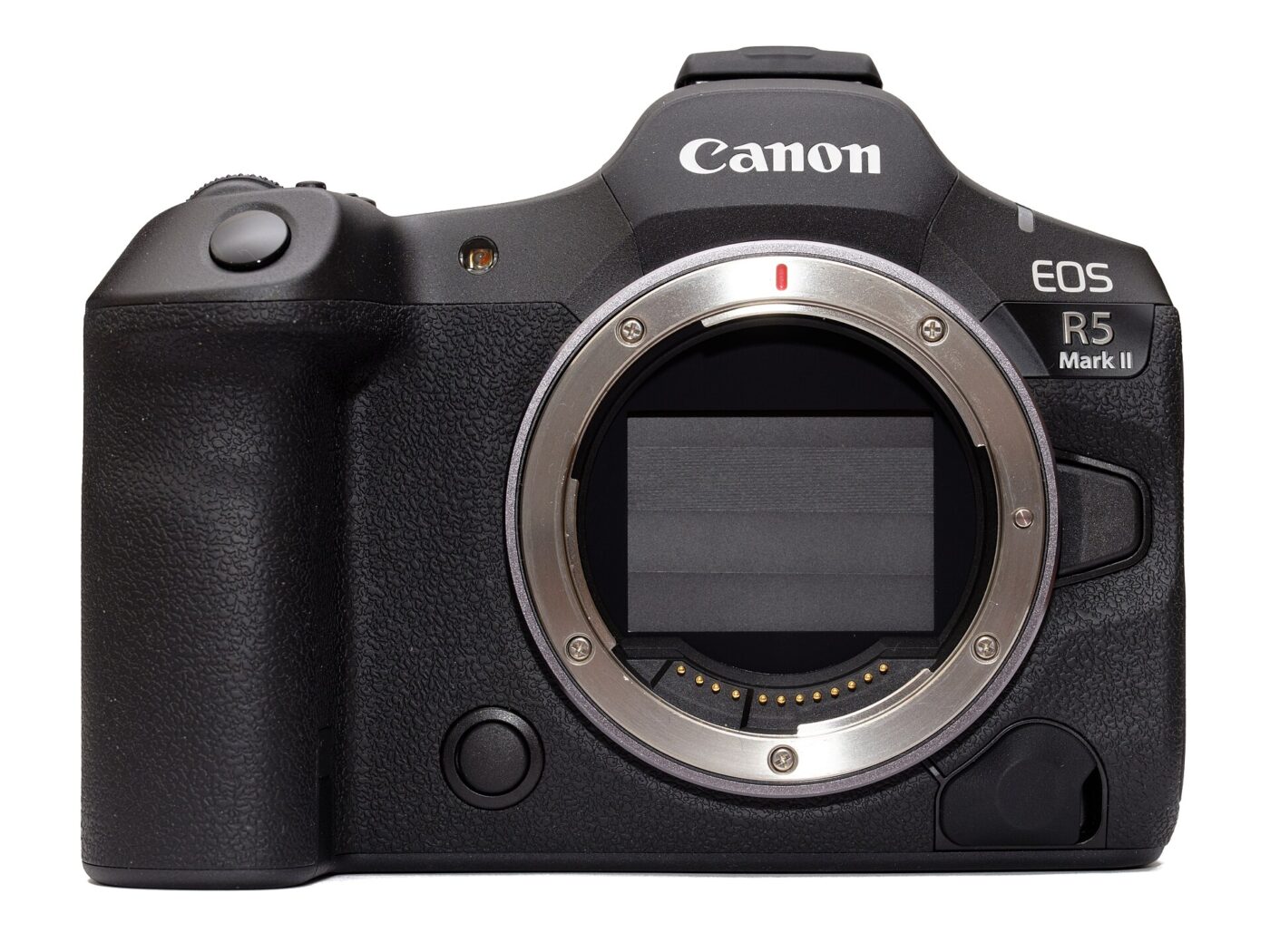
Canon announced a C2PA-compliant Authenticity Imaging System for the EOS R1 and EOS R5 Mark II on May 11, 2026, with the camera feature requiring paid activation, while Nikon revoked every C2PA certificate issued by its Z6 III after a vulnerability found in September 2025.
Our editorial reading of the cited data, not a forecast. How it is scored
By the numbers
- 2.4Current version of the C2PA technical specification in September 2026C2PA
- 11Companies on the C2PA steering committee, including Adobe, Google, Meta, OpenAI and SonyC2PA
- 2 modelsCanon cameras supported by its Authenticity Imaging System at the May 2026 launchCanon
- AllNikon C2PA certificates invalidated after the Z6 III vulnerability of September 2025PetaPixel
What Content Credentials are
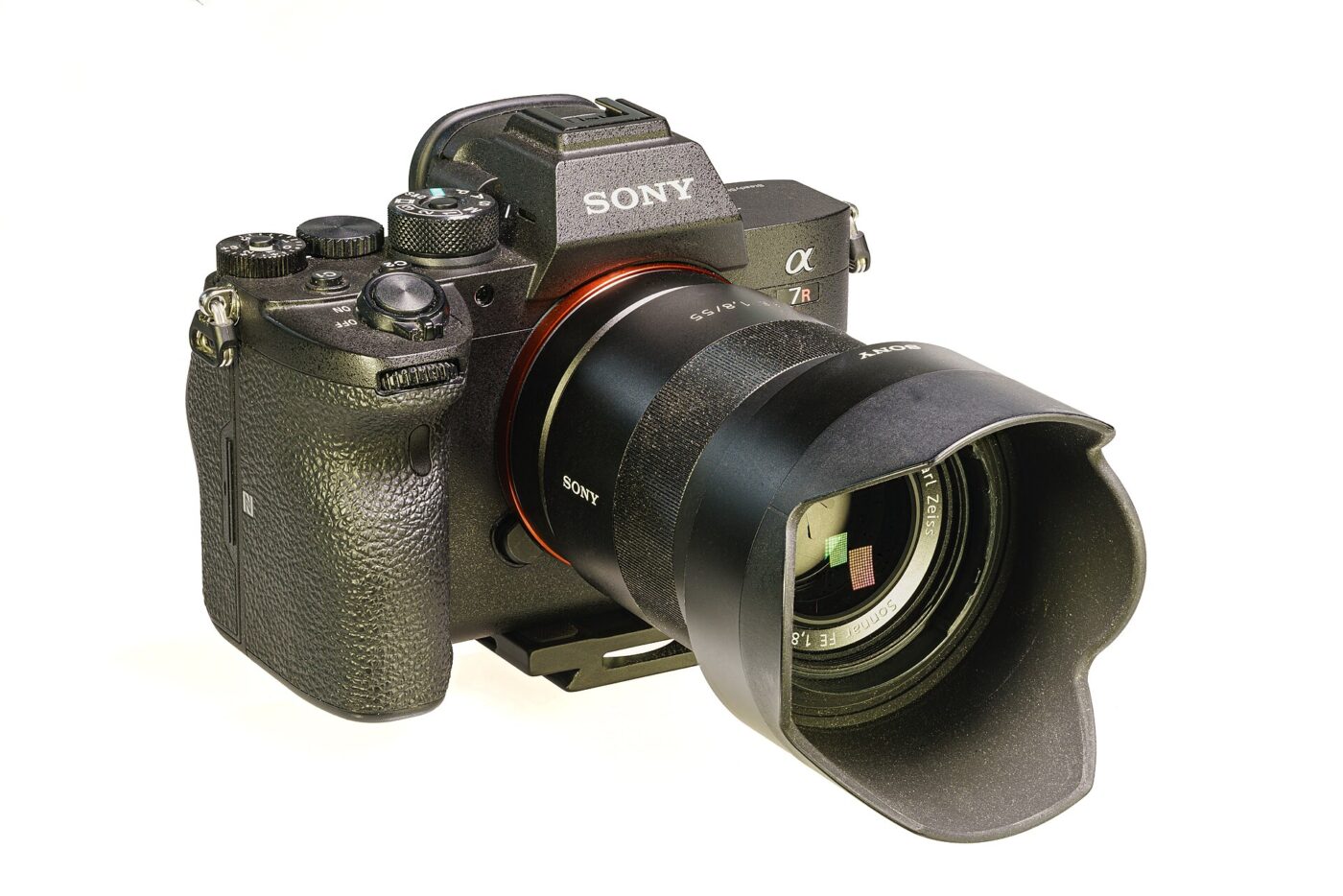
The Coalition for Content Provenance and Authenticity describes itself as providing “an open technical standard for publishers, creators and consumers to establish the origin and edits of digital content.” Its output, branded Content Credentials, is a manifest carried with a file that records what made it and what changed it. The current version on the C2PA specification site in September 2026 is 2.4.
The membership is what makes this different from previous attempts at image watermarking. The C2PA steering committee lists eleven companies — Adobe, Amazon, the BBC, Google, Meta, Microsoft, OpenAI, Publicis Groupe, Sony, TikTok and Truepic — covering the editing software, the generative models and the platforms where images are published; Canon and Nikon sit in the wider membership.
In a camera, the feature signs the file at the moment of capture using a certificate held in the body. Everything after that — editing, export, upload — either preserves the manifest and adds to it, or breaks the chain.
The standard is broadly backed; the hard part has always been the last step, where a platform strips or keeps the record.
What shipped, and what got pulled

Nikon added C2PA support to the Z6 III in firmware version 2.00 on August 27, 2025. Nikon told customers a technical issue with the provenance function was confirmed on September 4, 2025; in the weeks that followed, the photographer who found it showed the camera could be made to sign fabricated content by feeding it crafted files and using its multiple exposure mode, up to a wholly AI-generated image. Nikon suspended the service and stated that “the digital certificates issued and loaded onto cameras during the period between the service launch and its suspension will be invalidated.”
Canon took a slower and narrower route. On May 11, 2026 it announced an Authenticity Imaging System built on the C2PA standard that manages provenance records, issues certificates, applies trusted timestamps and verifies content history, for images from the EOS R1 and EOS R5 Mark II and rolling out first across Europe, the Middle East and Africa. Canon framed the reason plainly, saying that “image manipulation and the spread of fake images have emerged as significant societal challenges” and that news organizations face rising expectations to show where their pictures came from. Its release also notes, in a footnote, that the camera-side C2PA function requires paid activation.
The contrast is instructive. Canon’s product is a managed service sold to newsrooms with certificate handling and timestamping around it. Nikon’s was a firmware feature switched on for anyone who updated. The first is slower to reach consumers, and much harder to break.
Where the chain breaks
Signing is only half of provenance; the other half is checking, and checking is where the system is weakest. PetaPixel reported that after Nikon’s revocation there was no way to stop online validation tools from continuing to validate images signed by revoked certificates, because whether a tool checks revocation by default is the tool developer’s decision, not the camera maker’s. As the report put it, the issue was “outside Nikon’s hands.”
The second weak point is distribution. A manifest travels with a file, so anything that re-encodes or strips metadata along the way ends the chain. That includes plenty of ordinary steps between a camera and a published image.
None of this makes provenance worthless. It does mean a Content Credential is evidence about a file’s history, not proof that a scene happened, and that the value depends on a verification habit that barely exists outside newsrooms in 2026.
Should it change what you buy
For most photographers and video creators, no. The feature exists on a small number of expensive bodies, the service built around it is aimed at news organizations, and the checking side is immature. Paying a premium for a camera because it can sign files would be paying for an option you are unlikely to exercise.
It is worth checking if your work is the kind where provenance is already an argument: news and documentary assignments, court and insurance documentation, or work licensed to organizations that have started asking. In those cases, ask whether the maker runs a managed certificate service, not simply whether the menu has the option.
The cheaper habit is the one that has always worked. Keep the original camera files, unedited, with their capture metadata intact, on storage you control. That is what an editor or a client can actually be shown, and it costs nothing but disk space.
- Check firmware release notes for Content Credentials before assuming a body supports it.
- Ask whether the maker operates a certificate and timestamp service, or only signs in camera.
- Archive originals separately from edits; provenance claims fall apart without the source file.
What would make this matter
Three things would move this from interesting to relevant. The first is signing reaching mid-range bodies rather than flagships, which is what would put it in the hands of the people who post most of the images online.
The second is platforms displaying credentials by default, including whether a certificate has been revoked. With the C2PA steering committee including Google, Meta and TikTok, the companies able to do that are already in the room.
The third is a cleaner story after Nikon. A signature system whose first consumer implementation was suspended within weeks of shipping has to earn back the benefit of the doubt, and the fix is not only Nikon’s to make.
What to watch next
- Whether Canon extends its Authenticity Imaging System beyond Europe, the Middle East and Africa and beyond two camera models.
- Whether Nikon restores C2PA signing on the Z6 III, and what changes in how certificates are handled.
- Whether major platforms start showing Content Credentials, and revocation status, on uploaded images by default.
Where to start
Paid links: we earn a commission if you buy through the buttons below, at no extra cost to you. As an Amazon Associate I earn from qualifying purchases.
Where to start if provenance matters to your work
| Product type | Good fit for | Where to look |
|---|---|---|
| Mirrorless camera body | Fits capture with signing | See listings on AmazonOpens Amazon search results, not one listing: check the model on the product page. |
| Portable SSD for footage archives | Fits keeping originals safe | See listings on AmazonOpens Amazon search results, not one listing: check the model on the product page. |
| UHS-II card reader | Fits fast offloads | See listings on AmazonOpens Amazon search results, not one listing: check the model on the product page. |
Product types that fit the trend described above, not tested models. Check the exact listing before you buy. How we pick them.
Mirrorless camera body
Where to look: Amazon
Treat signing as a bonus rather than a reason to choose a body. Read the firmware notes, since support arrives and occasionally departs through updates.
- Signs at the moment of capture
- Flagship bodies got it first
- Very few models support it
- Support can be suspended
Portable SSD for footage archives
Where to look: Amazon
The low-tech version of provenance: the original file with its capture metadata, kept somewhere you control. Two copies in two places beats one expensive drive.
- Keeps untouched source files
- Cheaper than any provenance service
- Storage prices rose through 2026
- One drive is not a backup
UHS-II card reader
Where to look: Amazon
Worth matching to the cards you own, since a reader on an older bus quietly undoes the write speed you paid for on the card.
- Offloads without tying up the camera
- Cheap to replace
- Bus speed limits real throughput
- Card type compatibility varies
More: Creators and Content trends and how the Trend Signal is scored.
Sources
- C2PA, Coalition for Content Provenance and Authenticity — C2PA
- C2PA Specifications 2.4 — C2PA
- C2PA membership, steering committee and general members — C2PA
- Canon Introduces C2PA-Compliant Authenticity Imaging System for News Organizations — Canon Global
- Nikon Cannot Fully Solve the Z6 III C2PA Problems Alone — PetaPixel
- Nikon revokes all C2PA image authenticity certificates after major vulnerability exposed — Digital Camera World
Questions readers ask
What are Content Credentials on a camera?
They are a signed record attached to a file at capture, following the C2PA standard, that states which device made the image and what was done to it afterward. C2PA describes it as an open technical standard for establishing the origin and edits of digital content.
Which cameras support C2PA in 2026?
Support is limited to a small number of high-end bodies, and it is worth checking a specific model rather than generalizing. The announcements cited here name Canon’s EOS R1 and EOS R5 Mark II, covered by the Authenticity Imaging System announced on May 11, 2026, and Nikon’s Z6 III, which got C2PA in firmware 2.00 in August 2025 before Nikon suspended the service.
What happened with Nikon and C2PA?
Nikon shipped C2PA support for the Z6 III in firmware 2.00 on August 27, 2025 and confirmed a technical issue with it on September 4, 2025. The flaw allowed fabricated images to be signed, and Nikon invalidated all digital certificates issued between the launch and the suspension.
Does a Content Credential prove a photo is real?
No. It records a file’s claimed history, and it only helps if the checking tool verifies the signature and the certificate status. PetaPixel reported that validation tools continued to accept images signed by revoked Nikon certificates, because revocation checking is up to each tool.
Should I pay more for a camera that supports it?
For most work, no. The feature is confined to expensive bodies and the surrounding services are aimed at news organizations. Keeping unedited original files with intact capture metadata achieves more for most photographers at the price of storage.