Meta’s first-generation Ray-Ban glasses failed to gain much traction, as 9to5Mac noted in September 2026. The current generation is different in one measurable way: people are buying it. EssilorLuxottica, which makes Ray-Ban and Oakley frames for Meta, sold more than 7 million AI glasses in 2025, and Counterpoint Research counted a 263% jump in global shipments in the first half of 2026.
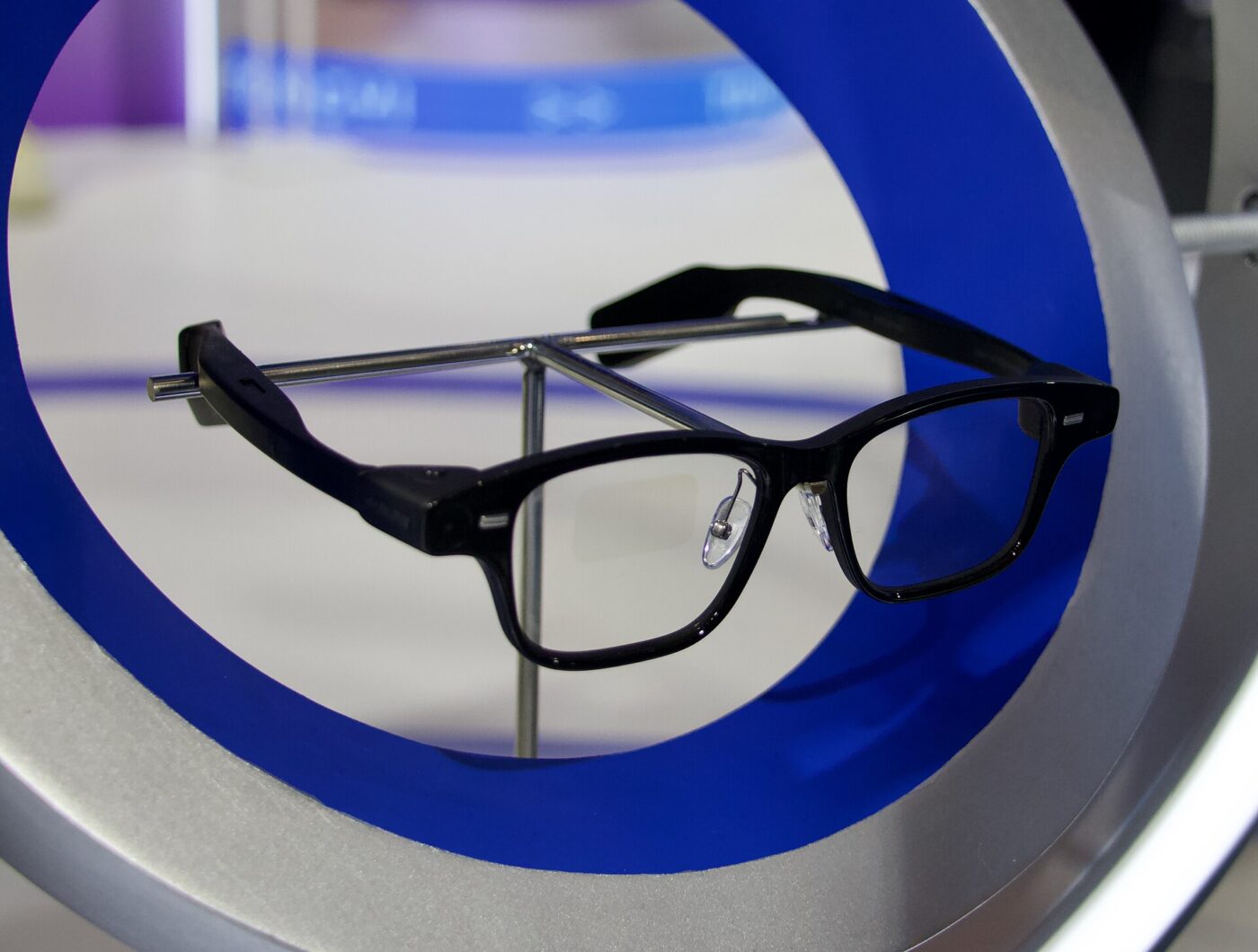
What changed is the product. The glasses selling in volume do not try to put a screen in front of your eye. They look like ordinary frames, take photos and video, play audio through open-ear speakers and answer questions through an assistant. That trade-off is what made the category work, and it is also why privacy has become its main counter-signal.
Trend Signal
86/100 Strong momentum
- Emerging
- Rising
- Mainstream
- Peaking
- Cooling
Shipments more than tripled and Meta still sells most of them
Counterpoint Research reported on September 21, 2026 that global AI glasses shipments rose 263% year over year in the first half of 2026, with display-less models making up 96% of the total.
Our editorial reading of the cited data, not a forecast. How it is scored
By the numbers
- 263%Global AI glasses shipment growth, first half of 2026 vs first half of 2025Counterpoint Research
- 7M+AI glasses sold in 2025, including Ray-Ban Meta and Oakley MetaEssilorLuxottica
- 94%Meta share of display-less AI glasses shipments, first half of 20269to5Mac, citing Counterpoint
- $299Starting price of Meta-branded glasses launched June 23, 2026Meta
How fast AI glasses are selling
EssilorLuxottica’s full-year 2025 results, released February 11, 2026, reported AI-glasses unit sales above 7 million for the year, counting Ray-Ban Meta (launched in September 2023) and Oakley Meta (launched in June 2025). Tech Times, reporting on the company’s figures, put combined sales for 2023 and 2024 at about 2 million units.
The pace held into 2026. EssilorLuxottica’s first-half results, published July 28, 2026, cited “AI glasses almost doubling in revenue in Q2.” Circana figures cited by Tech Times put smart glasses sales at about $436 million for the 12 months through May 2026, up 233%.
Counterpoint’s September 21, 2026 report is the broadest count: shipments up 263% year over year in the first half, with the display-less segment up 258% year over year and 22% from the second half of 2025. North America took 50% of display-less shipments and Western Europe 28%.
The growth is real and concentrated: one company, one style of product, two regions.
Why display-less frames are winning
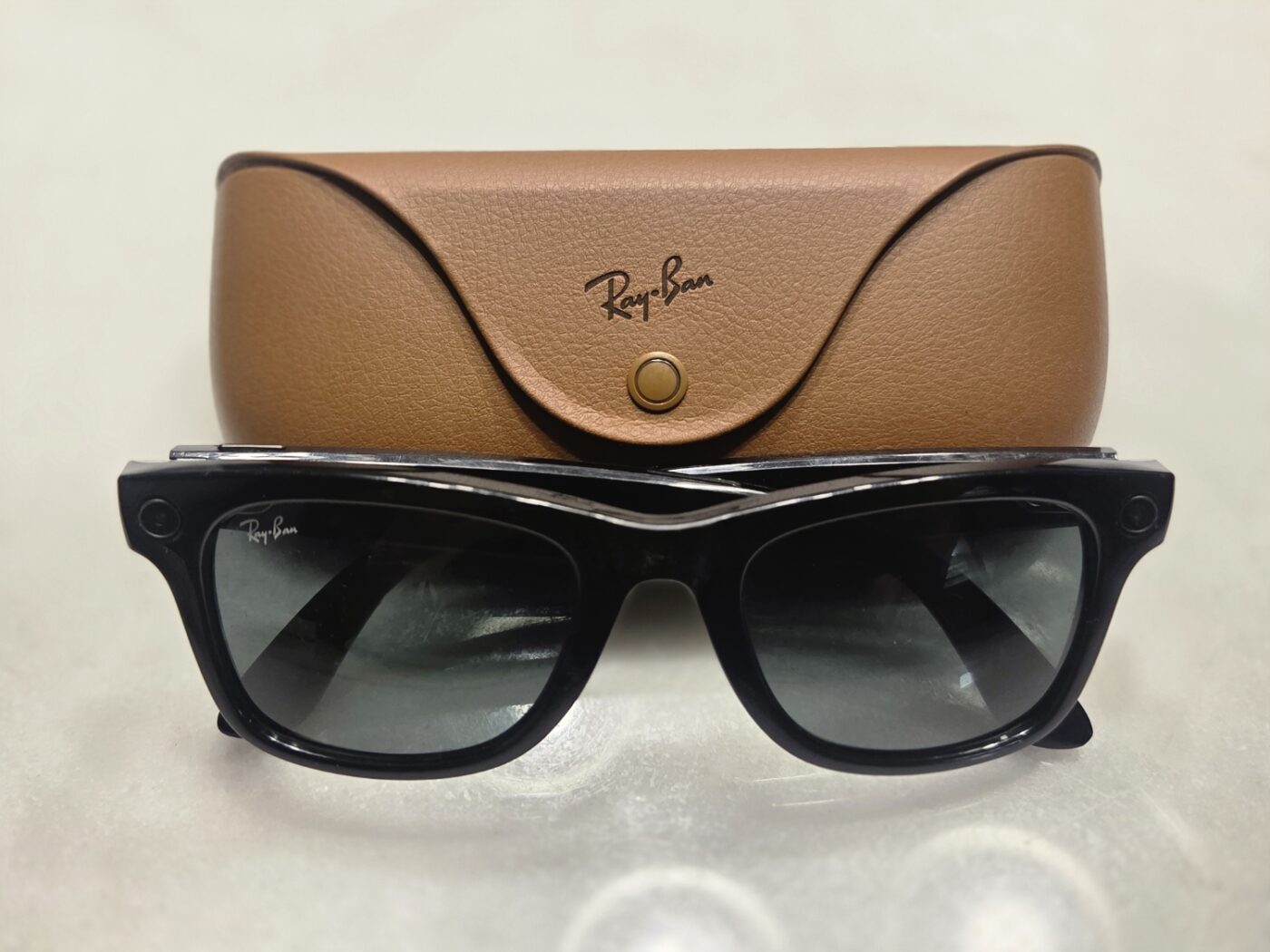
Display-less models made up 96% of first-half shipments. Android Authority, summarizing Counterpoint, attributed Meta’s 260% volume growth to new Ray-Ban variants, expansion into more countries, retail promotions and cheaper Meta-branded glasses.
The price ladder widened in both directions. Ray-Ban Meta (Gen 2) starts at $379 with up to 8 hours of battery and 3K video from a 12MP ultra-wide camera, according to EssilorLuxottica. Oakley Meta Vanguard, built for sport with IP67 water and dust resistance and Garmin and Strava integration, costs $499. On June 23, 2026, Meta added its own Meta Glasses line from $299, with 26 styles at launch, prescription-lens compatibility, more than 8 hours of battery and a case that adds 40 hours. Meta listed Best Buy, Amazon, LensCrafters and Sunglass Hut among retailers.
| Model | Starting price | In-lens display | Notes (maker claims) |
|---|---|---|---|
| Meta Glasses (Adventurer, Fury) | $299 | No | 26 styles at launch, prescription-compatible |
| Ray-Ban Meta (Gen 2) | $379 | No | 3K video, up to 8 hours of battery |
| Oakley Meta Vanguard | $499 | No | IP67, up to 9 hours of battery |
| Meta Ray-Ban Display | $799 | Yes, right lens | Ships with the Meta Neural Band wristband |
Displays are the next, pricier step

Meta Ray-Ban Display went on sale at select US stores on September 30, 2025 at $799. It puts a full-color display in the right lens for messages, photo previews and step-by-step instructions, and it is controlled by the Meta Neural Band, an EMG wristband that reads small hand and finger movements.
Display glasses are still a small slice of the market, but the fastest-growing one. Counterpoint counted a 449% rise in shipments of AR and AI glasses in the first half of 2026, from a small base. Rokid led with 41%, followed by Meta at 37%, Even Realities at 11% and Alibaba at 7%; China accounted for 45% of shipments and North America for 41%.
The optics are where the money is going. Tech Times reported that EssilorLuxottica announced a partnership with Applied Materials on June 16, 2026 to develop waveguide optics for next-generation smart glasses.
The privacy counter-signal
Counterpoint flags two near-term headwinds: rising component costs and growing public concern about cameras and privacy, according to Android Authority. 9to5Mac noted that reports of non-consensual filming and harassment have drawn wider attention to camera-equipped glasses.
Meta has been patching the recording indicator. Engadget reported on August 27, 2026 that Meta was rolling out an update that stops recording if the LED is covered during a recording, the company’s second privacy-focused update in under two months; an earlier change disabled the camera if the LED was physically damaged. Meta also started an education campaign about the recording light, beginning with a billboard in Los Angeles.
Counterpoint expects the industry to answer with new form factors, including camera-free AI audio glasses and glasses whose cameras are used mainly for contextual understanding rather than photo or video capture.
Camera-free designs are the industry’s own response to the privacy problem, which shows how seriously it is taken.
Who should buy now and who should wait
Display-less glasses are the mature buy for hands-free photos, calls, music and voice questions. There are several price points and frame styles, and prescription lenses are available on the main Meta lines: EssilorLuxottica says Ray-Ban Meta (Gen 2) frames can be fitted with individual prescription lenses, including Transitions lenses.
Waiting makes more sense if you want a display, or an assistant outside Meta’s ecosystem. Counterpoint expects Meta, Google, Samsung and Apple to intensify investment, and 9to5Mac reports Apple is rumored to be developing display-less glasses that rely on Siri. Display models also carry the highest prices in the category.
Whichever you choose, check battery hours and the charging case, prescription options, and how the recording light behaves, and think about where you will wear them; workplaces, schools and venues set their own rules on cameras.
What to watch next
- Whether Meta or its rivals ship camera-free AI audio glasses, the form factor Counterpoint expects as a response to privacy concerns.
- EssilorLuxottica’s third-quarter 2026 revenue update, for whether AI glasses growth holds near the second-quarter pace.
- Counterpoint’s full-year 2026 tracker: whether Meta’s 94% share of display-less glasses slips as Google, Samsung and Apple move in.
Where to start
Paid links: we earn a commission if you buy through the buttons below, at no extra cost to you. As an Amazon Associate I earn from qualifying purchases.
AI glasses types compared on what they do
| Product type | Good fit for | Where to look |
|---|---|---|
| AI smart glasses with camera | Fits hands-free photos and calls | See listings on AmazonOpens Amazon search results, not one listing: check the model on the product page. |
| Open-ear audio glasses | Fits camera-free settings | See listings on AmazonOpens Amazon search results, not one listing: check the model on the product page. |
| Smart glasses with a display | Fits reading notifications at a glance | See listings on AmazonOpens Amazon search results, not one listing: check the model on the product page. |
Product types that fit the trend described above, not tested models. Check the exact listing before you buy. How we pick them.
AI smart glasses with camera
Where to look: Amazon
The type driving the sales numbers. Look for a charging case, prescription options and a clear recording light.
- Photos, video, calls and AI in one frame
- Widest choice of styles and prices
- Cameras draw privacy objections
- About 8 hours per charge, per makers
Open-ear audio glasses
Where to look: Amazon
A lower-friction option for offices and venues that restrict cameras. Check call quality and battery claims on the listing.
- No camera to worry bystanders
- Open-ear audio keeps you aware
- No photo or video capture
- Assistant features vary by brand
Smart glasses with a display
Where to look: Amazon
Early and expensive. Compare field of view, brightness and phone compatibility before paying display-glasses prices.
- Messages and directions in view
- Fastest-growing segment by rate
- Highest prices in the category
- Limited retail availability
More: Tech and Gadgets trends and how the Trend Signal is scored.
Sources
- Q4 and FY 2025 results press release — EssilorLuxottica
- EssilorLuxottica Q2 and H1 2026 results — Yahoo Finance
- We’re partnering with EssilorLuxottica to launch Meta Glasses — Meta
- Global AI glasses shipments surge 263% YoY in H1 2026 — Counterpoint Research
- AI glasses shipments surged 263% in H1 2026 as Apple prepares to enter the market — 9to5Mac
- The smart glasses market has more than doubled, with Meta dominating — Android Authority
- Meta is closing a loophole that allowed recording with the light covered — Engadget
- AI glasses revenue nearly doubled in Q2 — Tech Times
Questions readers ask
Are smart glasses worth buying in 2026?
For hands-free photos, calls, music and voice questions, display-less AI glasses are now a mature product: Counterpoint says they made up 96% of AI glasses shipments in the first half of 2026. Buyers who want a screen in the lens face higher prices, such as the $799 Meta Ray-Ban Display.
Can you get Meta smart glasses with prescription lenses?
Yes. Meta says its Meta Glasses line, launched June 23, 2026, is compatible with prescription lenses, and EssilorLuxottica says Ray-Ban Meta (Gen 2) frames can be fitted with individual prescription lenses, including Transitions lenses.
How can people tell if smart glasses are recording?
Meta’s glasses show an LED while recording. Engadget reported that an update rolling out in August 2026 stops recording if that light is covered during a recording, closing a loophole that let users cover it after starting.
Who sells the most smart glasses?
Meta, by a wide margin. Counterpoint Research says Meta accounted for 94% of display-less AI glasses shipments in the first half of 2026. Among display-equipped AR glasses, Rokid led with 41% and Meta had 37%.