For most of the smartphone era, the honest answer to how long a phone would keep getting updates was a shrug. That changed quietly, and 2026 is the year the numbers line up across all three platforms. Google states that all of its latest Pixel phones come with seven years of OS, security and Pixel Drop updates from launch, repeated with the Pixel 11 series that went on sale on August 20, 2026. Samsung says the Galaxy S26 FE, announced on August 27, 2026, gets up to seven generations of OS upgrades and seven years of security updates from its global launch date.
Apple has never published a support period, so its record has to be read from what it ships. On September 14, 2026 it released iOS 27, and its own security releases page lists the update as available for iPhone 11 and later. Apple announced iPhone 11 on September 10, 2019 and put it on sale on September 20, 2019 at $699. That is a phone bought seven years ago taking the current operating system. The useful work now is reading what these promises actually cover.
Trend Signal
60/100 Steady momentum
- Emerging
- Rising
- Mainstream
- Peaking
- Cooling
Long support promises are now standard across the three big platforms
Google says Pixel 11 phones get seven years of OS, security and Pixel Drop updates from launch, Samsung promises up to seven OS generations for Galaxy S26 FE, and Apple shipped iOS 27 for iPhone 11 and later on September 14, 2026.
Our editorial reading of the cited data, not a forecast. How it is scored
By the numbers
- 7 yearsOS, security and Pixel Drop updates Google promises Pixel 11 buyers from launchGoogle
- 7 upgradesOS generations Samsung promises for Galaxy S26 FE, with seven years of security updatesSamsung Newsroom
- iPhone 11Oldest iPhone able to install iOS 27, which Apple released on September 14, 2026Apple
What the three platforms promise now
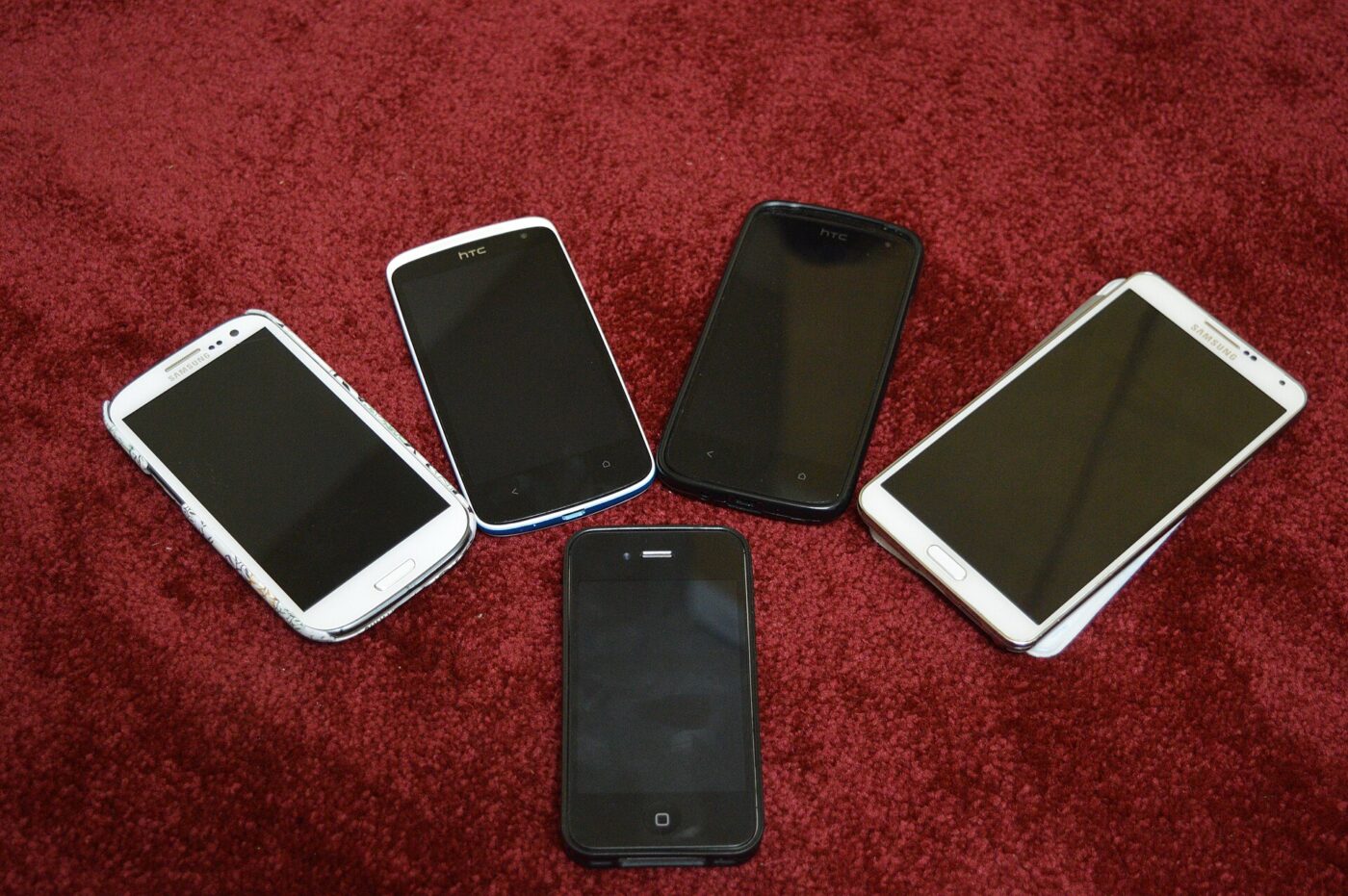
Google states the commitment most plainly. In its announcement of the Pixel 11 series in August 2026, the company wrote that all of its latest phones come with seven years of OS, security and Pixel Drop updates from launch. Three separate things are named there, which is the detail most comparisons miss.
Samsung phrases it differently and the difference matters. Its Galaxy S26 FE announcement says the phone is built to last with up to seven generations of OS upgrades and seven years of security updates. The footnote adds that the count runs from the global launch date and that the timing of OS upgrades and security updates may vary by device model, network provider or market.
Apple publishes no number at all, which paradoxically makes it the easiest to verify: its security releases page lists each update and the devices it covers. iOS 27 and iPadOS 27, released on September 14, 2026, are listed as available for iPhone 11 and later.
| Platform | What the maker states | Counted from |
|---|---|---|
| Google Pixel 11 series | Seven years of OS, security and Pixel Drop updates | Launch, August 2026 |
| Samsung Galaxy S26 FE | Up to seven OS generations and seven years of security updates | Global launch date |
| Apple iPhone | No published period; iOS 27 installs on iPhone 11 and later | Release of iOS 27, September 14, 2026 |
Seven years is now the stated figure on both Android flagships and roughly what Apple has delivered in practice.
How long that is in practice
The Apple case is the only one with seven years already on the clock. iPhone 11 went on sale on September 20, 2019 at $699, and iOS 27 arrived for it on September 14, 2026. No Android maker can yet show a completed seven-year run, because the commitments were made after those phones shipped; the Pixel and Galaxy promises are forward-looking statements that will be tested over the rest of the decade.
The starting point of the count is where buyers lose time without noticing. Samsung says its seven years run from the global launch date of the model, not from the day you buy it. A phone bought eighteen months into its sales life therefore carries about five and a half years of remaining coverage, not seven. Google frames its promise the same way, from launch.
That single detail changes how to shop. Buying early in a model cycle, or buying the newest model in a range rather than the previous discounted one, buys support years that the price comparison never shows. The counter-argument is real too: an older model at a large discount can be the better value if you replace phones every three years anyway.
An OS upgrade and a security patch are not the same thing
Three different commitments hide behind the word update. An OS upgrade moves the phone to a new major version. A security update patches the version it already runs. A feature drop, which Google calls a Pixel Drop, adds features between major versions. Google names all three in its seven-year statement; Samsung separates OS generations from security years; Apple ships both a new version and a security-only update for the previous one on the same day.
The newest features are a fourth, separate question. In its September 14, 2026 software release, Apple said Apple Intelligence and Siri AI in iOS 27 are available on iPhone Duo, iPhone Air, iPhone 16 models or later, iPhone 15 Pro and iPhone 15 Pro Max, among other devices. So a 2019 iPhone can run the current OS while missing the features the marketing is built around. Long support keeps a phone safe and usable; it does not keep it current.
Getting the new version and getting the new features are now two different things, even on a supported phone.
What this changes when you buy
The first practical effect is on the cost of ownership. A phone with seven years of stated coverage can credibly be a five-year or six-year phone for a household that does not care about the newest features, which changes the arithmetic against buying a cheaper model every two or three years. Battery wear and accessory support become the binding constraint rather than software.
The second effect is on the secondhand market. A renewed phone that is three years old now has a knowable remaining support window rather than an unknown one, provided you check the model’s launch date rather than the date it was sold to you. For Apple devices, the security releases page shows which models the current and previous versions cover.
- Check the model launch date, not the purchase date, because the support clock starts at launch.
- For an iPhone, check the current version on the Apple security releases page and confirm the model is listed.
- Treat the update term as a per-model specification rather than a brand-wide guarantee.
The fine print that shortens the promise
Carrier and market variation is stated by the maker itself. Samsung’s footnote says the timing of OS upgrades and security updates may vary by device model, network provider or market, which is a reminder that a carrier-sold handset can receive the same update weeks after an unlocked one.
The wording deserves attention as well. Samsung’s marketing line says up to seven generations of OS upgrades, while the footnote beneath it states flatly that the phone will support seven generations and seven years of security updates from the global launch date; the qualifier that actually bites is the one about timing varying by model, carrier and market. Google’s phrasing covers its latest phones rather than every Pixel ever sold, and Apple makes no promise at all, which means its record is evidence rather than a commitment.
What to watch next
- Whether the seven-year commitments spread from flagship models to the cheaper phones in the same ranges
- Which devices each new iOS release lists on the Apple security releases page, the simplest public measure of how far back support reaches
- Whether makers start stating support end dates for specific models rather than a number of years from launch
Where to start
Paid links: we earn a commission if you buy through the buttons below, at no extra cost to you. As an Amazon Associate I earn from qualifying purchases.
Buying for support life: what each option gets you
| Product type | Good fit for | Where to look |
|---|---|---|
| Unlocked Android phone | Fits the longest stated support | See listings on AmazonOpens Amazon search results, not one listing: check the model on the product page. |
| Renewed unlocked iPhone | Fits a lower price with fewer years left | See listings on AmazonOpens Amazon search results, not one listing: check the model on the product page. |
| Android tablet | Fits a second device in the house | See listings on AmazonOpens Amazon search results, not one listing: check the model on the product page. |
Product types that fit the trend described above, not tested models. Check the exact listing before you buy. How we pick them.
Unlocked Android phone
Where to look: Amazon
Google states seven years of OS, security and Pixel Drop updates for its latest phones, and Samsung states up to seven OS generations for Galaxy S26 FE. Both count from launch, so the model year matters more than the purchase date.
- Seven-year promises on recent flagships
- Updates arrive without carrier delay
- Clock starts at model launch
- Cheaper models get shorter terms
Renewed unlocked iPhone
Where to look: Amazon
Apple lists the devices each release supports on its security releases page, so the remaining life of a used iPhone is a matter of record. iOS 27, released September 14, 2026, covers iPhone 11 and later.
- Remaining support is checkable
- Large discount on older models
- Fewer years left than a new phone
- Newest features may be gated
Android tablet
Where to look: Amazon
Tablets are where the stated commitments diverge most from phones. Treat the update term as a specification to look up per model rather than a brand-wide guarantee.
- Often cheaper per year of use
- Shares the same app ecosystem
- Support terms are usually shorter
- Varies widely by model
More: Tech and Gadgets trends and how the Trend Signal is scored.
Questions readers ask
How many years of updates does a new phone get in 2026?
Google states seven years of OS, security and Pixel Drop updates from launch for its latest Pixel phones, and Samsung states up to seven generations of OS upgrades and seven years of security updates for Galaxy S26 FE. Apple publishes no figure, but iOS 27, released September 14, 2026, installs on iPhone 11 and later.
Does the support clock start when I buy the phone?
No. Samsung says its term runs from the global launch date of the model, and Google states its seven years from launch. A phone bought a year into its sales life has a year less coverage left than the headline number suggests.
What is the difference between an OS upgrade and a security update?
An OS upgrade moves the phone to a new major version, while a security update patches the version already installed. Apple illustrated the split on September 14, 2026, releasing iOS 27 and, the same day, iOS 26.7 as a security update for the previous version.
Will an older supported phone get the new AI features?
Not necessarily. Apple said Apple Intelligence and Siri AI in iOS 27 are available on iPhone Duo, iPhone Air, iPhone 16 models or later, iPhone 15 Pro and iPhone 15 Pro Max, among other devices, even though iOS 27 itself installs on iPhone 11 and later.