For three years the least glamorous home improvement job in the country came with a federal discount. The Energy Efficient Home Improvement Credit paid 30% of the cost of qualifying work within annual limits of $1,200 for most improvements and $2,000 for heat pumps and heat pump water heaters, and the qualifying list explicitly included insulation and air sealing materials or systems. The IRS page for the credit describes it as applying through December 31, 2025.
What followed is a useful test of how much of a market a subsidy was holding up. Producer prices for mineral wool insulation have drifted down since the start of 2025, while producer prices for caulk and sealants have kept climbing. Meanwhile the thing that made the work worth doing has not softened at all: the consumer price index for household energy is 5.0% higher than a year ago and 12.8% higher than two years ago.
Trend Signal
36/100 Steady momentum
- Emerging
- Rising
- Mainstream
- Peaking
- Cooling
The 30% federal credit closed and insulation producer prices slipped with it
The IRS says the Energy Efficient Home Improvement Credit applies to qualifying improvements through December 31, 2025, and producer prices for mineral wool envelope insulation fell 2.4% between January 2025 and August 2026 while caulk and sealant prices rose 6.2% in a year.
Our editorial reading of the cited data, not a forecast. How it is scored
By the numbers
- 30%Credit rate on qualifying insulation and air sealing materials, applying through 2025Internal Revenue Service
- +6.2%Producer prices, nonstructural caulking compounds and sealants, Aug 2025 to Aug 2026Bureau of Labor Statistics
- 2.4%Producer prices, mineral wool envelope insulation, January 2025 to August 2026Bureau of Labor Statistics
- 15%Average saving on heating and cooling costs ENERGY STAR models for seal and insulateENERGY STAR
What closed at the end of 2025
The Energy Efficient Home Improvement Credit, known by its tax code section as 25C, equalled 30% of certain qualified expenses from January 1, 2023, with an annual cap of $1,200 for energy efficient property costs and certain home improvements and $2,000 a year for qualified heat pumps, water heaters, biomass stoves and boilers. There was no lifetime dollar limit, so a household could claim the maximum in each eligible year.
Within the $1,200 bucket sat the unglamorous items: exterior doors at $250 per door and $500 in total, exterior windows and skylights at $600 in total, and insulation and air sealing materials or systems meeting specified International Energy Conservation Code standards. The IRS page describes the credit as applying to qualifying improvements made through December 31, 2025.
The practical effect for 2026 is that the whole cost of a sealing or insulation project now sits with the household. That does not make the work less worthwhile, but it does change which parts of it are worth paying a contractor for.
Materials that were effectively 30% off through 2025 are full price in 2026.
Sealants got pricier, insulation did not
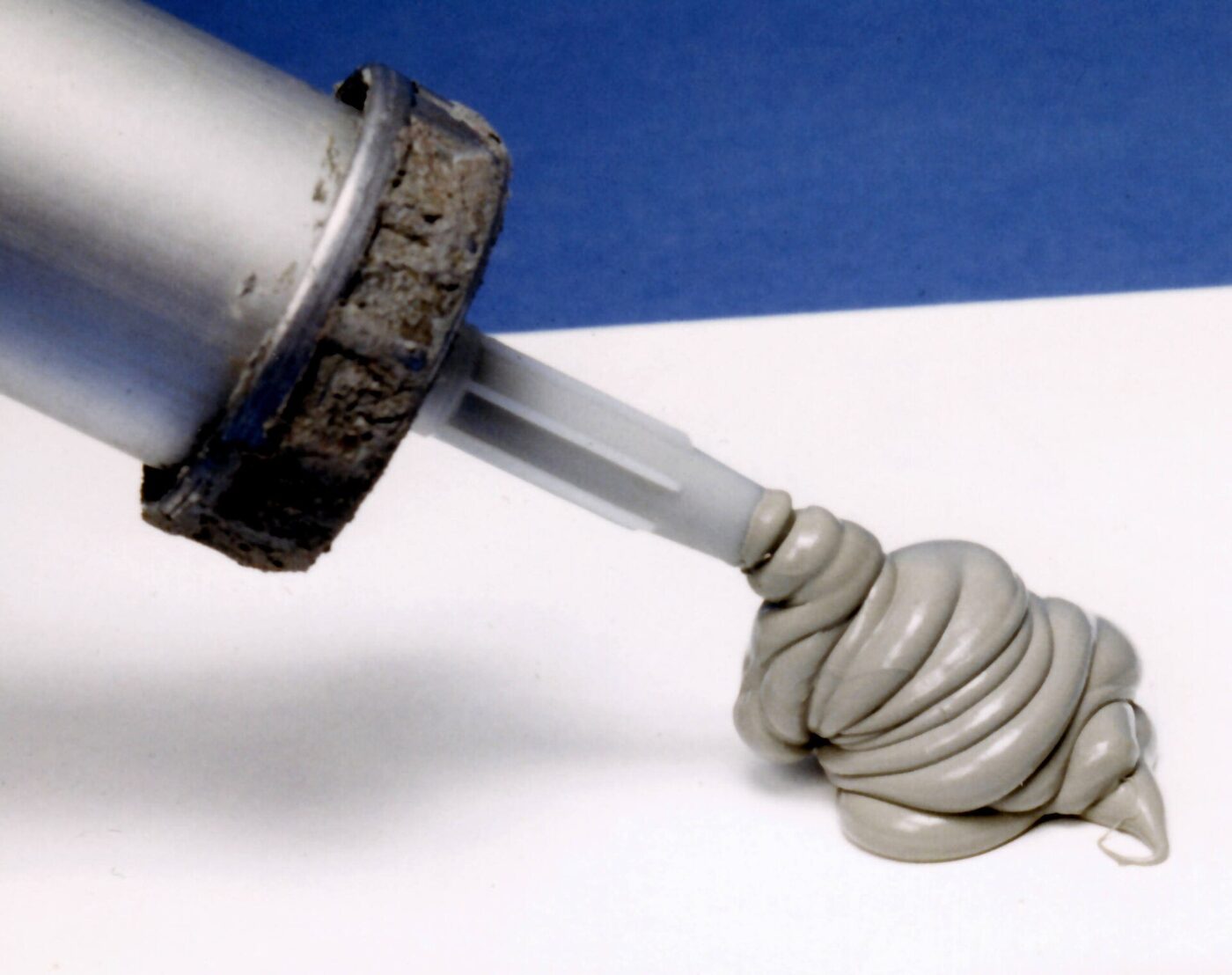
The two halves of the job have moved in opposite directions. The BLS producer price index for nonstructural caulking compounds and sealants was 176.645 in January 2023, 189.559 in August 2025 and 201.280 in August 2026. That is a 6.2% increase in 12 months and 13.9% since the start of 2023, which is a steady climb in a product most people buy a tube at a time.
Insulation did the opposite. The index for mineral wool for thermal and acoustical envelope insulation was 278.979 in January 2025, 274.980 in August 2025 and 272.374 in August 2026: down 0.9% over the year and down 2.4% since the start of 2025. Insulation is a construction-linked product, and softer building activity shows up in its producer prices in a way that a tube of caulk does not.
The inversion is worth noticing because it is the opposite of what most people assume. The bulk material got slightly cheaper; the consumable that every air sealing project runs through got more expensive.
| Material | August 2025 | August 2026 | Change |
|---|---|---|---|
| Caulking compounds and sealants | 189.559 | 201.280 | +6.2% |
| Mineral wool envelope insulation | 274.980 | 272.374 | –0.9% |
What the savings are worth against 2026 energy prices
ENERGY STAR publishes the arithmetic behind its own claim. Its methodology estimates that homeowners can save an average of 15% on heating and cooling costs, or 11% of total energy costs, by air sealing and adding insulation in attics, floors over crawl spaces and accessible basement rim joists. The model assumes a 25% reduction in total air infiltration and insulation brought up to 2012 International Energy Conservation Code levels, with savings ranging from 5% to 16% of whole-house energy by climate zone.
Its consumer-facing page states the more conservative version: sealing air leaks and adding insulation can provide up to a 10% saving on annual energy bills. Both figures are averages across modeled homes rather than a promise about any particular house, and the range across climate zones is wide enough to matter.
The denominator has grown. The consumer price index for household energy was 263.440 in August 2024, 282.839 in August 2025 and 297.115 in August 2026: up 5.0% over the most recent year and 12.8% over two. A percentage saving on a larger bill is a larger saving, which is the quiet reason the case for this work survived the end of the credit.
Where the money goes furthest
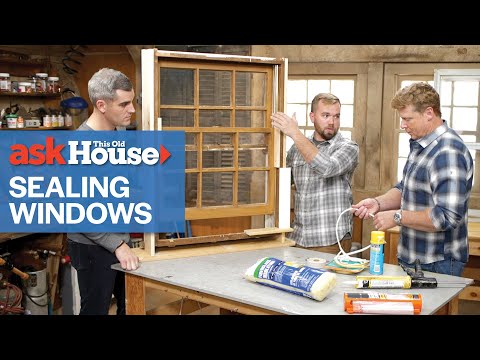
The cost structure of this job is lopsided. Air sealing is mostly labor and a small pile of cheap consumables: tubes of sealant, foam, weatherstrip, a door sweep. Insulation is mostly material and access, and in an attic it is often the part that needs either a contractor or a rented blower. That is why the two halves respond differently to a subsidy going away.
For a household doing it themselves, the sealing half is still the high-return end even after a 6.2% rise in sealant prices, because the absolute numbers are small. A tube of sealant and an afternoon spent on the attic hatch, top plates, plumbing penetrations and the rim joist targets exactly the areas ENERGY STAR modeled.
The order also matters. Sealing before insulating is the standard sequence, because insulation slows conductive heat loss while air leaks move heat and moisture straight through the assembly, and because sealing is far harder to do once there is insulation covering the surfaces.
- Attic hatch and the top plates where interior walls meet the attic
- Plumbing, wiring and flue penetrations through the ceiling plane
- Accessible basement rim joists, one of the three areas ENERGY STAR models
- Exterior door thresholds and sashes, where weatherstrip is the whole fix
Seal first, then insulate. The cheap half is also the half you cannot redo later.
Who should do it now and who can wait
Anyone facing a heating season in a drafty house is looking at a project whose materials cost tens of dollars and whose benchmark saving, by ENERGY STAR’s modeling, is up to 10% of an annual energy bill that has grown 12.8% in two years. The credit is gone, so there is no longer a tax reason to schedule around a calendar year.
Larger insulation work is the part with more room to wait. Its producer prices have drifted down rather than up since the start of 2025, and an attic job that needs a contractor is easier to schedule outside the winter rush. We read the current data as a case for doing the sealing now, at full price, and taking time over the insulation quote.
What to watch next
- The BLS producer price index for caulking compounds and sealants, which has risen in every recent comparison
- The mineral wool insulation index, for whether the post-2025 softening continues or reverses
- The CPI for household energy, which sets what any percentage saving is actually worth
Where to start
Paid links: we earn a commission if you buy through the buttons below, at no extra cost to you. As an Amazon Associate I earn from qualifying purchases.
Air sealing supplies, compared on what each one is for
| Product type | Good fit for | Where to look |
|---|---|---|
| Dripless caulk gun | Fits gaps under a quarter inch | See listings on AmazonOpens Amazon search results, not one listing: check the model on the product page. |
| Door and window weatherstrip kit | Fits doors and window sashes | See listings on AmazonOpens Amazon search results, not one listing: check the model on the product page. |
| Low-expansion foam sealant with applicator | Fits larger gaps and penetrations | See listings on AmazonOpens Amazon search results, not one listing: check the model on the product page. |
Product types that fit the trend described above, not tested models. Check the exact listing before you buy. How we pick them.
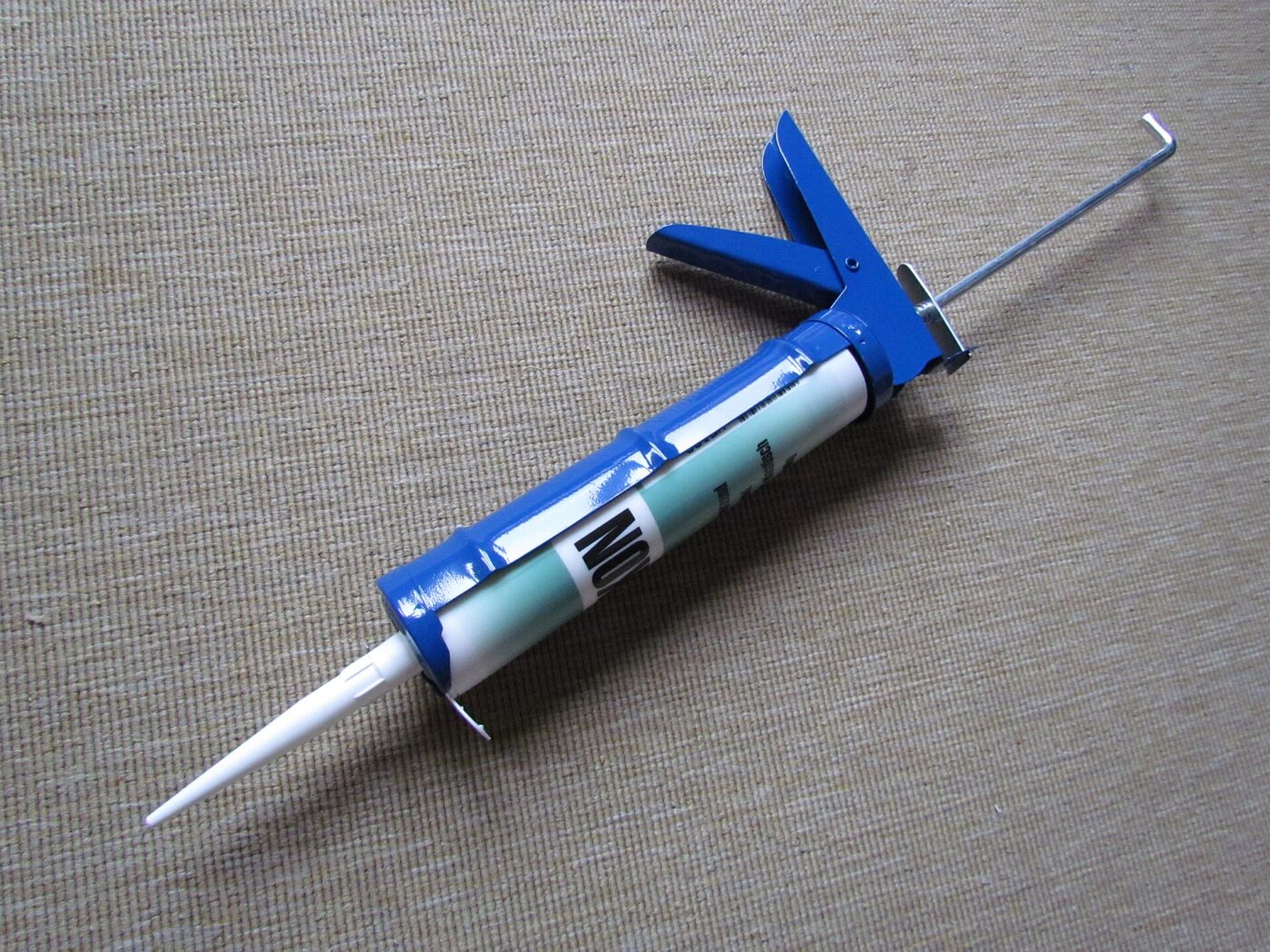
Dripless caulk gun
Where to look: Amazon
The tool the whole sealing half runs on. Sealant is the consumable whose producer price has risen steadily, so buying a gun that does not waste it is the one place this job rewards spending more.
- Cheap per linear foot
- Works on trim, plates and penetrations
- Sealant prices up 6.2% in a year
- Messy without a dripless mechanism
Door and window weatherstrip kit
Where to look: Amazon
The fix for the gaps you can feel with a hand. Measure the gap before buying, since a profile that is too thick stops the door closing and one that is too thin does nothing.
- No cure time
- Reversible and replaceable
- Adhesive foam fails in a few seasons
- Profile must match the gap
Low-expansion foam sealant with applicator
Where to look: Amazon
For penetrations and gaps wider than a caulk bead will span. Around windows and doors the low-expansion version is the one to use, because standard foam expands hard enough to distort a jamb.
- Fills gaps caulk cannot bridge
- Good for ceiling penetrations
- Standard foam can bow frames
- Cans have a short life once opened
More: Home Improvement trends and how the Trend Signal is scored.
Sources
- Energy Efficient Home Improvement Credit — Internal Revenue Service
- PPI commodity data, nonstructural caulking compounds and sealants — Bureau of Labor Statistics
- PPI commodity data, mineral wool for envelope insulation — Bureau of Labor Statistics
- CPI, household energy — Bureau of Labor Statistics
- Methodology for estimated savings from sealing and insulating — ENERGY STAR
- Seal and Insulate with ENERGY STAR — ENERGY STAR
Questions readers ask
Is there still a tax credit for insulation and air sealing?
The IRS page for the Energy Efficient Home Improvement Credit describes it as applying to qualifying improvements through December 31, 2025. It equalled 30% of qualified expenses, capped at $1,200 a year for most improvements including insulation and air sealing materials, with exterior doors limited to $250 per door and $500 total and windows and skylights to $600.
Should I air seal or insulate first?
Sealing first is the standard order. Insulation slows conductive heat loss, while air leaks carry heat and moisture straight through the assembly, and the surfaces that need sealing are much harder to reach once insulation covers them. ENERGY STAR models the two together, in attics, floors over crawl spaces and accessible basement rim joists.
How much can sealing and insulating actually save?
ENERGY STAR estimates an average of 15% on heating and cooling costs, or 11% of total energy costs, in its published methodology, with a range of 5% to 16% of whole-house energy depending on climate zone. Its consumer page states the figure as up to 10% of annual energy bills.
Did materials get cheaper after the credit ended?
Only one half did. Producer prices for mineral wool envelope insulation fell 2.4% between January 2025 and August 2026, while producer prices for nonstructural caulking compounds and sealants rose 6.2% in the 12 months to August 2026 and 13.9% since January 2023.