For about 18 months the arithmetic on backyard chickens looked unusually simple. The average US price for a dozen large grade A eggs went from $2.52 in January 2024 to a record $6.23 in March 2025, and a coop, a run and four hens started to look like an answer rather than a hobby. By August 2026 the same dozen averaged $2.27, which is lower than it was before the run-up started.
That reversal is the most important fact for anyone still pricing a coop. It does not make keeping chickens a bad idea, but it removes the argument that was doing most of the persuading, and it changes which households should go ahead. What follows is what the federal data shows about the flock, what a backyard setup actually involves, and which parts of the decision never depended on the egg price at all.
Trend Signal
30/100 Weak momentum
- Emerging
- Rising
- Mainstream
- Peaking
- Cooling
The price signal that drove the rush has reversed
The average US price for a dozen large grade A eggs fell from a record $6.23 in March 2025 to $2.27 in August 2026, and USDA reported egg-type chicks hatched down 12% in August 2026 from a year earlier.
Our editorial reading of the cited data, not a forecast. How it is scored
By the numbers
- $6.23Average US price for a dozen large grade A eggs in March 2025, the series peakBLS
- $2.27Average US price for a dozen large grade A eggs in August 2026BLS
- 12%Change in US egg-type chicks hatched in August 2026 from August 2025USDA NASS
- 383MAverage number of layers in the United States during August 2026, up 5% in a yearUSDA NASS
What the egg price did
BLS tracks the average price of a dozen large grade A eggs across US cities, and the series tells the story without interpretation. It sat near $2.52 in January 2024, climbed through late 2024, reached $4.95 in January 2025 and then $6.23 in March 2025. It has fallen almost continuously since.
The decline has been steep and sustained rather than a single drop. By August 2025 the average was $3.59, by January 2026 it was $2.58, and by August 2026 it was $2.27, below the January 2024 level and, by our arithmetic, roughly 63% under the March 2025 peak. The four months from May to August 2026 all printed between $2.14 and $2.27, which is as flat as this series gets.
The practical consequence is that the break-even calculation people ran in early 2025 no longer holds. A household that priced a coop against $6 eggs was comparing its feed bill to a number since cut by roughly two-thirds.
| Month | Average price per dozen |
|---|---|
| January 2025 | $4.95 |
| March 2025 | $6.23 |
| August 2025 | $3.59 |
| January 2026 | $2.58 |
| August 2026 | $2.27 |
Supply came back

USDA’s monthly Chickens and Eggs report, released September 21, 2026, shows why. US egg production totaled 9.43 billion in August 2026, up 5% from a year earlier, including 8.12 billion table eggs. The average number of layers during the month was 383 million, also up 5%, and production per 100 layers was up 1%.
Total layers on September 1, 2026 stood at 384 million, of which 319 million were producing table or market eggs. For scale, USDA’s animal health agency puts the US egg-laying flock at more than 378.5 million birds. We read the two figures together as a flock back to roughly its usual size after the losses that drove the 2025 spike.
The forward-looking number is the one pointing down. Egg-type chicks hatched in August 2026 totaled 50.8 million, down 12% from August 2025, and domestic placements of egg-type pullet chicks for future hatchery supply flocks were down 7%. That is the commercial layer pipeline normalizing after an unusually large rebuild, and it is the clearest available signal that the industry does not expect another shortage in the near term.
The flock is back to roughly its usual size, and the replacement pipeline is contracting rather than expanding.
What a coop actually costs to run
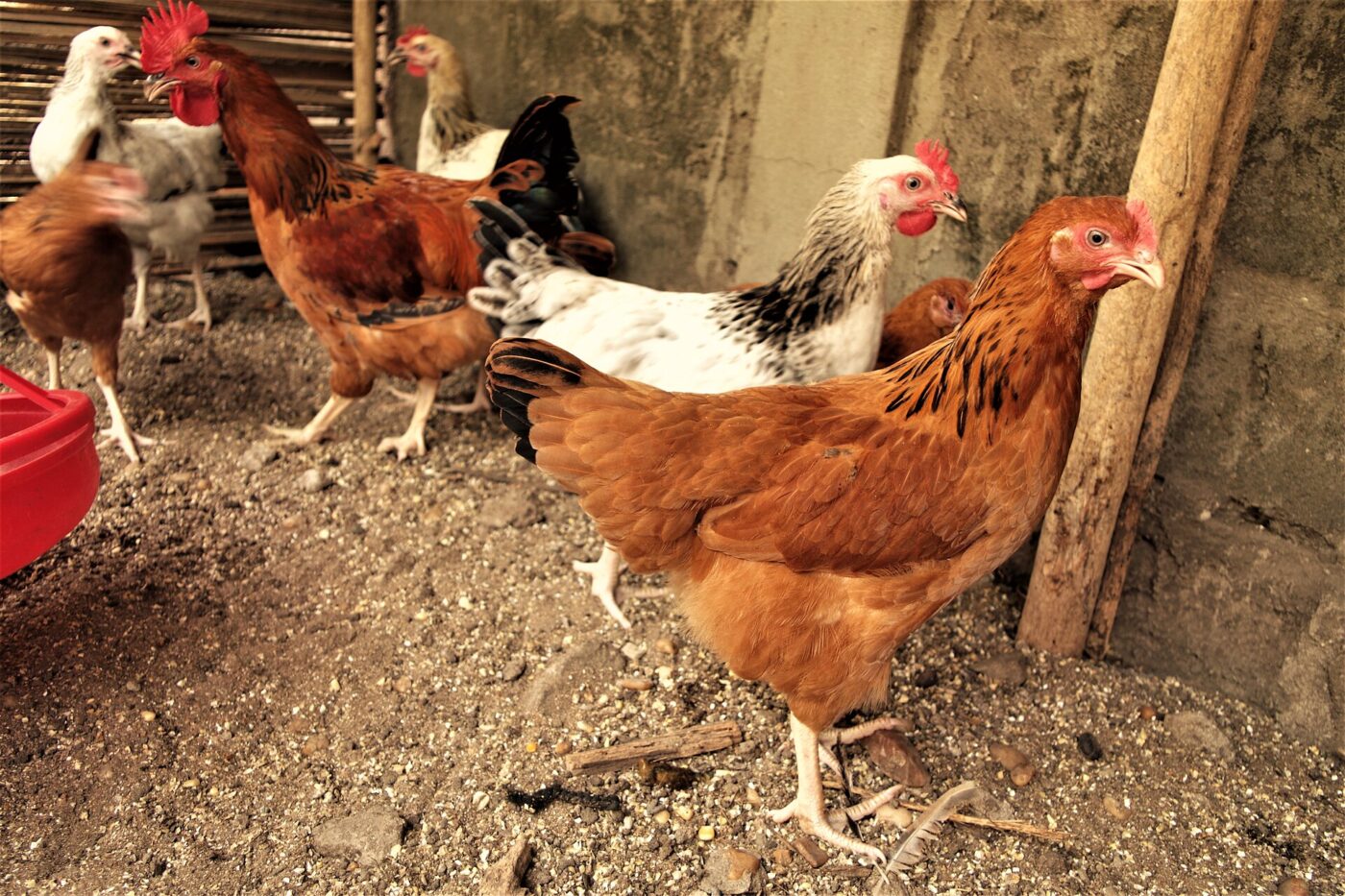
A backyard setup is a structure plus a recurring bill. The structure is the coop, an attached run, nest boxes, roosts, a feeder and a waterer, and in most yards some predator-resistant fencing under and around the run. All of it is bought up front.
The recurring costs are feed, bedding and water, and feed is the one that scales with the flock. Output is easier to estimate than cost: USDA reported a rate of lay of 79.5 eggs per 100 layers per day on September 1, 2026, which is roughly 0.8 eggs per hen per day, or around 290 a year on our own arithmetic, in commercial housing. A backyard flock sees seasonal daylight and cold that a controlled house does not, so that is a ceiling rather than an expectation.
One asymmetry is worth stating. Hens lay hardest in their first two seasons and then decline, while the feed bill does not. Any comparison against a supermarket price that assumes constant output for the life of the bird overstates the case.
The parts that never depended on the price
Disease risk is the first. USDA’s animal health agency confirmed highly pathogenic avian influenza in a US commercial flock on February 8, 2022 and has tracked commercial and backyard detections since, and it says detections run higher in fall and spring as wild birds migrate. Its standing advice to all bird owners is strong biosecurity: reducing the chances for wildlife to reach a flock and preventing spread between properties.
Everyday hygiene is the second. CDC guidance for backyard poultry owners is specific: wash hands with soap and running water after touching birds, their food or water containers, or anything in the area where they live; keep a dedicated pair of shoes for the coop outdoors; do not bring birds into the house; and do not let children under five handle chicks or other poultry. On eggs, CDC advises collecting often, discarding cracked eggs, cleaning dirt off dry rather than washing warm eggs, and refrigerating after collection.
Local rules are the third. Municipal and county ordinances decide whether hens are allowed at all, how many, whether roosters are permitted, and how far a coop must sit from a property line. CDC also notes that anyone selling eggs should know local regulations and follow licensing requirements.
- Check the ordinance for flock limits, rooster rules and coop setbacks
- Plan the biosecurity, including keeping feed and water away from wild birds
- Budget for feed and bedding every month, not only the coop once
- Expect output to fall after the first two laying seasons
Who should still do it
The households that were always the right fit are the ones that want the birds. Chickens eat kitchen scraps and garden pests, produce manure that composts into a good soil amendment, and give children a daily reason to be outside. CDC’s page notes that keeping backyard poultry is becoming more popular and describes it as fun and educational.
The households that should reconsider are the ones that ran the numbers in early 2025 and have not run them since. With the national average at $2.27 a dozen and flat for four straight months, a coop bought purely to beat the supermarket is unlikely to pay back before the hens slow down.
The middle case is the household that already has the structure. An unused coop has no ongoing cost, and restocking it is a feed decision rather than a capital one, which is where the current egg price barely matters.
Keep chickens because you want chickens. The savings argument has largely gone.
What to watch next
- The monthly USDA Chickens and Eggs report, specifically egg-type chicks hatched, which has been falling year over year
- USDA avian influenza confirmations in commercial and backyard flocks, which the agency says rise in fall and spring
- The BLS average price for a dozen large grade A eggs, which has printed between $2.14 and $2.27 since May 2026
Where to start
Paid links: we earn a commission if you buy through the buttons below, at no extra cost to you. As an Amazon Associate I earn from qualifying purchases.
Coop and run gear compared on what differs
| Product type | Good fit for | Where to look |
|---|---|---|
| Chicken coop with attached run | Fits a small starter flock | See listings on AmazonOpens Amazon search results, not one listing: check the model on the product page. |
| Automatic coop door | Fits owners who are out at dawn | See listings on AmazonOpens Amazon search results, not one listing: check the model on the product page. |
| Treadle feeder and waterer set | Fits keeping feed away from pests | See listings on AmazonOpens Amazon search results, not one listing: check the model on the product page. |
Product types that fit the trend described above, not tested models. Check the exact listing before you buy. How we pick them.
Chicken coop with attached run
Where to look: Amazon
The starter structure. Compare the actual floor area and run length rather than the advertised bird count.
- Coop and run in one purchase
- Pull-out trays ease cleaning
- Listed bird counts run high
- Thin timber weathers fast
Treadle feeder and waterer set
Where to look: Amazon
Keeping feed away from wild birds is part of the biosecurity USDA asks of every flock owner, which makes the feeder a safety item.
- Keeps feed covered
- Reduces spillage that draws wildlife
- Birds need training to use a treadle
- More parts to clean
More: Garden and Backyard trends and how the Trend Signal is scored.
Sources
- Average price data, eggs grade A large per dozen, US city average — U.S. Bureau of Labor Statistics
- Chickens and Eggs, September 2026 — USDA National Agricultural Statistics Service
- Confirmations of highly pathogenic avian influenza in commercial and backyard flocks — USDA APHIS
- Backyard poultry — U.S. Centers for Disease Control and Prevention
Questions readers ask
How far have egg prices fallen?
The BLS average price for a dozen large grade A eggs peaked at $6.23 in March 2025 and was $2.27 in August 2026, a fall of about 63% on our own arithmetic. It has stayed between $2.14 and $2.27 in every month from May to August 2026.
Has the egg supply recovered?
Yes, on USDA numbers. August 2026 US egg production was 9.43 billion, up 5% from a year earlier, from an average 383 million layers, also up 5%. Total layers on September 1, 2026 were 384 million, of which 319 million produced table eggs.
How many eggs does a hen lay?
USDA reported a rate of lay of 79.5 eggs per 100 layers per day on September 1, 2026, roughly 0.8 eggs per hen per day in commercial housing. Backyard flocks see seasonal daylight and cold that commercial houses do not, so treat that as a ceiling.
What does USDA say about avian influenza and backyard flocks?
USDA confirmed highly pathogenic avian influenza in a US commercial flock on February 8, 2022 and has tracked commercial and backyard detections since. It says detections are higher in fall and spring as wild birds migrate, and encourages all bird owners to practice strong biosecurity.
What hygiene precautions does CDC recommend?
CDC advises washing hands after touching poultry or anything in their environment, keeping a dedicated pair of shoes outdoors for coop work, keeping birds out of the house, not letting children under five handle poultry, and refrigerating eggs after collection.