Composting has spent decades as a hobby. In a growing number of states it is now a waste rule, and the difference matters at the point of purchase. A household covered by a curbside food scrap program needs a sealed container that sits on a counter and survives a week. A household with no collection needs a bin or tumbler in the yard, which is a different product solving a different problem.
The laws pushing this are not new, but they have phased in for years and the residential stage arrives last. Vermont banned food scraps from household trash in 2020, and California set statewide organic waste targets for 2025. EPA has published its own estimate of why: food waste is about 24% of what goes into landfills by weight, and because it decays quickly it accounts for an estimated 58% of the fugitive methane escaping from municipal solid waste landfills.
Trend Signal
57/100 Steady momentum
- Emerging
- Rising
- Mainstream
- Peaking
- Cooling
State organic waste laws keep widening and they now reach households
Vermont has banned food scraps from residential trash since July 1, 2020, and California’s SB 1383 set a 2025 target of cutting organic waste sent to landfills by 75%.
Our editorial reading of the cited data, not a forecast. How it is scored
By the numbers
- 24%Share of landfilled US municipal solid waste that is food waste, per EPAEPA
- 58%Share of fugitive methane from US landfills EPA attributes to landfilled food wasteEPA
- July 1, 2020Date Vermont required all residents to keep food scraps out of the trashVermont DEC
- 75%Cut in organic waste sent to California landfills targeted for 2025 under SB 1383CalRecycle
The laws that changed where food scraps go
Vermont went first and went furthest. Its Universal Recycling Law, Act 148, passed unanimously in 2012 and bans three categories of material from the trash: blue-bin recyclables, leaf and yard debris with clean wood, and food scraps. The food scrap ban was phased in, starting with businesses and institutions producing large volumes, and reached households on July 1, 2020, when everyone in the state had to start keeping food scraps out of the trash. The state says the phased approach was deliberate, because it built demand for collection services before residents were covered.
California took a different route to a similar place. SB 1383, passed in 2016, set statewide targets for 2025 of 75% less organic waste sent to landfills and 20% of unsold but still edible food redirected to food recovery organizations, and the regulations put the obligation on jurisdictions to provide collection. CalRecycle frames it as a methane reduction program rather than a recycling program, which explains why food is treated separately from yard waste.
The result for a shopper is that the right product is now decided by geography more than by preference. Two households with identical kitchens, one in a jurisdiction with curbside food scrap collection and one without, are buying different things.
The rule in your jurisdiction, not the size of your garden, decides which bin is the right one.
Why landfilled food is the target
EPA states that municipal solid waste landfills are the third-largest source of methane emissions from human activity in the United States, that food waste makes up about 24% of landfilled municipal solid waste, and that because of its quick decay rate food contributes more methane than any other landfilled material.
The agency put a figure on it in a report estimating methane emissions from landfilled food waste between 1990 and 2020. An estimated 58% of the fugitive methane released to the atmosphere from municipal solid waste landfills comes from landfilled food waste, and while total landfill emissions have been falling, emissions attributable to food waste have been rising.
That is the reasoning behind the regulatory push, and it also explains a detail that confuses first-time composters: yard waste and food waste are often handled under separate rules, separate bins and separate collection days, because they decay at very different speeds.
Curbside collection or a bin in the yard
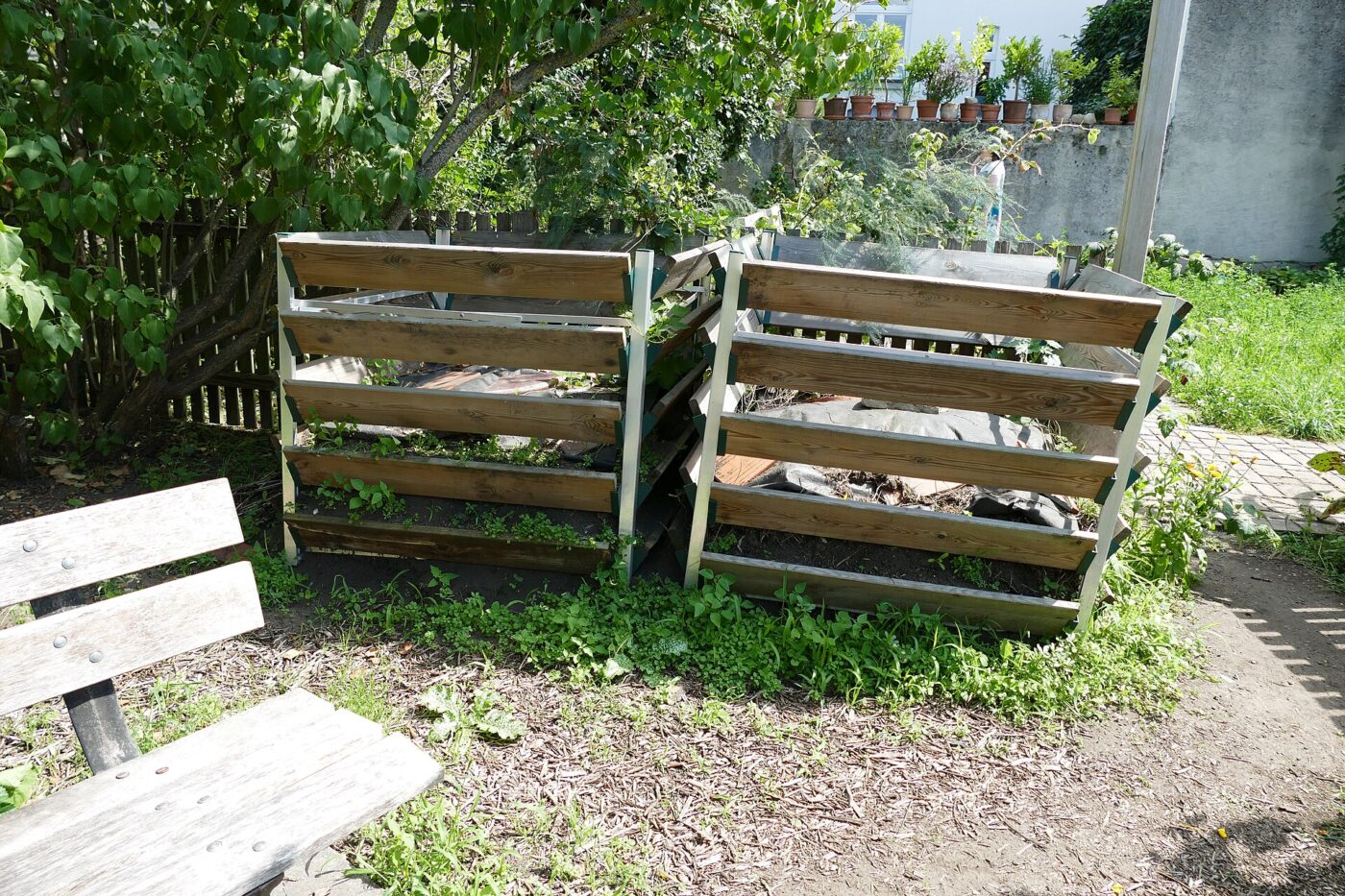
If a jurisdiction collects food scraps, the yard bin is optional. The purchase is a countertop caddy with a sealing lid plus whatever liner the program accepts, and the only real decisions are volume and smell control between collections. Programs differ sharply on what they take, with meat, dairy, bones and compostable packaging the usual points of difference, so the accepted-items list should settle the question before any purchase.
If there is no collection, the bin is the system. EPA describes backyard composting as a managed aerobic process needing carbon-rich material such as dry leaves and woody trimmings, nitrogen-rich material such as food scraps and grass clippings, water and air. Its list of what not to add is the part that saves trouble later, and its section on avoiding rodents covers the most common reason a backyard bin gets abandoned.
The third path is indoors. Worm composting, which EPA calls vermicomposting, works in a tub in a garage, a basement or under a sink, handles less volume, and needs no yard at all.
- Collection available: countertop caddy plus an accepted liner
- Yard and no collection: tumbler or stationary bin, plus a source of dry leaves
- No yard and no collection: worm bin indoors or in a garage
What to check before buying
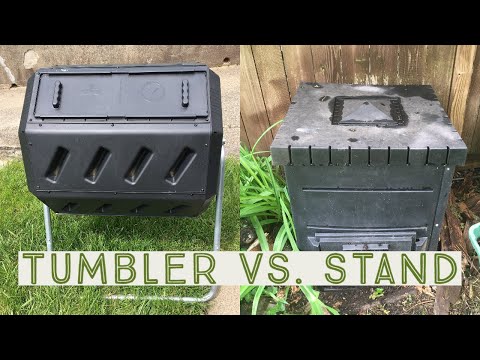
For a yard bin, volume is the first number and the one most often overstated. A tumbler is measured in gallons or cubic feet across two chambers, and the dual-chamber design exists so one side can finish while the other fills. The test that matters is whether the drum still turns when loaded, because a full tumbler is heavy.
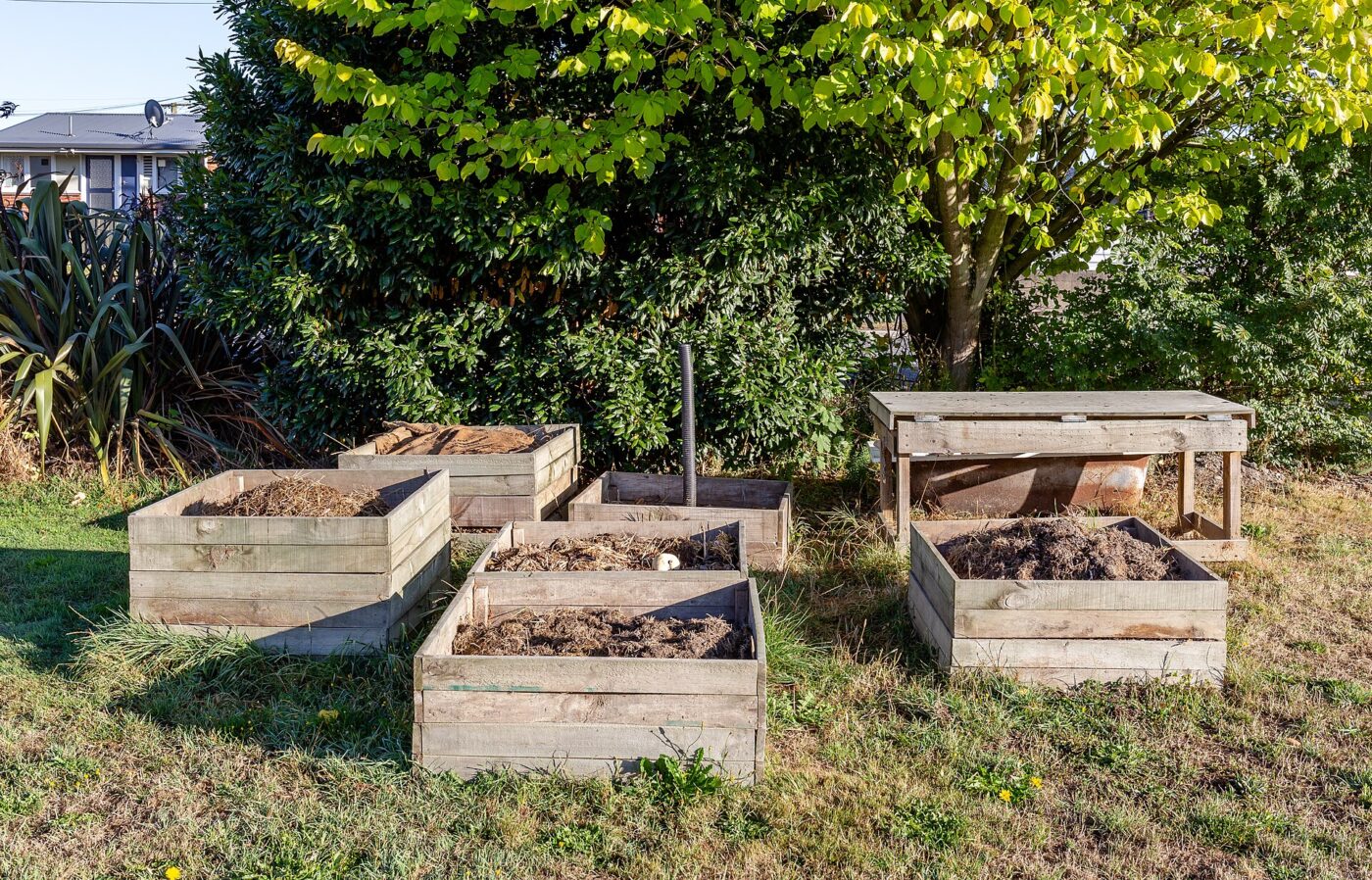
Stationary bins are cheaper and hold more, trading turning for time. The practical checks are whether the lid stays on in wind, whether there is a hatch at the base to remove finished compost without emptying the bin, and whether the base is open to the soil or closed. An open base lets worms and soil life in; a closed base makes it harder for rodents to dig in.
For a countertop caddy, the filter is the whole product. Most use a charcoal filter in the lid, and the question to ask of a listing is whether spare filters are sold separately and at what interval. Compostable liners are the last trap: programs often specify a certification, and a bag marked biodegradable is not the same as one certified compostable.
Who should wait
Anyone whose jurisdiction is about to start collection should wait for the details. Programs typically issue their own bin or specify the container, and buying ahead of the announcement is how people end up with two caddies.
Cold-climate gardeners should also temper expectations for a first winter. A backyard pile slows dramatically when it freezes, and a tumbler that is full in November will still be full in March. Either the volume needs to cover a winter of storage or the household needs a plan for the months when nothing is decomposing.
The counter-signal worth naming is that composting is not free of work. EPA’s own guidance runs to steps for building a pile, what to add, what to avoid and how to keep rodents out. Households that want the food scraps gone rather than turned into soil are better served by a caddy and a collection service, where one exists, than by a bin that needs managing.
Buy the caddy if someone collects; buy the bin only if you actually want the compost.
What to watch next
- Whether your city or county adds residential food scrap collection, which changes the purchase from a yard bin to a caddy
- CalRecycle reporting on SB 1383 implementation progress against the 2025 targets
- Whether additional states follow Vermont in banning food scraps from residential trash rather than only from commercial waste
Where to start
Paid links: we earn a commission if you buy through the buttons below, at no extra cost to you. As an Amazon Associate I earn from qualifying purchases.
Composting setups compared on what differs
| Product type | Good fit for | Where to look |
|---|---|---|
| Dual-chamber compost tumbler | Fits yards with no collection service | See listings on AmazonOpens Amazon search results, not one listing: check the model on the product page. |
| Countertop compost caddy | Fits kitchens with curbside pickup | See listings on AmazonOpens Amazon search results, not one listing: check the model on the product page. |
| Worm composting bin | Fits apartments and garages | See listings on AmazonOpens Amazon search results, not one listing: check the model on the product page. |
Product types that fit the trend described above, not tested models. Check the exact listing before you buy. How we pick them.
Dual-chamber compost tumbler
Where to look: Amazon
The enclosed option. Being off the soil is why it is the usual answer where rodents ended a previous pile.
- Off the ground and enclosed
- Two chambers let one finish
- Heavy to turn when full
- Smaller volume than a bin
Countertop compost caddy
Where to look: Amazon
Where a jurisdiction collects food scraps, this is the whole purchase. Match the liner to the accepted list first.
- Holds a week of scraps
- Sealed lid with a filter
- Filters need replacing
- Program rules vary on liners
Worm composting bin
Where to look: Amazon
EPA describes worm composting as a route for households without a yard. Less volume, but unaffected by a freeze.
- Works indoors year round
- Produces a fine soil amendment
- Small daily capacity
- Needs bedding and attention
More: Garden and Backyard trends and how the Trend Signal is scored.
Sources
Questions readers ask
Which states ban food scraps from household trash?
Vermont is the clearest case. Its Universal Recycling Law, Act 148, required everyone in the state to keep food scraps out of the trash starting July 1, 2020. California takes a different route, with SB 1383 setting statewide organic waste targets and placing collection obligations on jurisdictions.
Why do the rules single out food rather than all yard waste?
Because of decay speed. EPA says food waste is about 24% of landfilled municipal solid waste but, due to its quick decay rate, contributes more methane than any other landfilled material, and accounts for an estimated 58% of fugitive methane from municipal landfills.
Is a tumbler better than a stationary bin?
They fail differently. A tumbler is enclosed and off the ground, which helps with rodents, but holds less and gets heavy to turn. A stationary bin holds more, costs less, and relies on time rather than turning.
Can I compost without a yard?
Yes. EPA describes worm composting, or vermicomposting, as a home composting method that works in a container indoors, which is the usual route for apartments in places without a collection program.