Anyone who camps on public land in the western United States now plans around fire orders rather than around fire rings. These are not emergency closures issued for a week; the Bureau of Land Management’s annual campfire restriction for the Crooked, Deschutes, John Day and White rivers in central Oregon, announced on May 11, 2026, took effect on May 13 and is set to remain in effect until October 15, 2026, covering the entire camping season.
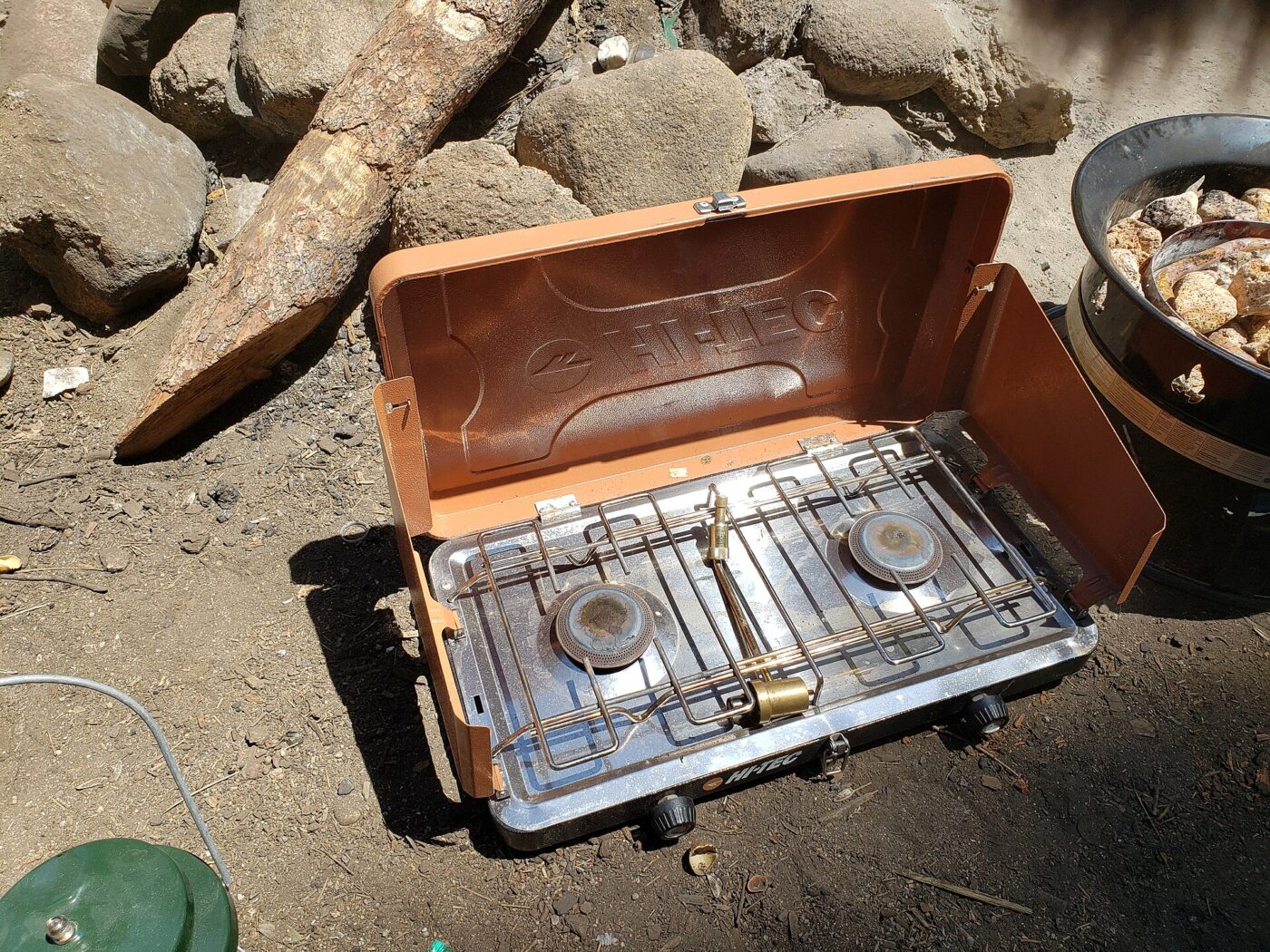
What makes the orders worth reading closely is that they name devices. The central Oregon restriction bans campfires, charcoal fires or any other type of open flame, and says that includes portable propane campfires and wood pellet burning devices. The same order allows commercially manufactured lanterns and metal camp stoves used for cooking when they are fueled with bottled propane or liquid fuel and operated responsibly. Two propane appliances, two different answers.
Trend Signal
60/100 Steady momentum
- Emerging
- Rising
- Mainstream
- Peaking
- Cooling
Seasonal fire orders now run for months and spell out which devices are exempt
The Bureau of Land Management’s central Oregon river restriction, announced May 11, 2026, covers May 13 through October 15, 2026 and bans portable propane campfires while allowing commercially made lanterns and metal camp stoves fueled by bottled propane or liquid fuel. It applies only to the BLM lands it names.
Our editorial reading of the cited data, not a forecast. How it is scored
By the numbers
- 77,850Wildfires reported in the United States in 2025, burning 5,131,474 acresNational Interagency Fire Center
- 69,556Of those 2025 wildfires that were human-caused, about 89% of the total countNational Interagency Fire Center
- 5 monthsLength of the BLM central Oregon campfire restriction, May 13 to October 15, 2026Bureau of Land Management
- $1,000Maximum fine in that order, alongside imprisonment of up to 12 monthsBureau of Land Management
What a fire restriction actually prohibits
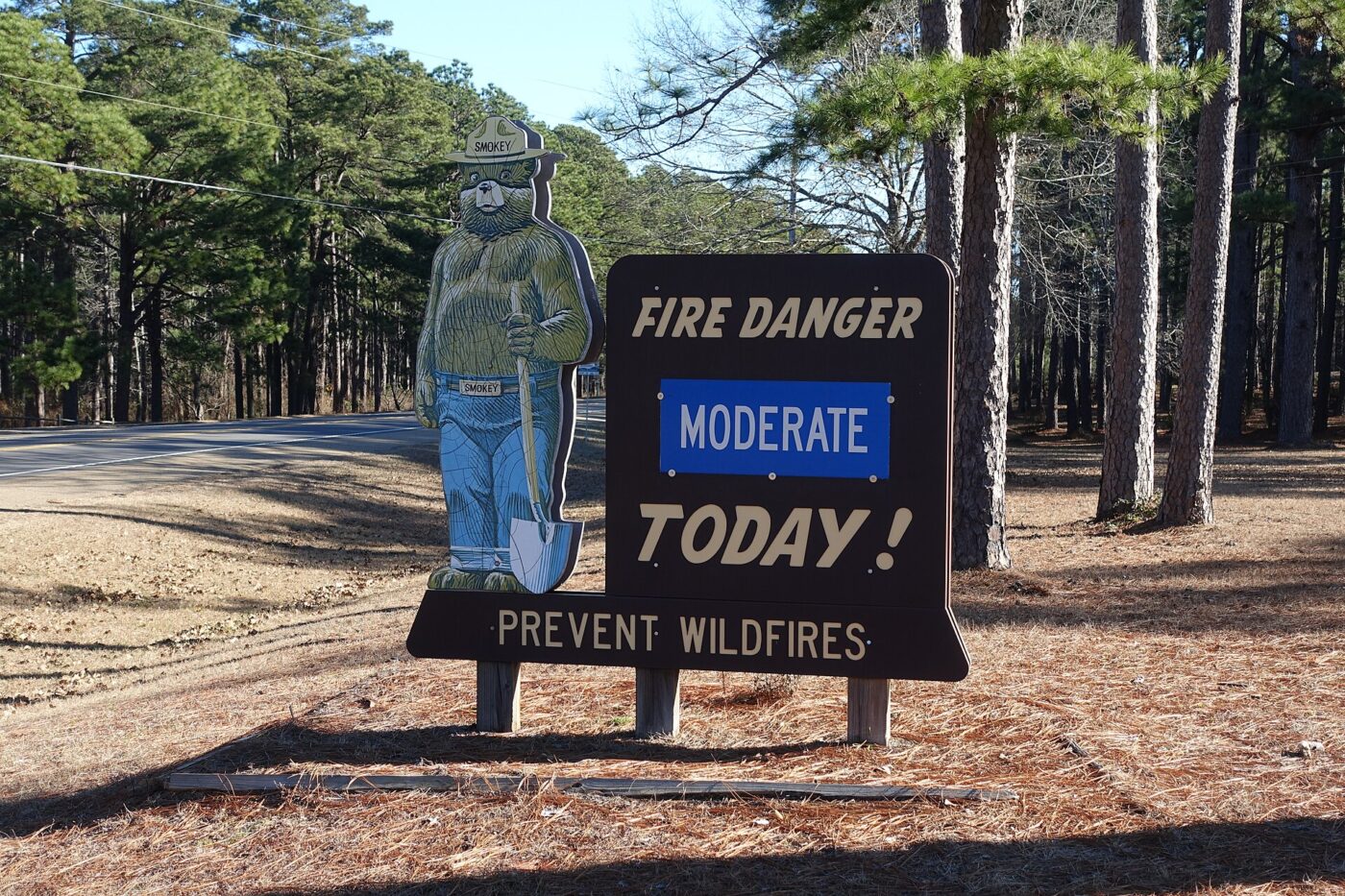
The central Oregon order is a good template. It prohibits campfires along portions of the Crooked, Deschutes, John Day and White rivers and on BLM lands around Lake Billy Chinook and Lake Simtustus, and defines the ban as campfires, charcoal fires or any other type of open flame, including portable propane campfires and wood pellet burning devices. Smoking is prohibited except inside a vehicle or on the water. Violations carry a fine of up to $1,000 or imprisonment of up to 12 months, or both.
Other orders reach past the fire ring. The BLM’s Vale District order, announced on June 27, 2025 and effective July 4, 2025, prohibited open fires of any sort in the Malheur and Baker resource areas, along with driving off existing routes or on roads where dried vegetation may touch a vehicle undercarriage, and the use of chain saws or blow torches or the cutting, grinding or welding of metal. Fireworks and exploding targets were already prohibited across the Oregon and Washington BLM region, the announcement said, from May 15, 2025.
The practical lesson is that these are legal orders with defined boundaries and dates, issued office by office. The restriction that applies to your campsite depends on which agency manages the ground you are standing on.
A fire order is specific to an area and a date range. Two campsites an hour apart can be under different rules.
The exemption that decides what you pack
Across orders, the exemption is written around control rather than fuel. Central Oregon allows commercially manufactured lanterns and metal camp stoves used for cooking when fueled with bottled propane or liquid fuel. The Vale District order allowed liquefied and bottle-gas stoves and heaters, but only within an area at least 10 feet in diameter that is clear of all flammable materials. The common thread is a manufactured device that shuts off instantly, standing on ground that will not carry a spark.
That is why the propane fire pit, the product most often sold as the answer to a fire ban, is the risky purchase. It has a valve, but its purpose is an open flame for sitting around, and the central Oregon order names portable propane campfires in the prohibition. Some jurisdictions do exempt them; others do not, and the wording changes between orders and between years.
Wood pellet fire devices, including the smokeless type, are named in the same prohibition. If a device burns solid fuel, assume it is treated as a campfire until an order says otherwise.
Why the orders keep coming
The National Interagency Fire Center counted 77,850 wildfires in the United States in 2025, burning 5,131,474 acres, after 64,897 fires and 8,924,884 acres in 2024 and 56,580 fires and 2,693,910 acres in 2023. Its National Fire News report put the year to date, covering January 1 through September 22, 2026, at 56,794 fires and 8,554,955 acres, already well above the full-year acreage of 2025, against 51,012 fires and 4,461,337 acres in the same period of 2025.
The cause data is what drives restrictions on campers. NIFC recorded 69,556 human-caused wildfires in 2025, about 89% of all wildfires that year, which burned 2,274,333 acres, or roughly 44% of the total area burned. Human-caused fires are a small share of the acreage in a bad lightning year and the overwhelming share of the ignitions.
That split explains why agencies restrict small, avoidable sources of ignition first. A campfire order costs a visitor one pleasant evening and removes a large number of possible starts.
| Year | Wildfires | Acres burned |
|---|---|---|
| 2023 | 56,580 | 2,693,910 |
| 2024 | 64,897 | 8,924,884 |
| 2025 | 77,850 | 5,131,474 |
| January 1–September 22, 2026 | 56,794 | 8,554,955 |
What to bring when fires are out
The kit that works under most orders is a manufactured stove with a valve for cooking, a bottled-fuel or battery lantern for light, and a plan for warmth that is clothing rather than flame. A canister stove boils water in the time a fire takes to catch, and it can be shut off when a ranger walks past.
Battery lanterns avoid the fuel question entirely, with one caution: they are lithium-ion products. On January 15, 2026 the Consumer Product Safety Commission announced a recall of about 4,100 Energizer rechargeable lanterns sold between January and November 2025 because the lithium-ion batteries can overheat, and told owners not to put them in household trash or curbside recycling.
Two habits are worth more than any purchase. Check the managing agency’s alerts page within a day or two of leaving, because orders are announced and rescinded on short notice, and carry the stove instructions so that a question about what is permitted has an answer printed on paper.
What to watch next
- The alerts page of the agency that manages your destination, since orders are issued and lifted office by office.
- Whether more orders copy the central Oregon wording that names portable propane campfires, which would narrow what that product is good for.
- NIFC year-to-date acreage against 2025, which drives how early restrictions start the following season.
Where to start
Paid links: we earn a commission if you buy through the buttons below, at no extra cost to you. As an Amazon Associate I earn from qualifying purchases.
Camp gear compared on how fire orders usually treat it
| Product type | Good fit for | Where to look |
|---|---|---|
| Canister camp stove | Fits cooking under most orders | See listings on AmazonOpens Amazon search results, not one listing: check the model on the product page. |
| Propane camping lantern | Fits light with bottled fuel | See listings on AmazonOpens Amazon search results, not one listing: check the model on the product page. |
| Rechargeable LED lantern | Fits sites with no open flame at all | See listings on AmazonOpens Amazon search results, not one listing: check the model on the product page. |
Product types that fit the trend described above, not tested models. Check the exact listing before you buy. How we pick them.
Canister camp stove
Where to look: Amazon
The device most fire orders are written around: a commercially manufactured stove with a valve. Match the cartridge type to the stove and keep the instructions with it.
- Shuts off instantly
- Named as exempt in many orders
- Cartridges add cost
- Poor in strong wind
Propane camping lantern
Where to look: Amazon
Central Oregon allows commercially manufactured lanterns fueled with bottled propane or liquid fuel. That wording is not universal, so read the order for the area you are visiting.
- Bright for a camp table
- Uses the same bottles as the stove
- Still an open flame device
- Mantles are fragile
Rechargeable LED lantern
Where to look: Amazon
The simplest answer where every flame is prohibited. Treat it as a battery product: check it against open recalls and dispose of it through hazardous waste collection rather than the curb.
- No fuel question at all
- Safe inside a tent
- Lithium cells need care
- Output claims run high
More: Travel and Adventure trends and how the Trend Signal is scored.
Sources
- Annual campfire restrictions start on BLM rivers in central Oregon — Bureau of Land Management
- Fire restrictions in the Vale District effective July 4 — Bureau of Land Management
- Wildfire statistics, total fires and acres — National Interagency Fire Center
- National Fire News, year-to-date statistics — National Interagency Fire Center
- Human-caused wildfire statistics — National Interagency Fire Center
- Energizer recalls rechargeable lanterns due to overheating — U.S. Consumer Product Safety Commission
Questions readers ask
Are propane fire pits allowed during a fire ban?
Not always. The BLM central Oregon restriction in effect from May 13 to October 15, 2026 explicitly included portable propane campfires in its prohibition on open flame, while allowing lanterns and camp stoves. Other orders exempt them, so read the specific order.
Can I use a camp stove when campfires are banned?
Usually yes, with conditions. The central Oregon order allows commercially manufactured metal camp stoves used for cooking when fueled with bottled propane or liquid fuel, and the BLM Vale District order effective July 4, 2025 allowed bottled-gas stoves and heaters within an area at least 10 feet in diameter clear of flammable materials.
How long do fire restrictions last?
Longer than most people expect. The central Oregon river restriction announced on May 11, 2026 covers May 13 through October 15, 2026, the whole camping season, and agencies can add or lift restrictions within that window.
What is the penalty for a campfire during a restriction?
The central Oregon order states a fine of not more than $1,000 or imprisonment of not more than 12 months, or both. Penalties are set in the order itself, so they vary by agency and area.