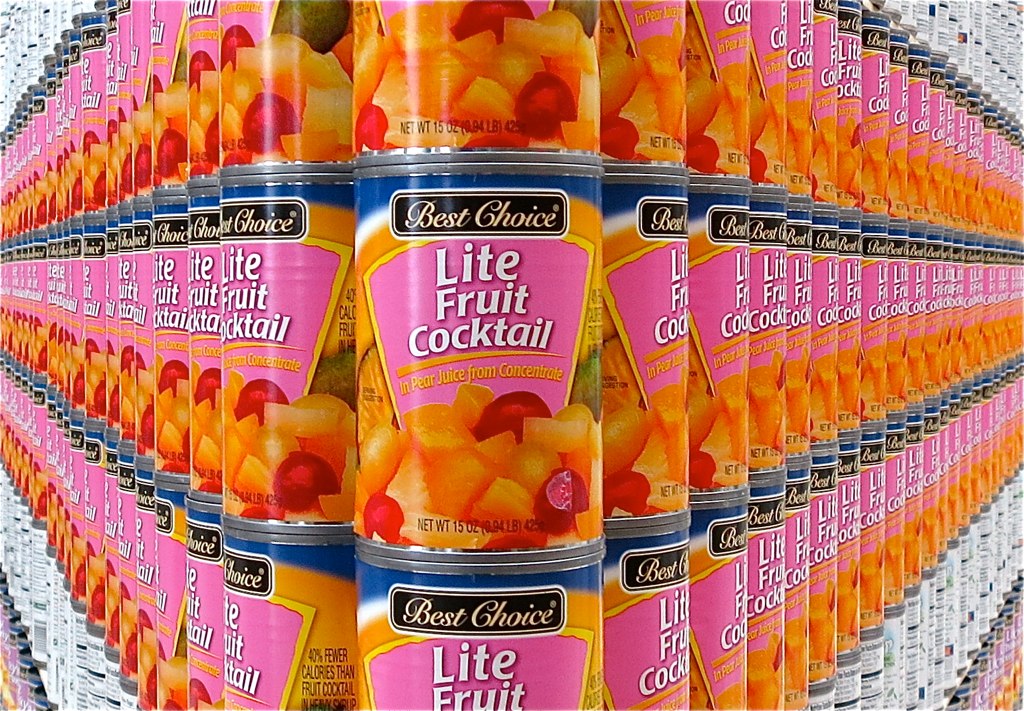
A can of beans is one of the least interesting objects in a grocery cart, and one of the few whose price is set partly in a steel mill. The thin coated steel a food can is made from, called tin mill steel, is covered by the Section 232 tariffs on steel, and the Can Manufacturers Institute says domestic canmakers get nearly 80% of it from trading partners. That cost does not sit in the corn. It sits in the container.
In 2026 that turned into a visible gap on the shelf. The duties that applied to coffee, spices and tropical fruit were imposed under the International Emergency Economic Powers Act, struck down by the Supreme Court on February 20, 2026, and are being refunded to importers. The metal tariffs were imposed under Section 232 of the Trade Expansion Act of 1962, survived, and were restructured in April 2026 in a way the can industry called a loss.
Trend Signal
60/100 Steady momentum
- Emerging
- Rising
- Mainstream
- Peaking
- Cooling
Canned goods are outpacing frozen while the metal tariff stays in place
Canned fruits and vegetables rose 4.0% in the 12 months to August 2026 against 2.3% for frozen vegetables and 2.2% for all food at home, and the April 2026 revision of the Section 232 metal tariffs left filled food cans off the derivative list.
Our editorial reading of the cited data, not a forecast. How it is scored
By the numbers
- 4.0%US price increase for canned fruits and vegetables in the year to August 2026Bureau of Labor Statistics
- 2.3%US price increase for frozen vegetables over the same 12 monthsBureau of Labor Statistics
- 310 bpsTariff hit to Campbell’s gross margin in the quarter ended May 3, 2026SEC filing
- 80%Share of tin mill steel US canmakers source abroad, per the Can Manufacturers InstitutePackaging Dive
What the April 2026 revision changed
Proclamation 11021 of April 2, 2026 rewrote the Section 232 metal tariffs for goods entered on or after April 6, 2026. The duties now apply to the full customs value of aluminum, steel and copper articles and their derivatives, regardless of metal content: 50% on the metal articles and generally 25% on the derivative articles in its annexes. Commerce and the Trade Representative may add further derivative articles on a rolling basis, and the proclamation says that covers metal containers even when filled.
For cans the change cut both ways. Packaging Dive reported that aluminum lids qualified for the lower 25% derivative rate while aluminum sheet, foil and containers stayed at 50%. The Can Manufacturers Institute (CMI), which had asked for filled food and beverage cans to be added to the derivative list, was completely denied. CMI president Scott Breen said the adjustments keep the status quo, and the group put the imported share of the tin mill steel its members use at nearly 80%.
The timing is what makes this a shift. On February 20, 2026 the Supreme Court held in Learning Resources, Inc. v. Trump (No. 24-1287) that the International Emergency Economic Powers Act does not authorize the President to impose tariffs, removing the duties applied to imported food. The metal tariffs sit under Section 232 of the Trade Expansion Act of 1962, were not part of that case, and US Customs and Border Protection says they are retained and collected as usual, alongside antidumping and countervailing duties.
The Section 232 tariff that raises the price of a can is not the IEEPA one that was struck down and refunded.
Why the can, not the corn, sets the price
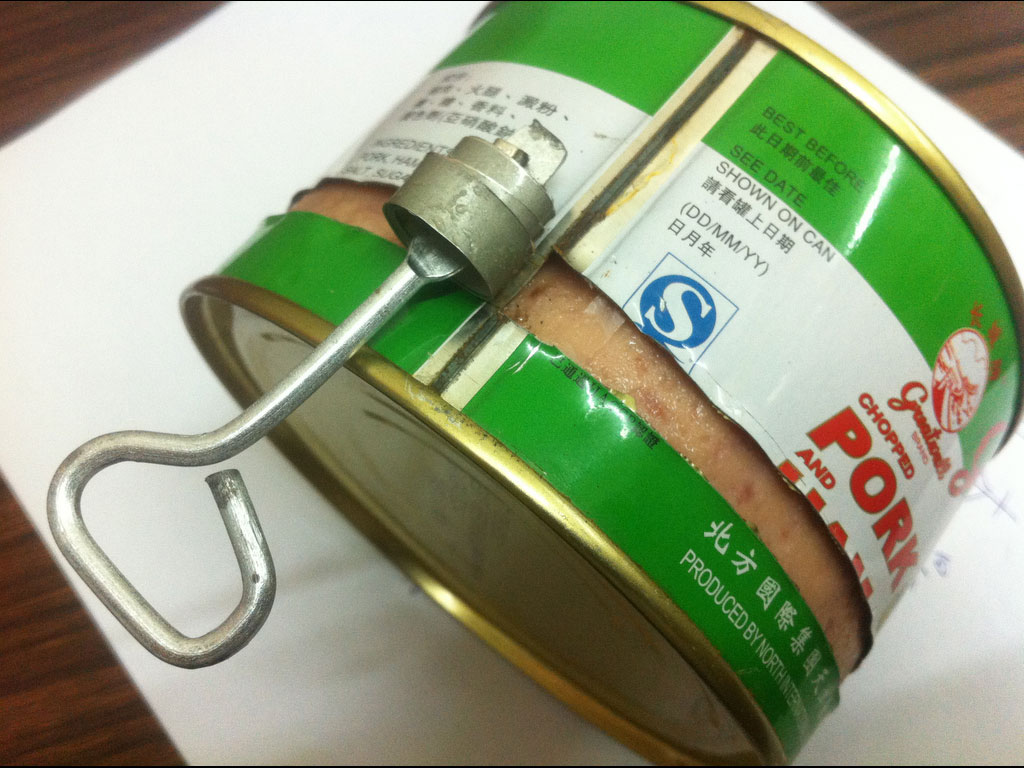
The clearest evidence is the split between two versions of the same vegetable. In the 12 months to August 2026, the consumer price index for canned fruits and vegetables rose 4.0% and canned vegetables on their own rose 4.0%, while frozen vegetables rose 2.3%. All food at home rose 2.2% over the same period. Frozen produce travels in plastic bags and cartons; canned produce travels in metal.
The gap is not uniform, which is a useful check against reading too much into one line. Soups, also sold in steel cans, rose only 1.0% over the same 12 months, a category with heavy promotional activity and small pack sizes. Dried beans, peas and lentils, which need no can at all, rose 3.5%. Whatever the metal is doing, it is sitting on top of ordinary grocery inflation rather than replacing it. The gap between canned and frozen is 1.7 percentage points on our subtraction of the two BLS figures, which sounds small on one tin and compounds for as long as the Section 232 duty holds.
| Grocery category | 12-month price change to August 2026 |
|---|---|
| Canned fruits and vegetables | +4.0% |
| Canned vegetables | +4.0% |
| Dried beans, peas and lentils | +3.5% |
| Frozen vegetables | +2.3% |
| Soups | +1.0% |
| All food at home | +2.2% |
What it is doing to the companies that fill the cans
Campbell’s quarterly filing with the SEC puts a number on it. For the quarter ended May 3, 2026, gross profit fell to 27.5% of sales from 29.4% a year earlier, and the company attributed an estimated negative margin impact of 310 basis points to the gross impact of tariffs, which it does not break down by statute. Over the nine-month period the equivalent figure was 240 basis points. Campbell’s put the net earnings impact at about $0.07 per share in the quarter and about $0.17 per share across the nine months.
There is a precedent for what follows. Writing in 2023 in Choices, the magazine of the Agricultural and Applied Economics Association, researchers traced the 25% Section 232 steel tariff imposed in March 2018: tin-plated steel imports fell 19% across 2018 to 2020 against 2017, and canned fruit and vegetable prices, which had been drifting down from 2015 to 2018, rose persistently afterward. The same article cited a 2018 estimate from the Commerce Secretary of roughly 2.6 cents of steel in a can of Campbell’s soup. Two and a half cents is a rounding error on a receipt and a real number on a line running millions of cans.
Where the money is on the shelf
The substitution that saves the most is dried beans, and it is not free either. The BLS average-price series put dried beans of any type at $1.630 a pound in August 2026 against $1.547 a year earlier, a rise of 5.4% on our calculation. A pound of dried beans still yields far more cooked servings than a pound of canned, so the cost per serving is not close.
Frozen is the easier swap for anyone with freezer space, and the price data back it. It works for peas, corn, spinach and green beans, and less well for tomatoes, where the alternative is a glass jar rather than a frozen bag.
Who should change what they buy
If you cook from a pantry and have freezer room, move the vegetables where texture does not matter to frozen and leave the tomatoes, beans and fish in cans. That captures most of the price gap without giving up what cans do better: shelf life measured in years and storage that needs no power.
If you have no freezer space, the lever is pack size and cooking time rather than format. Dried beans and lentils cost far less per cooked serving than canned even after a 5.4% year, and they are the only staple in this group whose cost is not tied to the Section 232 metal tariffs. What is not worth doing is stockpiling cans on the theory that the duty is about to bite harder: the 4.0% figure is already the Section 232 duty working through.
What to watch next
- Whether filled food and beverage cans are added to the steel derivative list in a later rolling review.
- The gap between canned and frozen vegetables in the monthly BLS consumer price index table.
- Campbell’s next quarterly SEC filing, for whether the tariff drag on gross margin, which it does not split by statute, narrows from 310 basis points.
Where to start
Paid links: we earn a commission if you buy through the buttons below, at no extra cost to you. As an Amazon Associate I earn from qualifying purchases.
Pantry staples compared on the things that actually differ
| Product type | Good fit for | Where to look |
|---|---|---|
| Dried beans in a bulk bag | Fits the lowest cost per serving | See listings on AmazonOpens Amazon search results, not one listing: check the model on the product page. |
| Shelf-stable fish in pouches | Fits small kitchens and lunches | See listings on AmazonOpens Amazon search results, not one listing: check the model on the product page. |
| Tomatoes in glass jars | Fits cooks who skip metal cans | See listings on AmazonOpens Amazon search results, not one listing: check the model on the product page. |
Product types that fit the trend described above, not tested models. Check the exact listing before you buy. How we pick them.
Dried beans in a bulk bag
Where to look: Amazon
The only staple in this group whose cost is not tied to the Section 232 metal tariffs. It asks for planning rather than money.
- Far more cooked servings per pound
- No metal in the price
- Needs soaking and long cooking
- Prices still rose 5.4% in a year
Shelf-stable fish in pouches
Where to look: Amazon
Pouches sidestep tin mill steel entirely. Compare the drained weight on the pouch with the drained weight on the can before deciding.
- No can opener needed
- Lighter to carry and store
- Smaller portions per unit
- Often costs more per ounce
Tomatoes in glass jars
Where to look: Amazon
Glass is the practical alternative for tomatoes, where frozen is not a like-for-like swap. The weight penalty suits people who shop by car or buy online.
- Reseals for leftovers
- No metal lining question
- Heavy and breakable
- Usually a higher price per ounce
More: Food and Drink trends and how the Trend Signal is scored.
Sources
- Table 2. Consumer Price Index for All Urban Consumers, August 2026 — U.S. Bureau of Labor Statistics
- Metal tariff adjustments are not a win for packaging, trade groups say — Packaging Dive
- The Campbell’s Company, Form 10-Q for the quarter ended May 3, 2026 — U.S. Securities and Exchange Commission
- Uncovering the Impacts of Steel Tariffs on the Canned Foods Sector — Choices, Agricultural and Applied Economics Association
- Average retail food and energy prices, U.S. city average — U.S. Bureau of Labor Statistics
- Opinions of the Court, October Term 2025 — Supreme Court of the United States
- Proclamation 11021: Strengthening Actions Taken To Adjust Imports of Aluminum, Steel, and Copper — Federal Register via GovInfo
- Court-Ordered Refunds Under the International Emergency Economic Powers Act Worksheet — U.S. Customs and Border Protection via GovInfo
Questions readers ask
Why are canned goods more expensive than frozen in 2026?
The container. In the 12 months to August 2026 US canned fruits and vegetables rose 4.0% and frozen vegetables rose 2.3%, against 2.2% for all food at home. Tin mill steel, which food cans are made from, is covered by the Section 232 metal tariffs, and the Can Manufacturers Institute says its members import nearly 80% of it.
Did the Supreme Court ruling lower grocery tariffs?
It removed one set of them. On February 20, 2026 the Court held in Learning Resources, Inc. v. Trump (No. 24-1287) that the International Emergency Economic Powers Act does not authorize the President to impose tariffs. The metal tariffs on steel and aluminum sit under Section 232 of the Trade Expansion Act of 1962, were not part of that ruling, and CBP says they are still collected.
Are dried beans still cheaper than canned?
Per cooked serving, yes, by a wide margin, because a pound of dried beans yields several pounds cooked. BLS put dried beans at $1.630 a pound in August 2026, up 5.4% from a year earlier, while canned vegetables rose 4.0%.
Will can prices come down if the rules change again?
Only if the inputs change. The April 2026 Section 232 revision denied the request to add filled food cans to the derivative list, so the cost sits with US canmakers buying imported tinplate at the top rate. Proclamation 11021 lets Commerce add derivative articles later on a rolling basis, and says that authority covers filled metal containers.