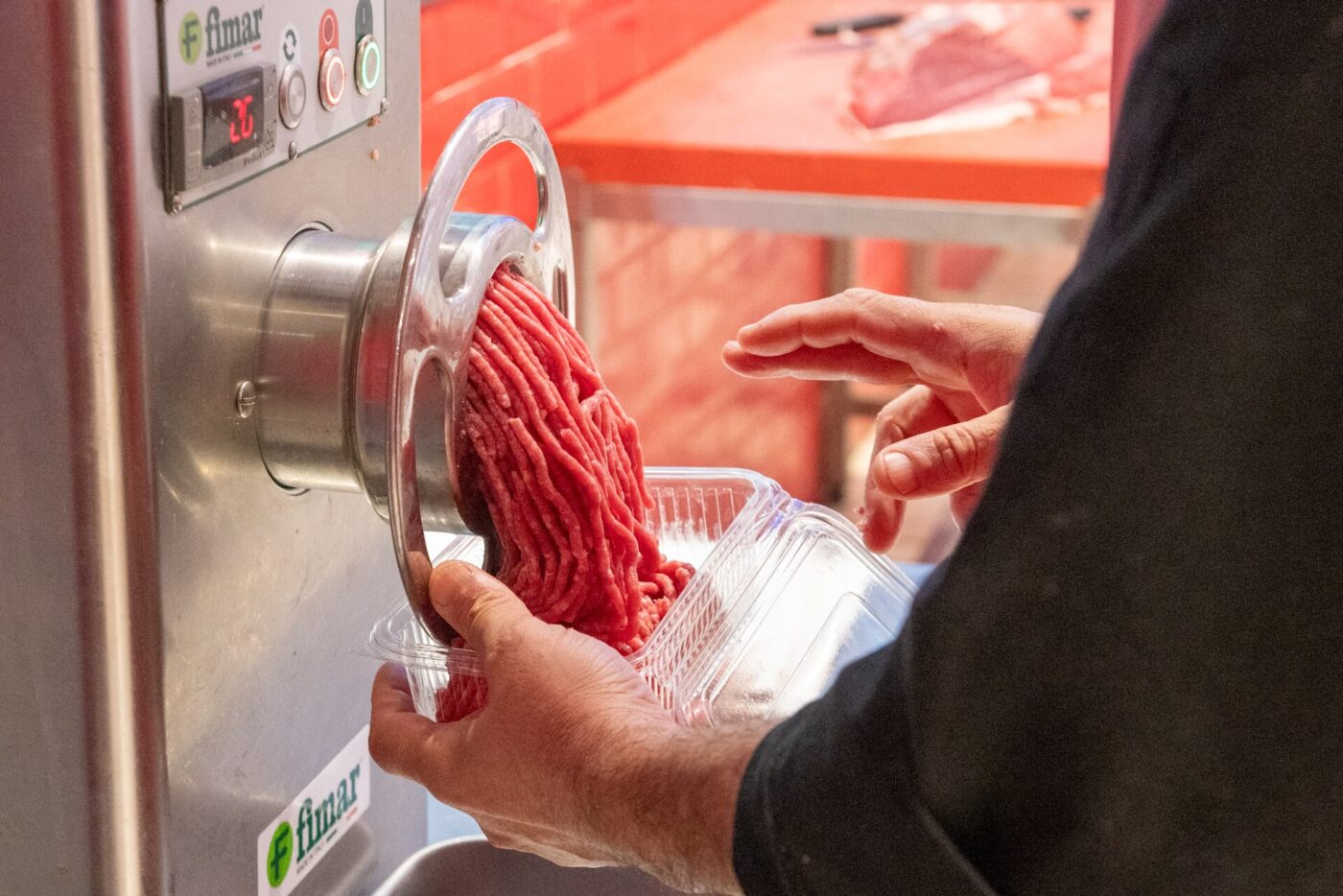
Beef has become the most expensive corner of the meat case, and the numbers keep moving the same way. The BLS average price for 100% ground beef reached $6.92 a pound in August 2026, the highest in a series that starts in 1984, compared with $6.32 in August 2025 and $3.82 in August 2019. Boneless chuck roast averaged $9.45 a pound and all uncooked beef steaks $12.81.
For households with freezer space, buying a quarter or half of a steer from a farm or local processor is the obvious alternative. The catch is that a quote per pound of carcass is not a price per pound of meat you take home. This brief walks through the yield math, the break-even price and the freezer you need, using USDA data and South Dakota State University Extension guidance.
Trend Signal
74/100 Strong momentum
- Emerging
- Rising
- Mainstream
- Peaking
- Cooling
Beef prices still climbing as the herd stays small
Ground beef averaged $6.92 a pound in August 2026, the highest in BLS data going back to 1984, and USDA forecasts beef and veal prices up 9.8% for 2026 with the beef cow herd down 1% on July 1.
Our editorial reading of the cited data, not a forecast. How it is scored
By the numbers
- $6.92Average price of 1 lb of 100% ground beef, U.S. city average, August 2026BLS via FRED
- +9.8%USDA forecast for 2026 beef and veal retail prices, August 2026 outlookUSDA ERS
- 28.5MU.S. beef cows on July 1, 2026, down 1% from a year earlierUSDA NASS
- 65%Typical share of carcass weight that becomes retail cuts and lean trimSDSU Extension
Why beef keeps getting more expensive
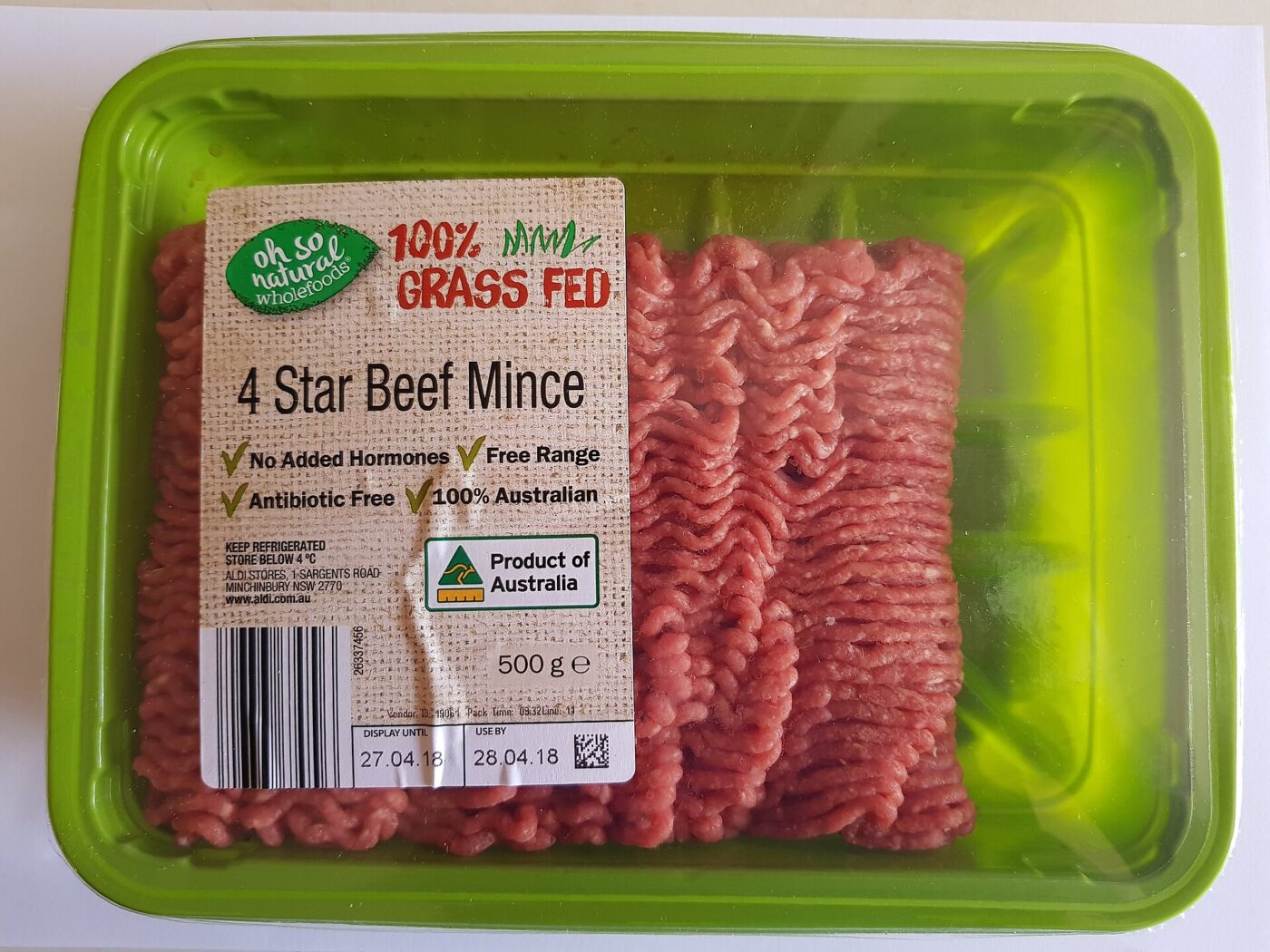
The short answer is cattle supply. USDA’s National Agricultural Statistics Service counted 86.2 million cattle and calves on January 1, 2026, slightly below a year earlier, with beef cows down 1% to 27.6 million and the 2025 calf crop down 2% to 32.9 million head. Its July 1, 2026 count showed beef cows at 28.5 million, again 1% lower than a year earlier, and a 2026 calf crop expected to be 2% smaller at 32.5 million.
There is an early sign of rebuilding: beef replacement heifers, the young females kept for breeding, rose 3% to 3.80 million on July 1. Heifers kept for the herd are heifers not sent to slaughter, so rebuilding tightens supply before it adds to it. USDA’s Economic Research Service reported federally inspected beef production down almost 5% in July 2026 and forecasts retail beef and veal prices up 9.8% for 2026, with a forecast interval of 7.0% to 12.6%. In July 2026, beef and veal prices were already 9.4% above a year earlier.
Nothing in the USDA data points to cheaper beef before the end of 2026.
Hanging weight is not what goes in your freezer

When a farm quotes a price per pound of hanging weight, it means the weight of the carcass before cutting. SDSU Extension’s worked example starts with a 1,200-pound steer that dresses at about 63%, giving a 750-pound carcass. After cutting, about 65% of that carcass, roughly 490 pounds, becomes boneless, trimmed retail cuts and lean trim; fat trim accounts for about 150 pounds and bone about 110. SDSU puts the retail yield range at roughly 55% to 75%, depending on fatness, muscling and how the carcass is cut.
SDSU’s example splits the 490 pounds into 185 pounds of lean trim for ground beef, 85 pounds of round roasts and steaks, 90 pounds of chuck roasts and steaks, 80 pounds of rib and loin steaks and 50 pounds of other cuts such as brisket, flank, short ribs and skirt steak. Unless you arrange otherwise, SDSU notes, a quarter is one-fourth of the meat from a carcass. Divided by four, by our arithmetic, the 750-pound example gives a quarter of about 187 hanging pounds and roughly:
- 122 pounds of packaged beef in total
- 46 pounds of ground beef
- 22 pounds of chuck and 21 pounds of round roasts and steaks
- 20 pounds of rib and loin steaks, plus about 12 pounds of other cuts
The break-even price per hanging pound
To compare a quote with the store, we priced SDSU’s cut mix at BLS August 2026 averages: ground beef at $6.92 for the lean trim and the other cuts, boneless round roast at $8.96, boneless chuck roast at $9.45, and the all-steaks average of $12.81 for rib and loin steaks. That values the 490-pound example at about $8.70 a pound. Pricing brisket and short ribs at the ground beef rate, and ribeyes and strips at the all-steaks average, keeps the estimate conservative.
Multiply that store value by the take-home yield and you get the most you can pay per hanging pound, processing included, and still come out ahead. If your farm quotes a hanging price plus a separate cut-and-wrap fee, add the two before comparing. SDSU also notes that many processors charge extra for vacuum packaging, extra-lean grinds and items such as patties or sausage.
| Take-home yield | Break-even all-in price per hanging lb | Store value of a 187-lb quarter |
|---|---|---|
| 60% | $5.22 | About $980 |
| 65% | $5.66 | About $1,060 |
| 70% | $6.09 | About $1,140 |
An all-in quote under about $5.66 per hanging pound beats August 2026 store prices for a typical quarter.
Freezer space and the cut sheet
SDSU Extension says a 5-cubic-foot freezer will hold a quarter of a beef carcass with room to reach most of the contents. The processor will also ask you to fill out a cut sheet. SDSU points out that you cannot get both bone-in and boneless versions of the same cut because they come from the same muscles, that you should ask the butcher’s standard lean target before choosing lean or extra-lean ground beef, and that ground beef usually comes in 1-, 1.5- or 2-pound packages in paper, vacuum or chub packaging.
Plan for the mix, not the steaks. In SDSU’s example, ground beef is about 38% of the take-home weight and rib and loin steaks about 16% by our arithmetic, so a household that mostly buys steaks gets far less of what it wants than the total weight suggests. For roasts, SDSU’s rule of thumb is half a pound per serving.
Who should buy now and who should wait
Buy now if you have the freezer space, eat a lot of ground beef and roasts, and can get an all-in quote under the break-even for your expected yield. With USDA forecasting further increases and the beef cow herd still smaller on July 1 than a year earlier, waiting has not paid off in 2026 so far.
Wait, or keep buying cuts on sale, if your household mostly eats steaks, if you would need a freezer bought only for this, or if the processor’s fees push the all-in price past the break-even. The cost of a new freezer counts against the savings on your first quarter.
What to watch next
- USDA NASS’s next January 1 cattle inventory, for the first sign that the beef cow count has stopped falling
- The BLS ground beef average in the CPI release FRED lists for October 14, 2026
- Monthly USDA ERS Food Price Outlook revisions to its 9.8% beef and veal forecast for 2026
Where to start
Paid links: we earn a commission if you buy through the buttons below, at no extra cost to you. As an Amazon Associate I earn from qualifying purchases.
Gear for storing a quarter share
| Product type | Good fit for | Where to look |
|---|---|---|
| Chest freezer, about 5 cubic feet | Fits a quarter share | See listings on AmazonOpens Amazon search results, not one listing: check the model on the product page. |
| Vacuum sealer | Fits repacking bulk packs | See listings on AmazonOpens Amazon search results, not one listing: check the model on the product page. |
| Chest freezer organizer baskets | Fits keeping cuts findable | See listings on AmazonOpens Amazon search results, not one listing: check the model on the product page. |
Product types that fit the trend described above, not tested models. Check the exact listing before you buy. How we pick them.
Chest freezer, about 5 cubic feet
Where to look: Amazon
The one piece of gear most buyers need. Check the interior capacity, not just the exterior size, and whether the model is rated for a garage if that is where it will sit.
- About 5 cubic feet holds a quarter, per SDSU Extension
- Chest layout suits bulky packages
- Needs floor space and an outlet
- Items at the bottom are hard to reach
Vacuum sealer
Where to look: Amazon
Worth it if your processor wraps in paper or packs in sizes too large for your household. Compare its cost with the processor’s vacuum-packing fee first.
- Splits large packs into meal sizes
- Useful well beyond beef
- Bags are an ongoing cost
- Processors can vacuum-pack for a fee instead
More: Food and Drink trends and how the Trend Signal is scored.
Sources
- Average Price: Ground Beef, 100% Beef, U.S. City Average — BLS via FRED
- Average Price: Chuck Roast, USDA Choice, Boneless, U.S. City Average — BLS via FRED
- Average Price: Round Roast, USDA Choice, Boneless, U.S. City Average — BLS via FRED
- Average Price: All Uncooked Beef Steaks, U.S. City Average — BLS via FRED
- Food Price Outlook: Summary Findings, August 2026 — USDA Economic Research Service
- Cattle, released July 24, 2026 — USDA National Agricultural Statistics Service
- Cattle, released January 30, 2026 — USDA National Agricultural Statistics Service
- How Much Meat Can You Expect from a Fed Steer? — SDSU Extension
- Freezer Beef: What Cuts Are Available? — SDSU Extension
Questions readers ask
How much meat do you get from a quarter cow?
In SDSU Extension’s example, a 750-pound carcass yields about 490 pounds of boneless, trimmed beef at a 65% yield. By our arithmetic, a quarter of that is about 187 hanging pounds and roughly 122 pounds of packaged beef, including about 46 pounds of ground beef and 20 pounds of rib and loin steaks.
What size freezer do I need for a quarter cow?
SDSU Extension says a 5-cubic-foot freezer will hold a quarter of a beef carcass with room to access most of the contents.
Is a quarter cow cheaper than the grocery store in 2026?
It depends on the all-in price per hanging pound. By our calculation, priced at BLS August 2026 averages, SDSU’s typical cut mix is worth about $8.70 a pound at retail, so at a 65% yield the break-even is about $5.66 per hanging pound including processing fees.
Why are beef prices so high in 2026?
The cattle herd is small. USDA counted 28.5 million beef cows on July 1, 2026, down 1% from a year earlier, expects a 2% smaller calf crop, and reported federally inspected beef production down almost 5% in July 2026. Its Economic Research Service forecasts beef and veal prices up 9.8% for 2026.