Craft glue is the least examined purchase in a craft cupboard. It costs a few dollars, it is bought on autopilot, and the back of the bottle is a wall of small print. Two of those lines carry legal weight in the United States, one is a trade association seal, and one is a marketing phrase with no federal definition at all.
A recall announced on January 29, 2026 is a clean illustration of the difference. The Consumer Product Safety Commission recalled about 21,170 bottles of a craft silicone glue because the product was labeled Non-Toxic when it should not have been, lacked a flammability warning, and was sold in packaging that federal rules say should have been child-resistant. Here is how to read the bottle.
Trend Signal
45/100 Steady momentum
- Emerging
- Rising
- Mainstream
- Peaking
- Cooling
A January 2026 recall shows the label can simply be wrong
CPSC announced a recall of about 21,170 bottles of a craft silicone glue on January 29, 2026 because the methanol inside was not in child-resistant packaging and the bottle was labeled Non-Toxic without a highly flammable hazard statement.
Our editorial reading of the cited data, not a forecast. How it is scored
By the numbers
- 21,170Bottles of one craft glue recalled by CPSC on January 29, 2026 over packaging and labelingConsumer Product Safety Commission
- 5 yearsMaximum gap between chronic-hazard reviews of an art material required by LHAMAConsumer Product Safety Commission
- 200+Manufacturers, retailers and licensees in the ACMI art material certification programArt and Creative Materials Institute
- 6.2%Producer price index change for adhesives and sealants, August 2025 to August 2026Bureau of Labor Statistics
The line on the bottle that is a legal statement
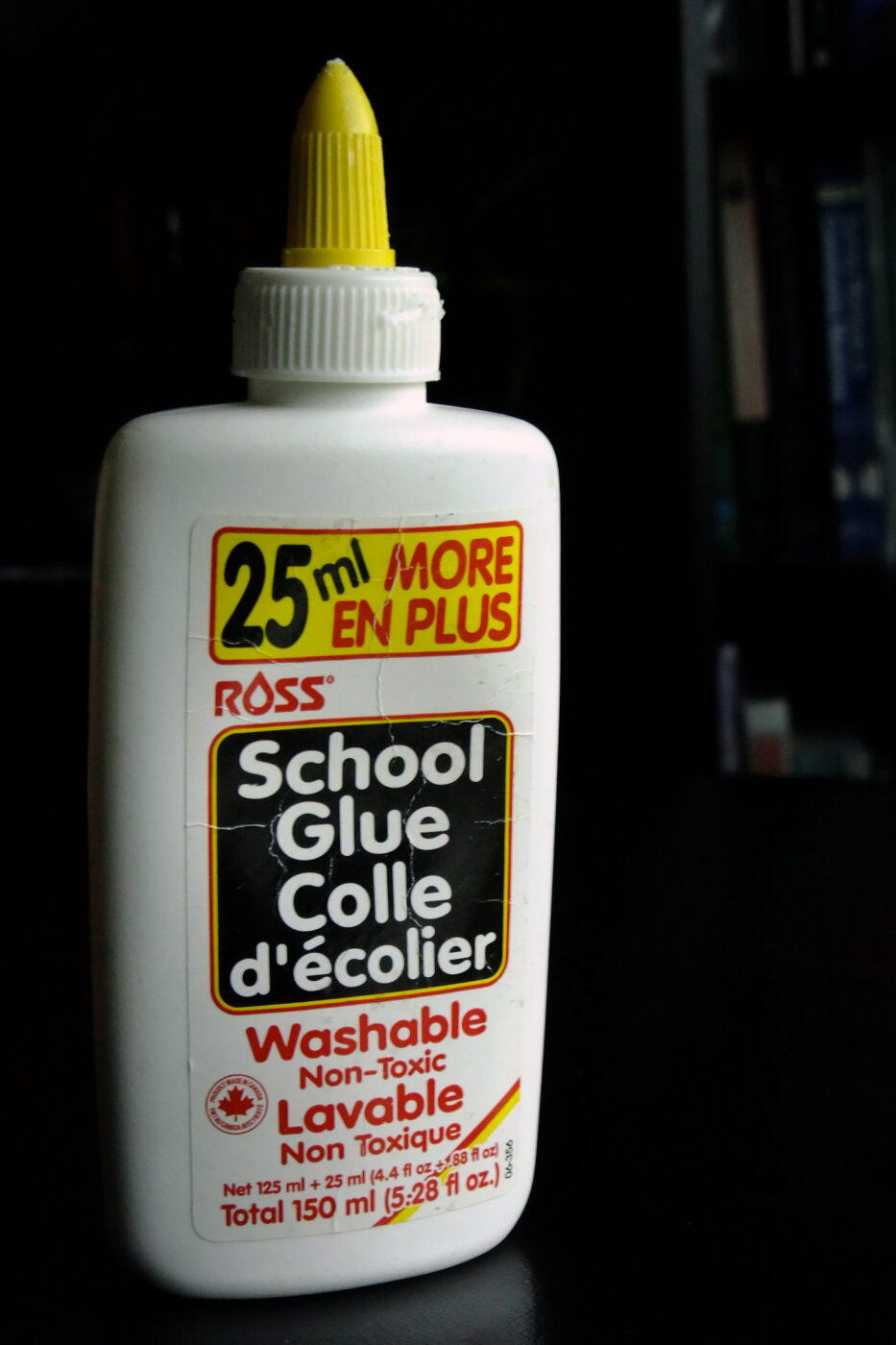
The Labeling of Hazardous Art Materials Act, enacted November 18, 1988, made the version of ASTM D-4236 in effect on that date a Commission regulation under the Federal Hazardous Substances Act as of November 18, 1990. CPSC reproduces the requirements at 16 CFR 1500.14(b)(8) and defines an art material as any substance marketed or represented as suitable for use in any phase of the creation of any work of visual or graphic art of any medium and packaged in sizes intended for consumers. A bottle of craft glue sold for scrapbooking or model work sits squarely inside that definition.
Every art material, hazardous or not, has to carry a statement of conformance. CPSC accepts three wordings: Conforms to ASTM Practice D-4236, Conforms to ASTM D-4236, or Conforms to the health requirements of ASTM D-4236. The agency says the statement must be placed on the product whenever practicable, and otherwise on the package, on a display or sign at the point of purchase, in separate explanatory literature available at the point of purchase, or in a response to a formal request for bid.
Behind that line sits a toxicological assessment that has to be redone at least every five years, and the criteria used for it must be submitted to CPSC’s Division of Regulatory Enforcement along with a list of any art materials that require chronic hazard labeling. The conformance line means someone reviewed the formula against a standard and filed the criteria. It does not mean the contents are safe to swallow.
Conforms to ASTM D-4236 means the formula was reviewed on a schedule, not that it is harmless.
What non-toxic does not promise
The January 2026 recall shows the gap. CPSC said the recalled glue contains methanol, which must be in child-resistant packaging as required by the Poison Prevention Packaging Act, and that the packaging was not child-resistant, posing a risk of serious injury or death from poisoning if the contents are swallowed by young children. The agency added that the product violated Federal Hazardous Substances Act labeling requirements because it was incorrectly labeled as Non-Toxic and because it lacked a highly flammable hazard statement.
Three failures sit in that sentence, and they map onto three things a buyer can check: the closure, the hazard statement and the toxicity claim. The recalled bottles were sold nationwide through wholesale and craft retailers and online at Amazon.com and Walmart.com between May 2025 and October 2025 for about $3, with a refund as the remedy.
The lesson is not that craft glue is dangerous. It is that a $3 bottle passing through a wholesale chain onto a marketplace listing carries the same labeling obligations as anything else, and that the words on the front are the least reliable part of it.
The seals, and what they are not
Alongside the federal statement, many craft adhesives carry a seal from the Art and Creative Materials Institute, a trade group that says it comprises more than 200 art, craft and creative material manufacturers, retailers and licensees, and that its certification program works to protect students, artists and creatives. Its two seals are the Approved Product seal and the Cautionary Labeling seal.
A seal is a membership-based certification, not a federal grade. It signals that a manufacturer has put the product through the institute’s evaluation process and labeled it accordingly. The absence of a seal does not mean a product is unlawful, and the presence of one does not replace the conformance statement that federal rules require.
The practical use of a seal is narrow: it is a quick filter when buying for a classroom, because a cautionary labeling seal shows at a glance that the maker has flagged a hazard.
Matching the glue to the job
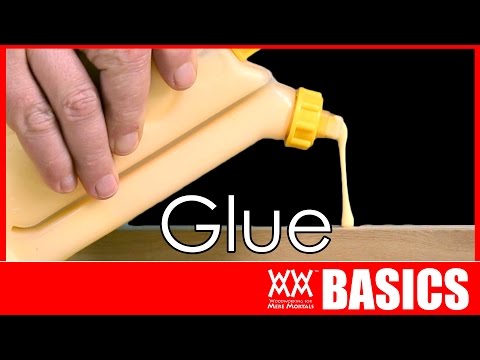
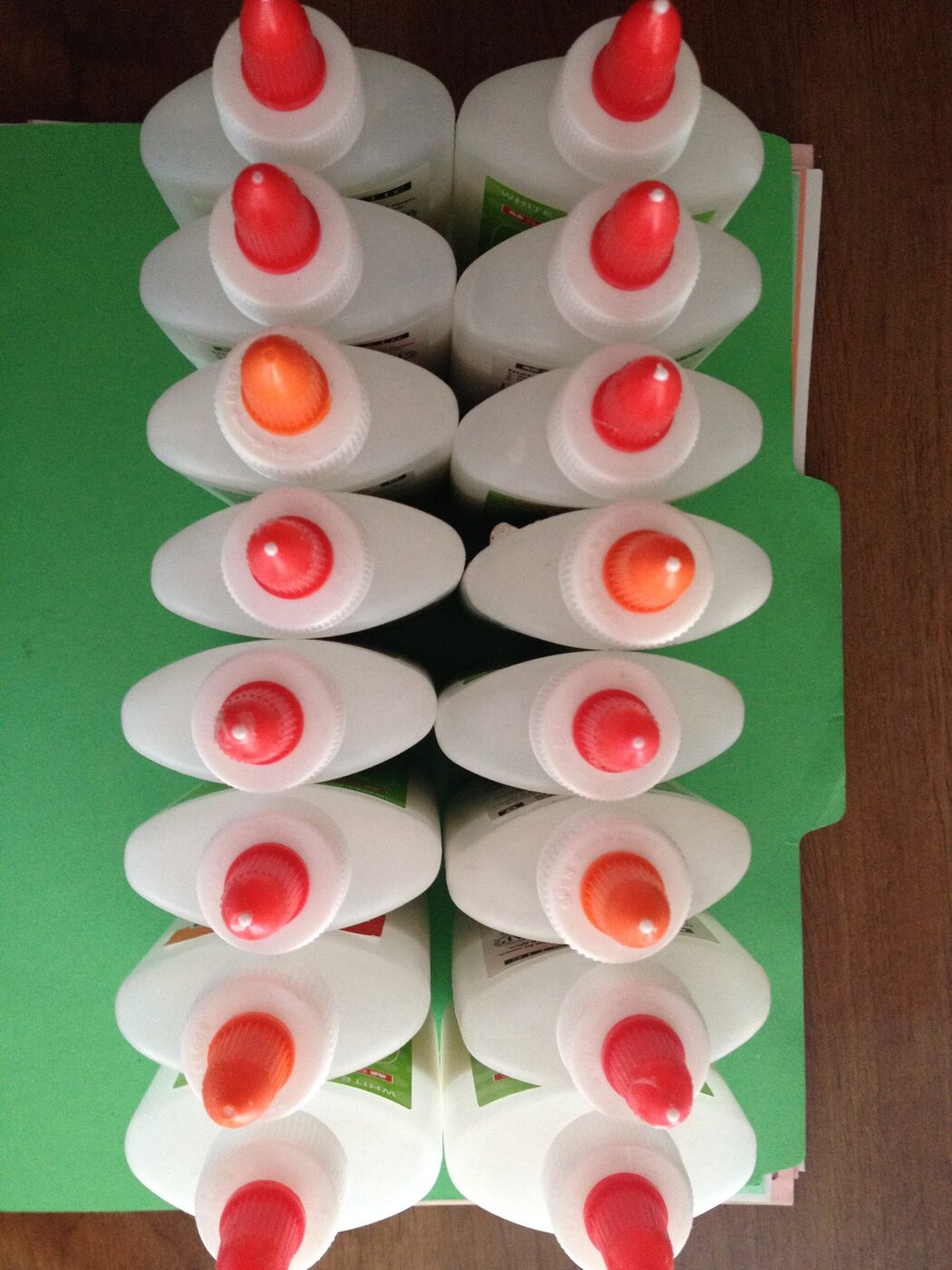
Most craft failures are adhesive mismatches rather than adhesive defects. White PVA craft glue is water-based, slow to set and suited to paper, card and fabric, and the washable school versions most often carry both a conformance line and a seal. Yellow wood glue is also a PVA, formulated for a tight wood-to-wood joint where clamping pressure and open time matter more than tack.
Cyanoacrylate, sold as super glue or thin CA in model shops, bonds in seconds and is wrong for anything that needs repositioning. Two-part epoxy fills gaps and bonds dissimilar materials, at the cost of mixing and a long cure. Hot melt is fast, forgiving and weak, which makes it right for temporary holds and wrong for anything structural.
Whatever the type, three checks apply at the listing stage: does it name the materials it bonds, does it state a working time, and does it carry the ASTM D-4236 conformance line.
- Paper, card and fabric: water-based PVA craft glue, slow set, repositionable while wet.
- Wood joinery: yellow PVA wood glue, check open time and water resistance rating.
- Models and small repairs: cyanoacrylate for instant bonds, epoxy where gaps need filling.
- Temporary holds and decoration: hot melt, matched to the stick diameter your gun takes.
Where the price side is heading
Adhesives are one of the faster-rising inputs in the craft aisle. The Bureau of Labor Statistics reported the producer price index for adhesives and sealants up 6.2% in the 12 months to August 2026, roughly double, on our comparison, the 3.1% rise in consumer prices for recreation commodities over the same period.
Producer prices reach the shelf with a lag, so this is not a prediction that a $3 bottle becomes a $4 bottle. If you buy ahead, buy the type you use most and check the shelf life, because cyanoacrylate and two-part epoxy both degrade once opened.
What to watch next
- CPSC recall notices for adhesives and art materials, which name the specific labeling rule that was broken.
- The monthly BLS producer price index for adhesives and sealants, for whether the 6.2% annual pace continues into the holiday craft season.
- Whether marketplace listings start reproducing the ASTM D-4236 conformance line in the product description rather than only on the physical bottle.
Where to start
Paid links: we earn a commission if you buy through the buttons below, at no extra cost to you. As an Amazon Associate I earn from qualifying purchases.
Craft adhesives compared on the things that decide the job
| Product type | Good fit for | Where to look |
|---|---|---|
| Washable white craft glue | Fits paper, card and fabric | See listings on AmazonOpens Amazon search results, not one listing: check the model on the product page. |
| Wood glue for hobby joinery | Fits wood joints | See listings on AmazonOpens Amazon search results, not one listing: check the model on the product page. |
| Hot melt glue gun and sticks | Fits fast temporary holds | See listings on AmazonOpens Amazon search results, not one listing: check the model on the product page. |
Product types that fit the trend described above, not tested models. Check the exact listing before you buy. How we pick them.
Washable white craft glue
Where to look: Amazon
The default craft adhesive, and the one most likely to carry both the federal conformance statement and a trade seal. Read the label rather than the front-of-bottle wording, which has no federal definition.
- Repositionable while wet
- Washable versions suit kids projects
- Slow to set
- Weak on non-porous surfaces
Wood glue for hobby joinery
Where to look: Amazon
A different formula from craft PVA despite the shared chemistry. Open time is the specification that decides whether a complicated glue-up is calm or frantic, so check it before the bottle size.
- Strong on wood-to-wood joints
- Sands and takes finish
- Needs clamping pressure
- Short open time on warm days
Hot melt glue gun and sticks
Where to look: Amazon
The right tool for props, decorations and holding parts while another adhesive cures. Stick diameter is the compatibility detail people get wrong.
- Sets in seconds
- Works on mixed materials
- Weak under load
- Burn risk from the nozzle and the melt
More: Hobbies and Crafts trends and how the Trend Signal is scored.
Sources
- Bazic Products Recalls Bazic Silicone Glue — U.S. Consumer Product Safety Commission
- Art Materials business guidance — U.S. Consumer Product Safety Commission
- 16 CFR 1500.14(b)(8), art materials labeling — Electronic Code of Federal Regulations
- Art and Creative Materials Institute certification program — ACMI
- Producer Price Index news release, table 2 — U.S. Bureau of Labor Statistics
- Consumer Price Index news release, table 2 — U.S. Bureau of Labor Statistics
Questions readers ask
Does Conforms to ASTM D-4236 mean a glue is safe?
No. CPSC requires that statement on art materials under the Labeling of Hazardous Art Materials Act of November 18, 1988, which took effect on November 18, 1990 and is codified at 16 CFR 1500.14(b)(8). It means the product went through a toxicological assessment, repeated at least every five years, with the criteria submitted to CPSC. Hazardous products still carry the statement, alongside cautionary labeling.
Is Non-Toxic a regulated term on craft glue?
It is not a federal safety grade, and CPSC has treated it as a violation when used incorrectly. In the January 29, 2026 recall of about 21,170 bottles of a craft silicone glue, the agency said the product was incorrectly labeled as Non-Toxic and lacked a highly flammable hazard statement.
Why would a glue need child-resistant packaging?
Because of what is dissolved in it. CPSC said the recalled craft glue contains methanol, which must be in child-resistant packaging as required by the Poison Prevention Packaging Act, and that the packaging was not child-resistant, posing a poisoning risk if swallowed by young children.
What is the ACMI seal on some craft products?
It is a trade certification from the Art and Creative Materials Institute, which says it comprises more than 200 art, craft and creative material manufacturers, retailers and licensees. It uses an Approved Product seal and a Cautionary Labeling seal. It is a membership program, not a federal approval, and it does not replace the ASTM D-4236 conformance statement.