A craft cutting machine is a razor-and-blades business in the most literal sense: the machine is bought once, and the vinyl, the blades and the sticky mats are bought forever. That was the theory. The filings of the largest maker in the category now say something different, and it is worth knowing before you restock.
Cricut is publicly traded, which means its consumables have a public number attached to them. That number has gone down for two years running while the subscription line has gone up. For a shopper, the useful part is what the company itself says is behind the decline, because it names competition and buying behavior rather than a fall in machine ownership.
Trend Signal
38/100 Steady momentum
- Emerging
- Rising
- Mainstream
- Peaking
- Cooling
Branded accessories and materials revenue has fallen two years running
Cricut reported accessories and materials revenue of $188.9 million for 2025, down 8.8% from 2024 and down from $257.8 million in 2023, while its subscription-led Platform revenue rose to $327.4 million.
Our editorial reading of the cited data, not a forecast. How it is scored
By the numbers
- $188.9MCricut accessories and materials revenue in 2025, down 8.8% from 2024Cricut via SEC
- $257.8MCricut accessories and materials revenue in 2023, before two years of declineCricut via SEC
- 22.0%Fall in Cricut Products revenue in the second quarter of 2026 from a year earlierCricut via SEC
- 1.3%CPI change for toys, games, hobbies and playground equipment, August 2025 to August 2026Bureau of Labor Statistics
Three years of falling materials sales
Cricut’s annual report for 2025, filed with the SEC on March 4, 2026, breaks total revenue into three lines. Platform, which is mostly subscriptions to Cricut Access, rose from $309.0 million in 2023 to $313.0 million in 2024 and $327.4 million in 2025. Connected machines held almost perfectly flat at $198.3 million, $192.4 million and $192.4 million. Accessories and materials fell each year, from $257.8 million to $207.1 million to $188.9 million.
In 2023 the consumables line was larger than the machine line and close to the subscription line. By 2025 it was the smallest of the three. Total company revenue over the same three years went $765.1 million, $712.5 million, $708.8 million, so the shrinkage is concentrated rather than general.
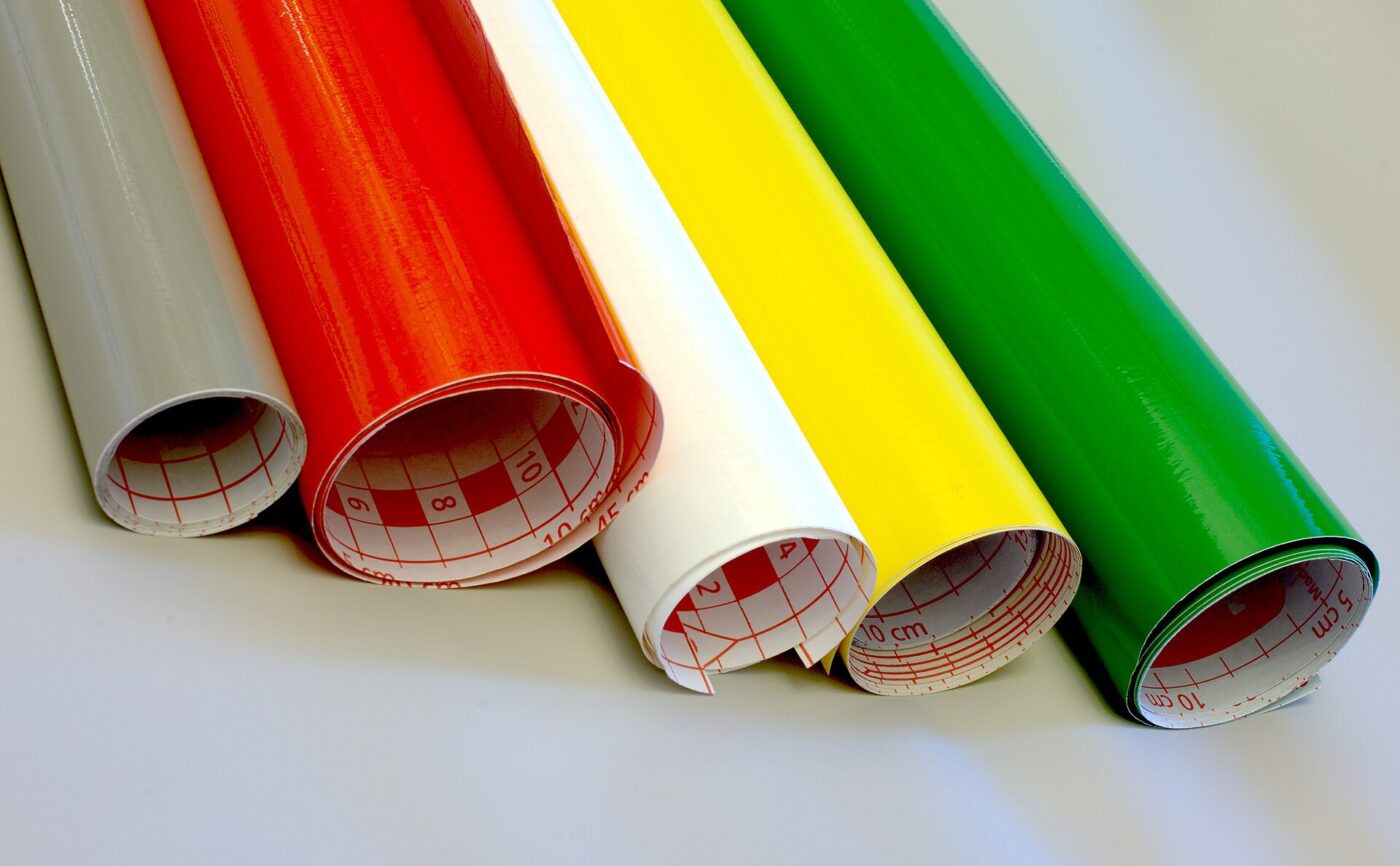
The filing spells out what sits inside that line. Ancillary products include the heat presses, hand tools, machine replacement tools and blades, and project materials such as adhesive vinyl and iron-on vinyl. In other words: the exact items a person reorders when a project runs out of something.
| Revenue line | 2023 | 2024 | 2025 |
|---|---|---|---|
| Platform (mostly subscriptions) | $309.0M | $313.0M | $327.4M |
| Connected machines | $198.3M | $192.4M | $192.4M |
| Accessories and materials | $257.8M | $207.1M | $188.9M |
| Total revenue | $765.1M | $712.5M | $708.8M |
Machines keep selling; the materials do not
The second quarter of 2026 sharpened the split. Cricut reported revenue of $156.3 million, down 9% from the same quarter of 2025, with Platform revenue of $85.0 million up more than 5% and Products revenue of $71.3 million down 22.0%. Paid subscribers reached 3.10 million, up 3%, and platform average revenue per user reached $56.37.
In the same release the chief executive said the company achieved double-digit global machine sell-out growth in the quarter, meaning machines moving off retailer shelves to buyers. Gross margin on the Products segment rose from 19% in 2024 to 26% in 2025, which is what a business looks like when it sells fewer units at better margins rather than chasing volume.
Put together, the picture is a category with more machines in more homes, more people paying a subscription, and less branded material moving through those machines. That gap is the story.
More machines and more subscribers, less branded vinyl. The consumable is where the category is leaking.
What the company names as the reasons
Cricut does not blame a single cause. Its management discussion attributes the 2025 fall in Products revenue primarily to fewer units of accessories and materials sold and at a lower average selling price. In its risk factors it lists the influences on that line as retailer demand, currency, consumer buying behavior it describes as pantry loading, promotional activity, competition, and engagement, defined as consumer cutting behavior and therefore consumption of materials.
Two of those are the ones a shopper recognizes. Pantry loading is the stash in the craft closet: vinyl bought on a sale two years ago that is still being worked through. Competition is the third-party vinyl, blades and mats that fit the same machines and undercut the branded versions.
The company adds a structural point of its own in the same filing: because it derives a significant portion of platform and accessories and materials revenue as an extension of the sales and use of its connected machines, anything that reduces machine use hits both lines. Cutting less means buying less, whoever makes the vinyl.
What this means when you need a blade, a mat or a roll

The practical effect is a wider shelf. A category where the branded consumable is losing share is a category where third-party equivalents are easy to find, and where the branded versions go on promotion more often. Neither is a reason to buy carelessly, because the compatibility details are where cheap consumables fail.
For blades, the thing that has to match is the housing, not the machine name: a fine-point blade housing and a deep-cut housing are different parts, and a blade that does not seat in the housing you own is useless whatever the listing says. For mats, the two variables are size and grip level, and the grip is the one that ruins projects, because a mat that is too aggressive tears thin paper and one that is too weak lets material shift mid-cut.
For vinyl, the split that matters is permanent adhesive against removable, and heat-transfer against adhesive. Check the roll width against your mat size before the price, since a roll wider than your mat has to be trimmed every time you use it.
- Blades: match the housing type you already own, not just the machine model.
- Mats: match size first, then grip level to the material you cut most.
- Vinyl: check permanent against removable, and roll width against mat width.
- Heat-transfer material: check whether it needs a carrier sheet and a specific press temperature.
The counter-signal worth keeping in view
A falling consumables line at one company is not the same as a shrinking hobby. Census figures published by the St. Louis Fed put advance monthly sales at sporting goods, hobby, musical instrument and book stores at $9.06 billion in August 2026, up from $8.18 billion a year earlier, a gain of about 11% on our calculation. Money is still going into hobby retail.
Prices are not the pressure either. The consumer price index for toys, games, hobbies and playground equipment rose 1.3% in the 12 months to August 2026, well under the 3.4% all-items rate, so shoppers are not being pushed out of the category by cost.
We read the combination as a share story rather than a demand story: the machines are in the homes, the cutting is happening, and a growing part of the material going through them no longer carries the machine maker’s name.
What to watch next
- Cricut’s next quarterly filing, for whether the accessories and materials decline slows after the 22.0% Products drop in the second quarter of 2026.
- Whether paid subscribers keep growing past 3.10 million, since the company ties material use to machine engagement.
- Census monthly retail sales for sporting goods, hobby, musical instrument and book stores, for whether hobby spending keeps rising while branded consumables fall.
Where to start
Paid links: we earn a commission if you buy through the buttons below, at no extra cost to you. As an Amazon Associate I earn from qualifying purchases.
Cutting machine consumables compared on the things that differ
| Product type | Good fit for | Where to look |
|---|---|---|
| Replacement blades for craft cutting machines | Fits worn-out cutting | See listings on AmazonOpens Amazon search results, not one listing: check the model on the product page. |
| Adhesive cutting mats | Fits material that slips | See listings on AmazonOpens Amazon search results, not one listing: check the model on the product page. |
| Permanent adhesive vinyl roll pack | Fits decals and labels | See listings on AmazonOpens Amazon search results, not one listing: check the model on the product page. |
Product types that fit the trend described above, not tested models. Check the exact listing before you buy. How we pick them.
Replacement blades for craft cutting machines
Where to look: Amazon
The first thing to replace when cuts start tearing rather than slicing. The listing detail that decides whether it works is the housing it seats in, which is a separate part from the machine model.
- Cheapest fix for poor cut quality
- Sold in multipacks
- Housing types are not interchangeable
- Quality varies between sellers
Adhesive cutting mats
Where to look: Amazon
Mats are the consumable people replace last and should replace sooner. Match the size to the machine first, then pick grip by the material you cut most often.
- Restores registration on long cuts
- Different grips for different materials
- Adhesive wears out with use
- Too much grip tears thin paper
Permanent adhesive vinyl roll pack
Where to look: Amazon
The line where third-party sellers compete hardest with branded material. Read the adhesive type and the width before the price, because both are easy to get wrong from a thumbnail.
- Large quantity per dollar
- Wide color choice
- Rolls wider than your mat need trimming
- Permanent and removable look identical in photos
More: Hobbies and Crafts trends and how the Trend Signal is scored.
Sources
- Cricut, Inc. annual report on Form 10-K for 2025 — Cricut via SEC
- Cricut, Inc. Reports Second Quarter 2026 Financial Results — Cricut via SEC
- Cricut, Inc. quarterly report on Form 10-Q, quarter ended June 30, 2026 — Cricut via SEC
- Consumer Price Index news release, table 2 — U.S. Bureau of Labor Statistics
- Advance Retail Sales: Sporting Goods, Hobby, Musical Instrument, and Book Stores — St. Louis Fed FRED
Questions readers ask
Are Cricut materials sales really falling?
Yes, by the company’s own filing. Cricut reported accessories and materials revenue of $188.9 million in 2025, down 8.8% from $207.1 million in 2024 and down from $257.8 million in 2023, while Platform revenue rose to $327.4 million.
Does that mean fewer people are using cutting machines?
The filings point the other way. Cricut reported 3.10 million paid subscribers as of June 30, 2026, up 3% year over year, and said in its August 4, 2026 release that it achieved double-digit global machine sell-out growth in the quarter.
Why does the housing matter more than the machine when buying blades?
Because the blade seats in a housing, and a fine-point housing and a deep-cut housing take different blades. Cricut’s own filing lists machine replacement tools and blades as separate ancillary products, and a blade that does not fit the housing you own cannot be used regardless of machine model.
Are craft supplies getting more expensive?
Not at the shelf, on the official measure. The consumer price index for toys, games, hobbies and playground equipment rose 1.3% in the 12 months to August 2026, against 3.4% for all items, according to the BLS consumer price index news release.