Ask whether craft supplies are getting more expensive and you get two defensible answers, because the United States publishes two different price measures and they are saying different things. The consumer price index tracks what shoppers pay at the register. The producer price index tracks what manufacturers charge for the materials that go into the product. In 2026 the first one is calm and the second one is not.
That gap is the whole story for anyone planning a craft budget. It explains why prices in the aisle feel stable while suppliers talk about cost pressure, it points at which shelves are likely to move next, and it makes the case for buying some categories ahead and leaving others alone.
Trend Signal
48/100 Steady momentum
- Emerging
- Rising
- Mainstream
- Peaking
- Cooling
Hobby goods inflation is running below the all-items rate
The consumer price index for toys, games, hobbies and playground equipment rose 1.3% in the 12 months to August 2026 against 3.4% for all items, while producer prices for adhesives rose 6.2% and for plastic resins 6.6%.
Our editorial reading of the cited data, not a forecast. How it is scored
By the numbers
- 1.3%CPI change for toys, games, hobbies and playground equipment, August 2025 to August 2026Bureau of Labor Statistics
- 3.4%CPI change for all items over the same 12 monthsBureau of Labor Statistics
- 6.6%Producer price index change for plastic resins and materials over the same 12 monthsBureau of Labor Statistics
- $9.06BAdvance August 2026 sales at sporting goods, hobby, musical instrument and book storesCensus Bureau via FRED
Two price measures that point in different directions
The consumer price index measures a basket of things households buy, priced at retail. The producer price index measures what domestic producers receive for their output, so it catches resin, lumber, paper and adhesive before any of it becomes a product on a peg. The two normally move together with a lag; when they separate, somebody in the chain is absorbing the difference.
Right now they are separated. In the August 2026 releases, hobby goods at the shelf rose 1.3% over 12 months while the materials that go into craft products rose between 6% and 12% depending on the input. Retailers and manufacturers are carrying that gap, through thinner promotions, smaller pack sizes or accepted margin loss.
None of that is a forecast. It is simply the reason to treat 2026 craft-aisle stability as a current condition rather than a settled one, and to watch the input side for where the next shelf move comes from.
Calm shelf prices sitting on top of rising input prices is a gap somebody is absorbing.
What the shelf data says
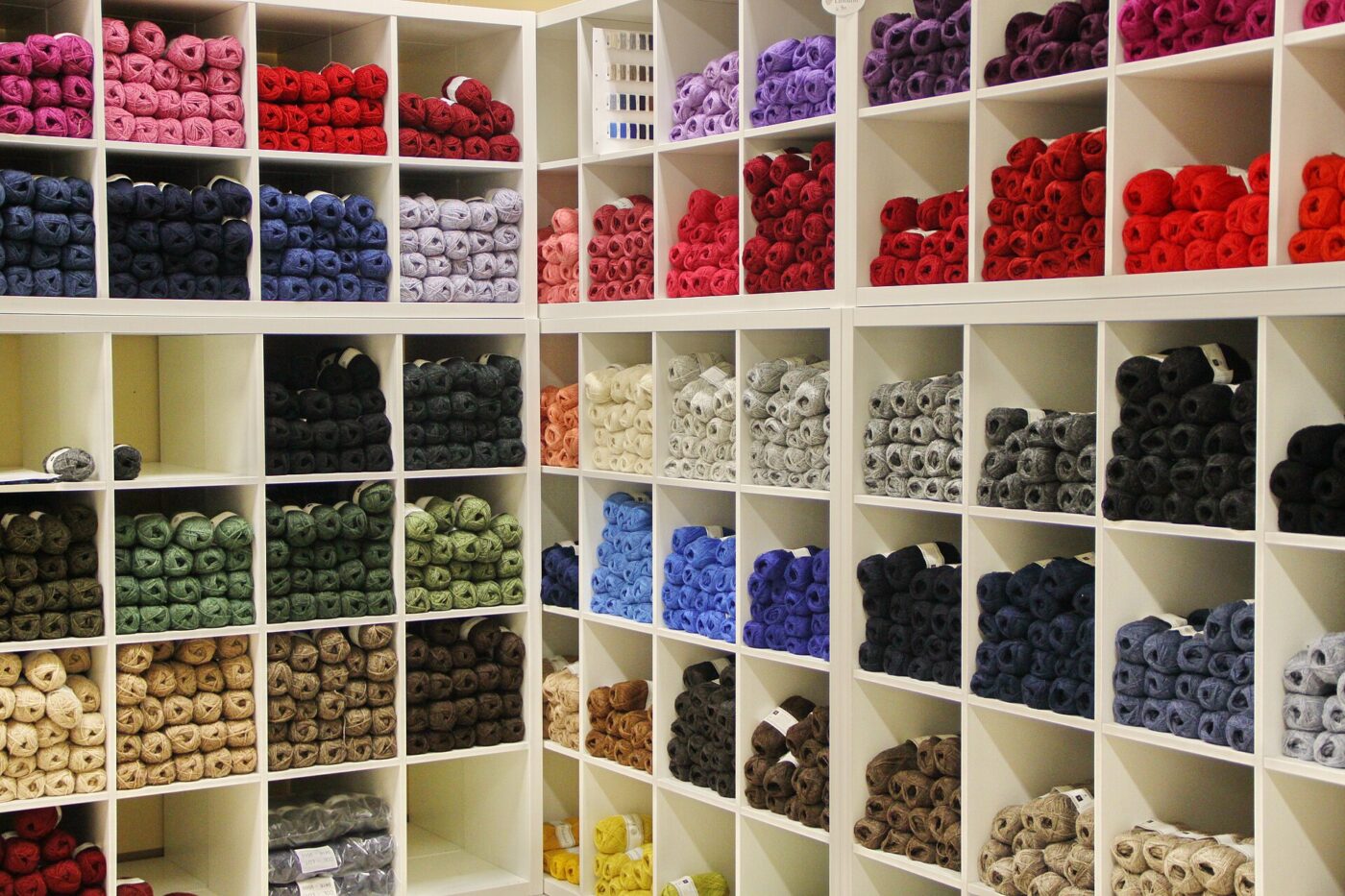
The consumer price index for August 2026 puts recreation commodities up 3.1% over 12 months and the narrower group of other recreational goods up 2.5%. Inside it, toys rose 2.3% and the detailed line for toys, games, hobbies and playground equipment rose 1.3%. Sewing machines, fabric and supplies rose 3.5%, music instruments and accessories 2.9%, and photographic equipment and supplies fell 0.6%.
Two of those numbers are worth pausing on. Sewing supplies rose faster than the all-items rate of 3.4% only just, and faster than every other craft line in the table, which is the one place in the craft aisle where shelf inflation is running at general-economy pace. Photographic equipment is the only line that fell.
A caution on the fine print: these are narrow indexes built from small samples and published unadjusted, so single months bounce around. The 12-month change is the figure to use; the month-to-month numbers on a line this small are noise more often than signal.
| Consumer price index line | 12-month change to August 2026 |
|---|---|
| All items | +3.4% |
| Recreation commodities | +3.1% |
| Sewing machines, fabric and supplies | +3.5% |
| Music instruments and accessories | +2.9% |
| Toys | +2.3% |
| Toys, games, hobbies and playground equipment | +1.3% |
| Photographic equipment and supplies | –0.6% |
What the input data says
The producer side reads nothing like the shelf. In the same month, industrial chemicals rose 13.3% over 12 months, softwood lumber 11.8%, plywood 10.7%, paper 10.0%, plastic resins and materials 6.6%, adhesives and sealants 6.2% and plastic products 6.0%. Hardwood lumber was the outlier at 1.7%.
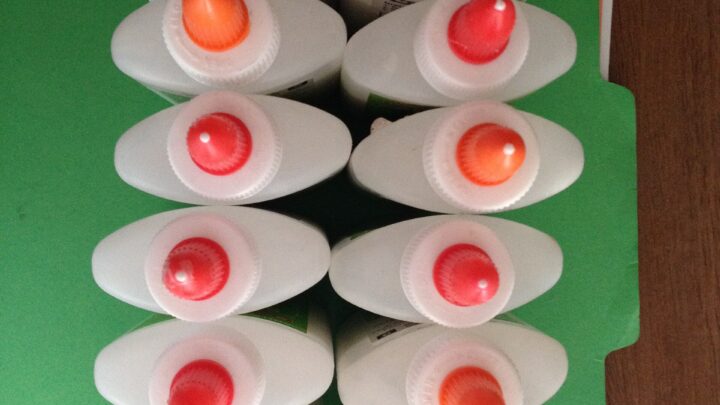
Map those onto a craft cupboard and the exposure becomes obvious. Filament, resin printing supplies, plastic storage and most tool housings sit behind the plastics lines. Cardstock, sketchbooks, pattern paper and packaging sit behind paper. Glue sits behind adhesives. Model and woodworking stock sits behind lumber and plywood.
One counterweight: the raw end of the chain is falling. Logs, bolts, timber, pulpwood and wood chips were down 1.4% over the same 12 months, so the pressure is concentrated at the milling and processing stage rather than at the source, which is where trade measures and capacity decisions bite.
| Producer price index line | 12-month change to August 2026 | Craft supplies behind it |
|---|---|---|
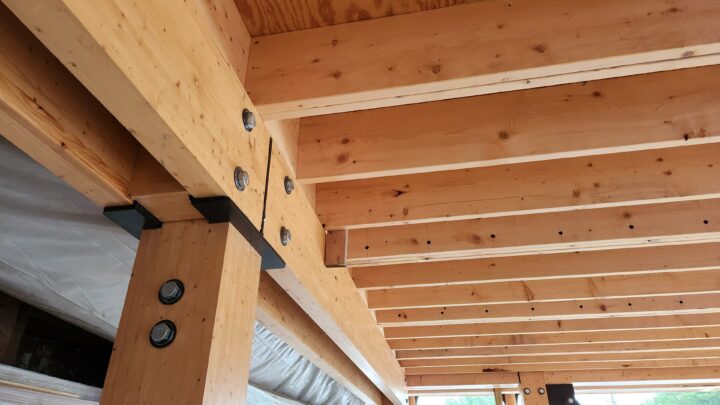
| Softwood lumber | +11.8% | Shop lumber, model stock, frames |
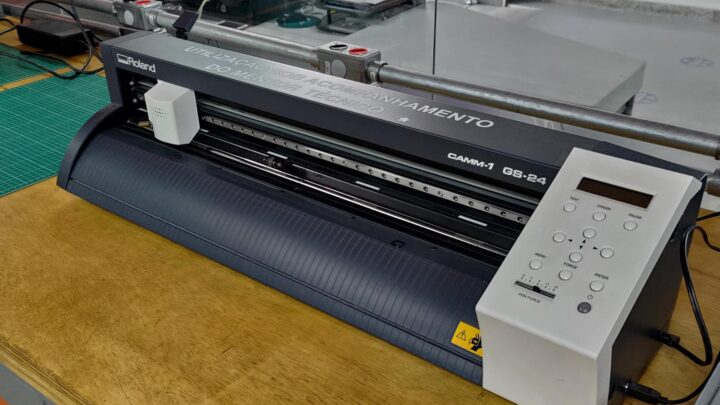
| Plywood | +10.7% | Panels, templates, laser blanks |
| Paper | +10.0% | Cardstock, sketch pads, packaging |
| Plastic resins and materials | +6.6% | Filament, resin, plastic storage |
| Adhesives and sealants | +6.2% | Craft glue, wood glue, epoxy |
| Hardwood lumber | +1.7% | Project boards for furniture work |
Demand is not the soft spot
It would be easy to read flat shelf prices as weak demand. The retail data says otherwise. Census advance figures published by the St. Louis Fed put seasonally adjusted monthly sales at sporting goods, hobby, musical instrument and book stores at $9.06 billion in August 2026, against $8.18 billion in August 2025 and $7.80 billion in August 2024. The series has risen in almost every month of 2026.
Adjacent categories show price moving through volume rather than through sticker shock. Circana reported on June 15, 2026 that US toy industry dollar sales were up 13% through April 2026 with unit sales up 5% and average selling price up 7%, and that adults aged 18 and over accounted for 35% of total industry growth.
The manufacturer side gives a third angle. Cricut told investors that its 2025 decline in products revenue came primarily from fewer units of accessories and materials sold and at a lower average selling price, which is a company cutting price into a growing category rather than raising it.
What to buy now and what can wait

The case for buying ahead is strongest where the input index is running double digits and the product stores well. Paper and cardstock qualify, so do plywood panels and softwood stock for jigs, and so does glue in the type you use most. None of those degrade quickly in a dry cupboard, and all four sit behind inputs rising far faster than the shelf.
The case for waiting is strongest where shelf prices are flat or falling and stock degrades. Photographic equipment and supplies fell 0.6% over the year. Hardwood boards rose 1.7% and take up space while they acclimate. Two-part epoxy and cyanoacrylate have a shelf life once opened, so buying a year of either is a false saving.
The middle case is filament, resin and plastic storage. The input index is up 6.6% while manufacturers are running bulk pricing to move volume, so the sensible move is to buy what a season of projects needs rather than a year, and to compare by price per kilogram rather than by price per roll or per pack.
What to watch next
- The monthly BLS producer price index for paper, plastic resins and adhesives, which is where the next shelf move will show up first.
- The detailed CPI line for toys, games, hobbies and playground equipment, for whether it stays below the all-items rate through the holiday season.
- Census monthly retail sales for sporting goods, hobby, musical instrument and book stores, for whether the 2026 climb holds.
Where to start
Paid links: we earn a commission if you buy through the buttons below, at no extra cost to you. As an Amazon Associate I earn from qualifying purchases.
Craft basics worth buying ahead when input prices move
| Product type | Good fit for | Where to look |
|---|---|---|
| Craft supply storage caddy | Fits a crowded craft table | See listings on AmazonOpens Amazon search results, not one listing: check the model on the product page. |
| Self-healing cutting mat | Fits cutting and trimming | See listings on AmazonOpens Amazon search results, not one listing: check the model on the product page. |
| Cardstock multipack | Fits paper and card projects | See listings on AmazonOpens Amazon search results, not one listing: check the model on the product page. |
Product types that fit the trend described above, not tested models. Check the exact listing before you buy. How we pick them.
Self-healing cutting mat
Where to look: Amazon
A one-off purchase that sits behind the plastics index rather than the paper one. Thickness is the specification that decides how long it lasts, and the printed grid should match the units you actually measure in.
- Protects the table and the blade
- Grid speeds up repeat cuts
- Warps if stored leaning
- Thin mats cut through quickly
Cardstock multipack
Where to look: Amazon
The clearest buy-ahead case in the craft cupboard: paper producer prices rose 10.0% in the 12 months to August 2026, and cardstock keeps indefinitely if it is stored flat and dry.
- Stores flat for a long time
- Bulk packs cut the cost per sheet
- Producer prices for paper rose 10.0% over the year
- Absorbs damp in a garage
Craft supply storage caddy
Where to look: Amazon
Storage is the quiet cost of buying craft supplies ahead. Shallow trays beat deep ones for anything you use weekly, because a caddy you have to dig through gets ignored.
- Keeps small consumables visible
- Moves between rooms
- Plastic input prices are rising
- Deep trays hide what is at the bottom
More: Hobbies and Crafts trends and how the Trend Signal is scored.
Sources
- Consumer Price Index news release, table 2 — U.S. Bureau of Labor Statistics
- Producer Price Index news release, table 2 — U.S. Bureau of Labor Statistics
- Advance Retail Sales: Sporting Goods, Hobby, Musical Instrument, and Book Stores — St. Louis Fed FRED
- US Toy Industry Sales Accelerate in 2026 — Circana
- Cricut, Inc. annual report on Form 10-K for 2025 — Cricut via SEC
Questions readers ask
Are craft supplies getting more expensive in 2026?
At the shelf, slowly. The consumer price index for toys, games, hobbies and playground equipment rose 1.3% in the 12 months to August 2026, and recreation commodities rose 3.1%, against 3.4% for all items. Producer prices for the materials behind those products rose much faster.
Which craft inputs rose most?
In the August 2026 producer price index release, softwood lumber rose 11.8%, plywood 10.7%, paper 10.0%, plastic resins and materials 6.6%, adhesives and sealants 6.2% and plastic products 6.0%. Hardwood lumber rose 1.7% and logs and timber fell 1.4%.
Is craft spending falling?
No. Census advance figures published by the St. Louis Fed put monthly sales at sporting goods, hobby, musical instrument and book stores at $9.06 billion in August 2026, up from $8.18 billion a year earlier. Circana separately reported US toy industry dollar sales up 13% through April 2026.
What should I buy ahead of a price rise?
The storable items sitting behind the fastest-rising inputs: cardstock and paper, plywood panels and softwood stock, and the glue type you use most. Avoid stockpiling epoxy and cyanoacrylate, which degrade once opened, and hardwood boards, where shelf prices rose only 1.7% over the year.