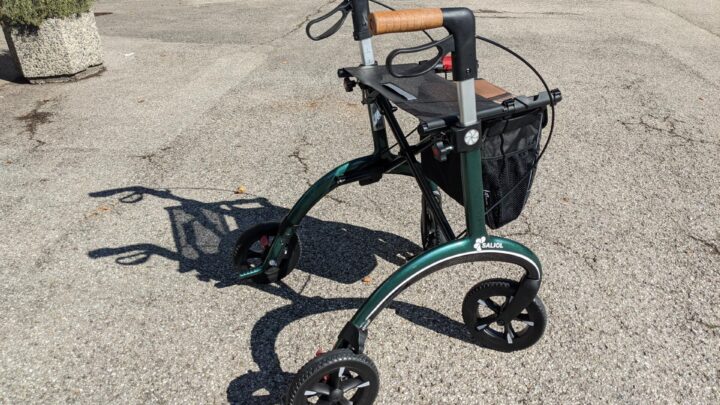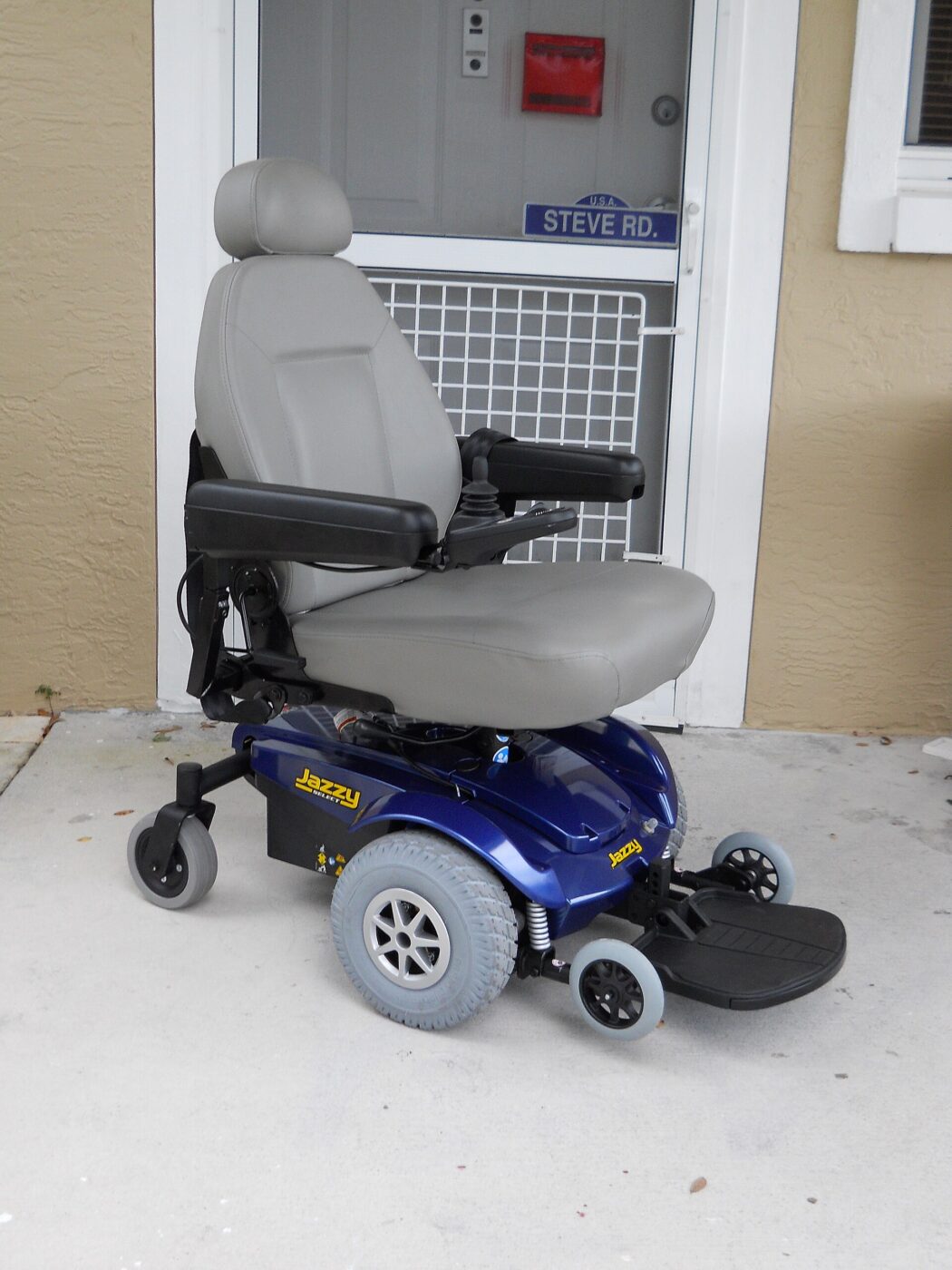
For people who use wheelchairs and scooters, a flight carries two risks the rest of the cabin rarely thinks about: a chair that arrives broken, and a battery that an airline will not accept. Both moved in 2025 and 2026. Airline damage rates fell, and the Department of Transportation’s tougher wheelchair rule took effect, then had key parts put on hold.
Here is what the latest federal data show, which protections apply today, what the FAA allows for batteries, and what to buy or prepare before booking.
Trend Signal
52/100 Steady momentum
- Emerging
- Rising
- Mainstream
- Peaking
- Cooling
Fewer chairs damaged in 2025, but four new protections are paused
U.S. reporting airlines mishandled 1.09 of every 100 wheelchairs and scooters they carried in 2025, down from 1.26 in 2024, while DOT has paused enforcement of four provisions of its December 2024 wheelchair rule.
Our editorial reading of the cited data, not a forecast. How it is scored
By the numbers
- 1.09Wheelchairs and scooters mishandled per 100 carried by U.S. reporting airlines, 2025U.S. DOT
- 9,910Wheelchairs and scooters mishandled in 2025, down from 11,357 in 2024U.S. DOT
- 300 WhFAA limit for a lithium-ion mobility-aid battery that has to be removedFAA
- 4Provisions of DOT’s 2024 wheelchair rule under an enforcement pauseU.S. DOT
What the 2025 airline data show
Airlines that report to DOT carried 907,259 wheelchairs and scooters in cargo holds in 2025 and mishandled 9,910 of them, or 1.09 per 100, according to the Air Travel Consumer Report. In 2024 they carried 899,385 and mishandled 11,357, or 1.26 per 100. Volume held steady while the number of mishandled chairs fell about 13%, by our calculation.
Carriers vary widely. Delta’s network posted the lowest 2025 rate among reporting marketing carriers at 0.43 per 100, while American’s network, Frontier and JetBlue ran from 1.41 to 1.44. Southwest carried the most chairs and scooters, 264,536, at 1.19 per 100.
The improvement has not continued in a straight line. In July 2026, the latest month DOT has published, carriers mishandled 974 of 83,277 chairs and scooters, 1.17 per 100, against 1.12 in July 2025.
| Marketing carrier | Carried in 2025 | Mishandled | Per 100 |
|---|---|---|---|
| Delta network | 152,989 | 651 | 0.43 |
| Allegiant | 31,381 | 233 | 0.74 |
| United network | 149,884 | 1,596 | 1.06 |
| Southwest | 264,536 | 3,138 | 1.19 |
| American network | 156,555 | 2,203 | 1.41 |
| JetBlue | 30,453 | 440 | 1.44 |
| All reporting carriers | 907,259 | 9,910 | 1.09 |
About one chair in 92 still came back mishandled in 2025, so plan for it even on a well-rated airline.
What the December 2024 rule promised
DOT issued its final rule on Ensuring Safe Accommodations for Air Travelers With Disabilities Using Wheelchairs on December 17, 2024, effective January 16, 2025. Its core change: when a checked wheelchair or other assistive device is not returned in the condition it was received, the rule presumes the airline violated the Air Carrier Access Act. The airline can rebut that only by showing the damage did not happen in its custody or that the claim is false.
The rule also requires airlines to pay for repair or replacement and let passengers choose between the airline’s vendor and their own preferred vendor, to provide and pay for loaner wheelchairs that meet the passenger’s needs as closely as possible, to notify passengers in writing of their rights, to say before departure whether the chair was loaded, and to give annual training, including practical in-person sessions, to staff who handle chairs or physically assist passengers.
Older protections still apply. Under DOT’s Airline Passengers with Disabilities Bill of Rights, assistive devices do not count against carry-on limits, aircraft with 100 or more seats must offer priority cabin stowage for at least one normal-sized collapsible manual wheelchair (older aircraft are exempt), and an airline that loses or damages a wheelchair owes compensation up to its original purchase price.
Which protections are on hold, and until when
On September 30, 2025, DOT announced it would not enforce four provisions while it works on a follow-up it calls Wheelchair Rule II: airline liability for mishandled wheelchairs, refresher training frequency, the written notice at check-in of a passenger’s right to contact a Complaints Resolution Official and file a claim, and fare-difference reimbursements. It gave December 31, 2026 as the earliest date it expected to decide whether to move forward with a final rule.
A notice published August 4, 2026 extended the pause by four months, to April 30, 2027, now the earliest decision date, and added the 12-month practical training requirement for flight attendants under a separate lavatory-access rule. DOT said the pause does not prejudge the outcome, and initial training under the 2024 rule was still due by June 17, 2026.
Still enforced: the requirements to repair or replace a damaged chair, with the passenger free to choose the vendor, to provide a loaner, and to tell a passenger in writing about those rights once the airline learns a chair was mishandled. The presumption of airline liability is paused, so keep records as if you may need to prove the damage yourself.
Batteries and folding chairs: the FAA limits

Battery rules decide whether a power chair flies at all. Under the FAA’s PackSafe guidance, a lithium-ion battery that is securely attached and protected by the chair’s design may stay installed. If the chair does not protect it, the battery must come out, travel in carry-on baggage with its terminals protected, and is limited to 300 watt-hours.
Spares are capped at one battery up to 300 watt-hours or two up to 160 watt-hours each, carried in the cabin and never checked. Lithium metal (non-rechargeable) batteries are forbidden with these devices, individual airlines may set stricter rules, and the FAA advises contacting the airline in advance and allowing extra check-in time.
DOT’s bill of rights says airlines must accept a battery-powered wheelchair if it fits in the cargo compartment and can be carried safely. That makes a chair’s folded size and its battery labels as important as its range when you shop with travel in mind.
What to buy and prepare before a trip
If you are buying a chair for travel, start with the battery label: the watt-hour rating printed on each battery is the number the FAA limits are written in. A folding power chair with removable batteries at or under those limits leaves the fewest questions at the airport.
Report damage before leaving the airport and ask for the airline’s Complaints Resolution Official; under the part of the rule still enforced, an airline that learns a chair was mishandled must tell the passenger in writing how to reach one. With the liability presumption paused until at least April 30, 2027, photos and a same-day report are your evidence.
- Photograph the chair from every side at check-in and keep the claim tag.
- Remove and carry cushions, joysticks and other detachable parts.
- Tape written instructions for folding, lifting points and freewheel mode to the frame.
- Attach an item tracker so you can see where the chair is.
What to watch next
- DOT’s Wheelchair Rule II rulemaking, whose earliest decision date DOT moved from December 31, 2026 to April 30, 2027.
- Monthly mishandled-wheelchair figures in the Air Travel Consumer Report, which showed 1.17 per 100 in July 2026.
- Airline battery policies for mobility aids, which can be stricter than the FAA’s 300 watt-hour limit.
Where to start
Paid links: we earn a commission if you buy through the buttons below, at no extra cost to you. As an Amazon Associate I earn from qualifying purchases.
Travel gear for wheelchair and scooter users
| Product type | Good fit for | Where to look |
|---|---|---|
| Folding power wheelchair with removable batteries | Fits flyers who need a power chair | See listings on AmazonOpens Amazon search results, not one listing: check the model on the product page. |
| Padded wheelchair travel bag | Fits protecting a chair in the hold | See listings on AmazonOpens Amazon search results, not one listing: check the model on the product page. |
| Bluetooth item tracker | Fits tracking a checked chair | See listings on AmazonOpens Amazon search results, not one listing: check the model on the product page. |
Product types that fit the trend described above, not tested models. Check the exact listing before you buy. How we pick them.
Folding power wheelchair with removable batteries
Where to look: Amazon
Shop by the battery label first: the FAA limit is 300 watt-hours for a battery that has to be removed, and spares are capped too. Ask the airline about its own limits before booking.
- Folds smaller for the cargo hold
- Removed batteries can ride in the cabin
- Smaller batteries mean shorter range
- Folded weight still needs a lift
Padded wheelchair travel bag
Where to look: Amazon
A padded cover will not stop a bad drop, but it limits scrapes and keeps loose parts with the chair. Label it with your name, flight and phone number.
- Shields frame and upholstery from scuffs
- Keeps small parts together
- Adds weight and bulk
- One more item to track at the gate
Bluetooth item tracker
Where to look: Amazon
A tracker zip-tied to the frame tells you whether the chair made the connection, which helps when you report a delay or loss at the gate.
- Shows where the chair is
- Small and inexpensive
- Needs a compatible phone network
- Location updates can lag
More: Aging and Accessibility trends and how the Trend Signal is scored.
Sources
- Air Travel Consumer Report, February 2026 (full-year 2025 data) — U.S. Department of Transportation
- September 2026 Air Travel Consumer Report (July 2026 Data) — U.S. Department of Transportation
- Ensuring Safe Accommodations for Air Travelers With Disabilities Using Wheelchairs, final rule — Federal Register via GovInfo
- Notification of enforcement discretion, Wheelchair Rule I, August 2026 — Federal Register
- Ensuring Safe Accommodations for Air Travelers With Disabilities Using Wheelchairs, notification of enforcement discretion, September 30, 2025 — Federal Register via GovInfo
- Airline Passengers with Disabilities Bill of Rights — U.S. Department of Transportation
- PackSafe: Wheelchairs and Mobility Devices — Federal Aviation Administration
Questions readers ask
How often do airlines damage wheelchairs?
In 2025, U.S. reporting airlines mishandled 9,910 of the 907,259 wheelchairs and scooters they carried in cargo, 1.09 per 100, down from 1.26 per 100 in 2024, according to DOT’s Air Travel Consumer Report. In July 2026 the rate was 1.17 per 100.
Is the new DOT wheelchair rule in effect?
Mostly. The rule took effect January 16, 2025, but DOT is not enforcing four provisions, covering airline liability for mishandled wheelchairs, refresher training frequency, the written notice at check-in about contacting a Complaints Resolution Official and filing a claim, and fare-difference reimbursements, while it considers a follow-up rule. An August 4, 2026 notice extended that pause from December 31, 2026 to April 30, 2027.
What battery size can I fly with on a power wheelchair?
Under FAA PackSafe guidance, a lithium-ion battery that has to be removed is limited to 300 watt-hours and goes in carry-on baggage. You may carry one spare up to 300 watt-hours or two up to 160 watt-hours each. Airlines can set stricter rules.
Can I bring a folding wheelchair into the cabin?
DOT says aircraft with 100 or more seats must offer priority cabin stowage for at least one normal-sized collapsible manual wheelchair, with older aircraft exempt, and assistive devices do not count toward carry-on limits.