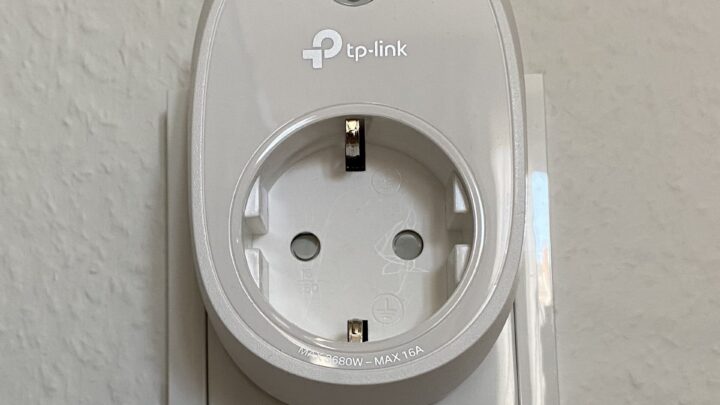
The reason most households never considered a heat pump water heater was rarely the technology. It was the circuit. A conventional unit wants a dedicated 240-volt connection, and in a house with a full panel the electrical work can cost as much as the appliance. That is the problem the 120-volt class exists to remove.
The clearest evidence that the class is real rather than marketing is that ENERGY STAR gives it its own line. The program is EPA’s voluntary certification, not a federal minimum, and its criteria for certified electric storage water heaters set a uniform energy factor of 3.30 or higher for an integrated heat pump water heater, and a separate requirement of 2.20 or higher for one on a 120-volt, 15-amp circuit, with split systems also at 2.20. Certified electric heat pump models must also deliver a first hour rating of at least 45 gallons per hour.
Trend Signal
64/100 Steady momentum
- Emerging
- Rising
- Mainstream
- Peaking
- Cooling
A plug-in product class now has its own criteria ahead of the 2029 federal standard
ENERGY STAR, a voluntary EPA specification, sets a separate criterion of UEF 2.20 or higher for an integrated heat pump water heater on a 120-volt, 15-amp circuit, while DOE’s May 2024 final rule requires compliance with amended water heater standards on and after May 6, 2029.
Our editorial reading of the cited data, not a forecast. How it is scored
By the numbers
- UEF 2.20ENERGY STAR minimum for an integrated heat pump water heater on a 120-volt 15-amp circuitENERGY STAR
- 2029Compliance with amended federal water heater standards is required on and after May 6Federal Register
- 20%Share of the average home’s energy use that goes to water heating, per DOEU.S. Department of Energy
- $1,750Maximum high-efficiency electric rebate DOE lists for a certified heat pump water heaterU.S. Department of Energy
What the 120-volt class actually is
A heat pump water heater moves heat from the surrounding air into the tank instead of generating it with a resistance element, which is why its uniform energy factor can sit above 1. UEF is the metric federal standards and ENERGY STAR both use.
The 120-volt variant trades some of that headroom for installation simplicity. ENERGY STAR’s criteria page carries no version date, so we cite it as it read on September 24, 2026: UEF 3.30 or higher for an integrated heat pump water heater and UEF 2.20 or higher for one designed for a 120-volt, 15-amp circuit, the same threshold split systems must meet. The program also asks partners to report the ambient temperature below which the compressor cuts off and electric resistance operation begins, which matters in a cold garage. Two more requirements run across the certified heat pump models: a first hour rating of at least 45 gallons per hour and a warranty of at least six years on the sealed system.
| Water heater type | ENERGY STAR minimum uniform energy factor |
|---|---|
| Integrated heat pump | UEF 3.30 |
| Integrated heat pump, 120 volt and 15 amp circuit | UEF 2.20 |
| Split system heat pump | UEF 2.20 |
| Gas-fired storage, over 55 gallons | UEF 0.86 |
| Gas-fired instantaneous | UEF 0.95 |
The plug-in class is certified at a lower efficiency bar than a 240-volt unit, and that is the trade being made.
The 2029 rule behind the shift
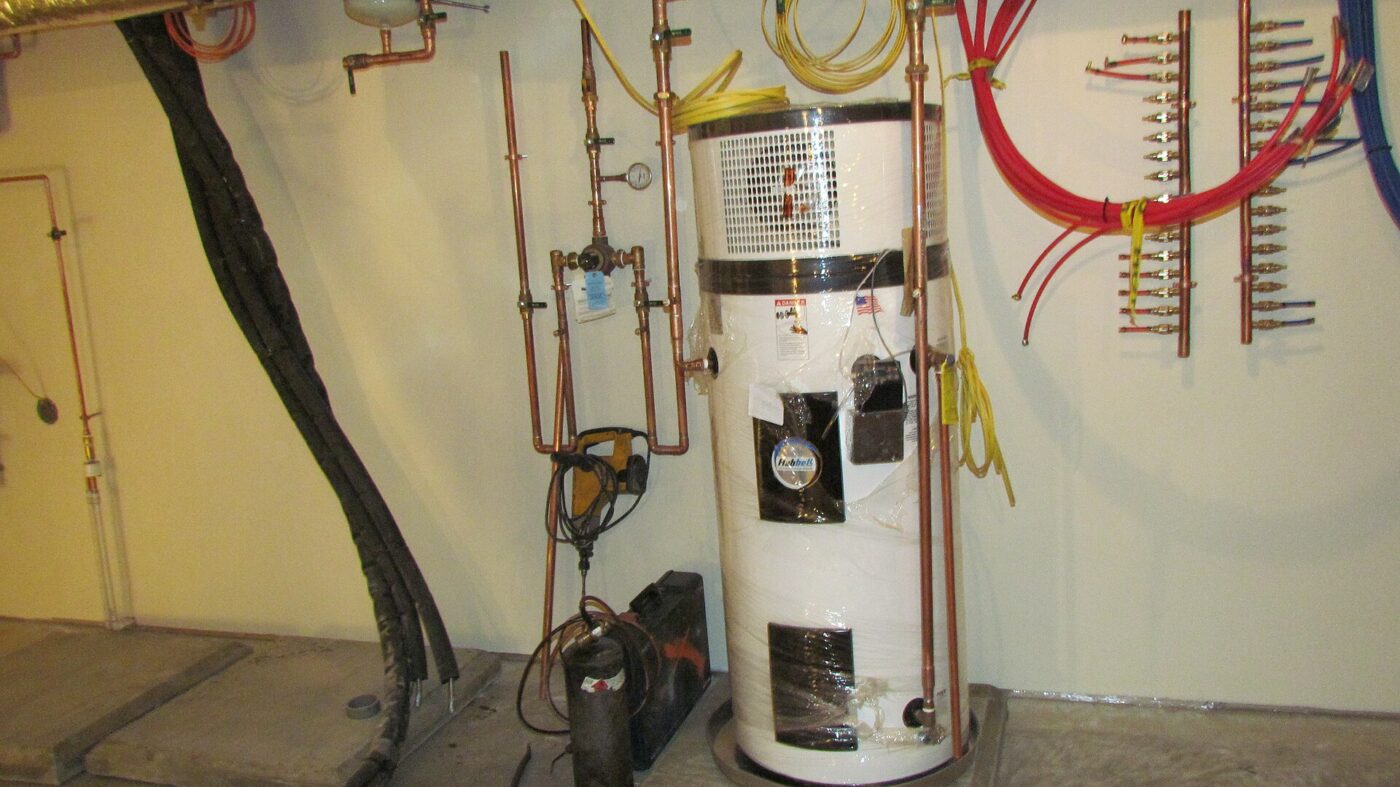
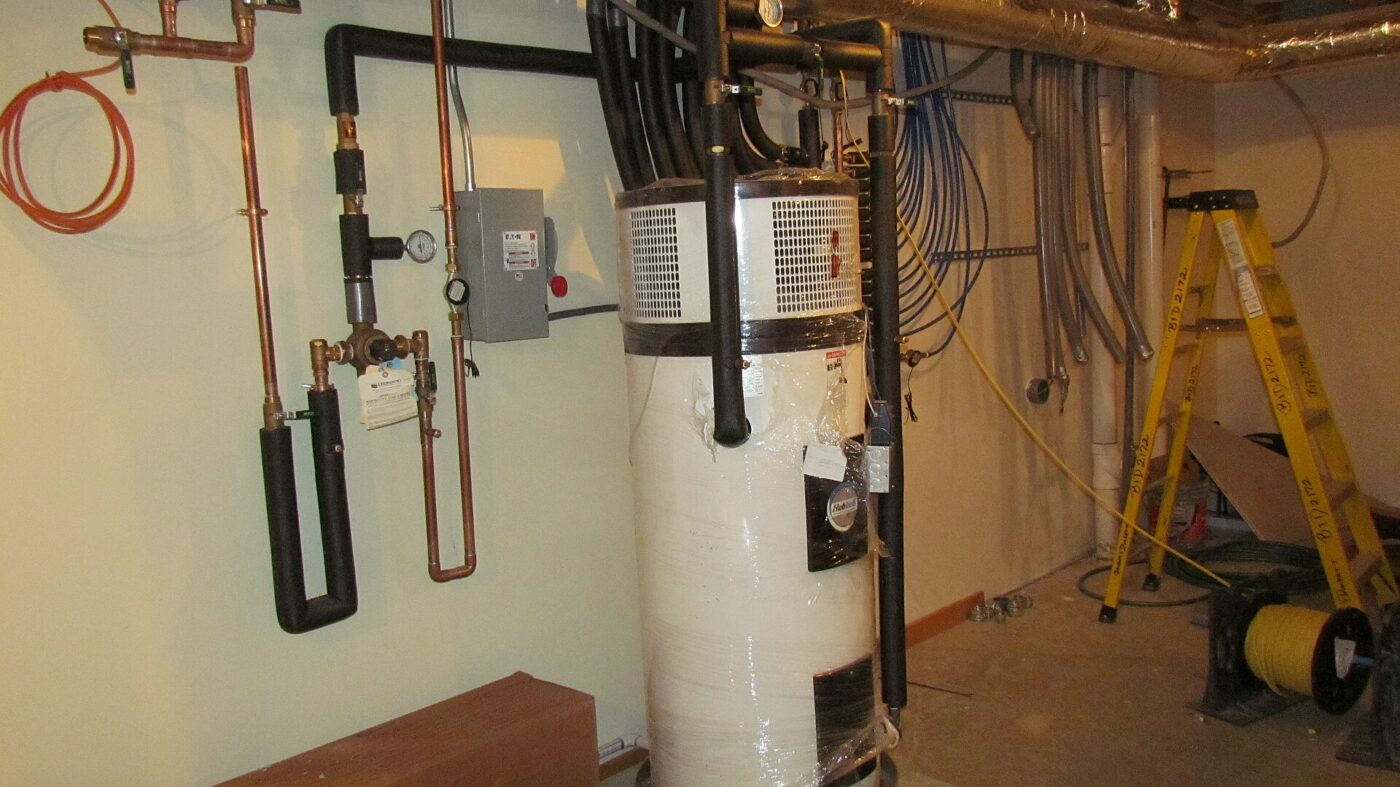
DOE published amended energy conservation standards for consumer water heaters in the Federal Register on May 6, 2024. The rule took effect on July 5, 2024, and compliance with the new and amended standards is required on and after May 6, 2029.
The document is direct about what that means for electric tanks. Responding to a comment, DOE notes that for certain classes of electric storage water heaters the adopted standards are currently only met through use of heat pump technology, while adding that gas-fired water heaters remain available at the levels adopted. It stresses that it is not writing a prescriptive design requirement.
The scale DOE attaches to the rule is large: lifetime energy savings of 17.6 quadrillion Btu for water heaters bought between 2030 and 2059, a 10% saving against a no-new-standards case, and cumulative consumer benefits of $25 billion at a 7% discount rate to $82 billion at 3%. DOE estimates the average lifetime of a storage water heater at about 15 years, which is why a tank bought in 2026 outlives the rule change.
What it costs to run

Water heating is a bigger line than most households assume. DOE states that it accounts for nearly 20% of the average home’s energy use and is typically the second-largest energy expense after heating and cooling, and that an efficient water heater can save hundreds of dollars a year. EIA puts water heating at 12% of household electricity consumption in 2020.
The price of that electricity has been climbing. EIA’s Electric Power Monthly shows the U.S. average residential price at 18.34 cents a kilowatthour in June 2026 against 17.47 cents in June 2025, and BLS measured the CPI electricity index up 3.8% in the 12 months to August 2026. Two costs sit outside the UEF number: a heat pump water heater needs air to work with, so manufacturers specify a minimum room volume or ducting, and it produces condensate that has to drain somewhere.
What is left of the incentives
The federal tax credit route closed at the end of 2025. The IRS states that the Energy Efficient Home Improvement Credit is allowed for qualifying property placed in service on or after January 1, 2023, and before December 31, 2025, with heat pumps under a $2,000 annual ceiling.
The rebate route is separate and still listed. DOE’s home upgrades page says an ENERGY STAR certified electric heat pump water heater may be eligible for either a High-Efficiency Electric Home Rebate of up to $1,750 or a Home Owner Managing Energy Savings Rebate of up to $8,000 for projects that significantly reduce household energy use.
The catch is administration. DOE says states, territories and Tribes manage these rebates and determine which products are eligible, so whether this money exists for you is a local question in 2026. Confirm before you buy, because programs set their own rules about eligible equipment and who may install it.
The tax credit is gone; the state-run rebates are not, but they are not everywhere either.
Who should consider one, and who should wait
The strongest case is a household replacing an electric resistance tank in a space that already has room and a drain: a basement, a garage, a utility room. If the panel has no spare 240-volt capacity, the 120-volt class is what makes the project possible without an electrical upgrade.
Waiting makes sense if your tank is young. DOE puts the average storage water heater lifetime at about 15 years, and replacing a working unit early throws away the remaining value. So does a small closed closet with no ducting path, where the air a heat pump needs is not available. While a tank lives out its life, insulating exposed hot water pipes is the cheap holding action, and a tank blanket can help on an older tank, though many modern tanks are already foam-insulated and the tank label is the authority.
What to watch next
- The ENERGY STAR product list, for how many models are certified under the 120-volt criterion rather than the 240-volt one.
- Any Federal Register action that changes the May 6, 2029 compliance date for water heater standards.
- Your state or territory’s Home Energy Rebates program page, for whether rebates covering heat pump water heaters have opened.
Where to start
Paid links: we earn a commission if you buy through the buttons below, at no extra cost to you. As an Amazon Associate I earn from qualifying purchases.
Water heating buys compared on what they change
| Product type | Good fit for | Where to look |
|---|---|---|
| Plug-in heat pump water heater | Fits a full electrical panel | See listings on AmazonOpens Amazon search results, not one listing: check the model on the product page. |
| Water heater insulation blanket | Fits an older uninsulated tank | See listings on AmazonOpens Amazon search results, not one listing: check the model on the product page. |
| Foam pipe insulation for hot water lines | Fits a long pipe run | See listings on AmazonOpens Amazon search results, not one listing: check the model on the product page. |
Product types that fit the trend described above, not tested models. Check the exact listing before you buy. How we pick them.
Plug-in heat pump water heater
Where to look: Amazon
The reason this class exists is electrical, not thermal. If the panel has no spare 240-volt capacity, this is the version that avoids an upgrade. Check the first hour rating, which ENERGY STAR sets at 45 gallons per hour or more.
- Runs on an ordinary 15-amp circuit
- Certified under its own criterion
- Certified at UEF 2.20 not 3.30
- Needs air volume and a condensate drain
Water heater insulation blanket
Where to look: Amazon
A holding action for a tank with years left in it. Modern tanks are foam-insulated at the factory and manufacturers differ on whether a blanket is appropriate, so read the tank label first.
- Cheapest thing you can do to a tank
- Installs in under an hour
- Wrong on many modern insulated tanks
- Must not block vents or labels
Foam pipe insulation for hot water lines
Where to look: Amazon
Insulating the first stretch of hot pipe out of the tank is the cheapest job here. Measure the pipe outside diameter before ordering; wall thickness is the second number to check.
- Very low materials cost
- Works with any water heater type
- Only helps the run you insulate
- Fiddly around bends and valves
More: Energy and Sustainability trends and how the Trend Signal is scored.
Sources
- Residential Water Heaters Key Product Criteria — ENERGY STAR
- Energy Conservation Standards for Consumer Water Heaters, final rule, 89 FR 37778 — Federal Register via GovInfo
- Home Upgrades — U.S. Department of Energy
- Energy Efficient Home Improvement Credit — Internal Revenue Service
- Electric Power Monthly, average retail price of electricity to ultimate customers — U.S. Energy Information Administration
- Electricity use in homes — U.S. Energy Information Administration
Questions readers ask
What is a 120-volt heat pump water heater?
It is a heat pump water heater designed to run on an ordinary 120-volt, 15-amp circuit rather than a dedicated 240-volt connection. ENERGY STAR gives the type its own criterion of UEF 2.20 or higher, against UEF 3.30 or higher for a standard integrated model.
Is it less efficient than a 240-volt model?
By the certification bar, yes. ENERGY STAR requires UEF 3.30 or higher for an integrated heat pump water heater and 2.20 or higher for the 120-volt, 15-amp class, the same threshold it applies to split systems. Both sit far above resistance-only electric tanks, whose efficiency cannot exceed 1.
What changes for water heaters in 2029?
DOE’s final rule published May 6, 2024 requires compliance with the amended consumer water heater standards on and after May 6, 2029. DOE notes that for certain classes of electric storage water heaters the adopted standards are currently only met through use of heat pump technology, while gas-fired water heaters remain available at the adopted levels.
Are there still incentives for one?
The federal tax credit is closed: the IRS says the Energy Efficient Home Improvement Credit applies to qualifying property placed in service before December 31, 2025. DOE separately lists a High-Efficiency Electric Home Rebate of up to $1,750 or a Home Owner Managing Energy Savings Rebate of up to $8,000, managed by states, territories and Tribes, which decide which products are eligible.
Should I put a blanket on my water heater?
Check the tank label first. Modern tanks come foam-insulated from the factory and manufacturers differ on whether an added blanket is appropriate, so the guidance printed on your tank is the authority. Insulating exposed hot water pipes is the lower-risk version of the same idea.