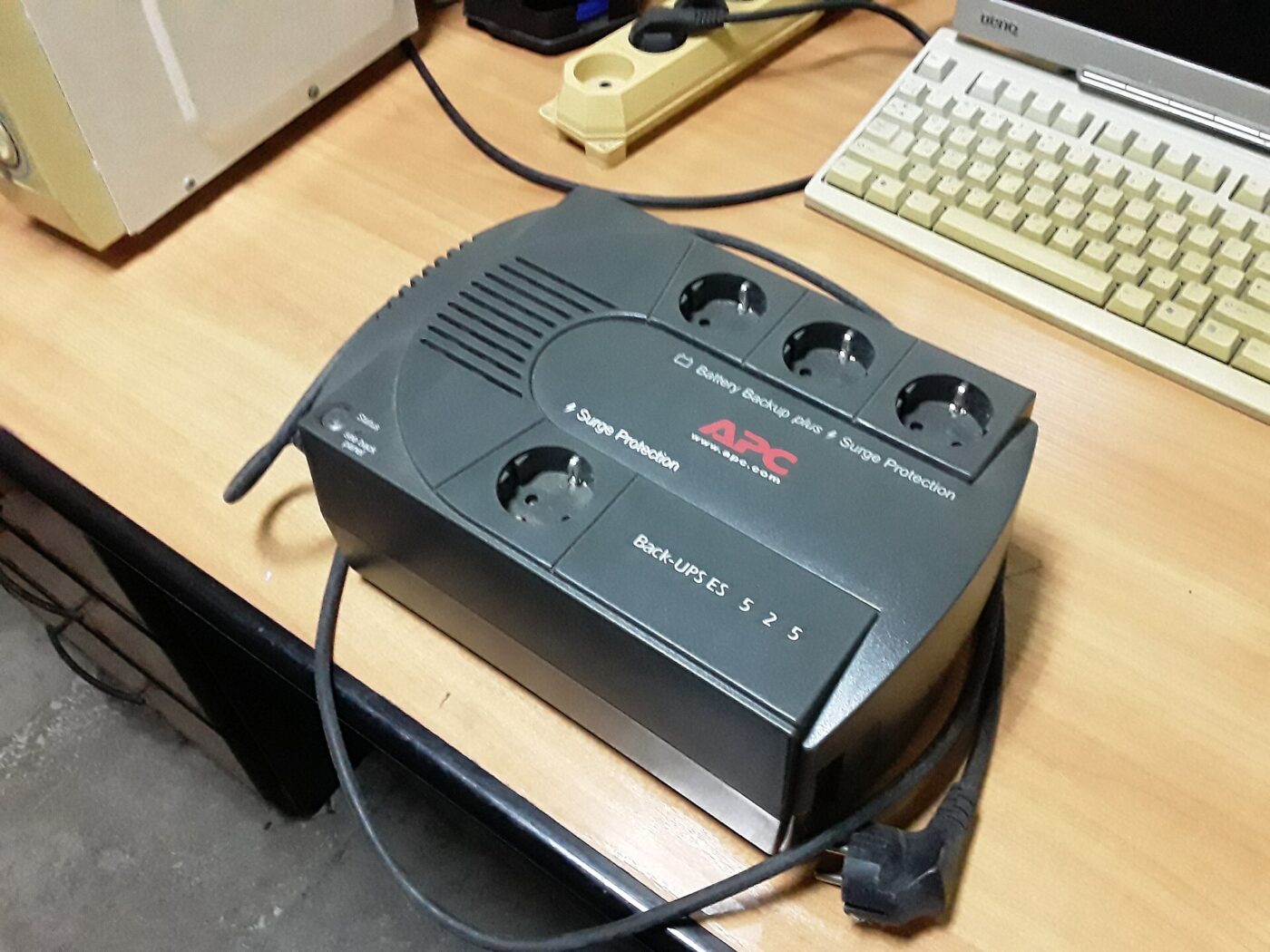
A home office is a small data center with worse power. The computer, the monitor, the network box and whatever the employer counts as a phone all run from one wall socket, and none of them handle a two-second blackout gracefully. An uninterruptible power supply, the box usually sold as a battery backup, exists to bridge exactly that gap.
The case for one got stronger in the most recent official data. The Energy Information Administration reported on December 1, 2025, drawing on its Electric Power Annual 2024, that US electricity customers averaged 11 hours of interruptions in 2024, nearly twice the annual average of the decade before. The caveat matters as much as the headline: EIA said major events such as Hurricanes Beryl, Helene and Milton accounted for 80 percent of those hours, and that interruptions not triggered by major events routinely average about two hours a year.
Trend Signal
46/100 Steady momentum
- Emerging
- Rising
- Mainstream
- Peaking
- Cooling
Longer outages, mostly from storms, and a steady desk product
The Energy Information Administration reported on December 1, 2025, from its Electric Power Annual 2024, that US electricity customers averaged 11 hours of interruptions in 2024, nearly twice the 2014 to 2023 average, with major events accounting for 80 percent of those hours and interruptions outside major events running about two hours a year.
Our editorial reading of the cited data, not a forecast. How it is scored
By the numbers
- 11 hoursAverage US electricity interruption per customer in 2024EIA
- 80%Share of 2024 interruption hours attributed to major events such as hurricanesEIA
- 5.5 hoursAverage US electricity interruption per customer in 2022, for comparisonEIA
- 52%Energy waste reduction ENERGY STAR claims for certified units, page read September 2026ENERGY STAR
What the outage numbers say
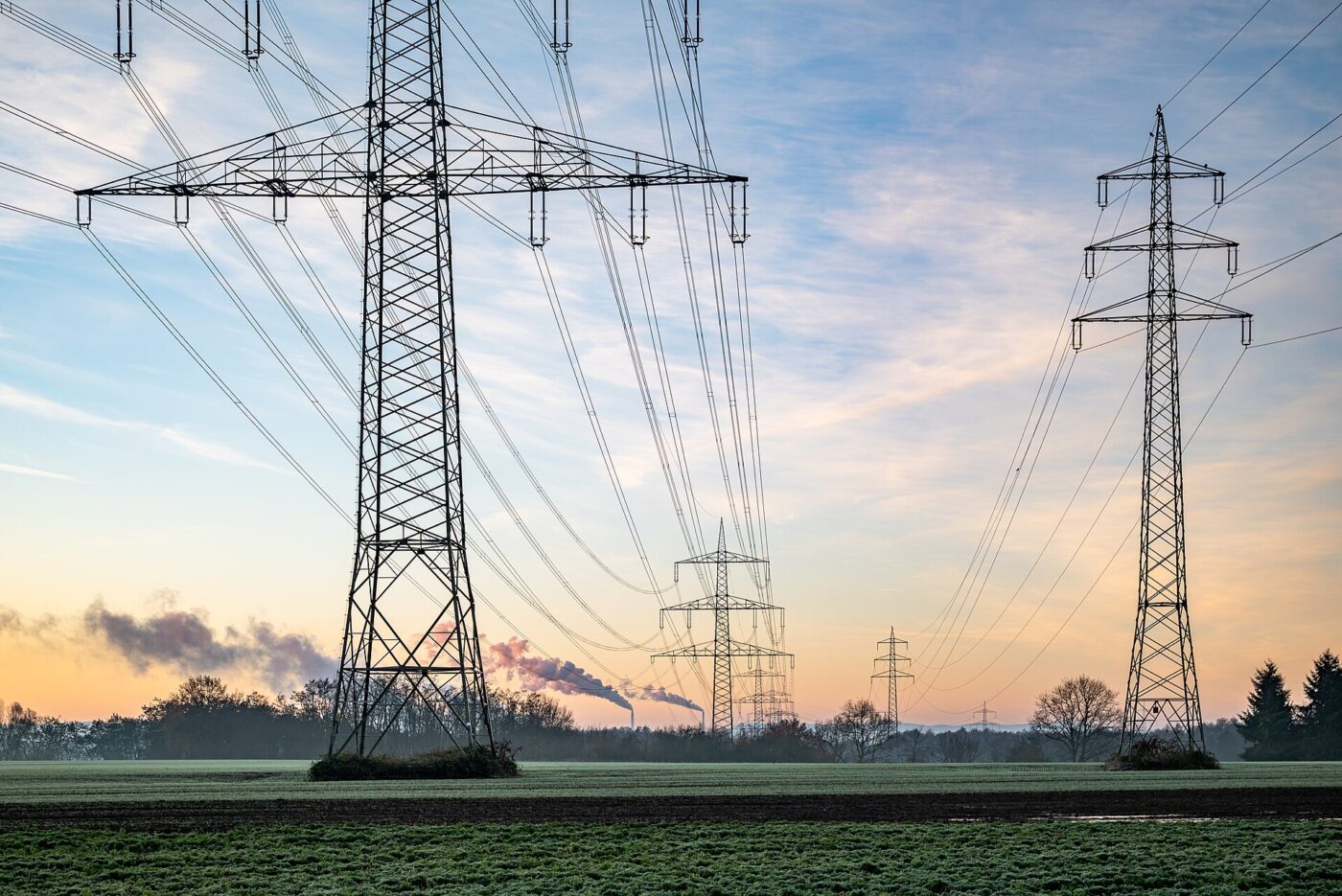
EIA measures this with SAIDI, the system average interruption duration index, which counts the total duration an average customer spends without power in a year. In 2022 the agency reported five and a half hours. For 2024 it reported 11 hours, and described that as nearly twice the annual average across 2014 through 2023.
Most of the increase is weather. EIA attributed nearly nine of the 2024 hours to major events, against an average of nearly four hours a year from 2014 through 2023, and named Hurricanes Beryl, Helene and Milton. Strip those out and the baseline is remarkably stable at about two hours a year.
Those two figures point at different purchases. A multi-day hurricane outage is not a desk problem, and no battery backup that fits under a desk will carry a household through one. The steady two hours of ordinary interruptions, arriving in minutes rather than days, is the part a desk unit is designed for.
Buy a desk battery backup for the short, ordinary outages, not for hurricane season.
What a battery backup actually does
The core function is a fast switch. When the wall power fails, the unit runs the attached equipment from its internal battery within a fraction of a second, so the computer never sees an interruption. That buys time to save files and shut down cleanly, and it keeps a network box running through a flicker that would otherwise reboot it.
ENERGY STAR’s advice for shoppers, on its uninterruptible power supplies page as published in September 2026, is short: buy a unit with software that shuts down and backs up computers, with surge protectors on the input and communication lines, and with automatic battery tests that warn when the batteries should be replaced. The same page says certified models reduce energy waste by up to 52 percent against conventional battery backups, and that its specification, version 2.0, effective January 1, 2019, sets minimum average efficiencies by rated output power.
Schneider Electric, on the page for its APC Smart-UPS line-interactive range as published in September 2026, calls those units an ideal UPS for servers, point-of-sale, routers, switches, hubs and other network devices. That is the correct mental model for a home office: this is network and computer equipment protection, not household backup power. A portable power station is a different product for a different job.
Sizing, in the two numbers that matter

Battery backups are advertised in volt-amperes and rated separately in watts, and the watt figure is the binding one. A unit quoted with a high VA number can have a much lower watt rating, and the equipment plugged into it draws watts. Add up the draw of the computer, the monitor and the network box, and compare that with the watt rating rather than the headline VA.
Runtime then falls away quickly as load rises. The same battery that holds a router for an hour may hold a desktop and two monitors for a few minutes. Those few minutes are the point: the goal is a controlled shutdown and a network that survives a flicker, not working through the outage.
It is also why the outlets are usually split: some sockets get battery and surge protection, others surge only, so a printer or a desk lamp does not eat the battery. Check which socket is which before plugging anything in.
- Compare the watt rating, not the volt-ampere figure, against what you plug in
- Look for software that can shut the computer down unattended, as ENERGY STAR advises
- Check which sockets are battery-backed and which are surge-only
The part everyone forgets: the battery is a consumable
A battery backup is one of the few desk purchases that quietly expires. ENERGY STAR advises buyers to consider an air conditioned location because battery lifetime is strongly temperature dependent, and says it decreases by 50 percent with every 15 degrees of temperature rise. It also advises looking for automatic battery tests that warn whenever the batteries should be replaced.
That turns the replacement battery into part of the purchase decision. Units that take a standard, labeled battery pack can be refreshed for a fraction of the cost of a new unit; units with a sealed, proprietary pack sometimes cannot be refreshed at all once the model is discontinued. Check the battery part number on the listing before buying, not after the alarm starts.
Check the replacement battery part number before you buy the unit that uses it.
What a battery backup is not
It is not a power strip, and a power strip is not a small battery backup. The distinction matters more than it used to on marketplaces: CPSC recalled about 11,200 ANNQUAN power strips on December 18, 2025 because they did not contain supplementary overcurrent protection, which creates a risk of fire if the strips are overloaded. They had sold on Amazon from December 2023 through October 2025 for $15 to $40, with seven reports of fuses blowing and no fires reported.
Where it earns its place is narrower and duller: a clean shutdown, a router that stays up through a flicker, and a call that survives the moment the power blinks. On the EIA numbers that arrives for the average US customer about two hours a year outside major events, which justifies a modest unit and not much more.
What to watch next
- The next EIA reliability release, for whether the 2024 jump to 11 hours holds once a quieter storm year is in the data
- The share of interruption hours EIA attributes to major events, which was 80 percent in 2024
- ENERGY STAR certified model listings, since the specification sets minimum efficiencies by rated output power
Where to start
Paid links: we earn a commission if you buy through the buttons below, at no extra cost to you. As an Amazon Associate I earn from qualifying purchases.
Desk power protection compared on what it keeps running
| Product type | Good fit for | Where to look |
|---|---|---|
| Desktop battery backup unit | Fits a desktop and monitor | See listings on AmazonOpens Amazon search results, not one listing: check the model on the product page. |
| Mini battery backup for a router | Fits a router and modem only | See listings on AmazonOpens Amazon search results, not one listing: check the model on the product page. |
| Replacement battery backup pack | Fits refreshing a unit you already own | See listings on AmazonOpens Amazon search results, not one listing: check the model on the product page. |
Product types that fit the trend described above, not tested models. Check the exact listing before you buy. How we pick them.
Desktop battery backup unit
Where to look: Amazon
The mainstream buy for a home office. Add up the watts of the computer, monitor and network box and compare that with the watt rating, which is lower than the advertised volt-amperes.
- Bridges short outages for a clean shutdown
- Usually includes shutdown software
- Runtime is minutes, not hours
- Battery needs replacing on a schedule
Mini battery backup for a router
Where to look: Amazon
The cheapest useful version of this purchase if the computer is a laptop with its own battery. Schneider Electric calls its APC Smart-UPS line-interactive units ideal for routers, switches and hubs.
- Keeps the connection alive through a flicker
- Small and quiet on a shelf
- Will not power a desktop
- Output voltage has to match the adapter
Replacement battery backup pack
Where to look: Amazon
ENERGY STAR advises looking for automatic battery tests that warn when replacement is due, which is the signal to buy this rather than a new unit.
- Cheaper than replacing the whole unit
- Restores the original runtime
- Part numbers must match exactly
- Sealed proprietary packs may not be available
More: Work and Office trends and how the Trend Signal is scored.
Sources
- US electricity customers averaged 11 hours of power interruptions in 2024 — US Energy Information Administration
- US electricity customers averaged five and one-half hours of power interruptions in 2022 — US Energy Information Administration
- Uninterruptible power supplies product information — ENERGY STAR
- ANNQUAN brand power strips recalled due to risk of fire, recall 26-161 — US Consumer Product Safety Commission
- APC Smart-UPS line-interactive product range — Schneider Electric
Questions readers ask
Do I need a UPS for a home office?
It depends on what fails when the power blinks. EIA reported that interruptions outside major events routinely average about two hours a year for the average US customer, which is the case a desk unit answers: a clean shutdown and a router that stays up. Households with laptops and cellular backup have less to gain.
How long will a desk battery backup run my computer?
Minutes, not hours, and the runtime falls sharply as the connected load rises. The design goal stated by ENERGY STAR is to have the unit shut the computer down and back it up on its own rather than to keep working through an outage.
Is volt-amperes the same as watts?
No. Units are advertised in volt-amperes and rated separately in watts, and the watt rating is what limits the equipment you can attach. ENERGY STAR’s specification sets minimum average efficiencies by rated output power and a minimum power factor of 90 percent for products meeting certain definitions.
How often does the battery need replacing?
ENERGY STAR does not set an interval, but it advises considering temperature control because battery lifetime is strongly temperature dependent, and choosing a unit with automatic battery tests that warn when the batteries should be replaced.