Between 2023 and early 2024 olive oil stopped being a cheap staple. Back-to-back poor harvests around the Mediterranean pushed producer prices to levels nobody in the trade had seen, and shoppers switched to other oils. European Commission price monitoring, which collects weekly producer prices from the main olive-growing member states, put Spanish national extra virgin at 903 euros per 100 kilograms in the week beginning January 15, 2024.
That is over. The same series put Spanish national extra virgin at 347 euros in the week beginning September 7, 2026, with Italy at 482 and Greece at 357.5. For reference, the figure in the week beginning September 5, 2022, before the spike, was about 392. Prices at the source are not merely down from the peak; they are below where they were before it started. Here is what that does and does not mean at a US checkout, and what to look for on the bottle now.
Trend Signal
30/100 Weak momentum
- Emerging
- Rising
- Mainstream
- Peaking
- Cooling
Producer prices are about 62 percent below the January 2024 peak
Spanish national extra virgin olive oil producer prices were 347 euros per 100 kilograms in the week beginning September 7, 2026, against a peak of 903 euros in the week beginning January 15, 2024, according to European Commission price monitoring.
Our editorial reading of the cited data, not a forecast. How it is scored
By the numbers
- 62%Drop in Spanish extra virgin producer prices since the January 2024 peak, our calculationEuropean Commission
- 903 eurosPeak Spanish extra virgin price per 100 kilograms, week beginning January 15, 2024European Commission
- 347 eurosSpanish national price per 100 kilograms in the week beginning September 7, 2026European Commission
- 0.3%US price change for fats and oils in the year to August 2026Bureau of Labor Statistics
How far the price actually fell

The European Commission publishes weekly producer prices for olive oil by member state and grade, which is the cleanest public series on what mills are actually getting paid. Spanish national extra virgin, the single biggest reference in the world market, peaked at 903 euros per 100 kilograms in the week beginning January 15, 2024. By the week beginning September 7, 2026 it was 347, a fall of roughly 62% on our calculation.
The decline is broad rather than a Spanish quirk. In the same September 2026 week the Commission recorded Italy at 482 euros and Greece at 357.5, and Spanish refined olive oil at 314.5 nationally. What makes the 2026 level notable is the comparison further back: the week beginning September 5, 2022, before the spike, was around 392 euros. Producer prices are not just off the peak, they are below the pre-crisis baseline in nominal terms, which in real terms is lower still.
At the mill gate, the 2023 to 2024 olive oil spike has completely unwound.
What reached US shelves, and what did not
US consumer data do not break out olive oil, which is the first thing to know before reading too much into them. The Bureau of Labor Statistics reports fats and oils as one line, and it fell 0.3% in the 12 months to August 2026. That line also contains butter, down 8.3% over the same period, and peanut butter, up 4.7%, so it is not a proxy for what a bottle of extra virgin costs.
The tariff position moved twice, both times on the IEEPA duties. Olive oil was not among the foods the White House removed from the reciprocal tariff regime on November 13, 2025; that list covered coffee and tea, cocoa and spices, tropical fruits and juices, bananas, oranges, tomatoes and beef. Then on February 20, 2026 the Supreme Court held in Learning Resources, Inc. v. Trump that the International Emergency Economic Powers Act behind those tariffs did not authorize them, which removed the charge for everyone rather than by category.
The gap between a 62% fall at the mill and a smaller fall on the shelf is mostly structural. Bottling, glass, freight, importer margin and retail markup are a large share of a US retail price, and none of them fell. The oil is the part that got cheaper.
What to check on the bottle
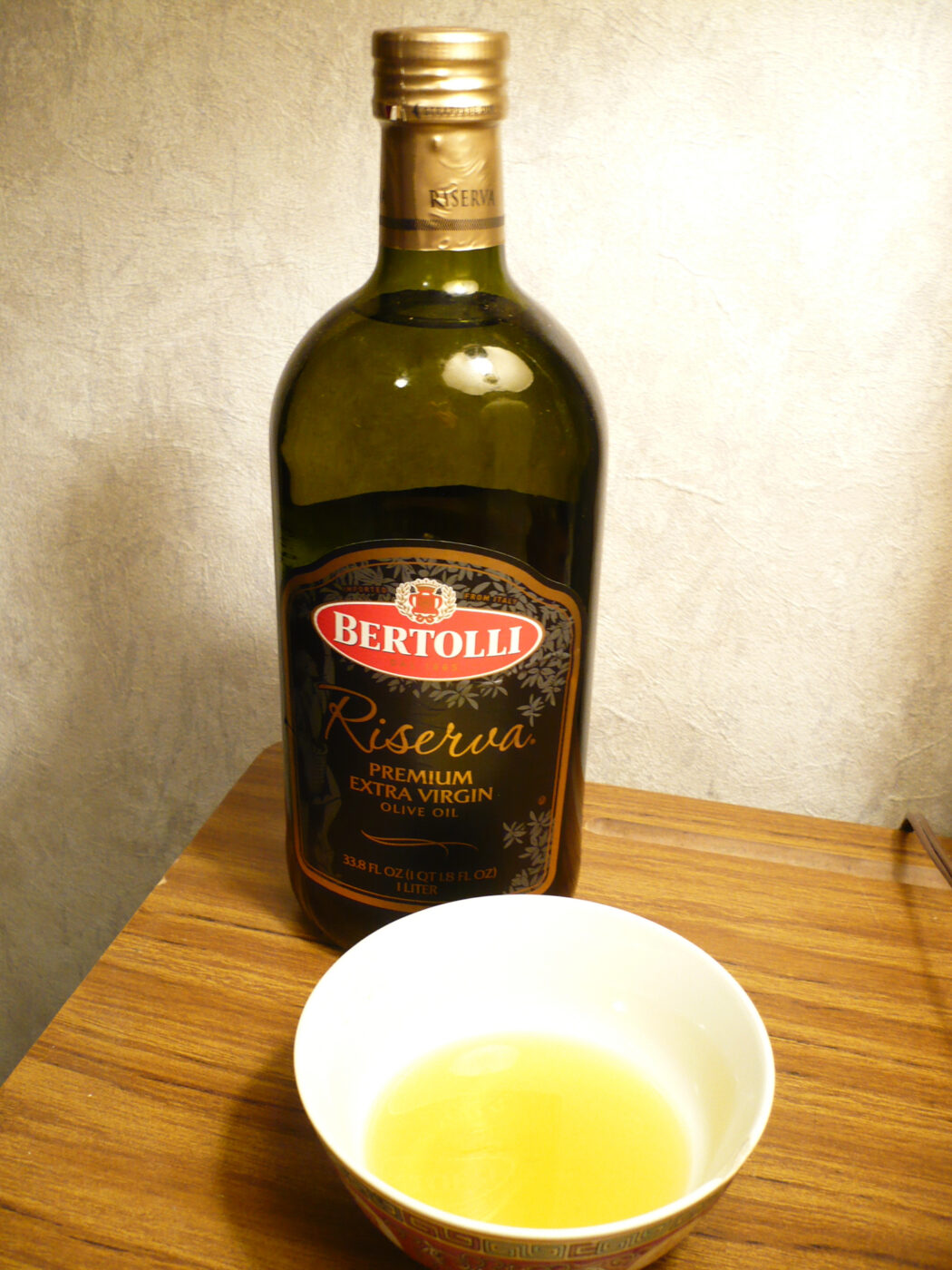
Look for a harvest date, not only a best-by date. Olive oil is a fruit juice that degrades from the day it is pressed, and a best-by date tells you when a bottler decided to stop guaranteeing it rather than when the olives were picked. Northern hemisphere oil is pressed between roughly October and January, so a bottle carrying the most recent harvest is the fresher buy.
Extra virgin is a defined grade rather than a marketing word. The European Commission price series labels the category extra virgin olive oil up to 0.8%, which is the maximum free acidity allowed; virgin is up to 2%, and refined olive oil is a separate, cheaper line in the same table. Oil sold simply as olive oil is usually a blend containing refined oil.
Packaging matters here more than at any other price point, because light and heat are what turn good oil flat. The North American Olive Oil Association, whose members it says account for over three-quarters of the olive oil sold in the United States, runs a certification seal and publishes testing reports; a seal is not a guarantee of taste, but it is a signal that someone tested the contents.
- Harvest date printed on the label, ideally from the most recent northern hemisphere pressing.
- A stated grade: extra virgin, virgin or refined, not just the words olive oil.
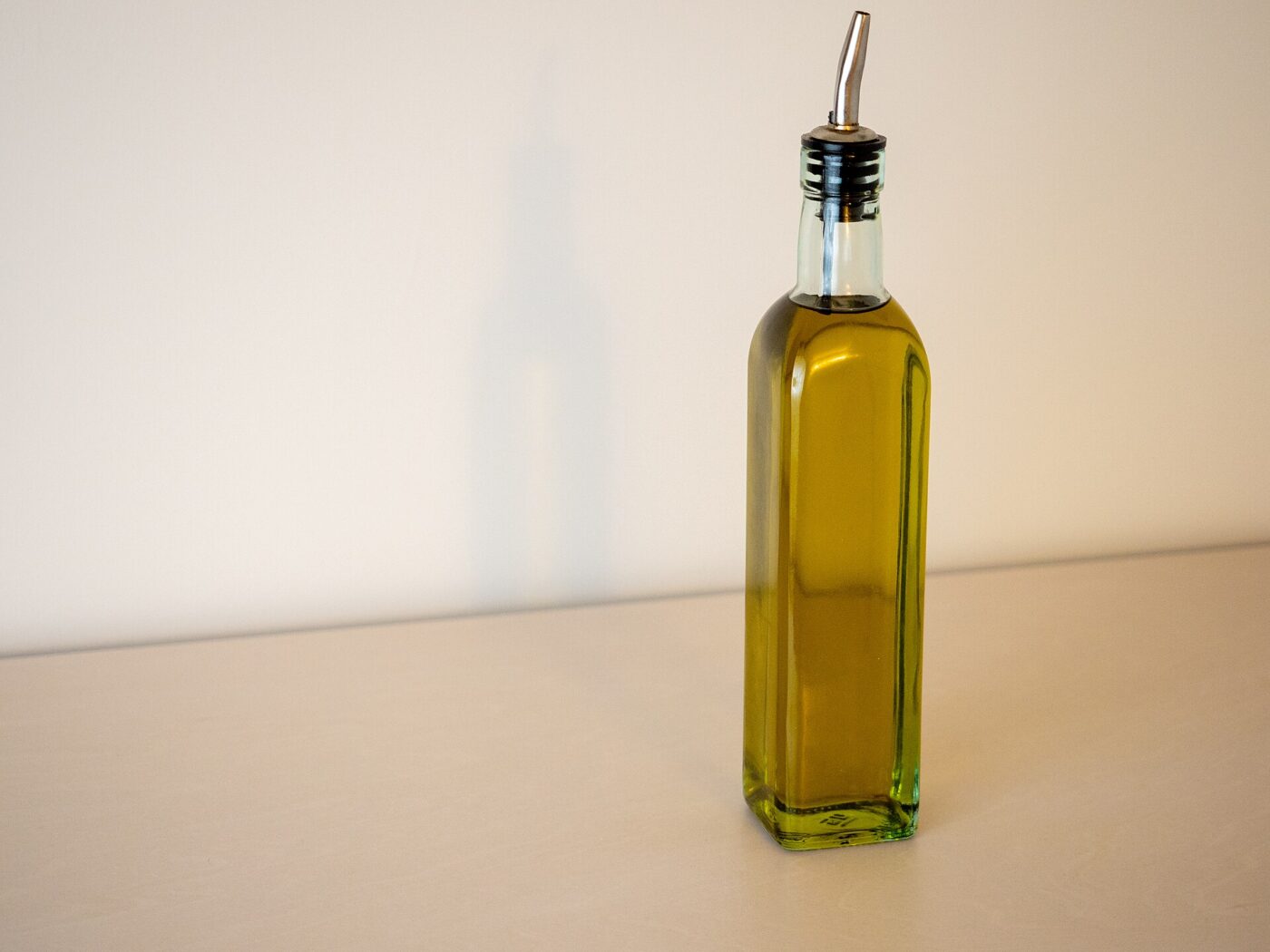
- Dark glass, a tin, or a box rather than clear glass.
- A single country or estate of origin if you care about taste consistency between bottles.
Buying big without wasting it
The cheapest way to buy olive oil is the large tin, and the fastest way to waste it is to leave that tin open next to the stove. Every time it is opened it takes on air, and the headspace grows as the oil is used. Decant a couple of weeks of oil into a small dark bottle and keep the tin closed, cool and out of the light.
Match the grade to the job. Extra virgin has the aroma and the peppery finish people pay for, and it is worth it raw: salads, bread, finishing a soup. For shallow frying or a tray of roast vegetables, a cheaper grade or a plain olive oil blend does the same work, and the difference will not survive the heat. Buy quantities you can finish within a year of the harvest date; two medium tins bought six months apart usually beat one very large one.
Who should buy now and who should wait
Anyone who cooks with olive oil regularly should be buying at this level rather than waiting. Producer prices are below the pre-spike baseline, the IEEPA tariff charge that applied to imported food through 2025 has been struck down, and there is no visible mechanism that would push retail lower still in the near term.
If you stopped buying olive oil during the spike and switched to another oil, this is the point to compare again on price per ounce rather than on memory. The one group that should hold off is anyone tempted to buy a year’s worth at once: the next northern hemisphere harvest is pressed from around October, and a bottle from a fresh crop beats a discounted bottle from an older one.
What to watch next
- The European Commission weekly olive oil price file, which reports producer prices by member state and grade.
- Whether the next northern hemisphere harvest, pressed from around October, holds Spanish prices near this level or turns them back up.
- Harvest dates on the shelf, which show how fast a retailer rotates stock from the last pressing.
Where to start
Paid links: we earn a commission if you buy through the buttons below, at no extra cost to you. As an Amazon Associate I earn from qualifying purchases.
Olive oil formats compared on freshness, cost per ounce and storage
| Product type | Good fit for | Where to look |
|---|---|---|
| Extra virgin olive oil in a tin | Fits the lowest cost per ounce | See listings on AmazonOpens Amazon search results, not one listing: check the model on the product page. |
| Extra virgin in a dark glass bottle | Fits finishing and salads | See listings on AmazonOpens Amazon search results, not one listing: check the model on the product page. |
| Dark dispenser bottle for decanting | Fits keeping a big tin fresh | See listings on AmazonOpens Amazon search results, not one listing: check the model on the product page. |
Product types that fit the trend described above, not tested models. Check the exact listing before you buy. How we pick them.
Extra virgin olive oil in a tin
Where to look: Amazon
The format that captures most of the fall in producer prices. It only works with a decanting bottle beside it.
- Lowest unit price
- Metal blocks light completely
- Hard to pour neatly
- Degrades once repeatedly opened
Extra virgin in a dark glass bottle
Where to look: Amazon
Where the aroma you are paying for actually shows up. Buy the grade and the harvest date here and save the blend for the frying pan.
- Easier to judge freshness by bottle
- Single-origin labels are common
- Higher price per ounce
- Clear glass versions sit next to it
Dark dispenser bottle for decanting
Where to look: Amazon
The cheap accessory that decides whether buying a large tin was clever or wasteful. Refill it, then keep the tin shut, cool and dark.
- Limits air contact in the main container
- Keeps the good oil within reach
- One more thing to wash
- Needs refilling every week or two
More: Food and Drink trends and how the Trend Signal is scored.
Sources
- Olive oil price monitoring, weekly producer prices by member state — European Commission, Agriculture and Rural Development
- Table 2. Consumer Price Index for All Urban Consumers, August 2026 — U.S. Bureau of Labor Statistics
- Opinions of the Court, October Term 2025 — Supreme Court of the United States
- Fact sheet on modifying the scope of the reciprocal tariffs for certain agricultural products — The White House
- About Olive Oil, certification and testing — North American Olive Oil Association
Questions readers ask
Is olive oil cheaper in 2026?
At the source, dramatically. European Commission price monitoring put Spanish national extra virgin at 347 euros per 100 kilograms in the week beginning September 7, 2026, against a peak of 903 in the week beginning January 15, 2024 and about 392 in the week beginning September 5, 2022. US retail lags because bottling, freight and retail margin did not fall with the oil.
What does extra virgin actually mean?
It is a graded category with a maximum free acidity, which the European Commission price tables state as up to 0.8% for extra virgin and up to 2% for virgin. Refined olive oil is a separate, cheaper grade in the same tables, and oil sold simply as olive oil is usually a blend containing refined oil.
Why should I look for a harvest date?
Because olive oil degrades from pressing, not from bottling. A best-by date tells you when the bottler stopped guaranteeing the oil; a harvest date tells you how old it is. Northern hemisphere oil is pressed from roughly October to January.
Do tariffs still add to the price of imported olive oil?
The reciprocal tariffs no longer apply to anything. Olive oil was not on the November 13, 2025 list of agricultural goods taken out of them, but on February 20, 2026 the Supreme Court held in Learning Resources, Inc. v. Trump (No. 24-1287) that the International Emergency Economic Powers Act, the law behind those tariffs, does not authorize the President to impose them.