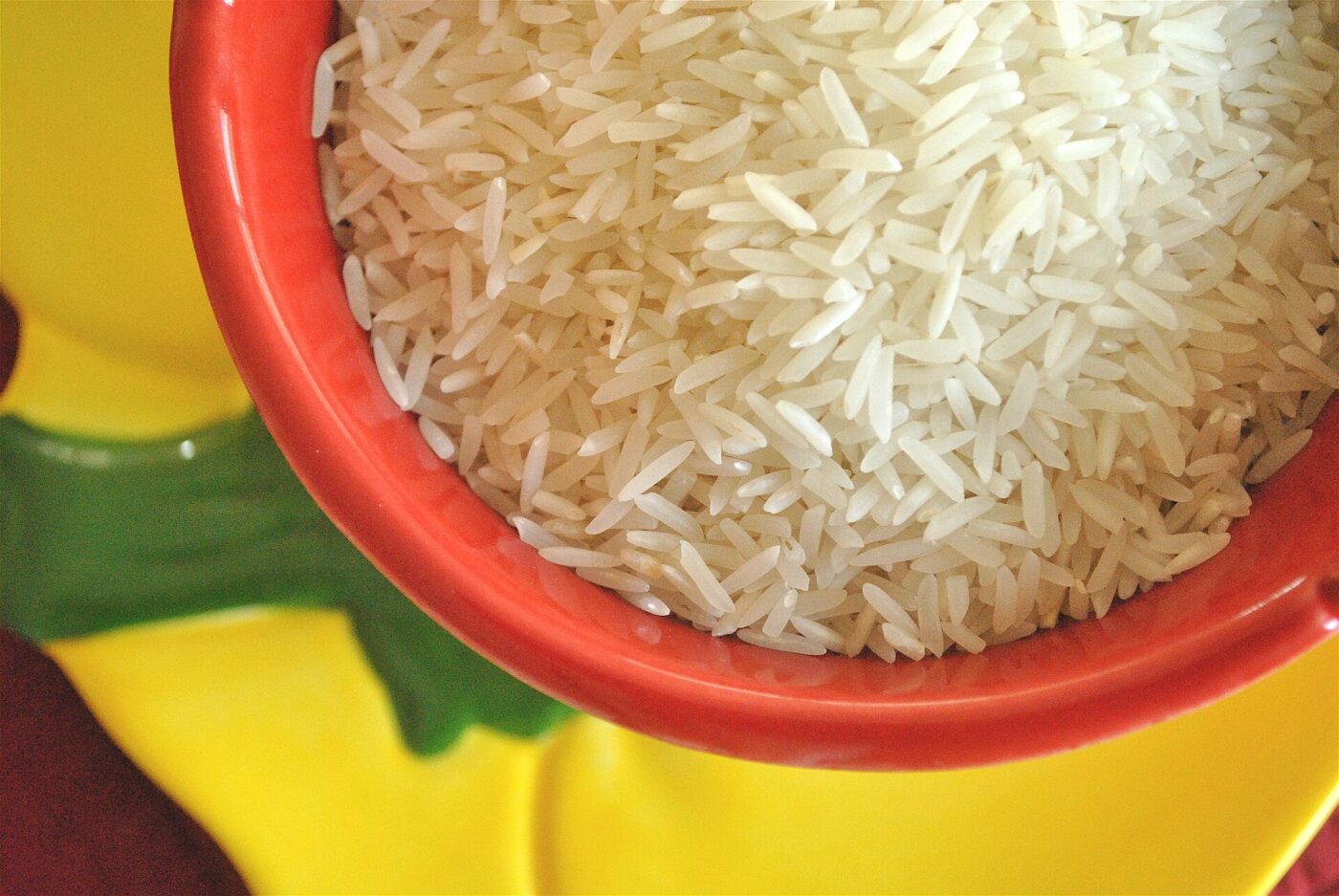
Rice is the staple people notice last. It sits in the same spot on the shelf for years, the bag looks the same, and the price moves in small enough steps that nobody makes a note of it. In the 12 months to August 2026 it moved more than most of the cart: the consumer price index for rice rose 4.7% and the average US price for a pound of uncooked long-grain white rice rose 4.9% to $1.111, while all food at home rose 2.2%.
Behind that is a crop number that is hard to overstate. USDA’s September 2026 Rice Outlook puts the 2026/27 all-rice harvest at 158.2 million hundredweight, the smallest in 33 years, grown on the fewest harvested acres since the 1972/73 season. The long-grain crop, which is what most American-grown white rice is, is forecast at the lowest level since 1987/88.
Trend Signal
66/100 Steady momentum
- Emerging
- Rising
- Mainstream
- Peaking
- Cooling
A 33-year low crop against a farm price forecast about 20 percent higher
USDA forecasts 2026/27 US all-rice production at 158.2 million hundredweight, a 33-year low, and a season-average farm price of $14.90 per hundredweight against a revised $12.40 the season before.
Our editorial reading of the cited data, not a forecast. How it is scored
By the numbers
- $1.111Average US price per pound of uncooked long-grain white rice, August 2026Bureau of Labor Statistics
- 158.2M cwtUSDA forecast for the 2026/27 US all-rice crop, a 33-year lowUSDA Economic Research Service
- $14.90USDA season-average farm price forecast per hundredweight, against $12.40 a season earlierUSDA Economic Research Service
- 2.06M acresUS rice area expected to be harvested in 2026, down 25 percent from 2025USDA NASS
What a pound of rice costs now
The two BLS measures agree. The consumer price index for rice rose 4.7% in the 12 months to August 2026, and the average-price series, which tracks actual dollars rather than an index, put uncooked long-grain white rice at $1.111 a pound in August 2026 against $1.059 in August 2025. Month to month it rose 1.0% from $1.100 in July 2026, on our calculation.
For scale, all food at home rose 2.2% over the same 12 months and the whole consumer price index rose 3.4%. Rice is running ahead of the aisle it sits in, which is unusual for a staple with a long shelf life and many competing brands. It is also still cheap in absolute terms, which is exactly why the crop story behind it is easy to miss.
Rice is up 4.9% a pound in a year while the food-at-home basket is up 2.2%.
Why the 2026 crop is so small
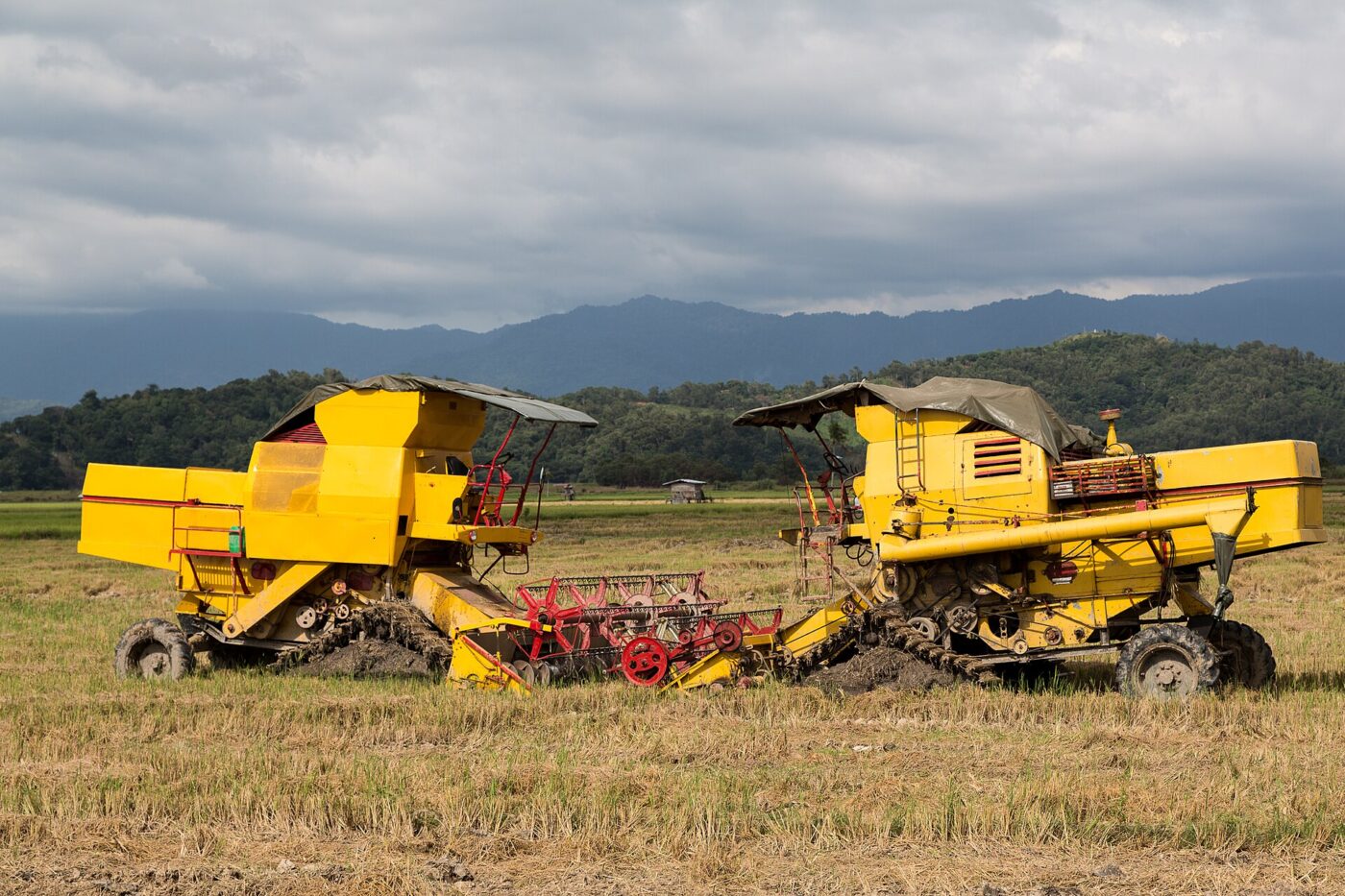
USDA’s National Agricultural Statistics Service put 2026 rice planted area at 2.10 million acres in its September 2026 Crop Production report, down 25% from 2025. Area for harvest is expected to total 2.06 million acres, which the Economic Research Service, reading the same data, puts at 2.057 million and calls the lowest since 1972/73. Yield is actually up, at 7,690 pounds per acre, but not nearly enough to offset the acreage.
The result is an all-rice crop of 158.2 million hundredweight against 206.7 million the season before, a fall NASS puts at 23%. The long-grain share, forecast at 103.5 million hundredweight, is the smallest since 1987/88. Long-grain is the class grown across the Grand Prairie, the Mississippi Delta and the Gulf Coast, and it is the class behind most domestically grown white rice.
Farm economics explain the switch. USDA forecasts the 2026/27 season-average farm price at $14.90 per hundredweight against a revised $12.40 for 2025/26, which is what a tight crop does to prices; the acreage decision that produced the tight crop was taken when the price was the lower number.
| US all-rice balance sheet | 2025/26 | 2026/27 forecast |
|---|---|---|
| Production, million hundredweight | 206.7 | 158.2 |
| Imports, million hundredweight | 42.8 | 49.8 |
| Total supply, million hundredweight | 303.4 | 266.4 |
| Ending stocks, million hundredweight | 58.4 | 40.4 |
| Season-average farm price per hundredweight | $12.40 | $14.90 |
The cushion that is about to get thinner
The reason shelves have not moved more than they have is a very large pile of old rice. USDA reported all-rice stocks as of August 1, 2026 at 58.4 million hundredweight, a 40-year high, with long-grain carry-in at 41.8 million hundredweight, also a 40-year high. That inventory is being sold into the market while the small new crop comes in.
It does not last. Ending stocks for 2026/27 are forecast at 40.4 million hundredweight, which USDA calls a three-year low and 31% lower than last season. Total use is forecast unchanged at 226.0 million hundredweight, so the drawdown is arithmetic rather than a projection about demand.
The export side is the other pressure valve. USDA ERS notes that the global market accounts for 40 to 45 percent of the annual sales volume of US-produced rice, and forecasts total exports of 78.0 million hundredweight for 2026/27. A small crop with a large export commitment leaves less slack for the domestic bag.
How much of your rice is even American
Less than people assume, and the share is growing. USDA forecasts 2026/27 imports at 49.8 million hundredweight against 42.8 million the season before, which is close to a fifth of forecast total supply on our calculation. US growers concentrate on long-grain in the South and on medium- and short-grain in California, so the country of origin printed on a bag is the quickest way to tell which supply you are buying from.
That split is useful for a shopper. Domestic long-grain white rice is exposed to the small US crop and to the export program; imported rice is exposed to a different set of harvests, currencies and freight routes. The two do not have to move together, and in a year like this one they may not.
Medium- and short-grain rice, grown almost entirely in California’s Sacramento Valley, sits in a third bucket. Its carry-in was raised to 14.1 million hundredweight, slightly above the previous five-year average, so it starts the season with a little more room than long-grain does.
Who should buy the big bag now
Anyone who eats rice several times a week has a reasonable case for buying a large bag while the carry-in stocks are still being worked through. White rice stored cool, dark and airtight keeps for a long time, and the price gap between a 20-pound bag and repeated small bags is usually larger than a year of 4.9% inflation.
Brown rice is the exception. It keeps its bran and the oil in it, so it has a much shorter useful life than white rice and is a poor candidate for stockpiling. Buy that in quantities you will actually get through.
Everyone else can ignore this. A 4.9% increase on a food that costs a dollar a pound is not a reason to change how you shop. The number worth watching is the farm price, because the $14.90 forecast has not fully reached retail yet.
What to watch next
- The monthly USDA Rice Outlook, for whether the 2026/27 ending-stocks forecast keeps falling from 40.4 million hundredweight.
- The BLS average-price series for long-grain white rice, which reports actual dollars per pound every month.
- The next USDA planting figures, for whether the record farm price pulls acreage back above 2.1 million.
Where to start
Paid links: we earn a commission if you buy through the buttons below, at no extra cost to you. As an Amazon Associate I earn from qualifying purchases.
Ways to buy rice compared on cost, storage and shelf life
| Product type | Good fit for | Where to look |
|---|---|---|
| Long-grain white rice in a large bag | Fits the lowest cost per pound | See listings on AmazonOpens Amazon search results, not one listing: check the model on the product page. |
| Airtight rice storage container | Fits keeping a big bag fresh | See listings on AmazonOpens Amazon search results, not one listing: check the model on the product page. |
| Imported jasmine or basmati rice | Fits cooks who want aromatic types | See listings on AmazonOpens Amazon search results, not one listing: check the model on the product page. |
Product types that fit the trend described above, not tested models. Check the exact listing before you buy. How we pick them.
Long-grain white rice in a large bag
Where to look: Amazon
The straightforward hedge against a tightening domestic supply. It only works if the rice stays cool, dark and sealed, so buy the container at the same time as the bag.
- Lowest unit price by a wide margin
- Long shelf life when stored dry
- Needs real storage space
- Exposed to the small US crop
Airtight rice storage container
Where to look: Amazon
The piece most people skip. A 20-pound bag left folded over in a cupboard is why bulk rice gets a reputation for going stale, and a sealed container removes the problem.
- Keeps out moisture and pantry pests
- Makes bulk buying practical
- Takes up floor or shelf space
- Capacity claims vary by grain
Imported jasmine or basmati rice
Where to look: Amazon
Imports are forecast at close to a fifth of US supply for 2026/27, up from the season before. If the small domestic crop is the worry, an imported bag is the part of the aisle least tied to it.
- Different supply chain from US long grain
- Distinct aroma and texture
- Usually a higher price per pound
- Exposed to freight and currency swings
More: Food and Drink trends and how the Trend Signal is scored.
Sources
- Rice Outlook, September 2026, report RCS-26H — USDA Economic Research Service
- Crop Production, September 2026 — USDA National Agricultural Statistics Service
- Rice sector at a glance — USDA Economic Research Service
- Table 2. Consumer Price Index for All Urban Consumers, August 2026 — U.S. Bureau of Labor Statistics
- Average retail food and energy prices, U.S. city average — U.S. Bureau of Labor Statistics
Questions readers ask
Why is rice getting more expensive in 2026?
The US crop is very small. USDA forecasts 2026/27 all-rice production at 158.2 million hundredweight, a 33-year low, from 2.057 million harvested acres, the fewest since 1972/73. The season-average farm price forecast is $14.90 per hundredweight against a revised $12.40 the season before.
How much does rice cost per pound right now?
BLS put the US city average for uncooked long-grain white rice at $1.111 a pound in August 2026, up 4.9% from $1.059 in August 2025 and up 1.0% from July 2026.
Is there a rice shortage?
No. USDA reported all-rice stocks on August 1, 2026 at a 40-year high of 58.4 million hundredweight, and forecasts total use for 2026/27 unchanged at 226.0 million. Supply is tightening from an unusually full starting point, which is a price story rather than an availability one.
Is imported rice affected the same way?
Not directly. USDA forecasts 2026/27 imports at 49.8 million hundredweight, up from 42.8 million and close to a fifth of total US supply. Imported rice comes from different harvests than the US long-grain crop, so the two do not have to move together. The country of origin on the bag tells you which one you are buying.
Does buying a big bag actually save money?
Usually, if you can store it. The price per pound on a large bag is normally well below repeated small bags, and white rice keeps for a long time when it is sealed, cool and dark. Brown rice keeps its oil-bearing bran and does not store nearly as well, so it is a poor candidate for stockpiling.