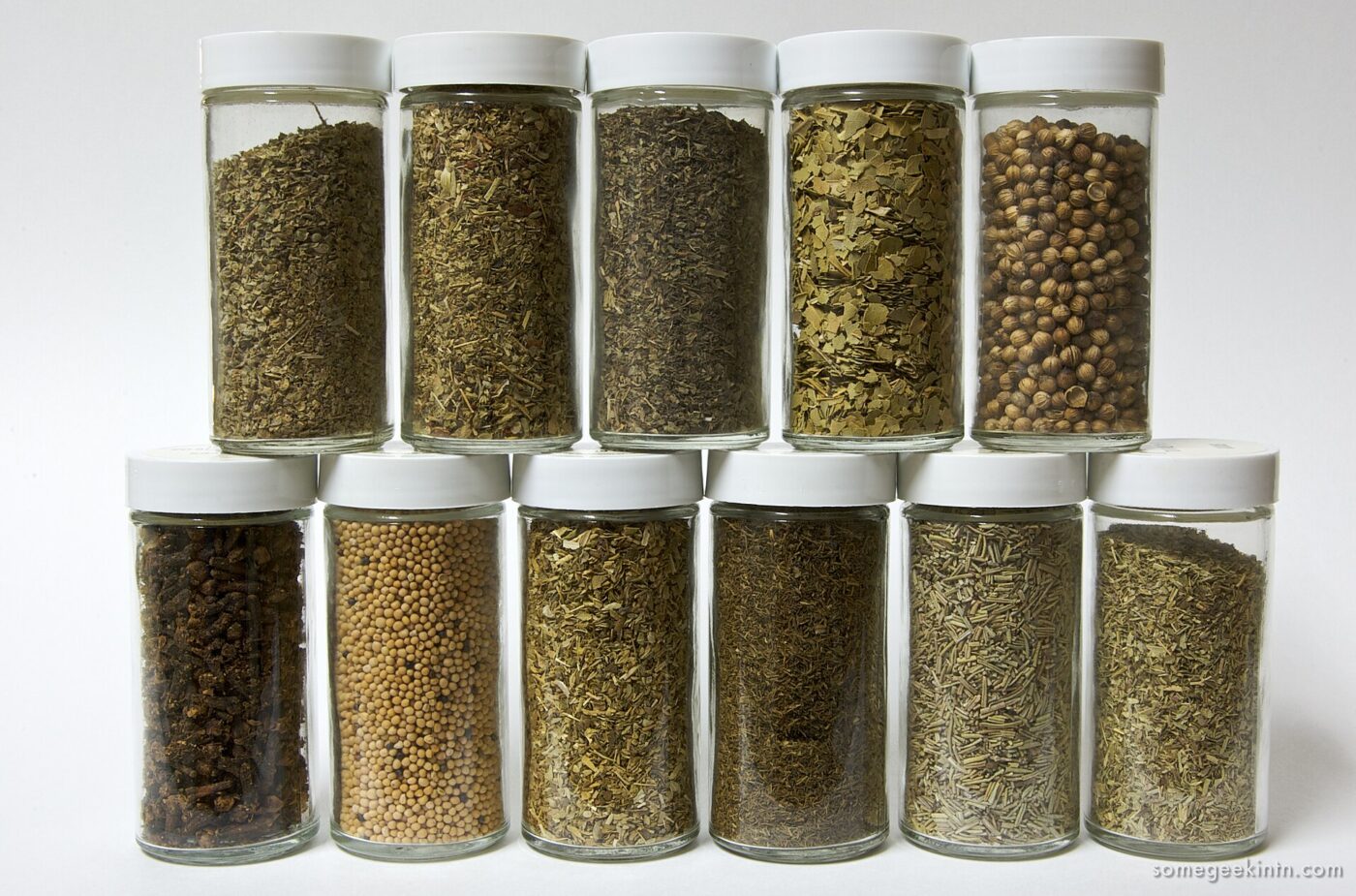
Almost nothing in a spice rack can be grown in the United States at commercial scale. Black pepper needs the hot, humid conditions of India, Vietnam or Brazil. Vanilla is hand-pollinated, mostly in Madagascar. Cinnamon is bark from trees that do not survive a US winter. The American Spice Trade Association counted more than $2 billion of US spice imports in 2024 from over 50 countries, and named 17 it asked to have shielded from tariffs, from vanilla and cloves to salt and bay leaves.
So when the tariffs on those imports were lifted, then struck down, then refunded, the reasonable expectation was relief on the shelf. It has not arrived. In the 12 months to August 2026, the US consumer price index for salt and other seasonings and spices rose 4.9%, more than twice the 2.2% increase for all food at home.
Trend Signal
52/100 Steady momentum
- Emerging
- Rising
- Mainstream
- Peaking
- Cooling
Seasoning prices are rising more than twice as fast as food at home
US prices for salt and other seasonings and spices rose 4.9% in the year to August 2026 against 2.2% for all food at home, even though the IEEPA tariffs that had applied to imported spices were struck down on February 20, 2026 and are being refunded to importers.
Our editorial reading of the cited data, not a forecast. How it is scored
By the numbers
- 4.9%US price increase for salt and other seasonings and spices in the year to August 2026Bureau of Labor Statistics
- 2.2%US price increase for all food at home over the same 12 monthsBureau of Labor Statistics
- $30.8MTariff refund McCormick requested from US Customs on April 28, 2026SEC filing
- $2BUS spice imports in 2024 from more than 50 countries, per the spice trade associationFood Dive
What happened to the spice tariff
Three things happened in sequence. First, effective November 13, 2025, the White House removed a list of agricultural goods from the scope of the reciprocal tariffs, which were imposed under the International Emergency Economic Powers Act, by adding them to Annex II of Executive Order 14257. The fact sheet cited progress in trade negotiations along with current domestic demand for, and domestic capacity to produce, certain products. Cocoa and spices were on the list, with coffee and tea, tropical fruits and juices, bananas, oranges, tomatoes and beef.
Second, on February 20, 2026, the Supreme Court decided Learning Resources, Inc. v. Trump (No. 24-1287). The Court’s summary of the holding is one sentence long: the International Emergency Economic Powers Act, 91 Stat. 1626, does not authorize the President to impose tariffs. That removed the legal basis for the duties rather than carving out exceptions to them.
Third, the money started moving back. McCormick’s quarterly filing describes the sequence precisely: the Court of International Trade ordered US Customs to begin refunds on March 4, 2026, Customs opened a refund portal on April 20, 2026, and McCormick filed on April 28, 2026 for $30.8 million, covering duties paid from February 2025 until February 2026. In the quarter ended May 31, 2026 it reduced cost of goods sold by $27.6 million to reverse the expense.
The IEEPA tariff on spices was exempted, then invalidated, then refunded, all within about six months.
Why none of that showed up on the shelf
A refund is not a price cut. The $30.8 million goes to the importer that paid the duty, against inventory that was bought, packed and in many cases already sold. McCormick recorded it as a reduction in cost of goods sold and told investors the benefit would be offset by other inflation, so the effect was a one-time accounting gain rather than a standing reduction in what a jar costs to make.
The rest of the cost stack kept rising. In the same filing McCormick reported gross margin up 270 basis points in its second quarter, driven mainly by an acquisition, favorable pricing, the refund and its own cost savings program, and partly offset by increased commodity costs and higher freight costs because of conflict in the Middle East. Freight out of South and Southeast Asia is not a tariff line, and no court ruling touches it.
There is also a lag built into the category. Spices are bought forward, dried, cleaned, milled, blended and packed months before they reach a store, so the jar on the shelf in August 2026 reflects raw material bought well before February.
Where the money in a spice jar actually goes
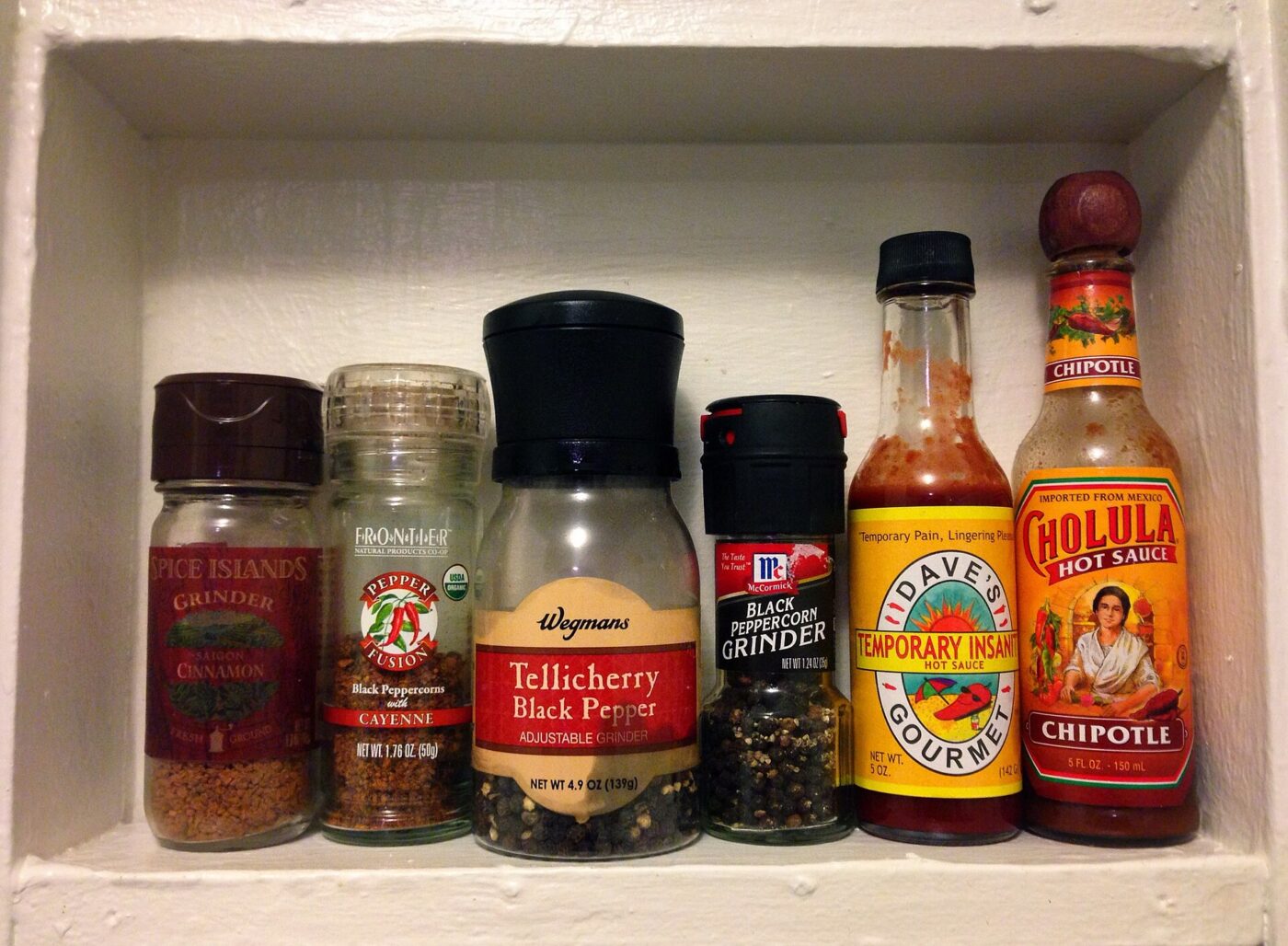
The spice itself is a small part of the retail price. A supermarket jar holds an ounce or two; the glass, the lid, the label, the shelf space and the distribution are all sized for that jar rather than for the contents. This is why the per-ounce price of the same ground spice can differ several times over between a branded jar, a store-brand jar and a bag in the international aisle.
The consumer price index splits along the same line. Sauces and gravies rose only 1.5% over the year to August 2026 while the narrower salt, seasonings and spices line rose 4.9%: the closer a product is to raw imported spice, the more it moved. For buyers the practical conclusion is that format is a bigger lever than brand. Buying the same spice as a bag rather than a jar, or whole rather than ground, changes the price per ounce far more than any tariff refund will.
- Compare price per ounce, not price per jar; jar sizes vary more than shoppers expect.
- Whole spices such as peppercorns, cumin seed, coriander and cloves keep their aroma far longer than pre-ground versions.
- Refill bags and bulk bins are usually the cheapest format per ounce, but they need airtight storage away from heat and light.
- Check for a packed-on or best-by date; ground spices lose potency long before they become unsafe.
What changed in the products themselves
Testing has become a visible part of the category. The US Food and Drug Administration says it continues to monitor ground cinnamon for lead, a program that followed the October 2023 recall of WanaBana apple cinnamon fruit puree, and on January 6, 2025 it issued final guidance setting action levels for lead in processed food intended for babies and young children.
The practical effect for shoppers is that testing programs and supplier disclosure have become a selling point rather than a back-office matter. The other product change is packaging: refill pouches, grinder-top jars and catering-size bags now sit alongside the classic small jar in most stores, which is what makes the per-ounce comparison worth doing every time rather than once.
How to buy spices while prices are still climbing
Buy small quantities of the spices you use rarely and large quantities of the two or three you use constantly. Ground spice loses aroma steadily once milled, so a cheap large jar of something used twice a year is not a saving. The arithmetic only works on the pepper, cumin or paprika you actually go through.
Where the spice is sold whole, buy it whole. Peppercorns, coriander, cumin and cloves all hold far longer in seed or berry form, and a grinder or a cheap mill turns them into the ground version on demand. That removes the part of the price paying for milling and for a jar sized around it. Wait on nothing: the IEEPA duties are already gone, the refunds are already flowing to importers, and the remaining pressure is commodity and freight.
What to watch next
- The salt, seasonings and spices line in the monthly BLS price index, for whether the gap with food at home narrows below two points.
- McCormick’s next quarterly SEC filing, for whether the tariff refund is followed by list price changes or absorbed by other inflation.
- Freight conditions out of South and Southeast Asia, which McCormick named as a cost driver alongside commodities.
Where to start
Paid links: we earn a commission if you buy through the buttons below, at no extra cost to you. As an Amazon Associate I earn from qualifying purchases.
Spice formats compared on price per ounce and how long they keep
| Product type | Good fit for | Where to look |
|---|---|---|
| Whole peppercorns and a grinder | Fits everyday grinding | See listings on AmazonOpens Amazon search results, not one listing: check the model on the product page. |
| Bulk spice refill bags | Fits the lowest cost per ounce | See listings on AmazonOpens Amazon search results, not one listing: check the model on the product page. |
| Empty spice jars and a rack | Fits organizing what you own | See listings on AmazonOpens Amazon search results, not one listing: check the model on the product page. |
Product types that fit the trend described above, not tested models. Check the exact listing before you buy. How we pick them.
Whole peppercorns and a grinder
Where to look: Amazon
The single change that does most for both cost and flavor. Whole spice keeps its volatile oils until you break it.
- Holds aroma far longer than ground
- Removes the milling cost
- Needs a grinder or mill
- Slower at the stove
Bulk spice refill bags
Where to look: Amazon
Worth it only for the handful of spices you genuinely get through. For anything used twice a year, the large bag is a slow way to buy stale spice.
- Usually the cheapest format
- Less packaging per ounce
- Needs airtight storage
- Easy to buy more than you use
Empty spice jars and a rack
Where to look: Amazon
The unglamorous half of buying in bulk. Refill bags only save money if there is somewhere sealed and dark to decant them into.
- Makes refills practical
- Uniform jars save shelf space
- Adds an upfront cost
- Needs relabeling discipline
More: Food and Drink trends and how the Trend Signal is scored.
Sources
- Table 2. Consumer Price Index for All Urban Consumers, August 2026 — U.S. Bureau of Labor Statistics
- Opinions of the Court, October Term 2025 — Supreme Court of the United States
- McCormick & Company, Form 10-Q for the quarter ended May 31, 2026 — U.S. Securities and Exchange Commission
- Tariffs shake up global spice market — Food Dive
- Fact sheet on modifying the scope of the reciprocal tariffs for certain agricultural products — The White House
- Lead in food and foodwares, including ground cinnamon monitoring — U.S. Food and Drug Administration
Questions readers ask
Are spices still tariffed in 2026?
No. The White House removed cocoa and spices, along with coffee, tea, tropical fruit, bananas, oranges, tomatoes and beef, from the scope of the reciprocal tariffs effective November 13, 2025. On February 20, 2026 the Supreme Court held in Learning Resources, Inc. v. Trump (No. 24-1287) that the International Emergency Economic Powers Act, the law those tariffs were imposed under, does not authorize the President to impose tariffs at all.
Then why are spice prices still going up?
Refunds go to the importer, not the shopper, and they apply to duties already paid on inventory that has largely been sold. McCormick recorded its $30.8 million claim as a reduction in cost of goods sold and said the benefit would be offset by other inflation, including higher commodity and freight costs.
Why cannot the US just grow its own spices?
Climate, mostly. Black pepper needs the hot, humid conditions of India, Vietnam or Brazil, vanilla is hand-pollinated in places like Madagascar, and cinnamon is bark from trees that do not survive a US winter.
Is buying spices in bulk actually cheaper?
Per ounce, almost always. Whether it saves money depends on use: ground spices lose aroma steadily once milled, so a large bag of something used twice a year is a slow waste. Buy bulk for the two or three spices you go through and small jars for everything else.