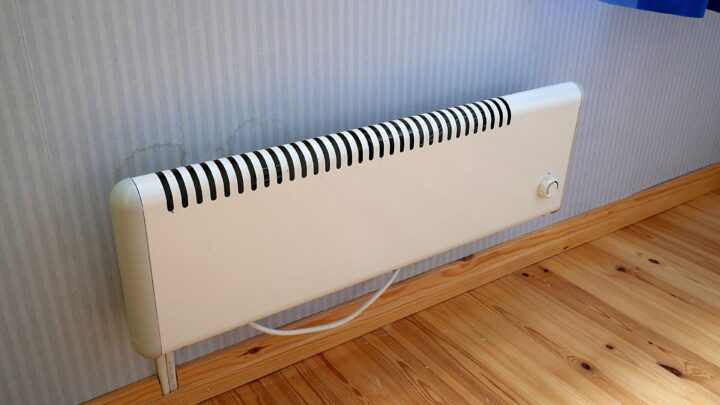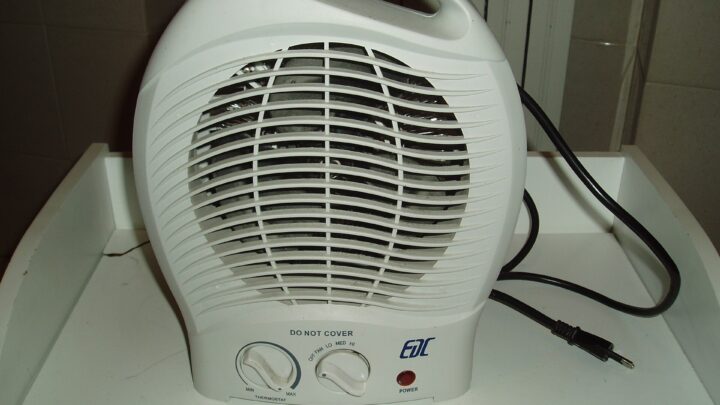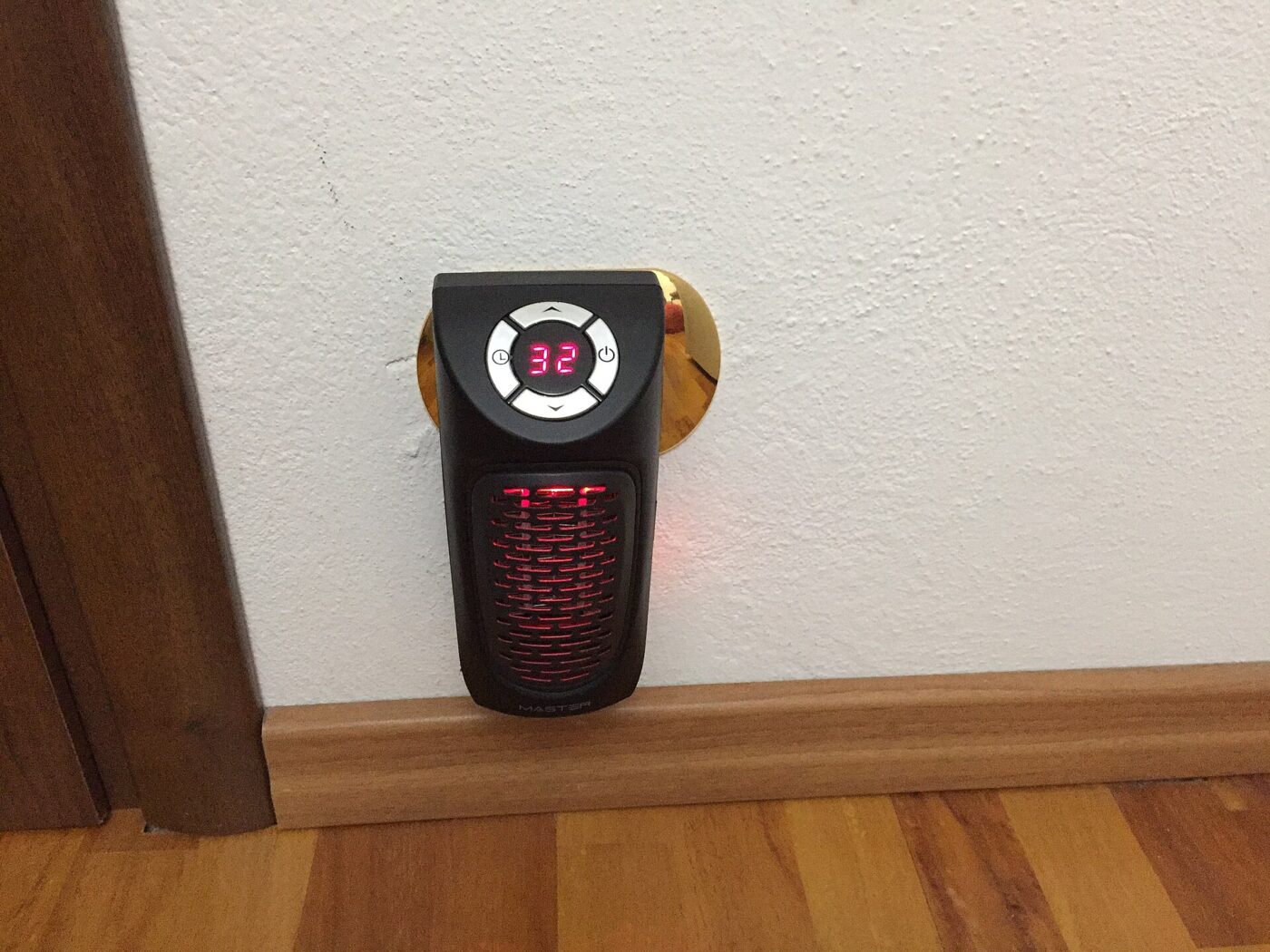
We have not tested any heater named here and will not imply otherwise. The comparison is between what manufacturers publish about their own control systems and what CPSC recall notices record about control systems that failed. Every model named either appears by name in a federal recall notice or is currently sold in the United States with a full specification on the maker’s own site, and each was checked by name against the CPSC recall database on September 25, 2026.
A decade ago the control on a portable heater was a bimetal strip behind a dial. It made or broke a circuit at roughly the temperature you set, and it was the only intelligence in the box. The same shelf now carries digital thermostats with a numeric setpoint, twelve-hour timers, eco modes and Wi-Fi. That shift is the market story in this category, and it is where the two largest recalls of the past three years came from.
Trend Signal
69/100 Strong momentum
- Emerging
- Rising
- Mainstream
- Peaking
- Cooling
App control arrived faster than the standard that governs it
The largest plug-in heater recall of the past three years was a control failure on connected models: about 512,500 Govee units on November 7, 2024, where testing found non-compliance with UL 1278 from wireless control features. A second connected recall, about 99,400 Atomi units on July 11, 2024, covered heaters that could turn on without user input.
Our editorial reading of the cited data, not a forecast. How it is scored
By the numbers
- 512,500US Govee smart heaters recalled November 7, 2024 over wireless control featuresCPSC
- 99,400US Atomi smart heaters recalled July 11, 2024 for turning on unpromptedCPSC
- 11 of 27Sampled heaters whose safety cutout needed a person to reset it, February 2023CPSC staff
- 18.31cUS average residential electricity price per kilowatthour, July 2026EIA
What a thermostat actually changes
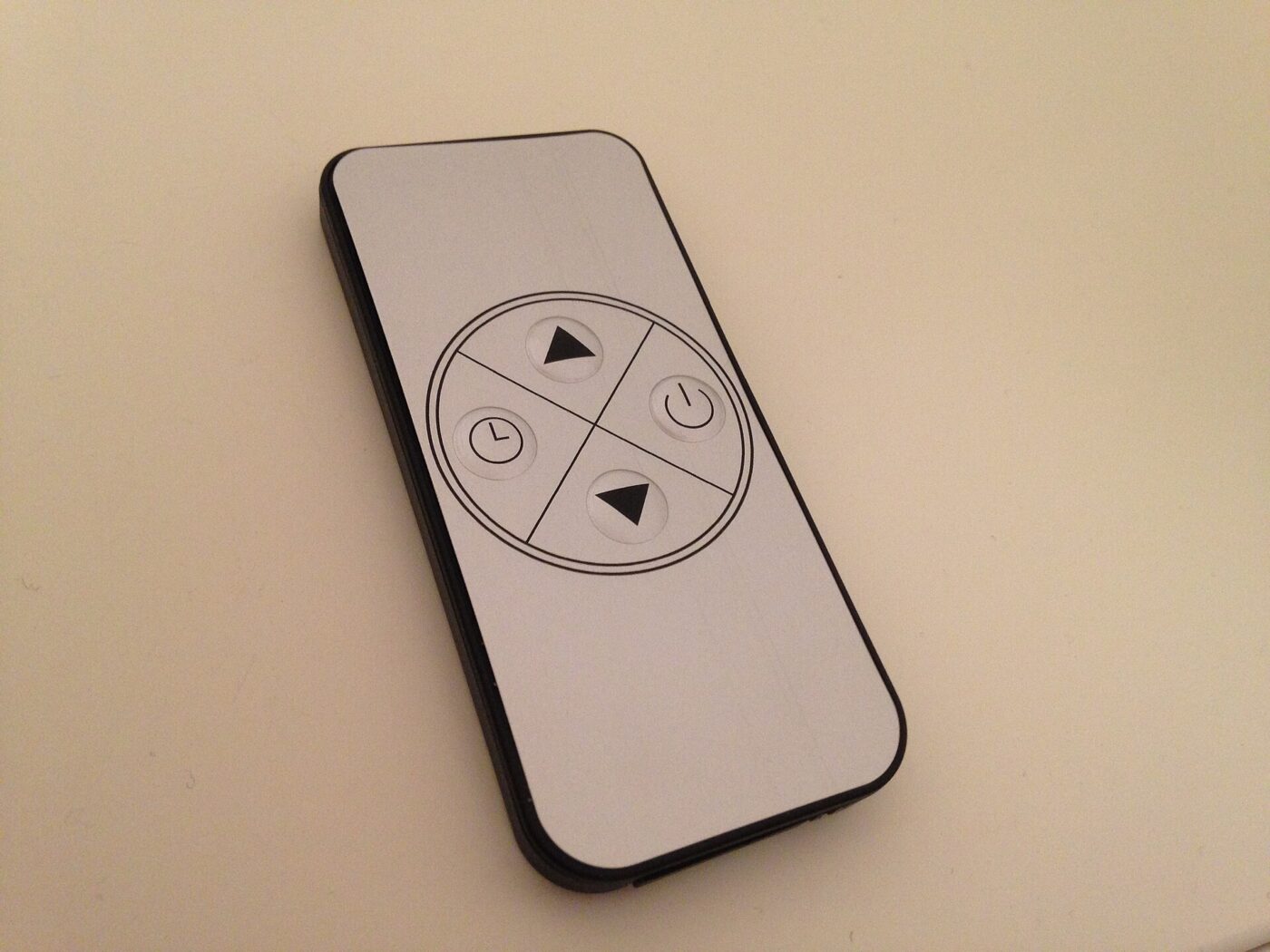
A thermostat on a resistance heater is a switch with an opinion. It does not throttle the element or lower the wattage; it decides when the element is energized. A 1,500-watt heater draws 1,500 watts in every minute it is on, whether the dial says 60 or 85 degrees. What it changes is the fraction of the hour spent on, which is why the same heater can cost half its nameplate rate in a sealed small room and the full rate in a leaky one.
That distinction matters when you read an eco mode. De’Longhi publishes its TRD40615E oil-filled radiator at 1,500 watts maximum and 700 watts minimum across three power settings, with a digital panel, a 24-hour timer, an adjustable thermostat, an ECO function it describes as regulating power flow and temperature, a thermal cut-off and a child lock. There, low and eco genuinely change the wattage. On a single-element ceramic heater with two settings, eco usually just lowers the target temperature.
The comfort thermostat is also not the safety cutout, and they are separate parts. CPSC staff recorded in February 2023 that 11 of their 27 samples had a manual-reset high-limit device only, eight an automatically resetting high limit, five a one-shot thermal fuse plus an auto-reset limit, and one a thermistor. That device acts when something goes wrong. The dial on the front acts when the room is warm enough.
A thermostat buys a lower duty cycle. It buys a lower wattage only if the specification says the watts change.
How the control moved from a dial to a radio

The standards record shows this coming well before the products did. UL Standards and Engagement publishes summaries from the standards technical panel for electric room heaters, and the bulletin dated March 20, 2015 opens with a status report from a UL 1278 task group on requirements for smart-enabled movable and wall- or ceiling-hung electric room heaters. The March 8, 2016 bulletin lists smart-enabled portable heaters and attachment plugs for portable heaters among its topics.
The products arrived faster than the paperwork settled. On July 11, 2024 CPSC announced a recall of about 99,400 Atomi smart heaters in the United States, sold from October 2019 through April 2024 through Amazon, Best Buy, Costco, Home Depot, Menards and Walmart among others, because the heaters could turn on without user input. The notice records one report of exactly that and no injuries.
Four months later came the larger one. On November 7, 2024 CPSC announced the recall of about 512,500 GoveeLife and Govee smart electric space heaters covering models H7130 through H7135, after 113 reports of overheating including seven fires and one minor burn. The hazard statement is unusually explicit: testing determined the heaters do not comply with the voluntary industry safety standard UL 1278, posing an overheating and fire risk from wireless control features.
What the published control specs look like now
Against that record, the useful move is to read what the control is specified to do rather than what it is called. The three models below sit at three points on the control spectrum, and we read every figure on the manufacturer’s own site on September 25, 2026. None appears in a CPSC recall notice under that model designation as of that date, which describes the database rather than the product.
Note what is missing from all three: an accuracy figure. No maker in this category publishes how far the room temperature may drift from the setpoint before the element re-energizes, and the standard does not require one. A numeric display implies a precision that nothing on the specification sheet supports, and that is the most common gap between a heater listing and a heater.
| Model | Thermostat type | Timer | Other published controls |
|---|---|---|---|
| Vornado VH200 | Thermostat knob, three heat settings | None published | 1,500 and 750 watts, tip-over protection |
| De’Longhi TRD40615E | Adjustable digital thermostat | 24-hour timer | 1,500 to 700 watts, ECO, child lock, thermal cut-off |
| Dr Infrared Heater DR-968 | Electronic thermostat, 50 to 85 degrees F | 12-hour auto shut-off | Remote, 39 dB claimed, tip-over shutoff |
What the shift is worth in money
The US average residential price of electricity was 18.31 cents per kilowatthour in July 2026, in the Electric Power Monthly released by the Energy Information Administration on September 24, 2026, against 17.45 cents in July 2025. At that price a 1,500-watt heater running continuously costs about 27 cents an hour by our arithmetic. A thermostat that holds the element off for a third of each hour takes that to about 18 cents. That is the whole financial case for the control, and it is real but modest.
Wattage moves more money. A heater that genuinely steps down to 700 watts costs about 13 cents an hour at the same national price, which beats any duty-cycle saving a thermostat can deliver at full power. So the specification line to hunt for is the minimum wattage, not the presence of a thermostat, and an eco mode that only lowers the target temperature is worth far less than one that lowers the draw.
The counter-signal is that connected control adds a failure mode a dial does not have. Two of the nine plug-in heater recalls we counted in the CPSC database since January 1, 2020 are control failures on connected models, and they account for about 612,000 of the roughly 1.47 million US units in that window. If you want the convenience, the timer and the setpoint are the parts that pay for themselves; the radio is the part that has carried the risk.
Minimum wattage is worth more than a thermostat, and both are worth more than an app.
What to watch next
- Whether UL 1278 gains published requirements for remote and scheduled activation
- New connected-heater notices in the CPSC recall database through the heating season
- Whether any maker starts publishing a thermostat accuracy or differential figure
Where to start
Paid links: we earn a commission if you buy through the buttons below, at no extra cost to you. As an Amazon Associate I earn from qualifying purchases.
Heater control types compared on what they change
| Product type | Good fit for | Where to look |
|---|---|---|
| Room heater with a thermostat dial | Fits a room you sit in | See listings on AmazonOpens Amazon search results, not one listing: check the model on the product page. |
| Digital heater with setpoint and timer | Fits an all-day set and forget | See listings on AmazonOpens Amazon search results, not one listing: check the model on the product page. |
| Oil-filled radiator with an eco setting | Fits a large cold room | See listings on AmazonOpens Amazon search results, not one listing: check the model on the product page. |
Product types that fit the trend described above, not tested models. Check the exact listing before you buy. How we pick them.
Room heater with a thermostat dial
Where to look: Amazon
The control that has not appeared in a connected-heater recall, because there is nothing connected. You set it by feel and you are in the room to adjust it.
- Fewest parts to fail
- No app or account
- No numeric setpoint
- No timer on most models
Digital heater with setpoint and timer
Where to look: Amazon
The timer earns its place here. CPSC staff also found digital models were the ones that stayed off after a tip until a person reset them.
- Numeric setpoint
- Timer limits unattended running
- No published accuracy figure
- More control electronics to fail
Oil-filled radiator with an eco setting
Where to look: Amazon
The format where eco most often means a real step down in watts rather than a lower target. Confirm the minimum wattage on the spec sheet before assuming it.
- Genuine low-wattage setting
- No fan noise
- Slow to reach temperature
- Heavy
More: Energy and Sustainability trends and how the Trend Signal is scored.
Sources
- Govee smart electric space heaters recalled, November 7, 2024 — CPSC
- Atomi recalls smart heaters, July 11, 2024 — CPSC
- UL 1278 standard record, revisions and panel bulletins — UL Standards and Engagement
- Staff Assessment on Portable Electric Heaters, February 2023 — CPSC
- Electric Power Monthly, Table 5.6.A, July 2026 data — EIA
- TRD40615E Dragon 4 oil-filled radiator specifications — De’Longhi
- DR-968 portable space heater — Dr Infrared Heater
- VH200 Whole Room Space Heater specifications — Vornado
Questions readers ask
Does a thermostat make a space heater cheaper to run?
Only by cutting how long it runs. The element draws full rated wattage whenever it is energized. At the US average residential price of 18.31 cents per kilowatthour in July 2026, a 1,500-watt heater costs about 27 cents an hour flat out and about 18 cents if the thermostat holds it off a third of the time, by our arithmetic.
Are smart space heaters less safe than manual ones?
The recall record shows connected control as a distinct failure mode. Two of the nine plug-in heater recalls we counted since January 1, 2020 involved connected models, covering about 612,000 US units, and CPSC stated that testing of the Govee heaters found non-compliance with UL 1278 posing a fire risk from wireless control features.
What does eco mode do on a space heater?
It depends on the model. De’Longhi publishes an ECO function on the TRD40615E that regulates power flow and temperature on a heater rated 1,500 watts maximum and 700 watts minimum. On many single-element ceramic heaters eco only lowers the target temperature, so the draw stays at full wattage whenever the element is on.
How accurate is a space heater thermostat?
No manufacturer we read publishes an accuracy or differential figure, and UL 1278 does not require one. A numeric display shows the setpoint you chose, not a measured room temperature you can rely on.