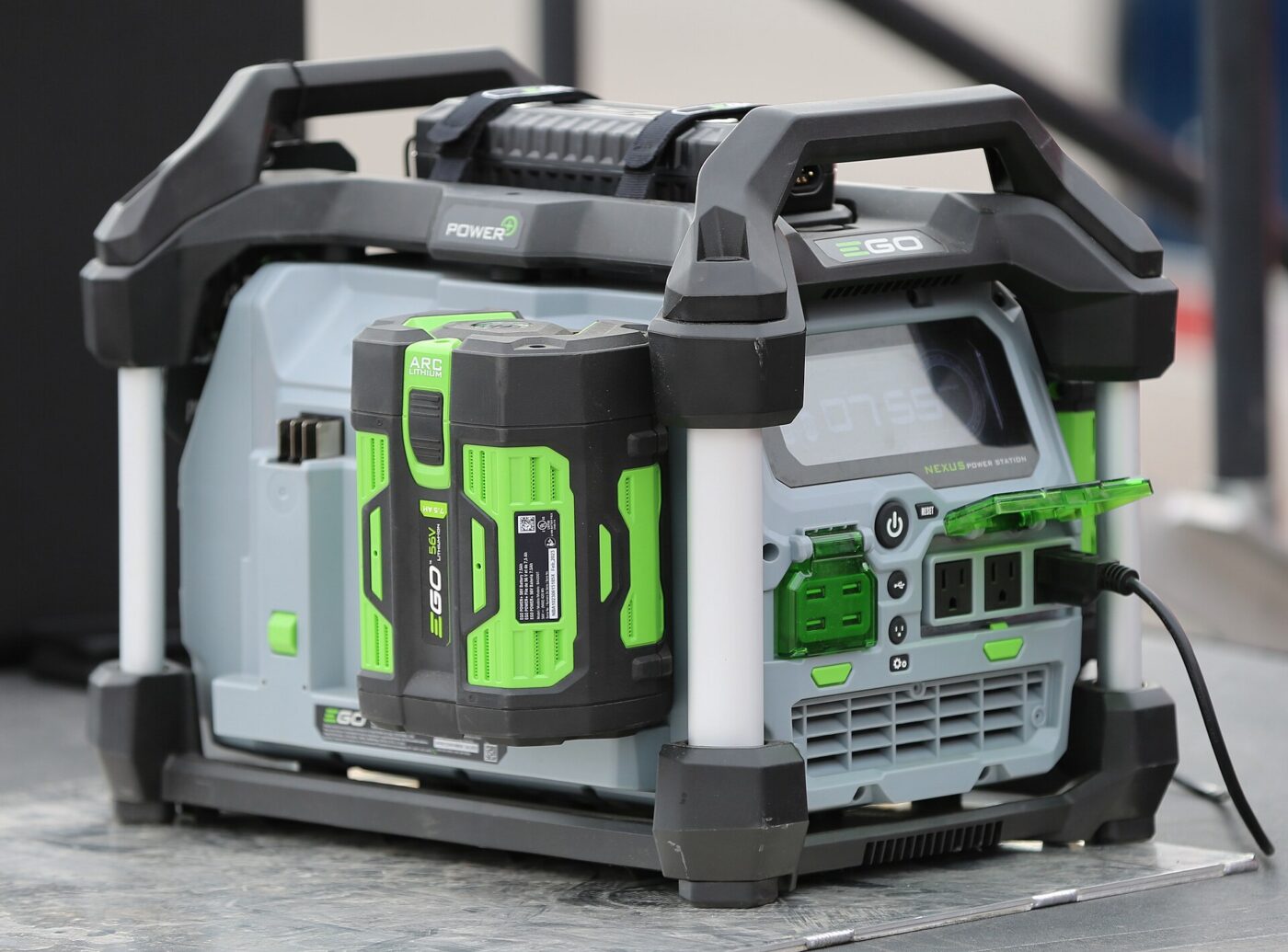
The portable power station started as a camping battery. In 2026 the biggest ones are marketed as house batteries. EcoFlow’s DELTA Pro Ultra page advertises “6kWh-90kWh capacity, whole house backup,” 7,200 watts of output at 120 and 240 volts, and automatic switchover when paired with the company’s Smart Home Panel 2.
The category’s growth shows up in less flattering data too. The Consumer Product Safety Commission announced a recall of about 46,200 Goal Zero YETI 3000X units, sold for about $3,000 each at REI stores and on Costco.com and other sites, on August 20, 2026. Add a 25% tariff on Chinese lithium-ion batteries for non-EV uses from 2026 and the end of the 30% federal credit for home batteries, and the buying decision looks different than it did in 2025.
Trend Signal
58/100 Steady momentum
- Emerging
- Rising
- Mainstream
- Peaking
- Cooling
Bigger units at mass retail, with recalls and tariffs attached
CPSC recalled about 46,200 Goal Zero YETI 3000X units, priced about $3,000 and sold at REI and on Costco.com, on August 20, 2026, and the Section 301 tariff on Chinese non-EV lithium-ion batteries rose to 25% in 2026.
Our editorial reading of the cited data, not a forecast. How it is scored
By the numbers
- 90 kWhTop expanded capacity EcoFlow advertises for its DELTA Pro Ultra system, Sept. 2026EcoFlow
- 46,200Goal Zero YETI 3000X power stations recalled Aug. 20, 2026 over circuit-board overheatingU.S. CPSC
- 25%Section 301 tariff on Chinese non-EV lithium-ion batteries, HTS 8507.60.0020, from 2026USTR, Federal Register
- 3 kWhMinimum battery size for the 30% federal 25D credit, unavailable after Dec. 31, 2025IRS
From camping box to house battery
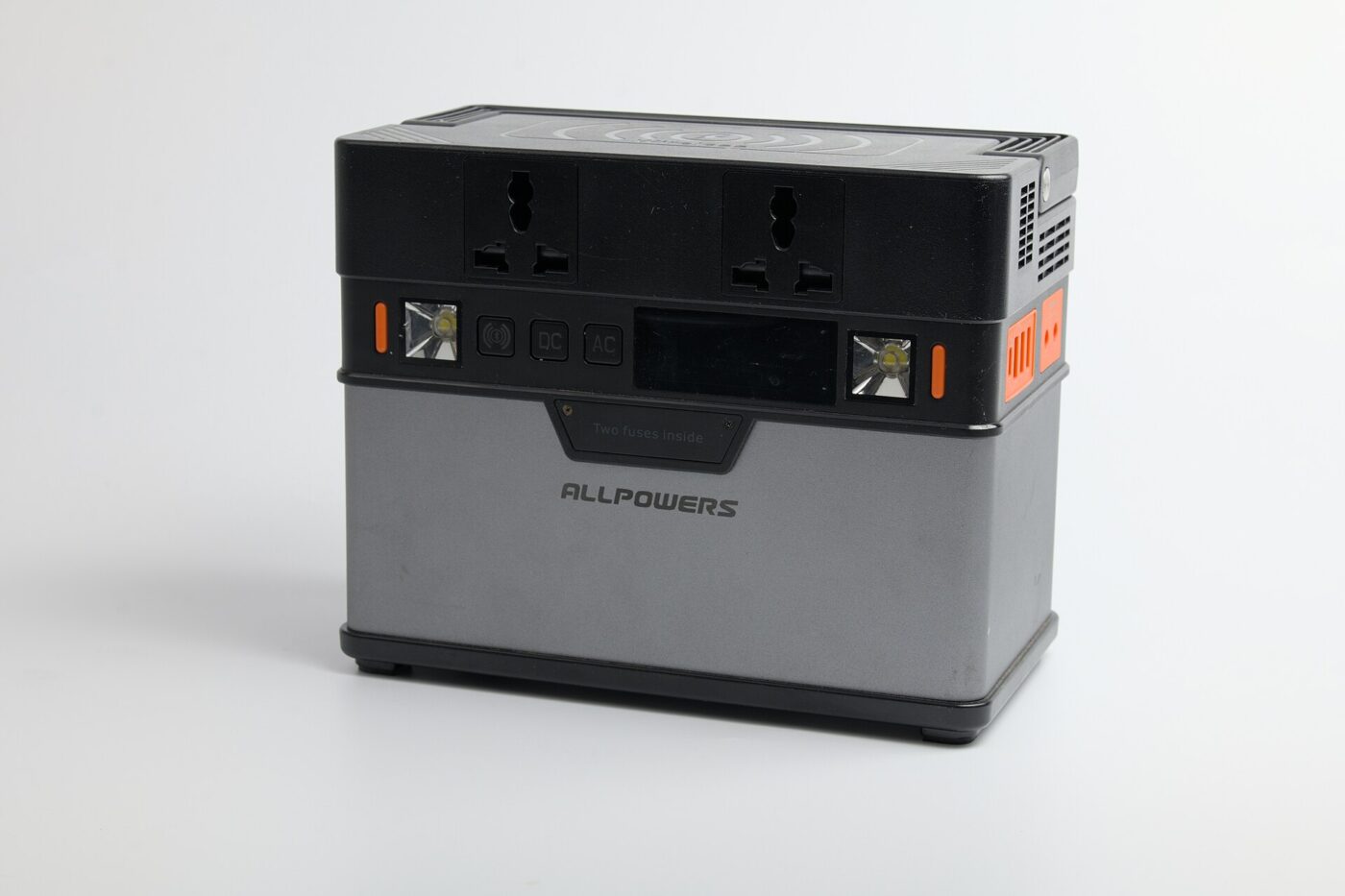
Scale is the first change. EcoFlow lists the DELTA Pro Ultra with a 6,144 Wh base battery and says the system reaches 90 kWh with added battery modules. Its output rating, 7,200 watts of pure sine wave at 120/240 volts, matters because many large household appliances run on 240 volts, which 120-volt-only units cannot power.
The retail footprint is the second change. The CPSC recall notices name the channels: the YETI 3000X sold at REI stores and on Costco.com, Backcountry.com and Goalzero.com from May 2020 through August 2025; EcoFlow’s Delta Max 2000 sold on Costco.com, Amazon.com and Ecoflow.com from July 2022 through May 2025 for about $1,600; and Harbor Freight sold about 6,500 Predator 2000-watt units in its stores in three months, February through April 2025, at about $950.
Those are mainstream retailers selling four-figure batteries. The pitch has moved from charging phones at a campsite to keeping a refrigerator, lights and a home office running through an outage.
What the recall record shows
Four CPSC recall notices between August 2024 and August 2026 show the hazards to screen for. Three involved overheating or fire; one involved reversed outlet wiring.
Two patterns stand out. The two newest fire-hazard recalls were fixed with firmware updates, so a unit that is never connected to its app may never get the fix. And the Harbor Freight case shows that backup modes deserve scrutiny: the recalled units had their AC outlet wires reversed in Emergency Power Supply (EPS) mode, the mode meant for outages.
The HALO 1000 notice is the starkest. A 79-year-old man in Bradenton, Florida, died from smoke inhalation in a June 2022 fire, and the firms received four fire reports in all.
| Recall date | Product | Units | Price | Hazard and fix |
|---|---|---|---|---|
| Aug. 20, 2026 | Goal Zero YETI 3000X | About 46,200 | About $3,000 | Circuit board can overheat; free firmware update |
| Oct. 9, 2025 | EcoFlow Delta Max 2000 | About 25,030 | About $1,600 | Can overheat and ignite; six fire reports; free firmware update |
| July 3, 2025 | Harbor Freight Predator 2000W | About 6,500 | About $950 | Outlet wires reversed in EPS mode; shock hazard |
| Aug. 29, 2024 | HALO 1000 | About 5,740 | $1,000–$1,300 | Batteries can overheat; one death reported |
Before you buy, search the CPSC recall list for the exact model, and register the unit so firmware fixes reach you.
Tariffs and the lost battery credit
Price pressure comes from trade policy. In its September 2024 Federal Register notice finalizing the four-year review of Section 301 tariffs on Chinese goods, the U.S. Trade Representative set a 25% rate, effective in 2026, for lithium-ion batteries classed as “Other” under HTS 8507.60.0020, the non-EV category. Power stations are built around lithium-ion cells, though how a finished unit is classified at the border depends on the product.
The federal subsidy for installed home batteries also ended. The IRS says the Residential Clean Energy Credit paid 30% of the cost of qualified property, including battery storage with a capacity of at least 3 kWh, and is not available for any property placed in service after December 31, 2025. Anyone comparing a large power station with an installed wall battery lost that 30% offset on the installed side.
Grid power is not free to store, either. BLS’s average U.S. electricity price was 19.6 cents per kWh in August 2026, up from 19.0 cents in August 2025, so a full recharge of a 6,144 Wh battery from the wall costs roughly $1.20 before charging losses, by our calculation.
Connection and sizing checks
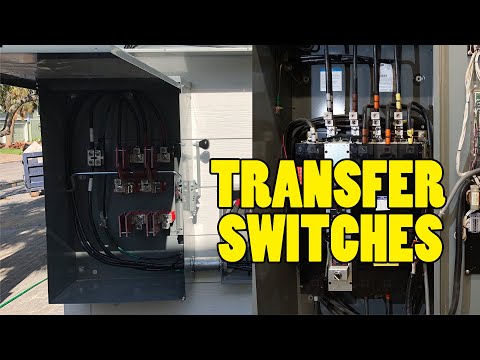
Size by circuit, not by capacity alone. The output rating in watts decides what can run at once; the capacity in kWh decides how long. List the loads you must keep on, note which need 240 volts, and check the continuous and surge ratings on the listing against them.
Connecting a power station to house wiring is not a plug-and-play job. A unit that feeds household circuits needs a transfer switch or the maker’s home panel so it cannot send power back into the grid; hire a licensed electrician for that step.
- Output: continuous AC watts, surge watts and whether the unit supplies 240 V
- Expansion: which add-on batteries the listing names as compatible
- Connection: plug-in loads only, or a transfer switch or home panel; EcoFlow’s automatic switchover requires its Smart Home Panel 2
- Backup mode: how the EPS or pass-through mode switches over, given the Predator recall
- Updates: whether firmware installs through an app, since two recent recall fixes were firmware
Who should buy now and who should wait
Buy now if outages are a real risk where you live and your needs are plug-in loads: a refrigerator, lights, a router and phones. A mid-size unit from a mainstream retailer covers that job without an electrician, as long as the model is not on the recall list.
Wait, or get quotes first, if you want whole-home backup. Once a system runs to many kilowatt-hours and needs panel work, it competes with installed batteries and standby generators, and the 25% tariff and the lost 30% credit changed that comparison in 2026. Also hold off on any deeply discounted unit until you have checked its model number against CPSC recalls.
What to watch next
- New CPSC recall notices for power stations, which have covered models sold at Costco, REI, Amazon and Harbor Freight
- Retail prices on large units as the 25% Section 301 battery tariff works through inventories in 2026
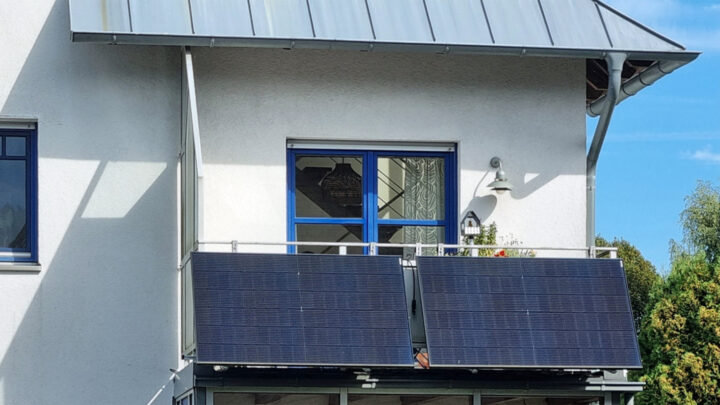
- Plug-in solar laws in at least nine states, which could pair balcony panels with power stations for daily use
Where to start
Paid links: we earn a commission if you buy through the buttons below, at no extra cost to you. As an Amazon Associate I earn from qualifying purchases.
Power station types compared for home backup
| Product type | Good fit for | Where to look |
|---|---|---|
| LiFePO4 portable power station (2 kWh class) | Fits plug-in essentials during outages | See listings on AmazonOpens Amazon search results, not one listing: check the model on the product page. |
| Expandable power station with add-on battery | Fits growing from one room to more circuits | See listings on AmazonOpens Amazon search results, not one listing: check the model on the product page. |
| Foldable solar panel for power stations | Fits recharging without the grid | See listings on AmazonOpens Amazon search results, not one listing: check the model on the product page. |
Product types that fit the trend described above, not tested models. Check the exact listing before you buy. How we pick them.
LiFePO4 portable power station (2 kWh class)
Where to look: Amazon
The plug-in route for a refrigerator, lights and a router. Check continuous watts against your loads and search the model on the CPSC recall list before buying.
- No installation for plug-in loads
- Quiet and fume-free indoors
- Heavy to move
- Cannot feed house circuits on its own
Expandable power station with add-on battery
Where to look: Amazon
For buyers who may grow into circuit-level backup. Confirm which extra batteries and home panels the maker supports, and budget for an electrician if you connect to house wiring.
- Add capacity later
- Some models offer 240 V
- Add-on batteries are model-specific
- Whole-home use needs panel work
Foldable solar panel for power stations
Where to look: Amazon
A panel turns a one-time battery into something you can refill during a multi-day outage. Match the connector and keep total panel watts under the station’s solar input limit.
- Recharges without grid power
- Folds for storage
- Output falls in clouds and shade
- Connector must match the station
More: Energy and Sustainability trends and how the Trend Signal is scored.
Sources
- DELTA Pro Ultra product page — EcoFlow US
- Goal Zero Recalls YETI 3000X Power Stations Due to Serious Risk of Injury from Fire and Burn Hazards — U.S. CPSC
- EcoFlow Technology Recalls Delta Max 2000 Power Stations Due to Risk of Serious Burn Injury and Fire Hazard — U.S. CPSC
- Harbor Freight Tools Recalls Predator 2000-Watt Power Stations Due to Shock Hazard — U.S. CPSC
- HALO 1000 Portable Power Stations Recalled Due to Serious Fire and Burn Hazards; One Death Reported — U.S. CPSC
- Notice of Modification: China’s Acts, Policies and Practices Related to Technology Transfer, Intellectual Property and Innovation — USTR, Federal Register
- Residential Clean Energy Credit — IRS
- Average price: Electricity per kWh in U.S. city average — U.S. Bureau of Labor Statistics
Questions readers ask
Can a portable power station back up a whole house?
Some large systems are marketed that way. EcoFlow advertises its DELTA Pro Ultra as expandable from 6 kWh to 90 kWh with 7,200 watts at 120/240 volts, but automatic switchover for house circuits requires its Smart Home Panel 2, which is wired into the home.
Have portable power stations been recalled?
Yes. CPSC notices include about 46,200 Goal Zero YETI 3000X units (August 20, 2026), about 25,030 EcoFlow Delta Max 2000 units (October 9, 2025), about 6,500 Harbor Freight Predator 2000W units (July 3, 2025) and about 5,740 HALO 1000 units (August 29, 2024).
Are power stations affected by tariffs in 2026?
The Section 301 tariff on Chinese lithium-ion batteries for non-EV uses, HTS 8507.60.0020, rose to 25% in 2026 under the U.S. Trade Representative’s September 2024 notice. How a finished power station is classified depends on the product.
Is there a federal tax credit for home batteries in 2026?
Not the 25D credit. The IRS says it paid 30% for battery storage of at least 3 kWh and is not available for property placed in service after December 31, 2025.