Right to repair started as a fight over access: could an owner or an independent shop buy the same parts, tools and manuals as an authorized dealer? Several states have now answered yes, and the fight has moved to software. Colorado’s law for digital electronic equipment, which took effect January 1, 2026, restricts parts pairing, the practice of tying a replacement part to one device so that a swapped screen or battery loses features or triggers warnings.
The shift matters to anyone who keeps a phone, laptop or appliance past its warranty. It is also a sustainability story: the Global E-waste Monitor 2024, from two United Nations bodies, found that only 22.3% of the world’s e-waste in 2022 was documented as properly collected and recycled. Below: where the laws stand, what they leave out and how to shop with repair in mind.
Trend Signal
66/100 Steady momentum
- Emerging
- Rising
- Mainstream
- Peaking
- Cooling
State laws moving from parts access to parts pairing
Colorado’s repair law for digital electronics took effect January 1, 2026 with limits on parts pairing, after California’s seven-year parts rule began July 1, 2024 and Washington’s repair bill passed 94-1 and 48-1 in 2025.
Our editorial reading of the cited data, not a forecast. How it is scored
By the numbers
- 7 yearsCalifornia parts-and-manuals window for products $100+ wholesale, in force July 1, 2024California Legislature
- Jan. 1, 2026Start of Colorado’s limits on parts pairing in digital electronics (HB24-1121)Colorado General Assembly
- 94-1Washington House vote on repair bill HB 1483, March 4, 2025; the Senate vote was 48-1Washington State Legislature
- 22.3%Share of 2022 global e-waste documented as properly collected and recycledGlobal E-waste Monitor 2024
Where the laws stand in 2026
Minnesota’s Digital Fair Repair Act applies to digital electronic equipment sold on or after July 1, 2021. It requires manufacturers to offer owners and independent repair providers the parts, tools and documentation they give authorized shops, on fair terms, and to supply documentation at no charge apart from the cost of printed copies.
California’s SB 244, chaptered October 10, 2023 and effective July 1, 2024, goes further on time. For electronics and appliances with a wholesale price of $50 to $99.99, makers must supply documentation, parts and tools for at least three years after a model was last made; for products at $100 or more, for at least seven years. It covers products first made and sold or used in California on or after July 1, 2021, with civil penalties that run from $1,000 to $5,000 a day.
Colorado’s HB24-1121, signed May 28, 2024, extended that state’s repair statutes to digital electronic equipment starting January 1, 2026. Washington’s HB 1483, aimed at the servicing and repair of certain products with digital electronics, passed the House 94-1 on March 4, 2025 and the Senate 48-1 on April 10, 2025, and was signed May 19, 2025.
| State | Law | Key date | What it adds |
|---|---|---|---|
| Minnesota | Digital Fair Repair Act | Covers equipment sold from July 1, 2021 | Free documentation; limits pairing requirements |
| California | SB 244 | In force July 1, 2024 | 3 or 7 years of parts, tools and manuals, by price |
| Colorado | HB24-1121 | Jan. 1, 2026 | Limits on parts pairing |
| Washington | HB 1483 | Signed May 19, 2025 | Repair access for certain digital electronics |
Parts pairing is the new front

Parts pairing links a component to a specific device through software. It can record repairs, but it can also stop a replacement part from working fully. For devices first made and sold or used in Colorado after January 1, 2026, the state bars pairing that prevents an owner or independent shop from installing or enabling a replacement part, reduces the device’s functionality or performance, or causes it to display misleading alerts or warnings.
Colorado still allows pairing for recording repair information and for standalone biometric authentication components. Minnesota’s statute takes a similar line: its definition of fair and reasonable terms for parts rules out a requirement that a part be “registered, paired with, or approved by” the manufacturer before it operates.
The federal backdrop dates to May 2021, when the Federal Trade Commission’s report to Congress, Nixing the Fix, found “scant evidence to support manufacturers’ justifications” for repair restrictions.
When a phone or laptop gets a new screen or battery, pairing rules decide whether it works like the original.
What the laws leave out
None of these laws covers everything with a chip. Minnesota excludes motor vehicles, medical devices, farm and construction equipment, video game consoles, energy storage systems and critical-infrastructure IT equipment. Colorado exempts motor vehicles, marine vessels and aviation, medical devices other than powered wheelchairs, certain safety, security, construction and energy-related equipment, and video game consoles.
The energy storage carve-out matters in this category: in Minnesota, battery storage systems sit outside the repair statute. Colorado and California also put duties on independent shops, which must tell customers they are not authorized by the manufacturer and disclose whether they use non-manufacturer parts.
Why repair is a sustainability story
The Global E-waste Monitor 2024, from the International Telecommunication Union and the UN Institute for Training and Research, counted a record 62 million metric tons of e-waste generated worldwide in 2022, rising by about 2.6 million metric tons a year. Less than a quarter, 22.3%, was documented as properly collected and recycled.
EPA’s guidance puts reuse ahead of replacement, recommending hardware or software upgrades before buying new devices to conserve the metals, plastics and glass built into them and the energy used to make new ones. The agency also cites a 2006 U.S. Geological Survey estimate that recycling one million laptops saves energy equal to the electricity used by more than 3,500 U.S. homes in a year.
Community repair has grown alongside the laws. The Repair Café Foundation, which supports volunteer repair events in the United States and dozens of other countries, highlights its 4,000th Repair Café, in Canada, on its site as of September 2026.
How to shop with repair in mind
The laws help most when you buy with them in mind. Before buying a phone, laptop or appliance, check whether the maker publishes repair manuals and sells parts directly. Apple, for example, runs a Self Service Repair store, operated by an authorized third party, that sells genuine parts and rents or sells professional-grade tools for iPhone and Mac repairs.
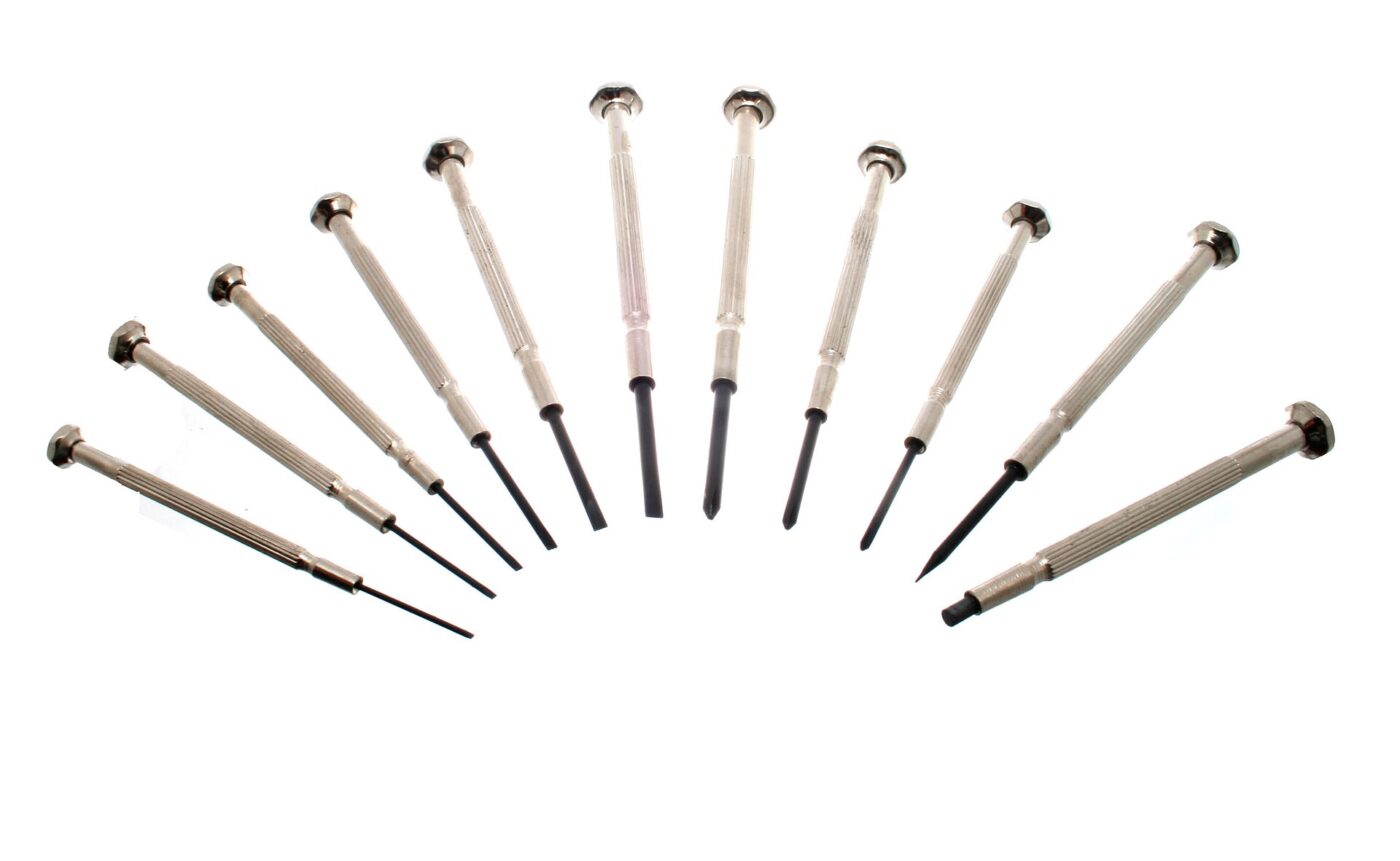
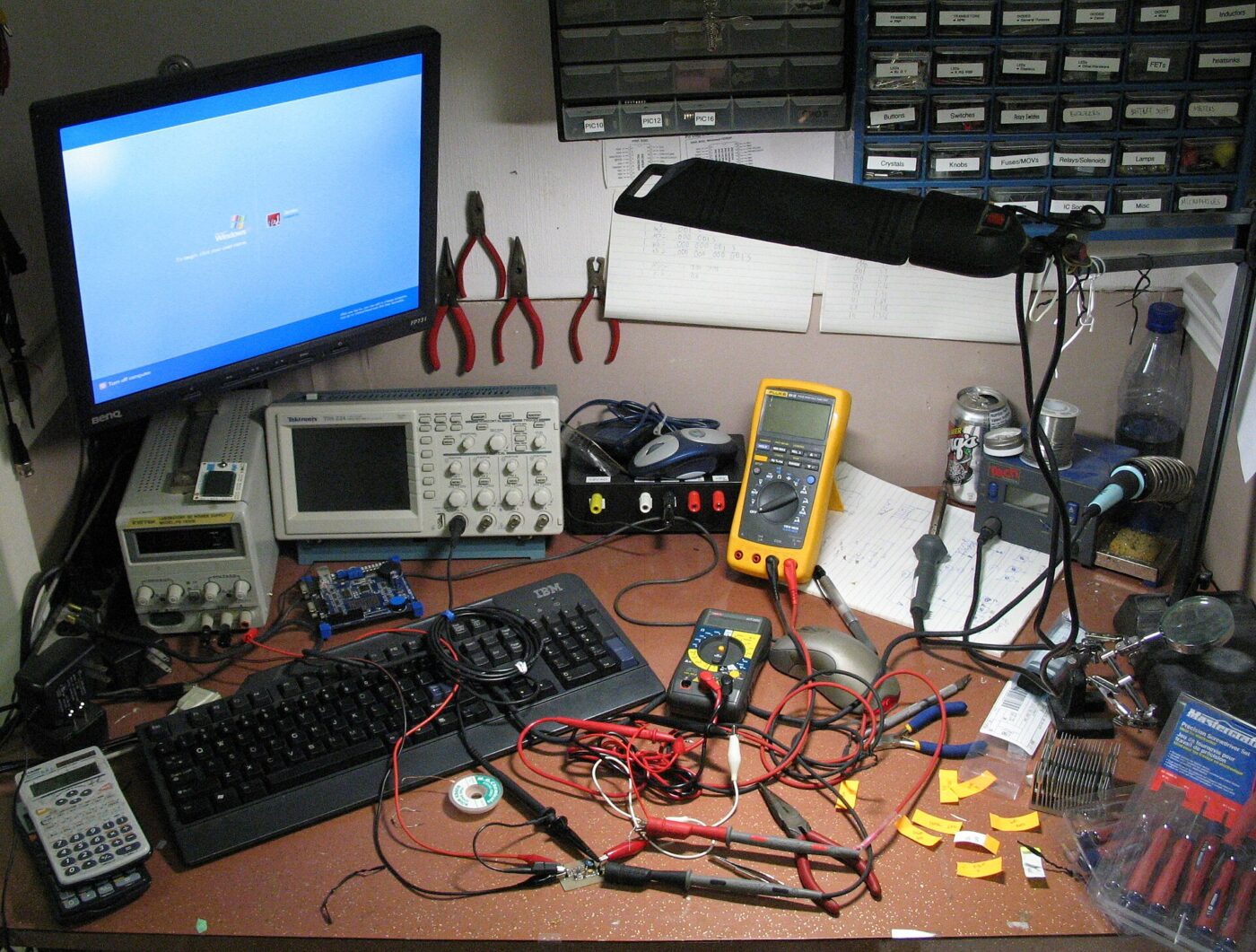
For owners who plan to use the new rights, the practical first step is a basic tool kit: precision drivers with the bit types your devices use, plastic opening tools, and, for board-level fixes, a temperature-controlled soldering station. Keep the original part until the device boots and every feature works.
Who gains least? Owners of devices in excluded categories, such as game consoles, get nothing from these laws, and owners in states without a repair law depend on each manufacturer’s own parts program.
What to watch next
- Enforcement actions under Colorado’s parts-pairing rules, in force since January 1, 2026
- New repair bills in state legislative sessions that open in January, especially ones that copy Colorado’s pairing language
- Whether device makers extend parts and manual programs nationwide rather than state by state
Where to start
Paid links: we earn a commission if you buy through the buttons below, at no extra cost to you. As an Amazon Associate I earn from qualifying purchases.
Home repair tool types compared
| Product type | Good fit for | Where to look |
|---|---|---|
| Precision screwdriver set for electronics | Fits phone and laptop screws | See listings on AmazonOpens Amazon search results, not one listing: check the model on the product page. |
| Electronics opening tool kit | Fits opening glued devices | See listings on AmazonOpens Amazon search results, not one listing: check the model on the product page. |
| Temperature-controlled soldering station | Fits board-level repairs | See listings on AmazonOpens Amazon search results, not one listing: check the model on the product page. |
Product types that fit the trend described above, not tested models. Check the exact listing before you buy. How we pick them.
Precision screwdriver set for electronics
Where to look: Amazon
The one tool nearly every device repair needs. Match the bit list to the screws in your phone, laptop and game controllers before you buy.
- Many screw types in one case
- Magnetic tips hold tiny screws
- Soft bits strip easily
- Bit sizes vary by kit
Electronics opening tool kit
Where to look: Amazon
Screens and batteries are often glued in. A kit of plastic picks, spudgers and a suction cup lets you open a device without prying with metal.
- Plastic tools limit scratches
- Picks hold seams open
- Adhesive may still need heat
- Picks wear out
Temperature-controlled soldering station
Where to look: Amazon
For connector, cable and board-level work. Most screen and battery swaps do not need it, so buy one when a repair calls for soldering.
- Holds a steady tip temperature
- Tips can be replaced
- Needs ventilation and practice
- More than a part swap requires
More: Energy and Sustainability trends and how the Trend Signal is scored.
Sources
- Minnesota Statutes 325E.72, Digital Fair Repair — Minnesota Revisor of Statutes
- SB-244 Right to Repair Act — California Legislative Information
- HB24-1121 Consumer Right to Repair Digital Electronic Equipment — Colorado General Assembly
- HB 1483 (2025) bill summary — Washington State Legislature
- Nixing the Fix: An FTC Report to Congress on Repair Restrictions — Federal Trade Commission
- The Global E-waste Monitor 2024 — ITU and UNITAR
- Electronics Donation and Recycling — U.S. EPA
- Repair Café home page — Repair Café Foundation
- Self Service Repair — Apple Support
Questions readers ask
Which states have right to repair laws for electronics in 2026?
Among the laws covered here, Minnesota’s applies to equipment sold since July 1, 2021, California’s SB 244 took effect July 1, 2024, Colorado’s digital electronics law took effect January 1, 2026, and Washington signed HB 1483 on May 19, 2025. Other states have their own laws and bills.
What is parts pairing?
Parts pairing uses software to link a component to one device. For devices first sold or used in Colorado after January 1, 2026, the state bars pairing that blocks installing a replacement part, reduces performance or shows misleading warnings, while allowing it for recording repairs and for standalone biometric components.
How long must manufacturers supply repair parts in California?
At least three years for products with a wholesale price of $50 to $99.99 and at least seven years for products at $100 or more, under SB 244, for products first made and sold or used in California from July 1, 2021.
Do right to repair laws cover game consoles or home batteries?
Not in Minnesota, which excludes video game consoles and energy storage systems, and not in Colorado, which exempts video game consoles and certain energy-related equipment.